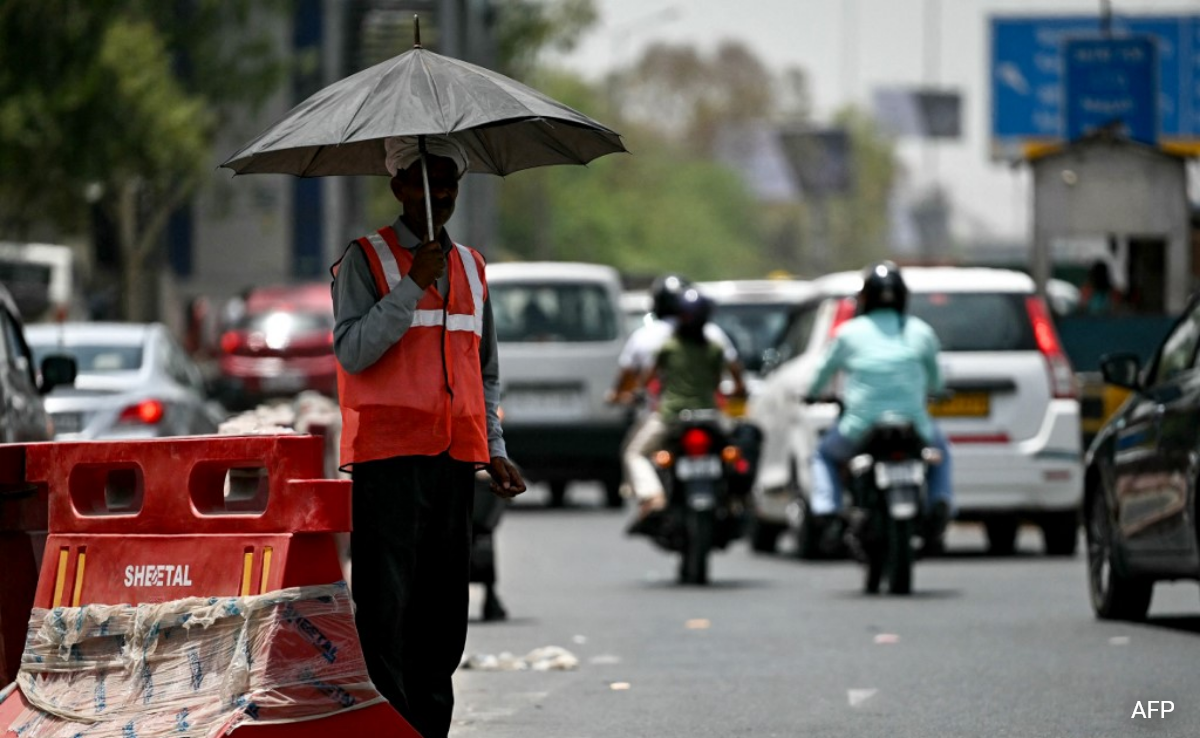
Indian cities are experiencing unprecedented high temperatures due to the urban heat island effect and the El Nino phenomenon, which has led to severe heatwaves in North and Central India. The urban heat island effect causes urban areas to be warmer than their rural surroundings due to human activities and infrastructure. The El Nino effect, characterized by unusually warm ocean temperatures, has exacerbated the heat. This extreme heat is causing both dry and moist heat stress, leading to significant health concerns. A study by IMD indicates a 30% rise in heat stress cases in India over the past 40 years.
Medellín, Colombia's second largest city, has implemented a successful "green corridors" program to combat air pollution and rising heat. The project, which connects green spaces through avenues and streets lined with trees and shade, has resulted in a 2°C temperature reduction across the city. The green corridors have also improved air quality, brought back wildlife, and reduced carbon dioxide emissions. The project's success has garnered international attention, with other cities looking to replicate this low-cost, popular solution for combating urban heat and improving climate resilience.
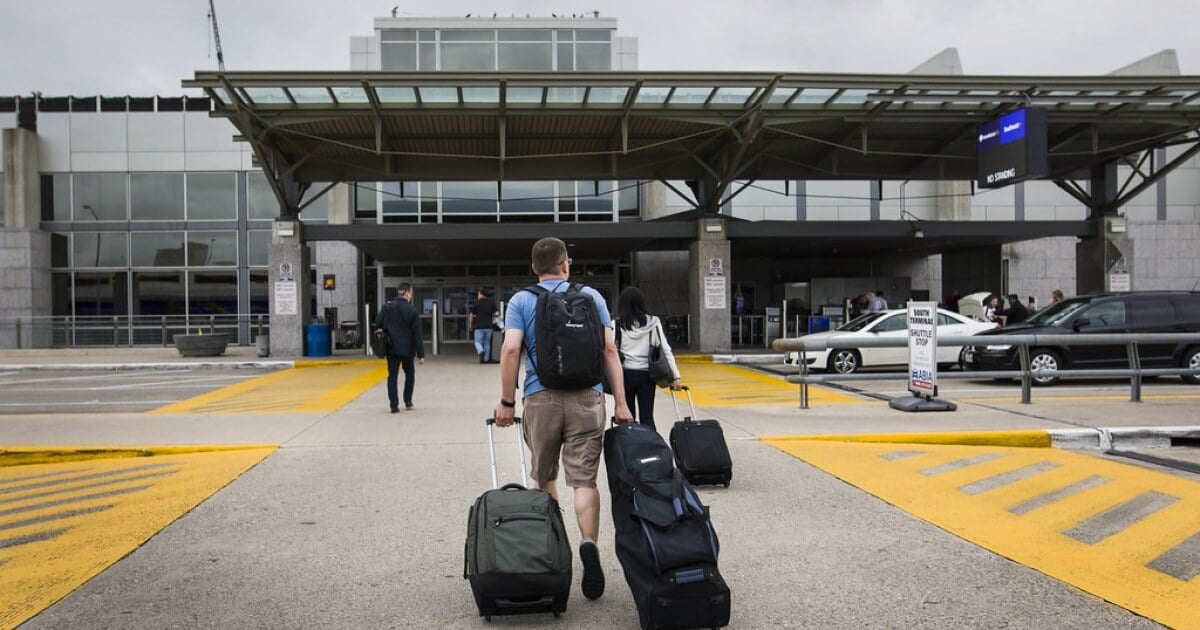
The temperature reported at Austin's airport is consistently a few degrees cooler than at Camp Mabry, the official weather station. This is due to the airport's location away from the urban heat island effect and its positioning in a cooler dip in the ground. Camp Mabry has a longer period of consistent record-keeping and is considered more representative of the weather in Austin.
Extreme heat, exacerbated by the urban heat island effect and heat domes, is becoming the most lethal climate disaster, killing more people than all other disasters combined. The scorching temperatures, which have broken records worldwide, have devastating effects on both human health and infrastructure. Poorer areas in cities are particularly vulnerable due to lack of greenery and shade. While some steps have been taken to address the issue, such as expanding access to drinking water and setting up heat alert systems, more needs to be done at the city and federal level to mitigate the impacts of extreme heat and treat it as seriously as other climate disasters.
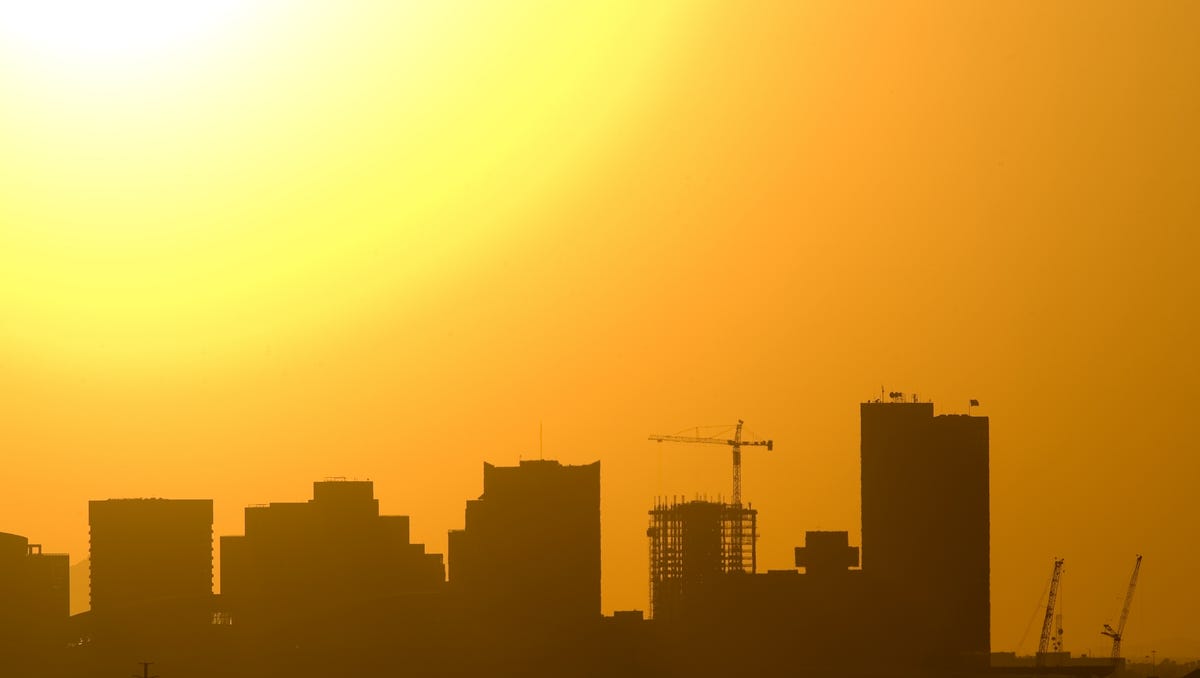
Phoenix, Arizona, just experienced its hottest month on record, with an average temperature of 102.7 degrees Fahrenheit in July. This makes it the hottest month ever observed in a U.S. city. The scorching heat wave has brought dangerous triple-digit temperatures to 70 million Americans in the South and Southwest. Phoenix broke numerous temperature records, including the longest streak of 110-plus-degree highs at 31 days and the most 115-degree days in a month at 17. The extreme heat is attributed to a combination of natural variability, human-caused climate change, and the urban heat island effect.
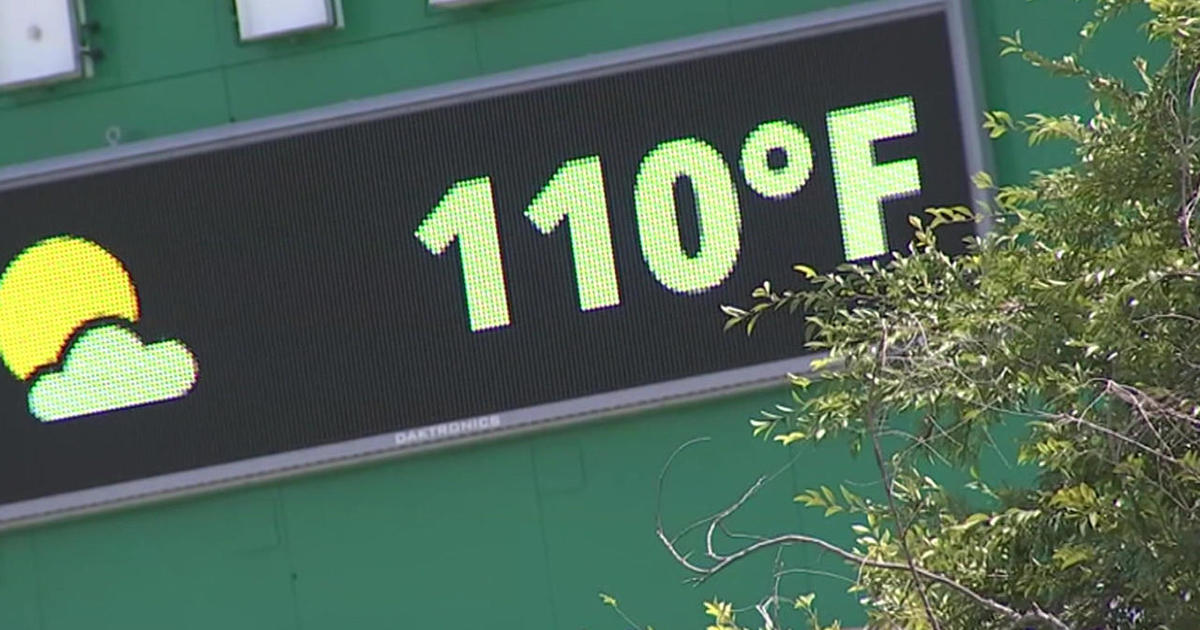
The National Weather Service has extended an excessive heat warning for Maricopa County in Arizona, with high temperatures above 110 degrees forecasted throughout the week. The Southwest region has experienced significant warming over the past decade, with Phoenix and surrounding areas becoming hotter due to the urban "heat-island" effect. The Arizona Department of Health Services provides tips to prevent heat-related illnesses, including staying hydrated, dressing appropriately, and monitoring those at risk.
Phoenix, Arizona is experiencing an increase in overnight low temperatures, primarily due to the urban heat island effect. The number of consecutive days hitting 110 degrees has also been on the rise, with the ongoing heat wave ranking fourth between 2007 and 2020. Daily lows between June 1 and July 9 have been trending up since temperature recording began in 1896. The increase in lows has had a significant impact on heat waves, with last year's extended wave of over 110 degrees having a daily average of 100.8 degrees.