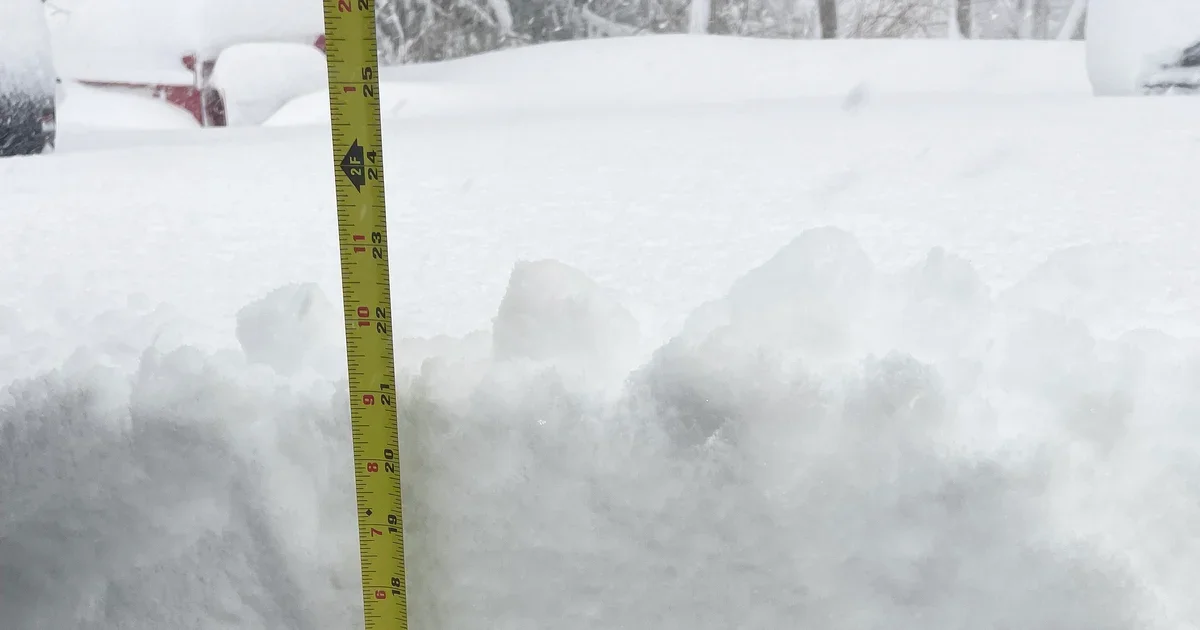
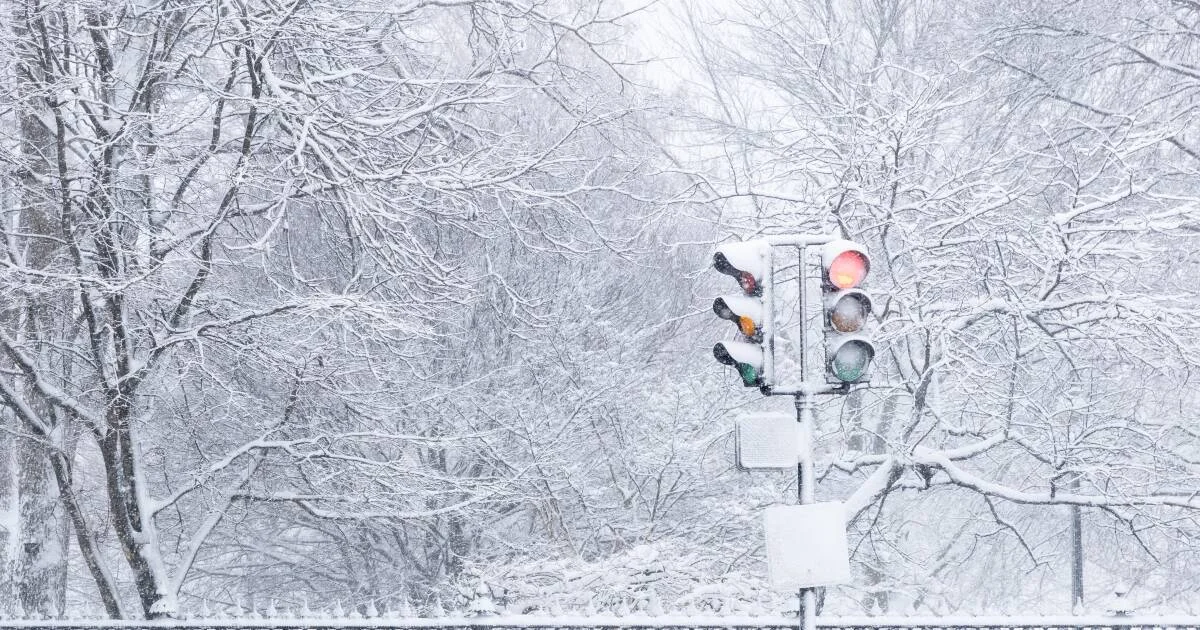
Providence, Rhode Island, recorded 37.9 inches of snow—the city’s largest on record and likely a statewide benchmark—during Blizzard of 2026, driven by a bomb cyclone with an eastward track, abundant moisture from the Gulf/Atlantic, cold coastal waters, and a lack of blocking high pressure.
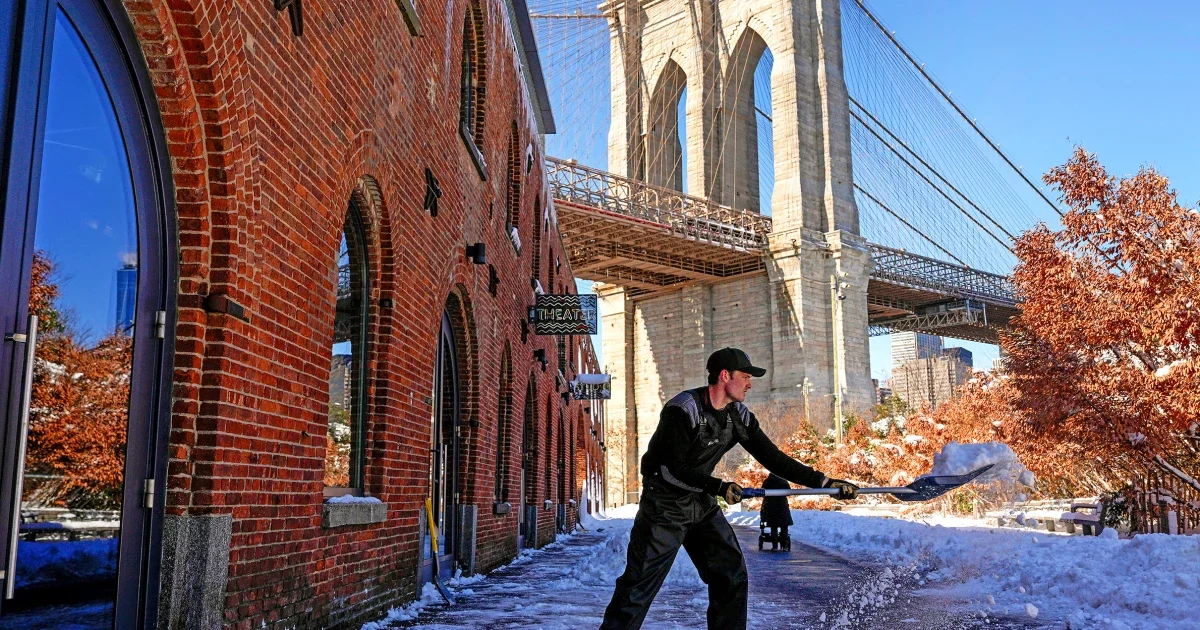
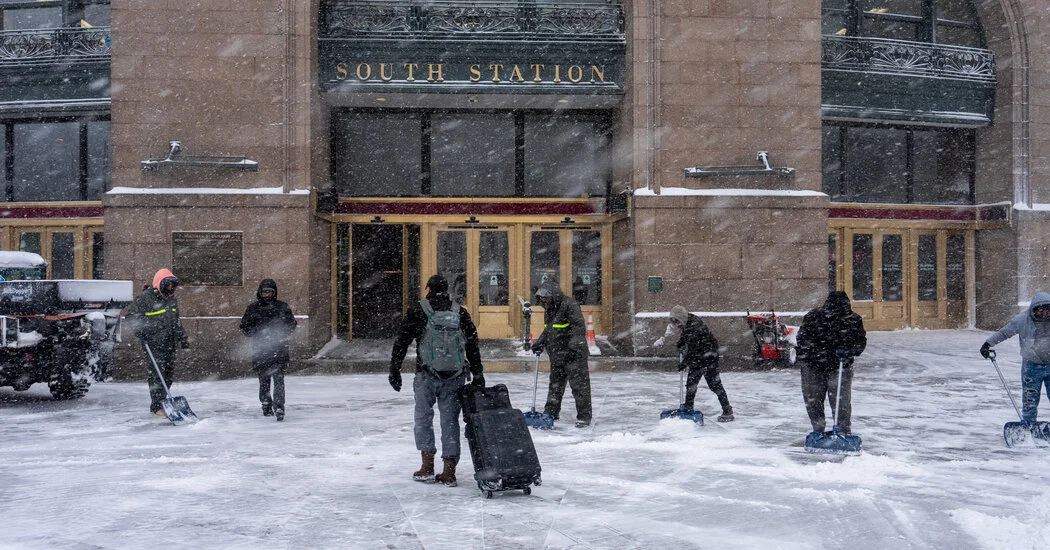
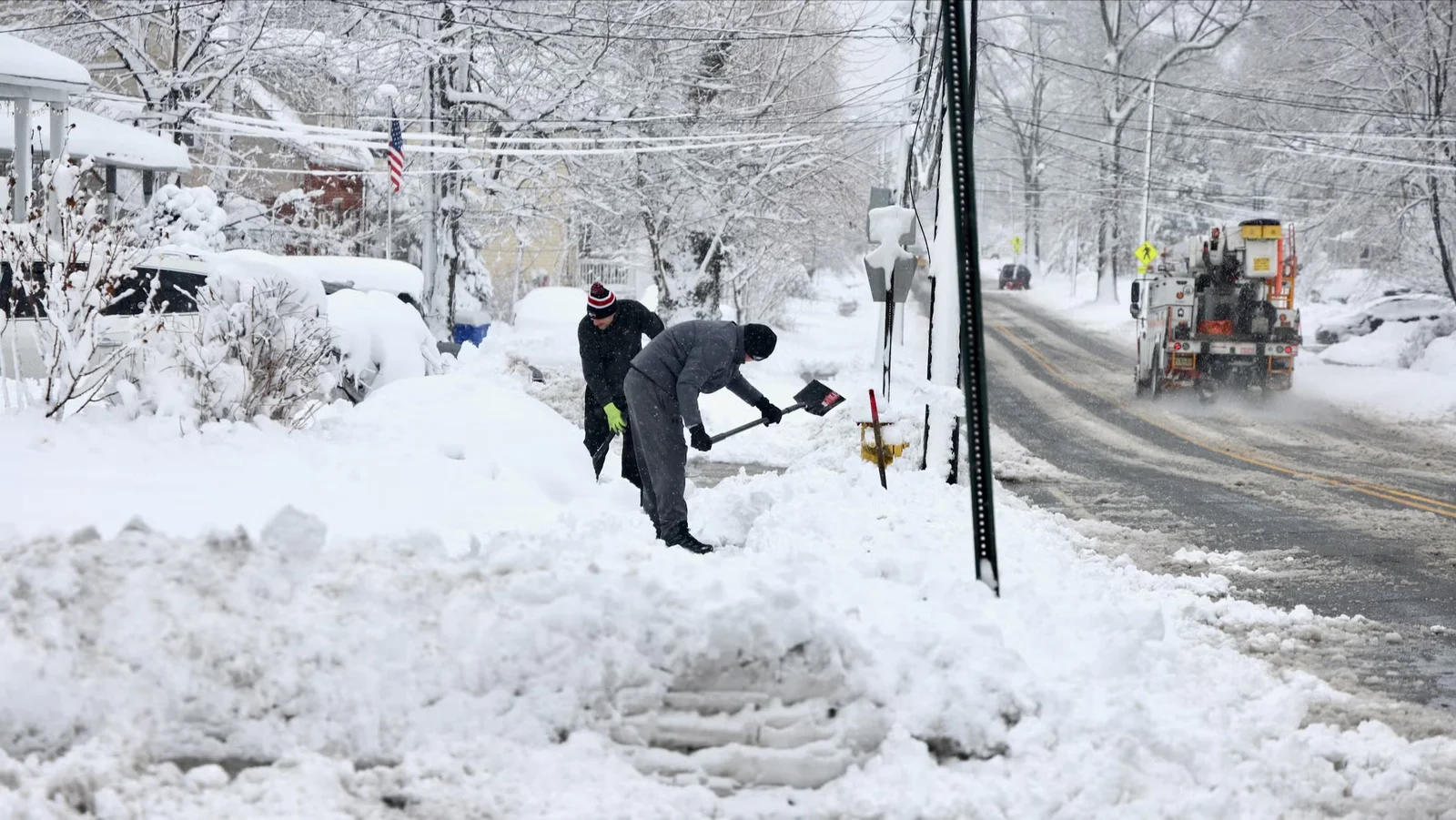
A fresh wave of light snow swept the Northeast after a historic storm left huge piles of snow from Maryland to Maine, prompting salt deployments and thousands of shovelers in cities like New York while warning of patchy ice on roads; the region also faced ongoing accessibility challenges for people with disabilities, dozens of power outages, and flight disruptions as some schools and services returned to normal amid continued snow-clearing efforts and dumping grounds for snow.
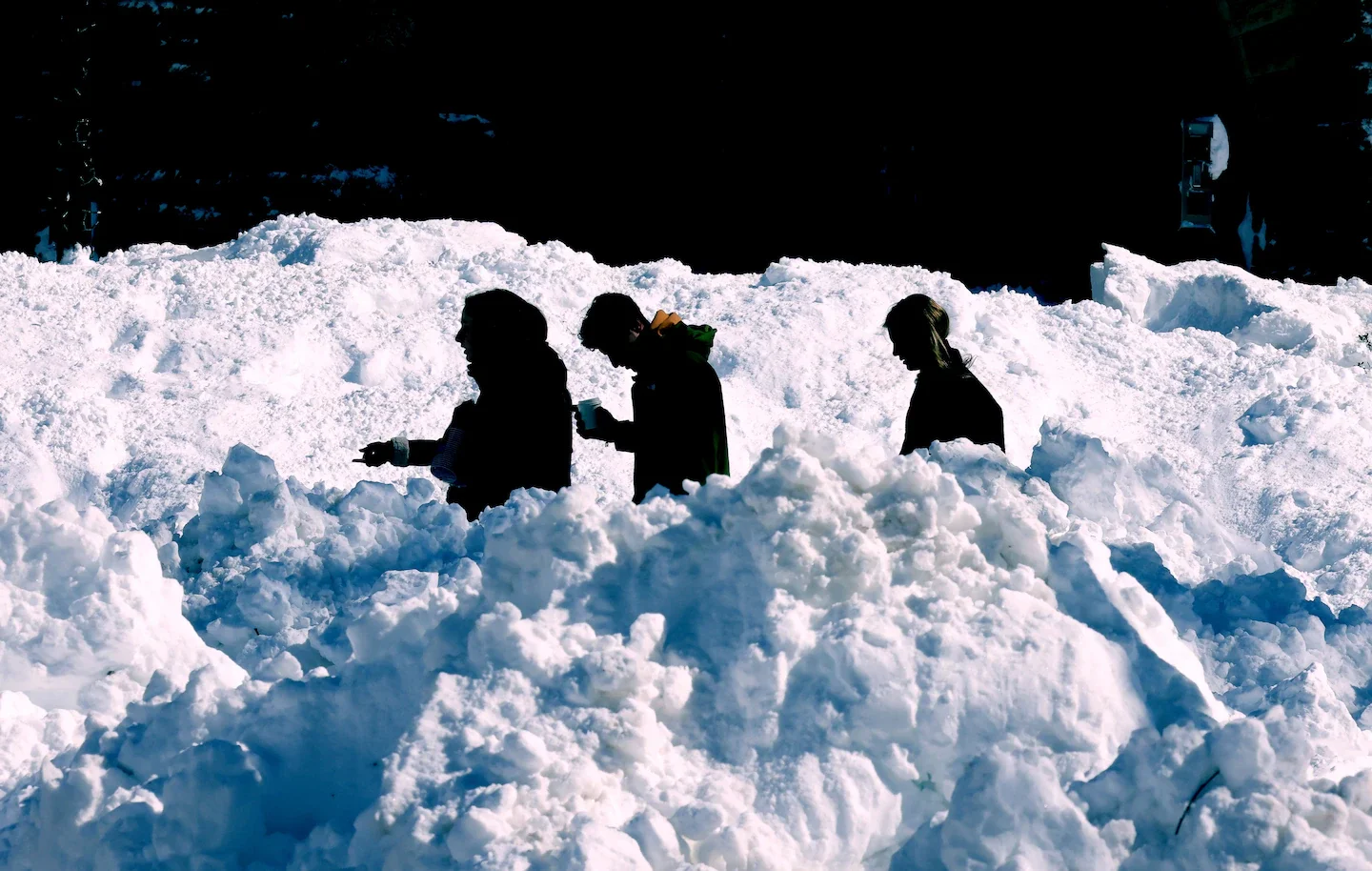
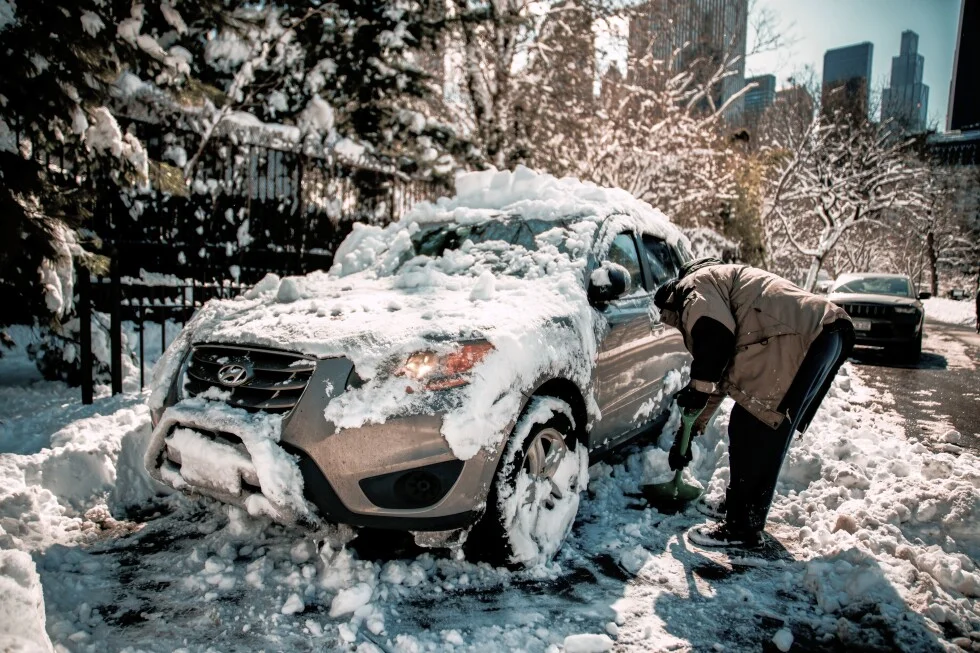
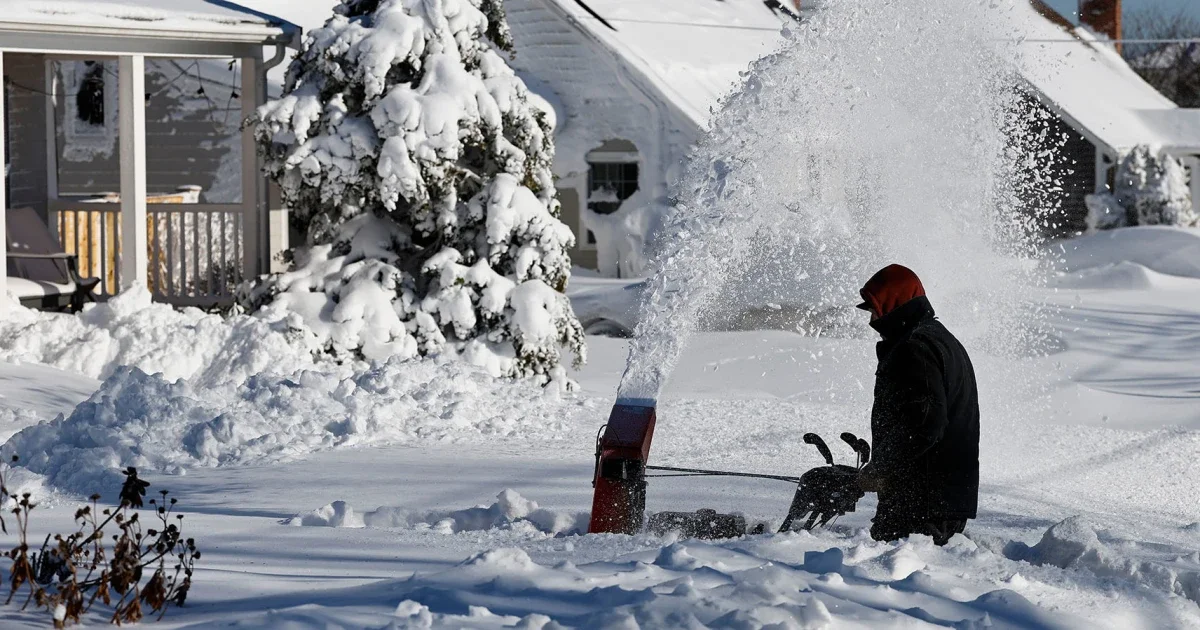
A powerful winter storm blankets the Northeast, billed as the strongest in a decade, with Rhode Island fearing or experiencing about three feet of snow while New York City residents dig out; communities rally to help as cleanup continues and NYC public schools largely conducted a regular day for more than a million students.
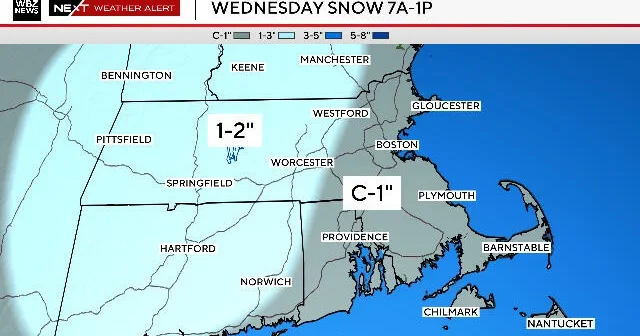
Two chances for light snowfall in the Boston area: a Wednesday morning event expected to last about 4–6 hours with a coating to 1 inch east of Route 495 and 1–2 inches west, with possible rain mixing in along the South Coast; most accumulation should melt by afternoon as sun returns; a small, uncertain chance of a Thursday night flurry if a southern storm brushes by; weekend forecast calls for near 50°F.
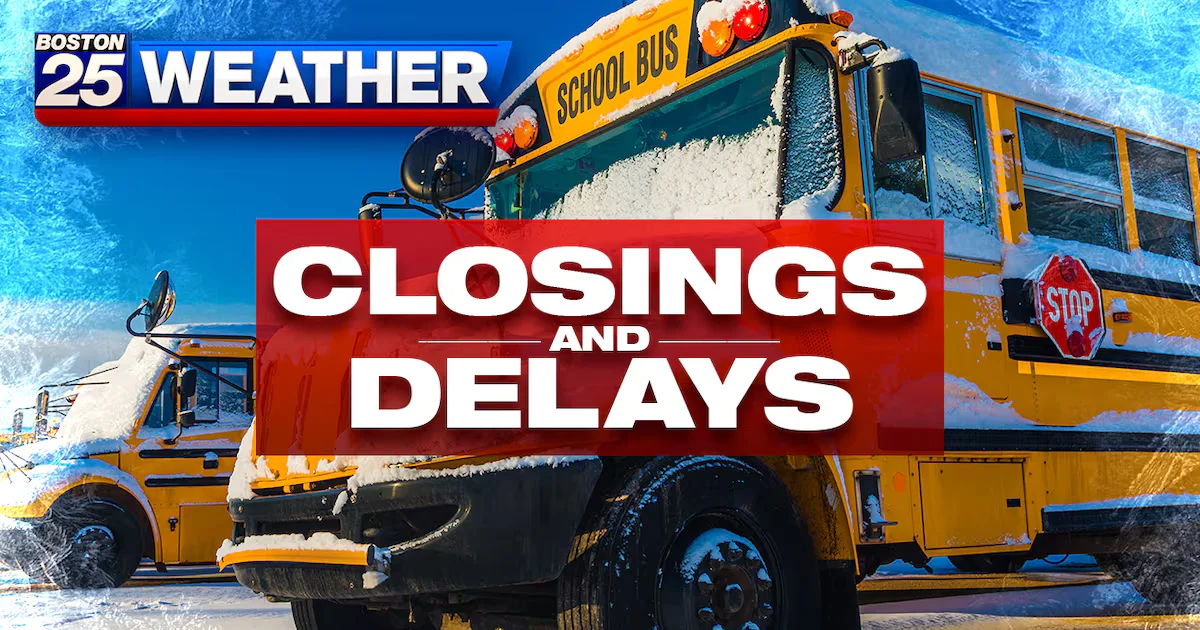
Massachusetts schools will remain closed on Wednesday as the region continues cleanup from a blizzard that battered New England, with authorities assessing damage and ongoing recovery efforts.
Rhode Island lifted its statewide travel ban at noon after a historic nor'easter dumped record snowfall statewide, with up to 37.9 inches reported at T.F. Green Airport and mutual aid on the way to assist road crews; one death was linked to carbon monoxide poisoning from a car, and officials urged residents to stay home to help crews clear the roads.
The Blizzard of 2026 left the Northeast reeling with hundreds of thousands still without power, record snow totals in RI/MA/NY, widespread travel cancellations, and ongoing recovery efforts as a weaker Alberta Clipper brings 1–3 inches more by midweek.
A record-breaking blizzard slammed the Northeast, delivering over two feet of snow in some areas, triggering deaths, hundreds of thousands of power outages, widespread flight cancellations, school closures, and major transit disruptions as crews begin clearing snow; forecasters warn another storm could hit later this week, potentially hindering recovery.
A powerful blizzard dumped heavy snow and high winds across the East Coast, forcing widespread transit disruptions from New Jersey to Massachusetts. NJ Transit and LIRR were fully halted, Metro-North trimmed service (with West-of-Hudson canceled), and New York City subways and buses faced delays. Amtrak suspended Boston–New York service, while a Massachusetts travel ban covered parts of the Cape and southern coast. More than 6,000 flights were canceled, and regional systems like MBTA, RIPTA, and SEPTA reduced or halted service as the storm intensified.
A powerful nor’easter dumped heavy snow across the Mid-Atlantic, breaking daily records in Atlantic City, Philadelphia, Trenton and Wilmington. By midday, Atlantic City neared 17 inches and Philadelphia about 14 inches, with Mount Holly forecasting up to 20 inches; Sussex County, Del., saw as much as 19 inches, and parts of Monmouth and Middlesex counties in New Jersey reported over two feet. While these are notable daily records, meteorologists say the winter’s total snowfall is unlikely to reach long‑term seasonal records, which exceed about 70 inches in some winters. The storm should taper off this afternoon with potential coastal flooding in low‑lying areas, and additional snow is possible later in the week.
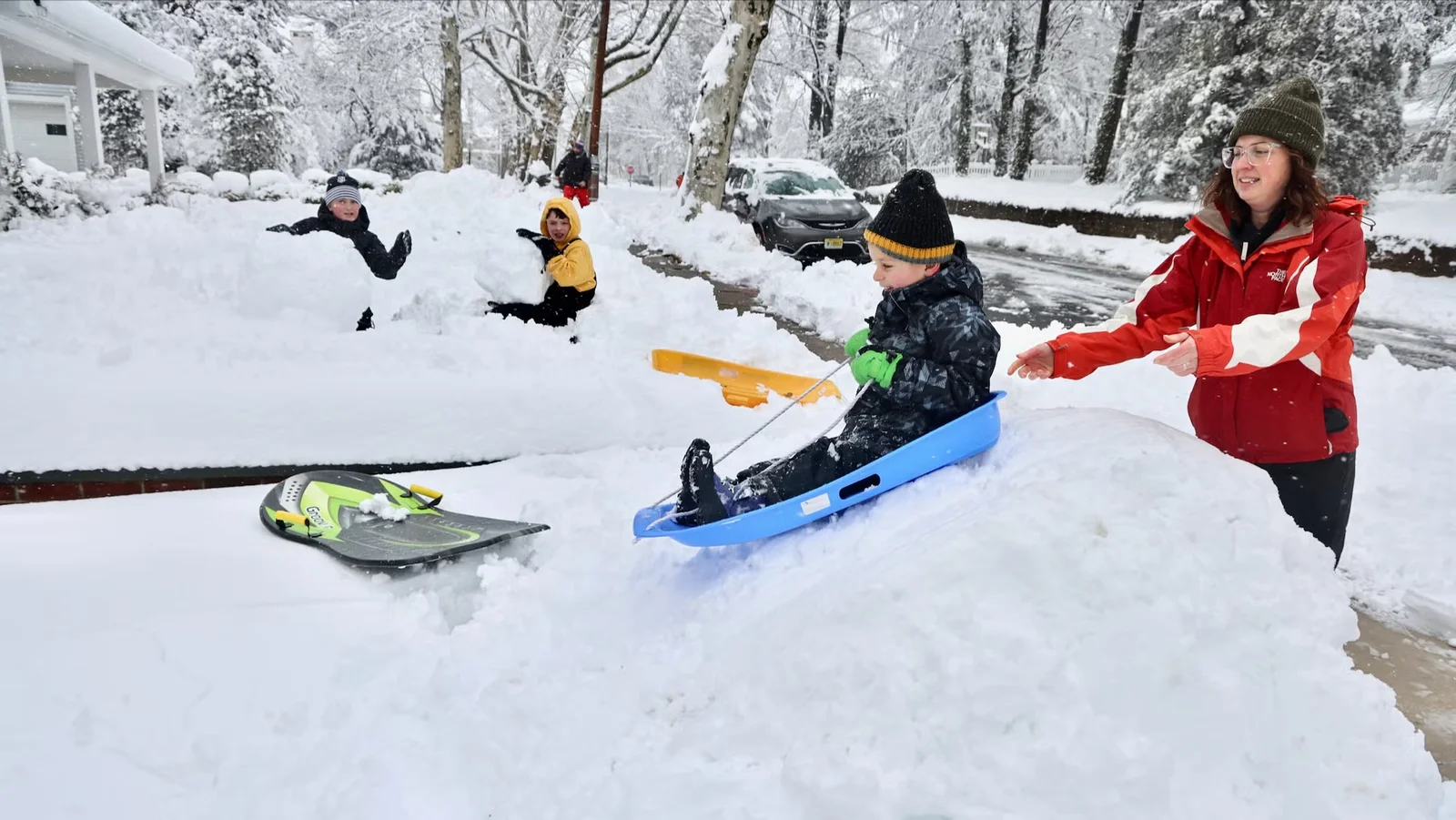
WHYY’s photo gallery shows Philadelphia and South Jersey blanketed by a winter storm, with Philly reporting up to 16 inches of snow and some New Jersey towns topping two feet. The images capture residents sledding, building snowmen, and digging out driveways as communities brace for travel disruptions and cold weather.
A heavy, wet Blizzard of 2026 dumps significant snowfall across Massachusetts, with Boston around 17 inches by Monday evening and the season total exceeding 60 inches. Southeastern MA bore the brunt, Providence, RI set a 37.9-inch record, and many towns reported 20–36 inches while widespread power outages affected thousands.
A historic blizzard dumped up to 3 feet of snow across the Northeast, prompting states of emergency and travel bans, grounding thousands of flights and causing widespread power outages, while schools closed and officials warned the storm could rank among New York City’s worst in 150 years as conditions persisted.
Google is sunsetting the Android weather shortcut and replacing it with a Search-driven weather experience: tapping the shortcut now opens a Google Search page with a weather card, forecasts, air quality data, and an AI-generated summary. Pixel devices are largely unaffected; non-Pixel users may lean toward third-party apps, reflecting Google’s shift to centralize everyday info in Search.
A northeast winter storm dumped record snowfall in Providence (32.8 inches, surpassing the Blizzard of ’78) and delivered heavy snow across the Boston area in 12–24 inch ranges, with Logan Airport at 14.4 inches by 1 p.m. and strong gusts up to 83 mph on Cape Cod and surrounding areas. The snow is expected to taper off by evening as winds subside, followed by a cold, sunny day; a smaller system is possible midweek and a colder pattern persists into the weekend.