Tag

Urban Design

All articles tagged with #urban design

society26 days ago

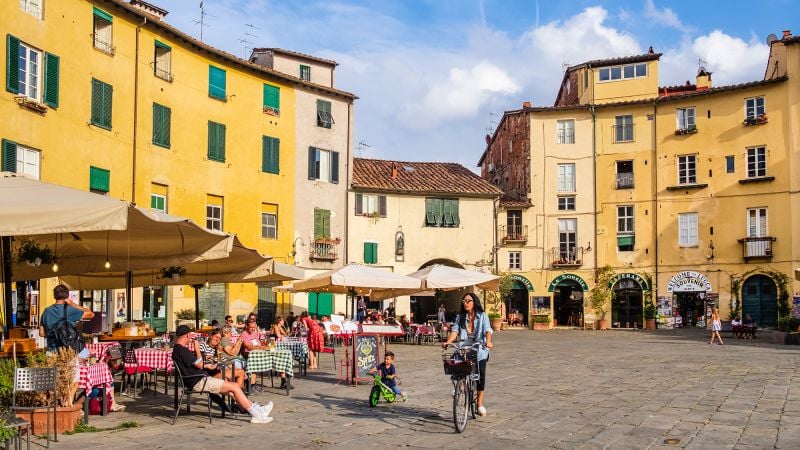
Why Don't America Have More European-Style Public Squares?

Americans crave community spaces like European squares, but most US cities lack these walkable, communal areas due to car-centric urban planning, historical development patterns, and infrastructure priorities. While some American cities have historic squares and new developments like car-free communities are emerging, widespread adoption faces significant challenges. Travel abroad has inspired many Americans to seek more walkable, social urban environments, highlighting a cultural shift towards valuing community spaces.
health5 months ago

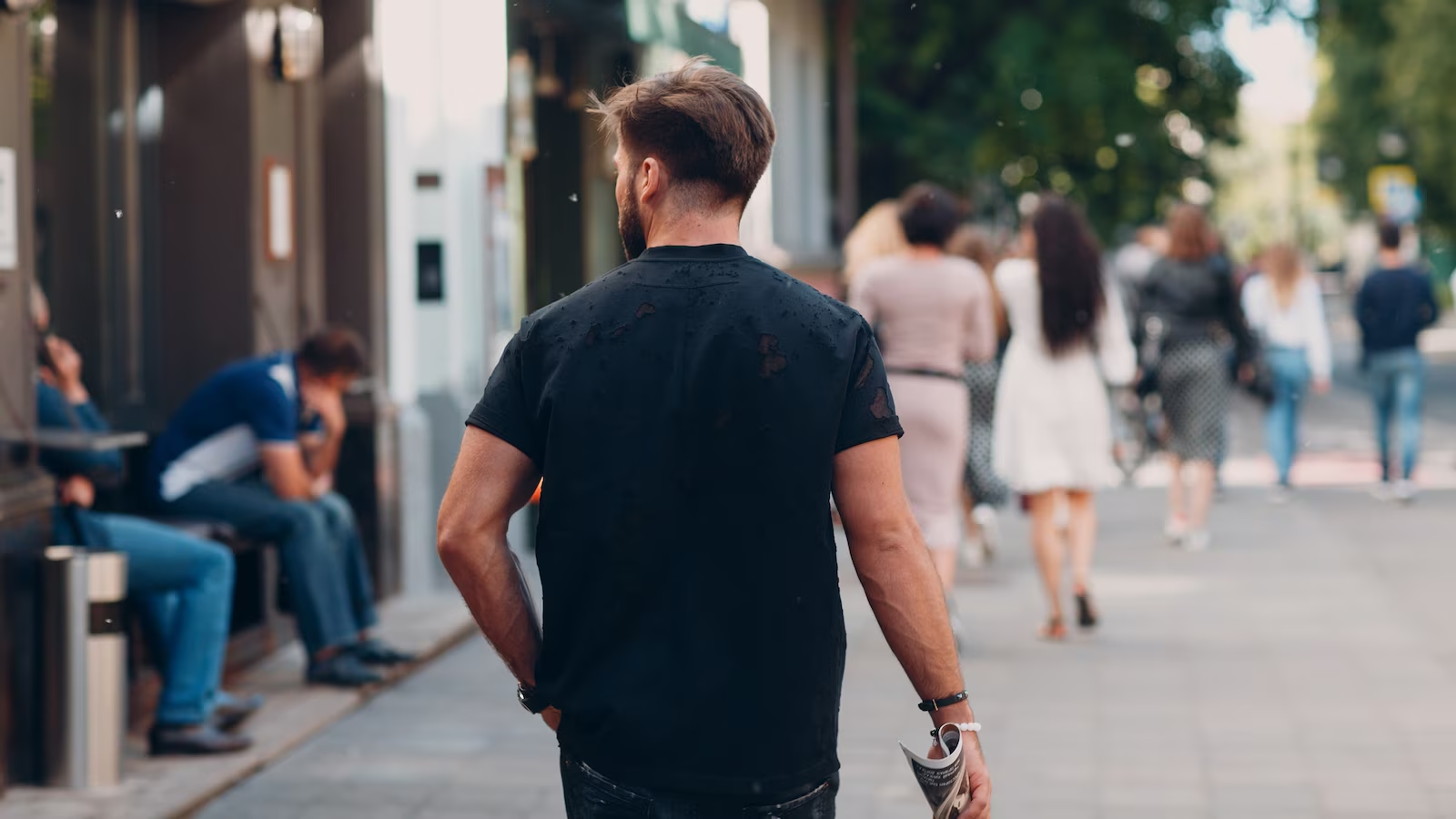
Living in Walkable Cities Increases Daily Steps by Over 1,000

A study found that moving to a more walkable city can add about 1,100 steps to daily activity, significantly increasing the likelihood of meeting exercise guidelines, with the biggest gains seen in cities like New York. However, women over 50 did not experience the same benefits, possibly due to safety and other concerns. Improving urban walkability could help millions meet physical activity targets and reduce health costs.

culture5 months ago

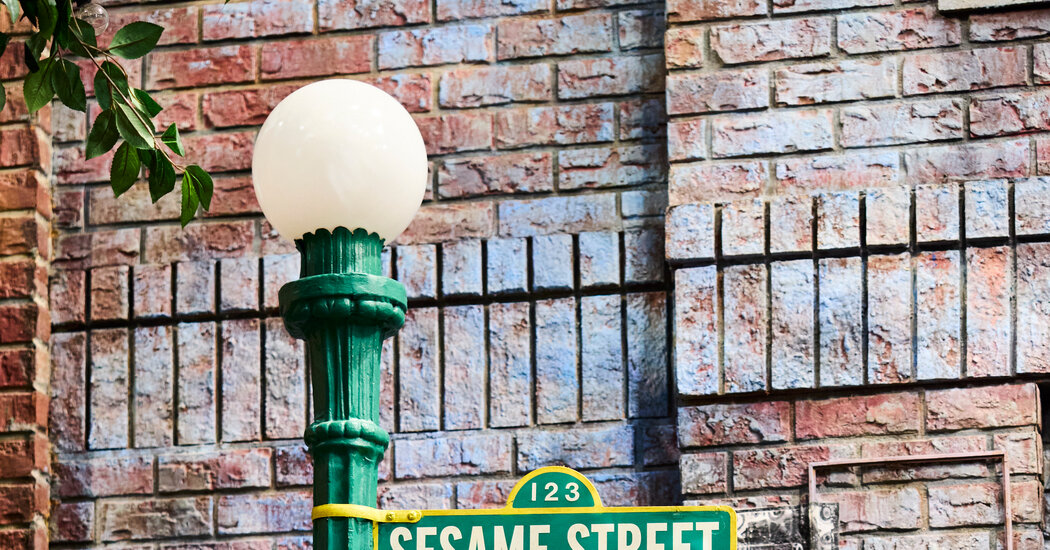
Urban Design Principles in 'Sesame Street'

The article explores the urban design and cultural significance of 'Sesame Street,' highlighting its realistic yet idealistic portrayal of city life, its evolution over decades reflecting changes in New York City, and its roots in urbanist principles and social commentary. Despite challenges like funding cuts and gentrification, the show remains a beloved cultural icon that embodies community, diversity, and urban authenticity.

urban-planning1 year ago

"Designing Walkable Cities: Simple Ideas to Get Us Moving More Every Day"

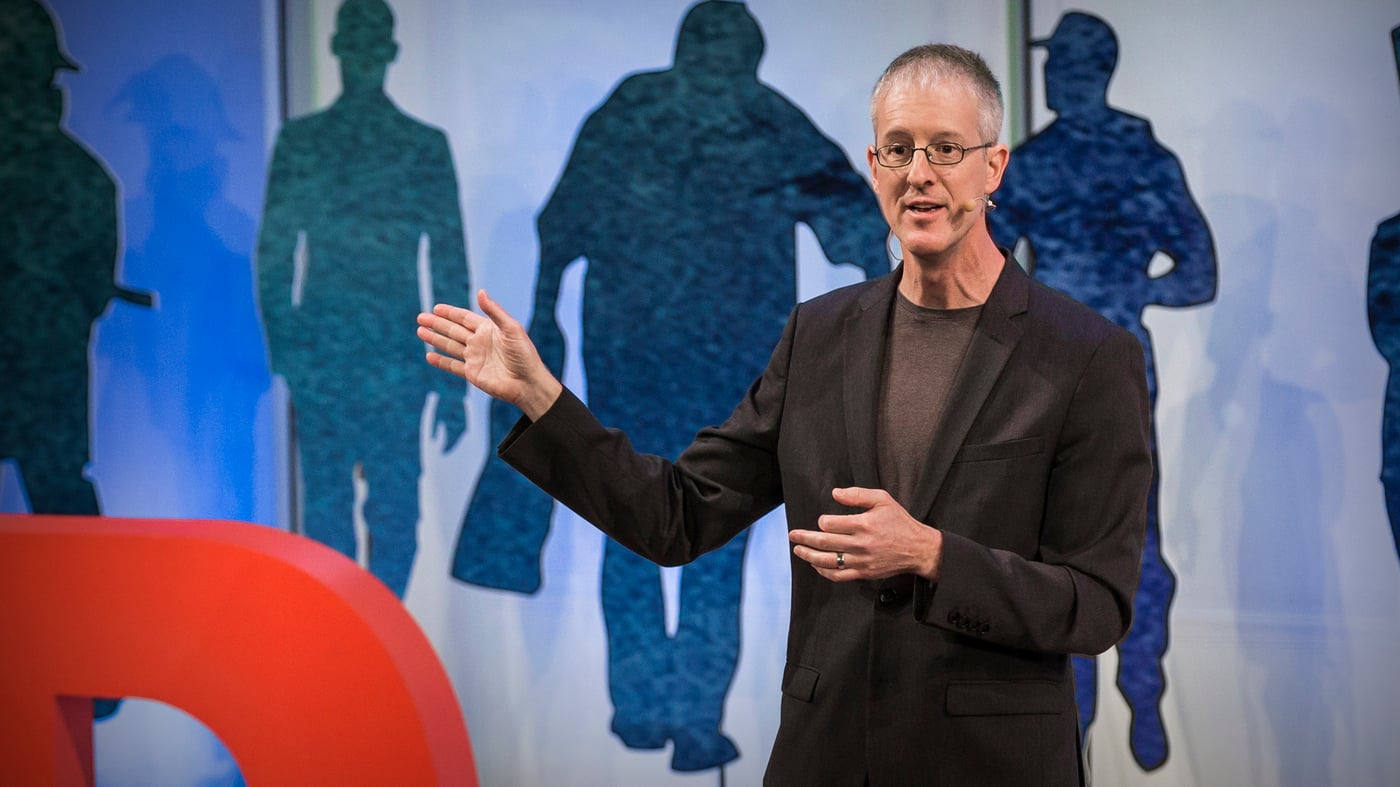
Urban planner Jeff Speck advocates for creating more walkable cities in the U.S. by ensuring that essential amenities such as shops, parks, and schools are within walking or biking distance of homes. As the principal at the urban design firm Speck Dempsey, he has been instrumental in promoting a walkable lifestyle and has authored books on the subject. His work includes overseeing programs aimed at combating suburban sprawl and advocating for downtown revitalization.

environment1 year ago

"Sponge City: The Designer's Urban Transformation Mission"

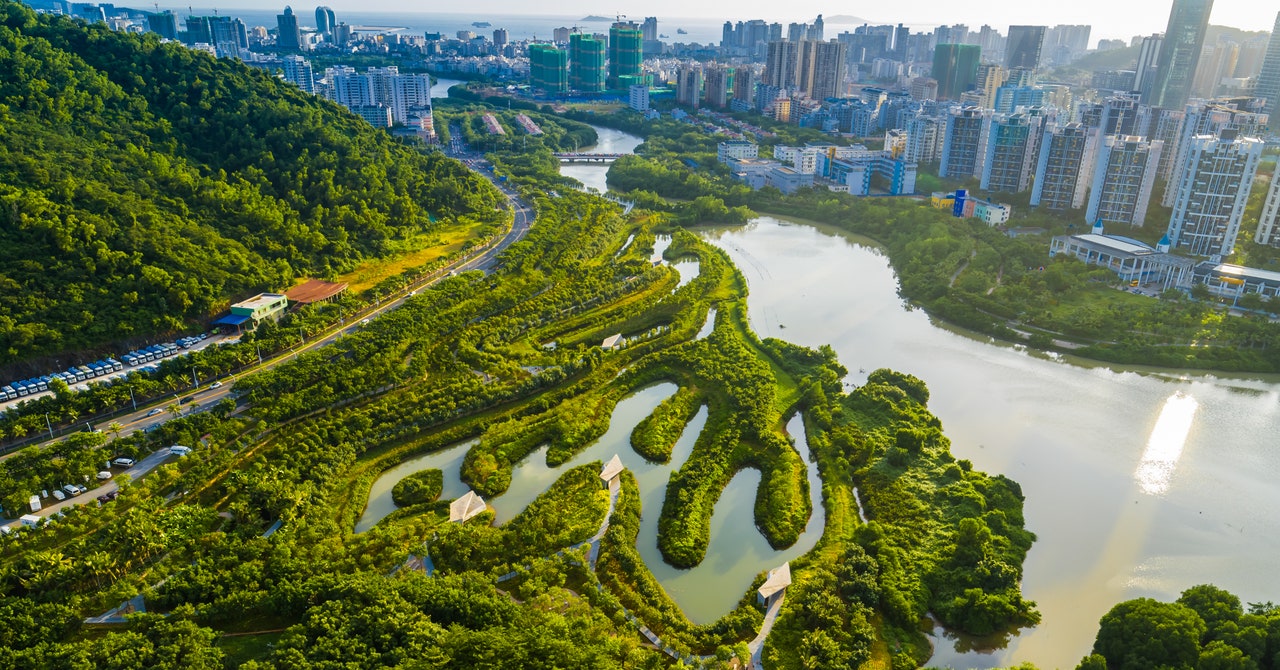
Kongjian Yu, a landscape architect, is pioneering the concept of sponge cities, which aim to capture stormwater instead of disposing of it. By slowing down the flow of water and allowing it to soak into the Earth using rain gardens, spreading grounds, permeable pavers, and urban wetlands, sponge cities can reduce flooding, refill aquifers, and adapt to climate change. This nature-based, holistic solution can be implemented at various scales, from personal to community to regional, and offers benefits such as aquifer recharge, biodiversity support, and heat reduction. Yu emphasizes the need to shift from conventional gray infrastructure to green alternatives and change the business model and policy to prioritize nature-based solutions for managing water in a warming climate.

architecture1 year ago

"Riken Yamamoto: 2024 Pritzker Prize Winner for Community-Centric Architecture"

Japanese architect Riken Yamamoto has been named the 2024 Pritzker Architecture Prize Laureate for his innovative approach to blurring the boundaries between public and private spaces, creating architecture that fosters community engagement and societal interaction. His built works, spanning five decades, are located across Japan, China, Korea, and Switzerland, and include private residences, public housing, schools, institutions, civic spaces, and city planning. Yamamoto's commitment to community engagement and his belief in the importance of societal relationships have earned him this prestigious recognition.

urban-planning2 years ago

"The Line: Saudi Arabia's Urban Marvel or Nightmare?"

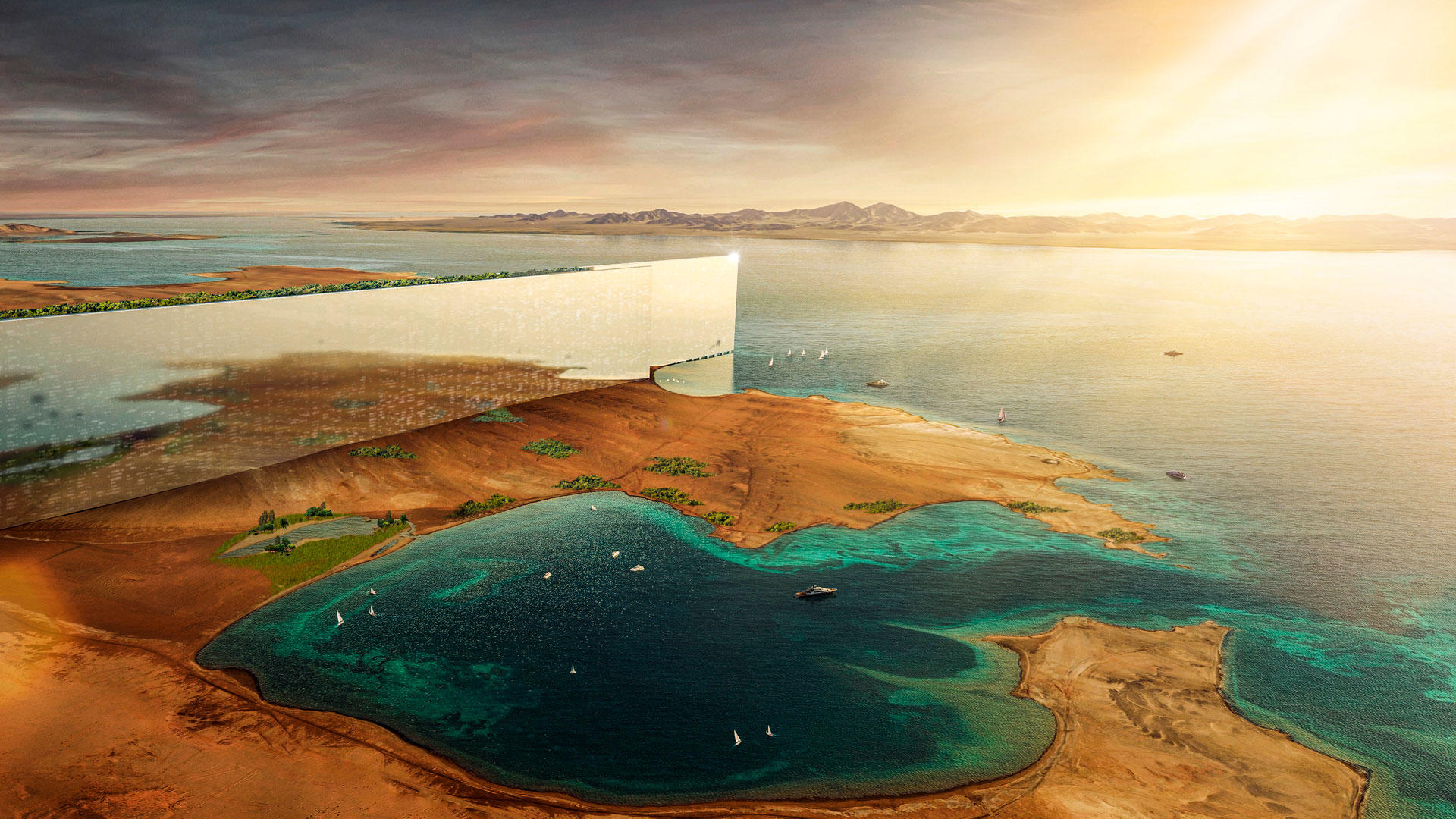
The Line, a planned city in Saudi Arabia, has been criticized by researchers from the Complexity Science Hub for its linear design, which they argue is inefficient and hinders active mobility. The city's population density is expected to be ten times that of Manhattan, with a high-speed rail system planned for transportation. However, the researchers suggest that a circular design, like The Circle, would be more efficient and allow for better connectivity without the need for supertall buildings. While The Line has sparked discussions about urban forms and sustainability, there are concerns about its construction and long commutes.

science-and-environment2 years ago

The Earth Without Humans: One Year Later.

If humans suddenly disappeared from the world, the first thing noticeable would be the silence. After a year, the sky would be bluer, the air clearer, and the wind and rain would scrub clean the surface of the Earth. Without people, water systems would stop working, electricity would be gone, and homes would be dusty. Grass and weeds would grow uncontrollably, and new plants and bugs would appear. In the long term, concrete structures would crack, bridges would rust, and dams and levees would erode. The world would still be recognizable in a thousand years, but it would reveal how much humans have impacted the Earth and how much constant upkeep is required to keep civilization working.

architecture2 years ago

"Tivoligasse's Woody M Buildings: A Modern Architectural Marvel"

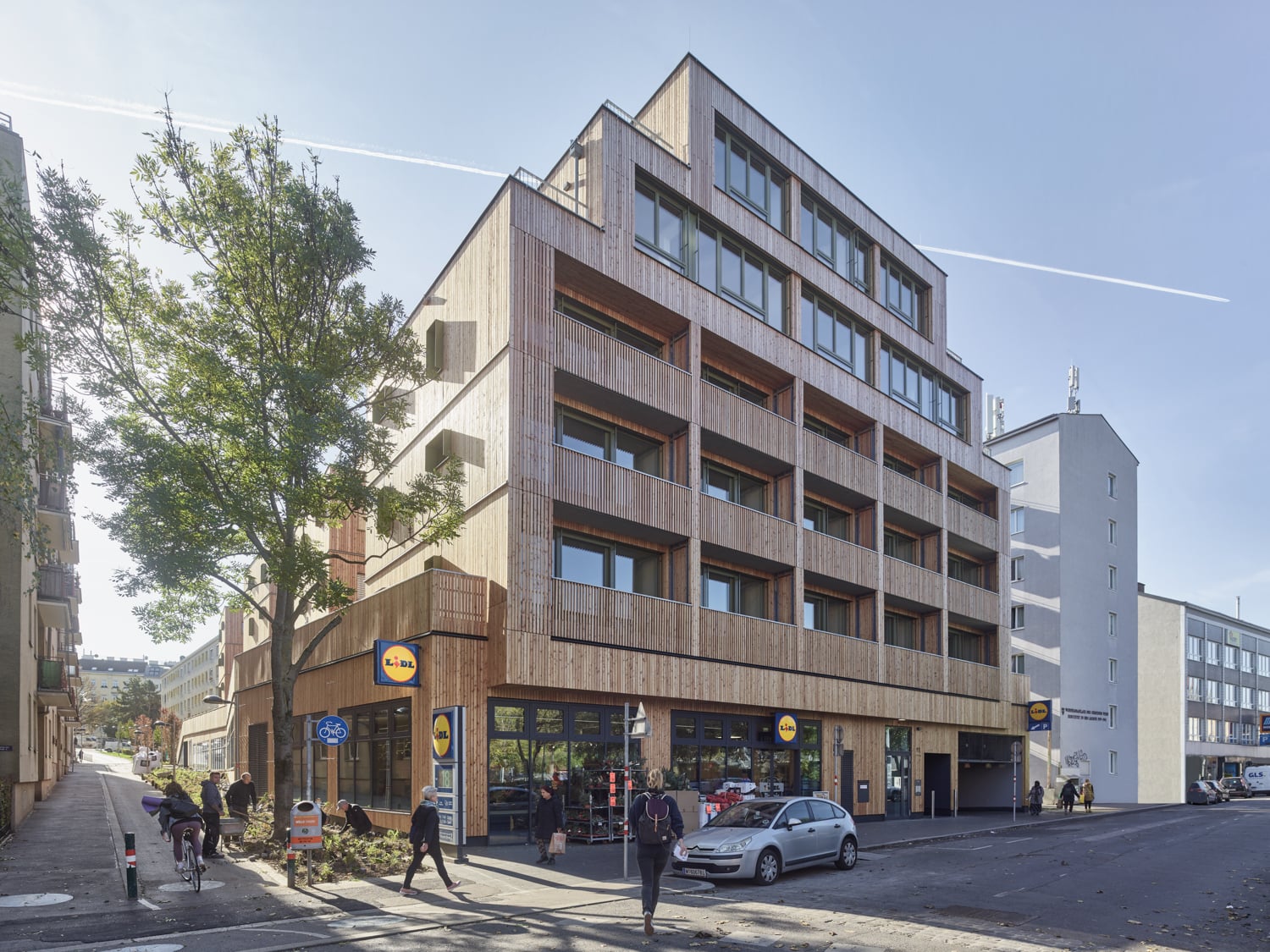
The Woody M Buildings Tivoligasse in Vienna, designed by Freimüller Söllinger Architektur, is a mixed-use residential building with 85 apartments, a parking garage, and a supermarket in its base. The building is constructed entirely of solid wood and features landscaped gardens and green open spaces for residents and the public. The stepped wooden houses are positioned to allow maximum privacy for residents while also providing quality terraces and urban vistas. The innovative construction and materials used in the building are sustainable and allow for the dismantling of the building once necessary.

urban-planning2 years ago

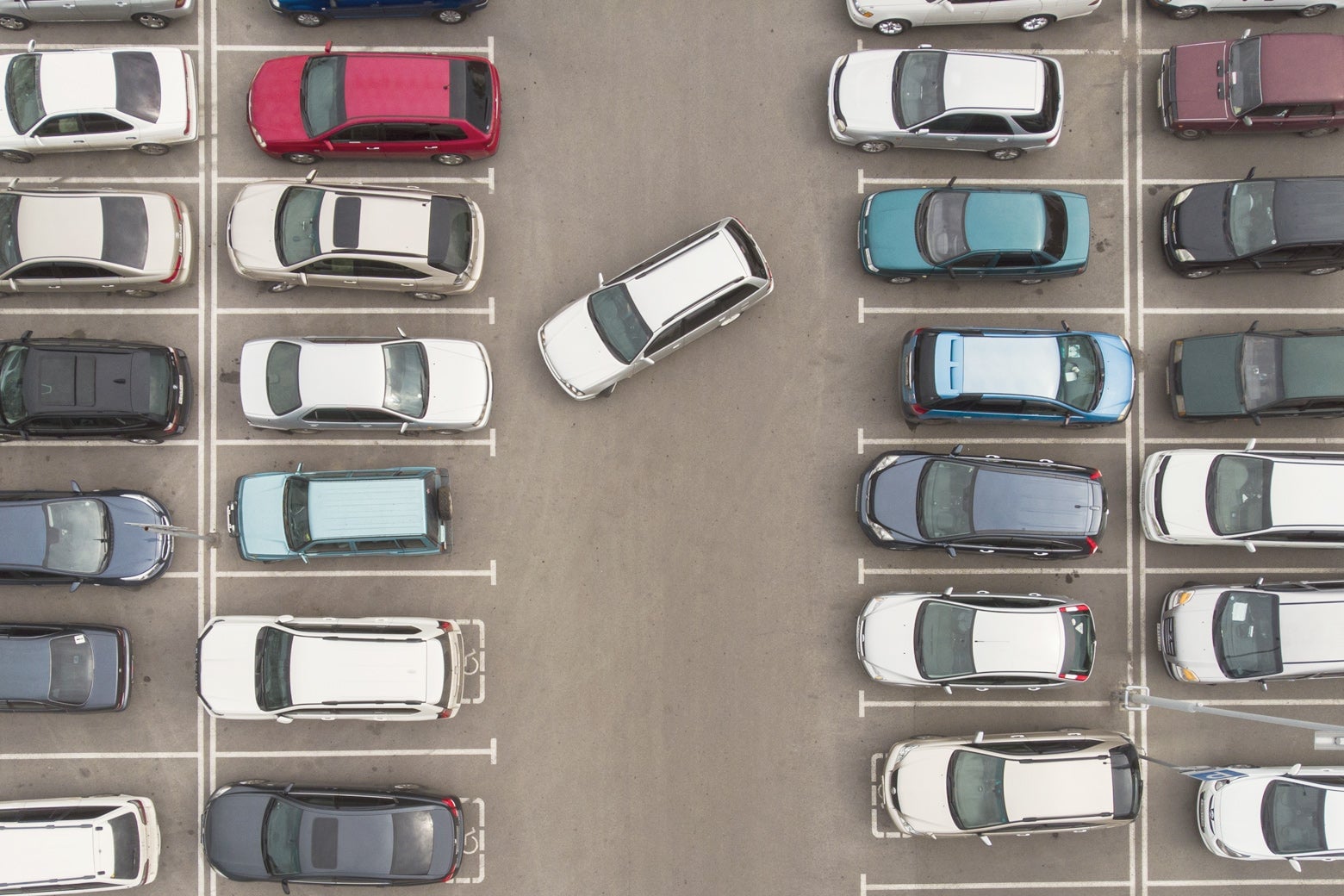
The Parking Dilemma: Reforming Minimums for a Greener Future.

Despite the abundance of parking spaces in the US, finding a spot can be difficult due to oversupply, lack of information, and the expectation of free and convenient parking. The fear of a parking shortage often leads to the construction of expensive new garages, which can cost up to $100,000 per spot. Parking consultant Jane Wilberding suggests undervaluing parking, sharing parking spaces, and providing clear information on parking locations. Donald Shoup, a parking scholar, argues that pricing the curb correctly can reduce traffic and encourage alternative modes of transportation. Seaside, Florida, a popular vacation destination, has successfully managed parking demand with shared, priced parking, and has even reduced its parking supply to create a pedestrian plaza.