urban-planning4.02 min read
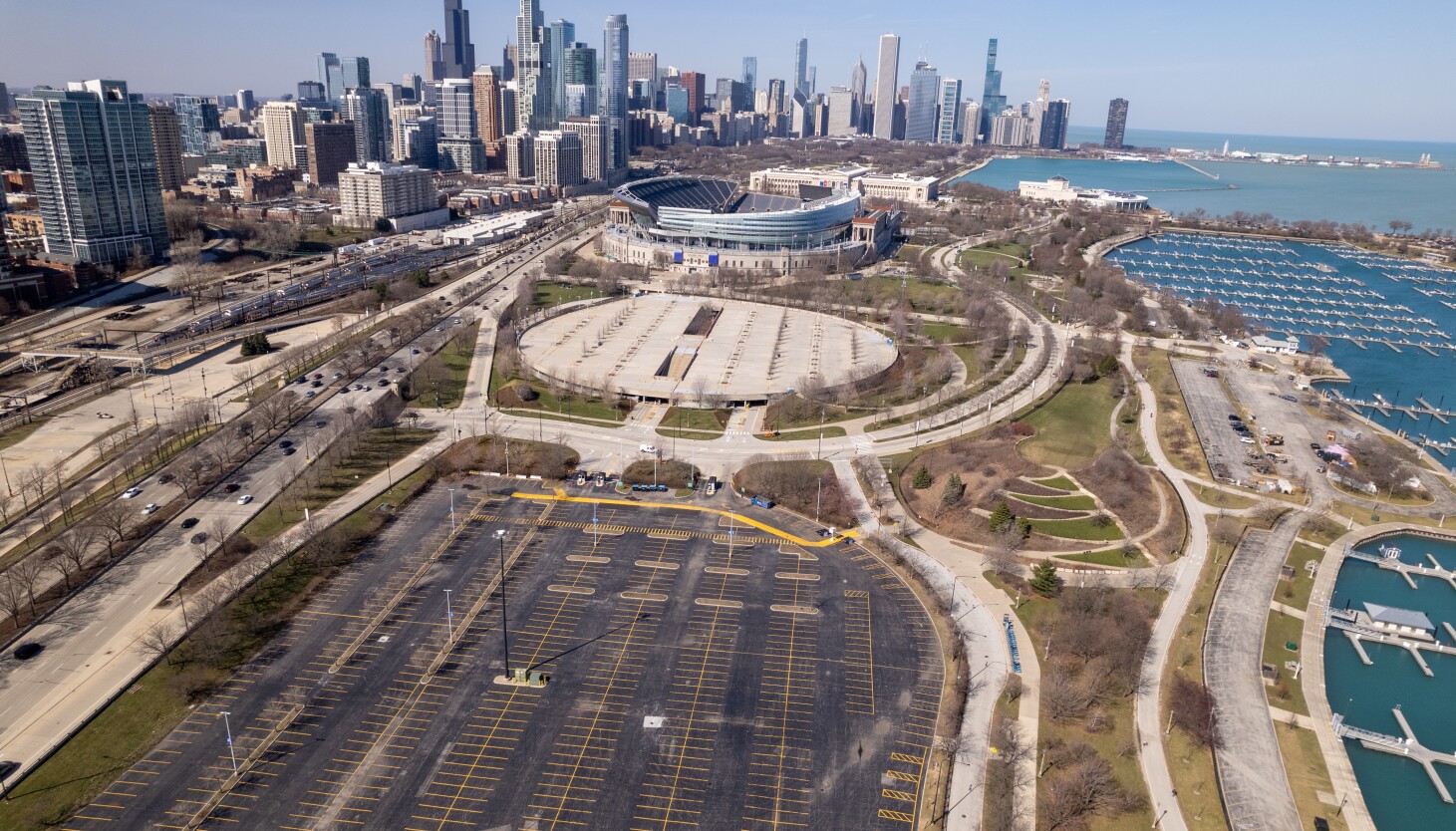
"Chicago Bears' Stadium Saga: Navigating Lakefront Plans and Leadership"
1 year ago•Source: Chicago Sun-Times

The latest urban planning stories, summarized by AI

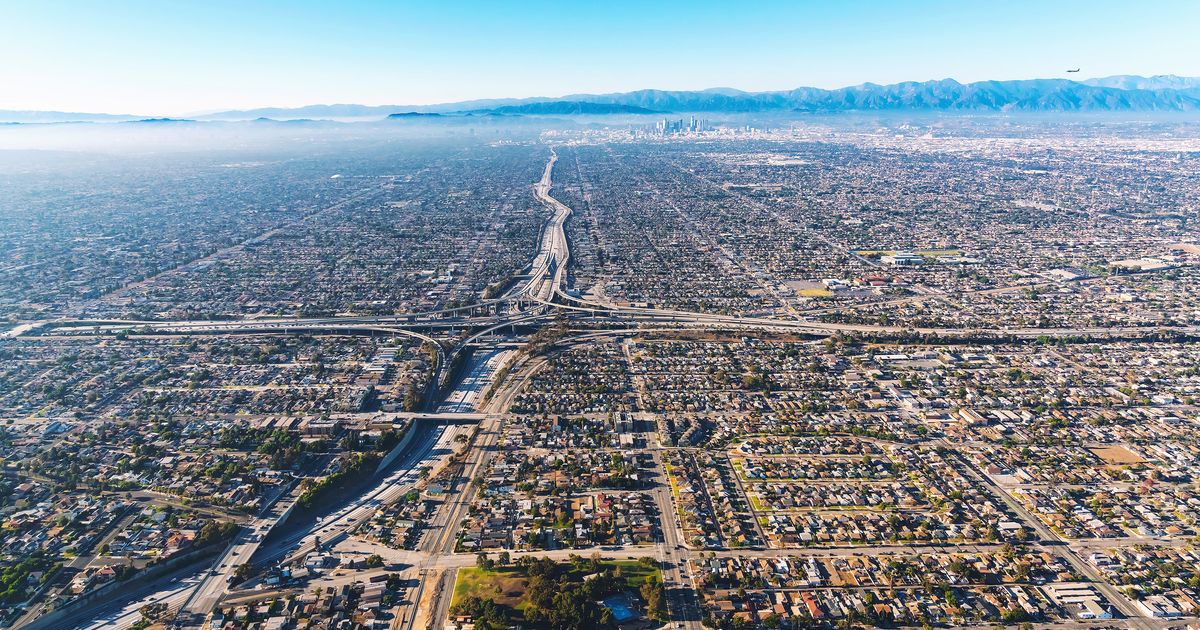
Urban planner Jeff Speck advocates for creating more walkable cities in the U.S. by ensuring that essential amenities such as shops, parks, and schools are within walking or biking distance of homes. As the principal at the urban design firm Speck Dempsey, he has been instrumental in promoting a walkable lifestyle and has authored books on the subject. His work includes overseeing programs aimed at combating suburban sprawl and advocating for downtown revitalization.
The Washington Post•2 years ago
SciTechDaily•2 years ago

Researchers from the Complexity Science Hub argue that Saudi Arabia's ambitious urban construction project, "The Line," is not a revolutionary model for future cities. They highlight concerns about the city's linear design, which hinders active mobility and necessitates heavy reliance on public transportation. The researchers propose that a circular design, "The Circle," would offer better connectivity and allow for more active mobility options. They emphasize the importance of public engagement in urban design and raise questions about the sustainability and practicality of The Line as a showcase for modern building and urban planning technologies.
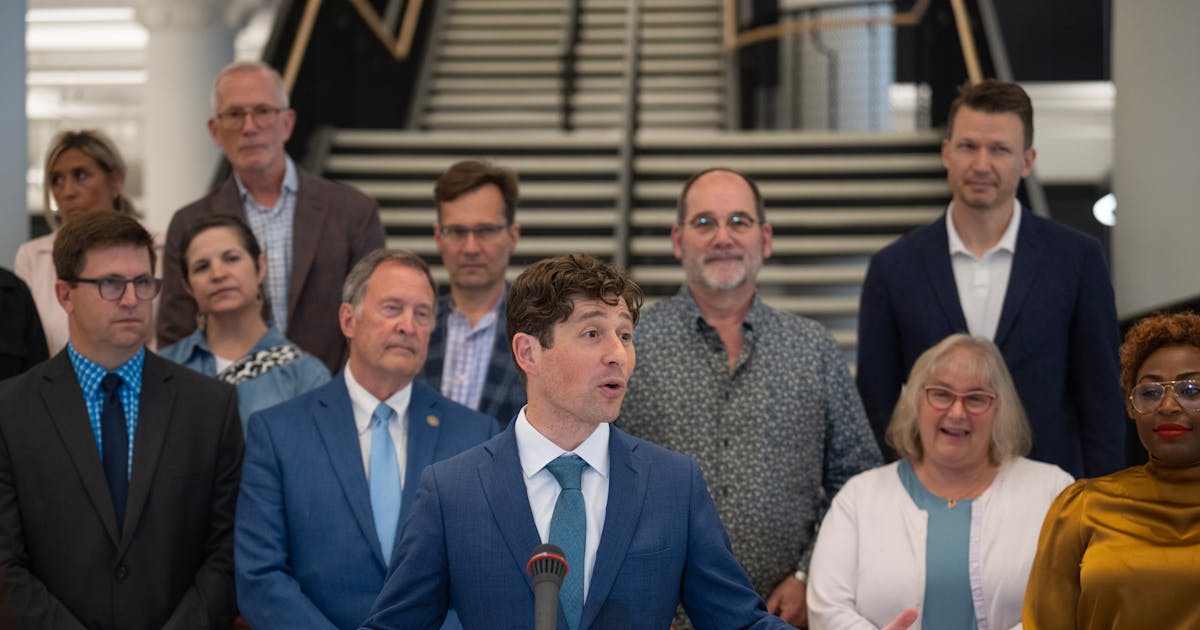
Minneapolis officials are considering a proposal to ban buses from Nicollet Mall, a popular pedestrian shopping area, and to loosen liquor laws to allow for more outdoor dining and drinking. The proposal is part of a larger effort to revitalize the downtown area and make it more attractive to visitors and businesses. Some residents and business owners have expressed concerns about the potential impact on public transportation and safety, but supporters argue that the changes could help boost the local economy and create a more vibrant urban environment.
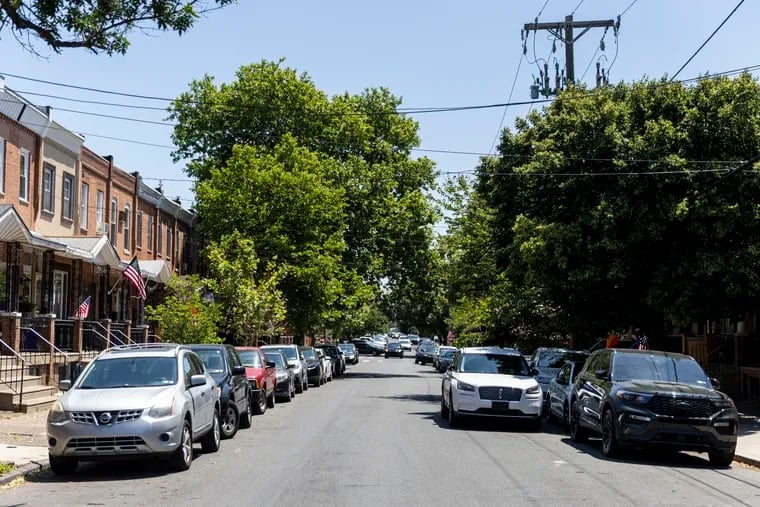
American cities' obsession with parking has led to more driving, less walkability, and limited affordable housing. Parking requirements have also hindered the fight against climate change. However, cities that have abolished parking laws have seen developers still build parking, but often less than required. Transit agencies need to rethink their mission to help people live without cars. The reduction of parking availability or raising prices often falls on working-class people, pushing them to places where they have to drive. To mitigate this, cities can issue parking permits to long-time residents and grandfather them in, while also making sure new residents have access to parking.
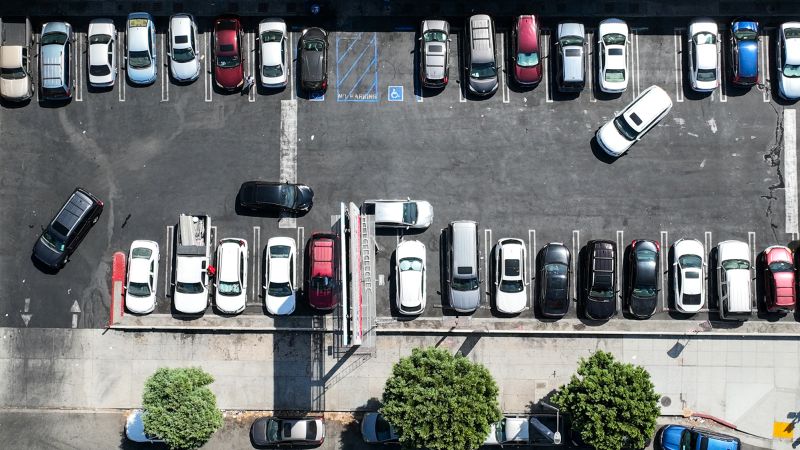
Mandatory minimum parking requirements in cities have led to bigger parking lots, increased traffic congestion, carbon emissions, and made cities less walkable. A growing number of cities and towns are now reforming their parking rules, with some eliminating parking minimums for new affordable residential, retail, industrial, and commercial construction. Scrapping minimum parking requirements could help reinvent public spaces and address the lack of affordable housing. Instead of developers setting aside land to build parking, it could be turned into smaller apartment complexes.
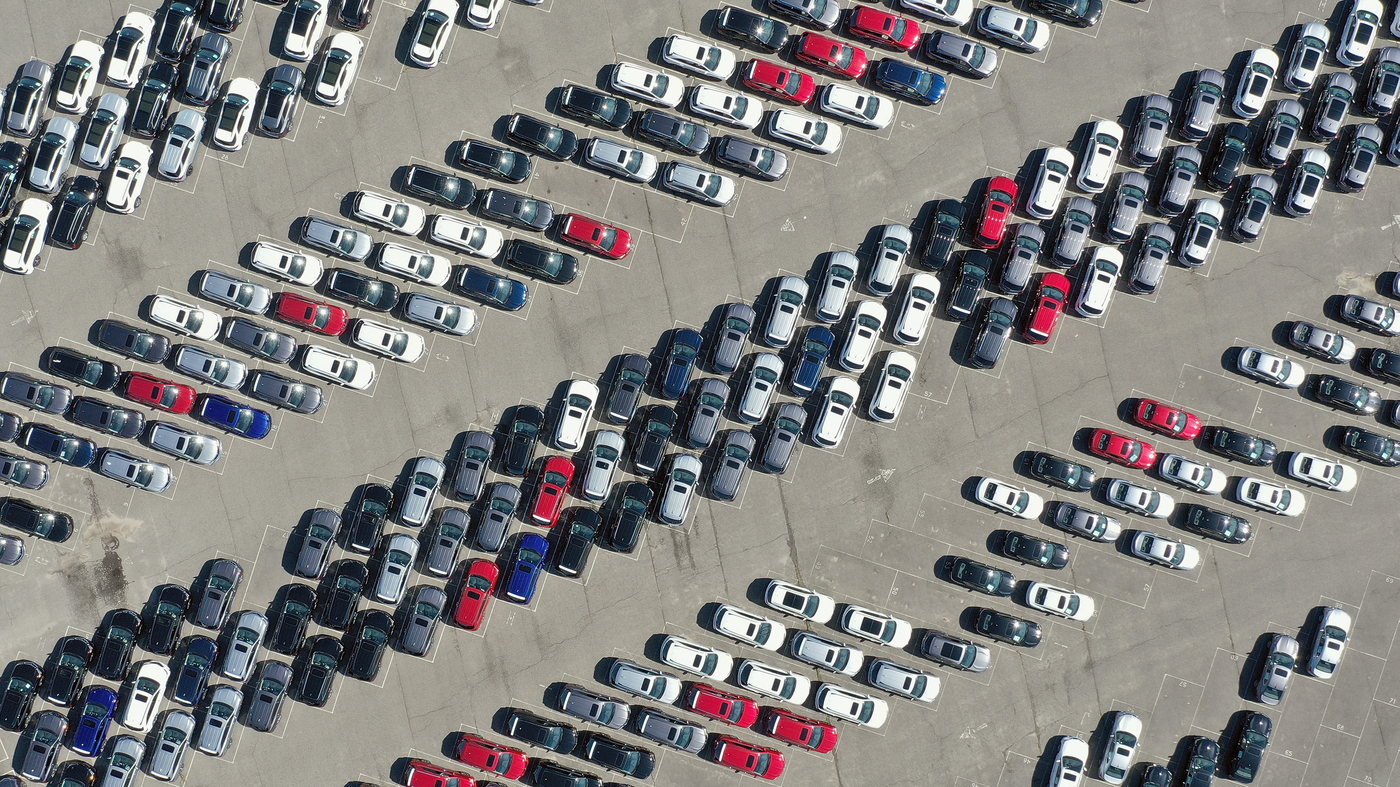
Excess parking in the US is upending cities and lives, sacrificing front porches, affordable housing, and time spent looking for a spot. By square footage, there is more housing for each car than there is for each person. Building permits require a minimum number of parking spaces, but not for housing proposals, leading to a vicious cycle of more parking and driving. To create more walkable communities that are affordable, parking needs to be less of a priority.
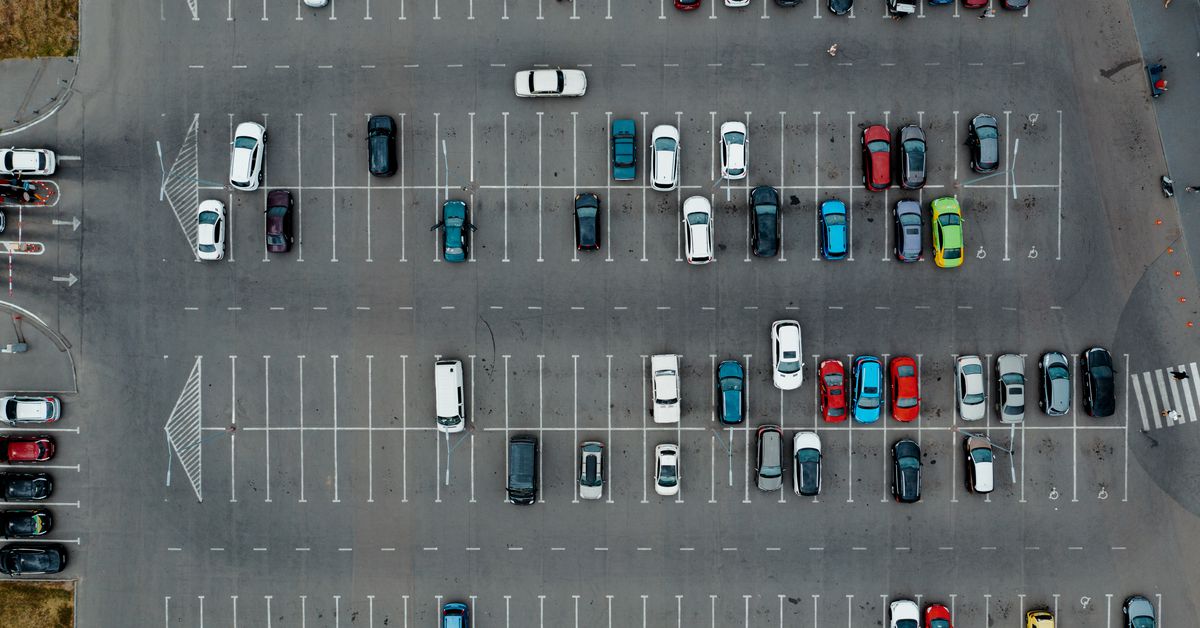
Parking is a hidden force that shapes our lives in the United States, determining the kinds of homes we live in, the communities we build, and how we interact with our built environments. Zoning requirements requiring off-street parking for new construction strangle new development and help fuel the affordable housing crisis. There are at least four parking spaces for every car in the United States, meaning that the parking stock is never more than 25 percent full at any given time. The solution is to more intelligently manage the parking that we have and try and find ways to control demand for parking by sharing it, pricing it, and telling people where it is.
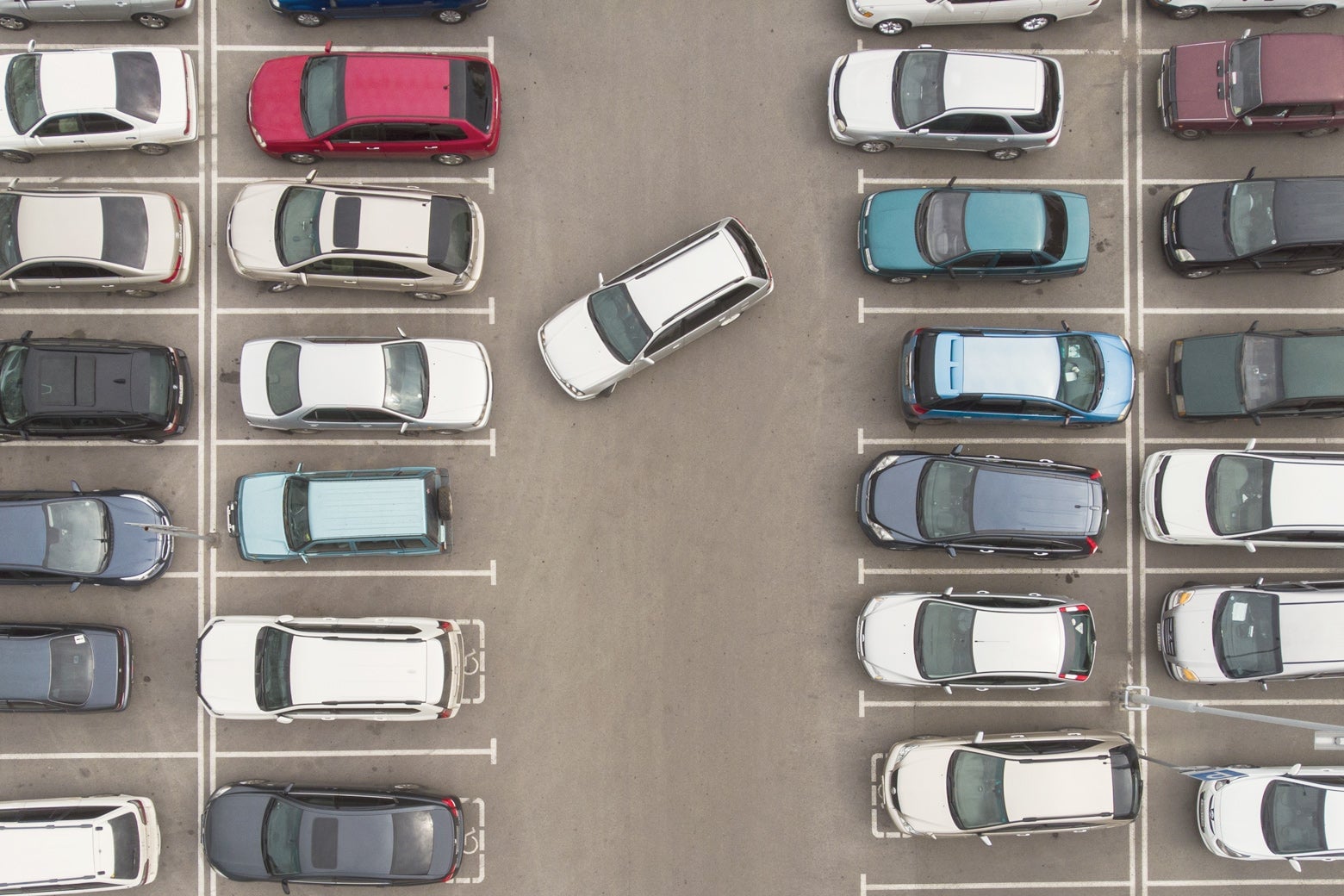
Despite the abundance of parking spaces in the US, finding a spot can be difficult due to oversupply, lack of information, and the expectation of free and convenient parking. The fear of a parking shortage often leads to the construction of expensive new garages, which can cost up to $100,000 per spot. Parking consultant Jane Wilberding suggests undervaluing parking, sharing parking spaces, and providing clear information on parking locations. Donald Shoup, a parking scholar, argues that pricing the curb correctly can reduce traffic and encourage alternative modes of transportation. Seaside, Florida, a popular vacation destination, has successfully managed parking demand with shared, priced parking, and has even reduced its parking supply to create a pedestrian plaza.