Tag

Civilization

All articles tagged with #civilization

"Memoriapolis: Build and Control Your Historical Metropolis Across Four Eras"

Originally Published 1 year ago — by PCGamesN

Featured image for "Memoriapolis: Build and Control Your Historical Metropolis Across Four Eras"
Source: PCGamesN

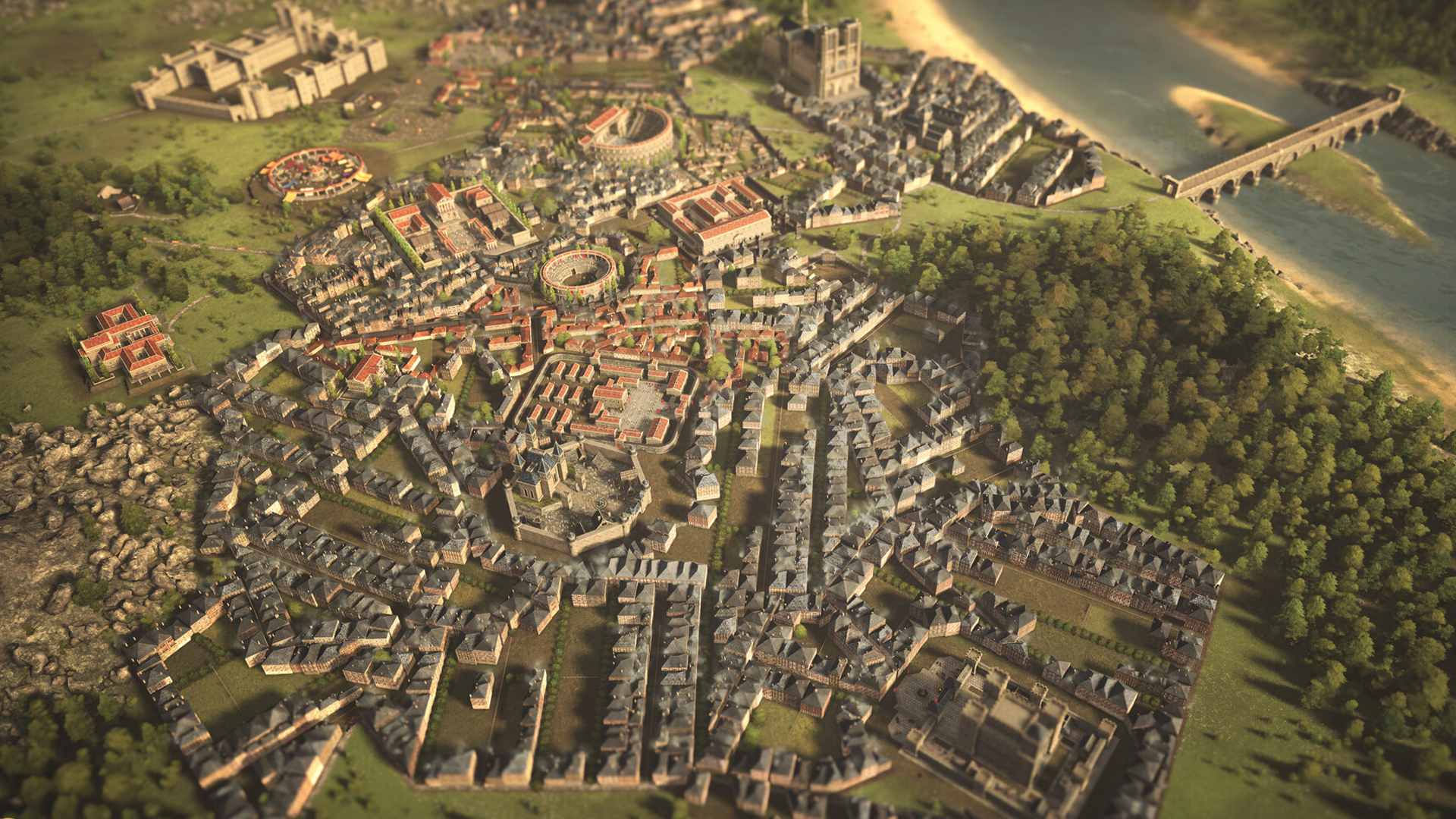
Memoriapolis is a new historical city builder that spans four distinct historical ages, challenging players to navigate crises and manage their city's growth. The game focuses on organic city development, with players making crucial policy decisions that impact the city's economy and politics. Memoriapolis is set to enter Steam Early Access soon, offering a unique blend of high-concept mechanics and city-building gameplay.

"Exploring Millennia: A Game-Changer in 4X Strategy"

Originally Published 1 year ago — by IGN

Featured image for "Exploring Millennia: A Game-Changer in 4X Strategy"
Source: IGN

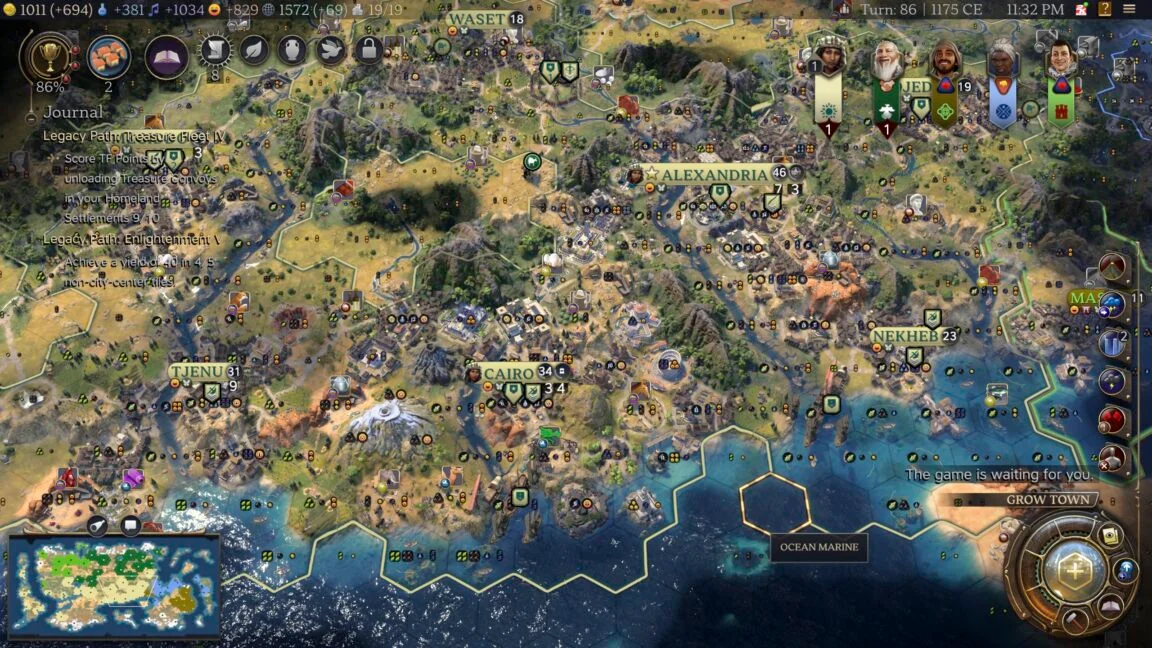
Millennia, a turn-based empire-builder similar to Civilization, struggles with a flawed tile economy, limited city development, confusing resource management, and performance issues in the late game. While it introduces interesting concepts like alternate ages and city needs, the lack of differentiation between nations and outdated graphics detract from the overall experience.

"Trapped Intelligent Civilizations: A Cosmic Conundrum"

Originally Published 1 year ago — by Universe Today

Featured image for "Trapped Intelligent Civilizations: A Cosmic Conundrum"
Source: Universe Today

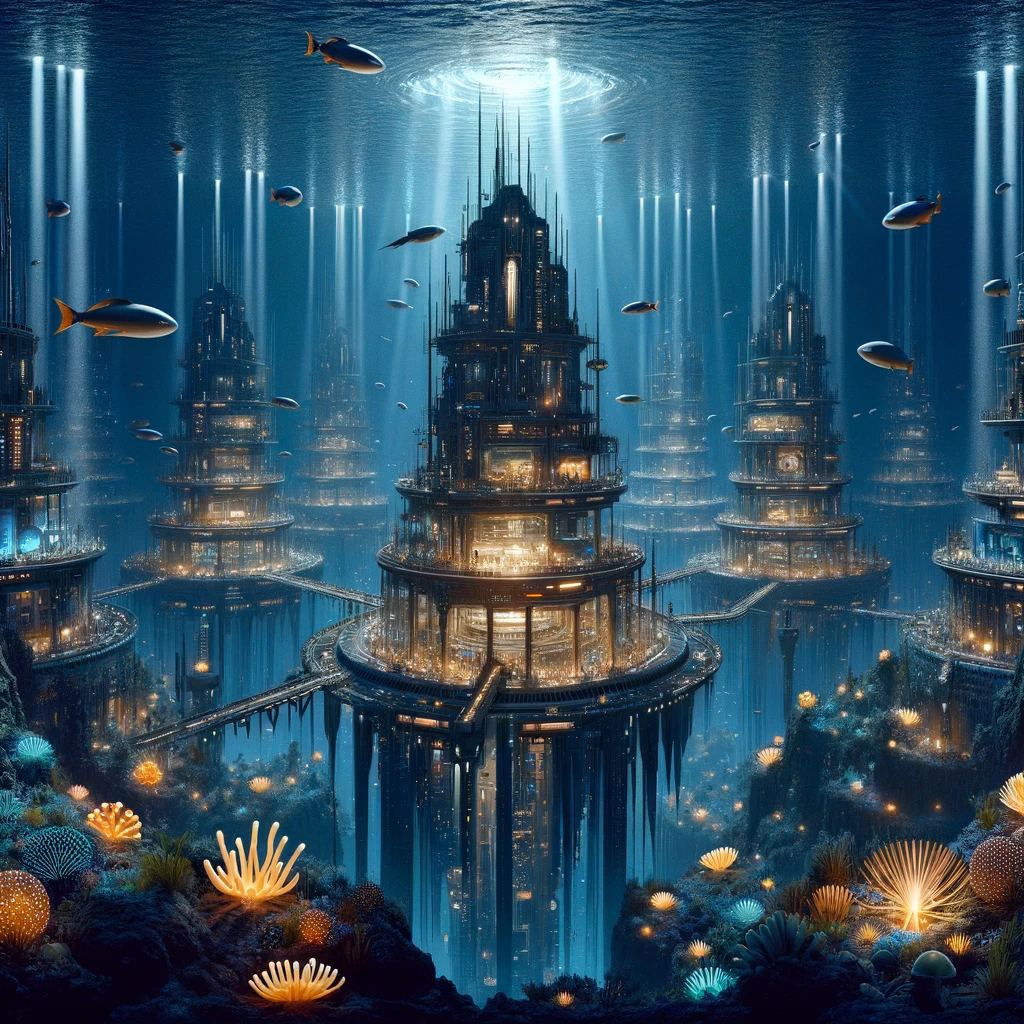
A new article in the Journal of the British Interplanetary Society introduces the concept of the Exoplanet Escape Factor and Fishbowl Worlds, which explore the ability of civilizations on other planets to explore their solar systems. The research suggests that civilizations on high-mass planets may be physically unable to escape their worlds, leading to the idea of inescapable "Fishbowl Worlds" where space travel is impractical. This raises questions about whether entire civilizations could rise and fall without ever knowing the Universe beyond their planet.

"Discovery of Massive Ancient Amazon City"

Originally Published 2 years ago — by BBC.com

Featured image for "Discovery of Massive Ancient Amazon City"
Source: BBC.com

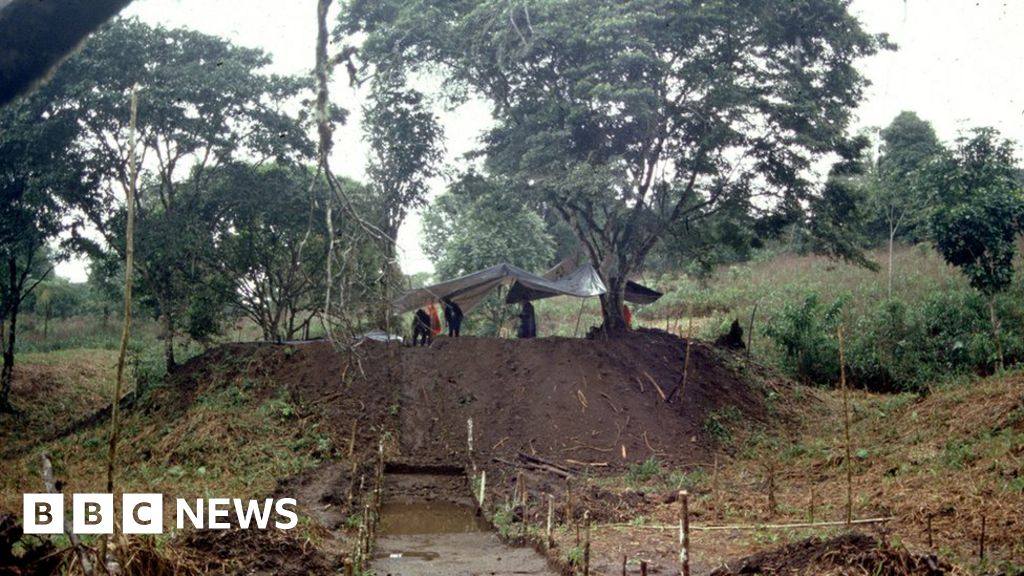
A massive ancient city, dating back 2,500 years and hidden in the Amazon, has been discovered by scientists in eastern Ecuador. The city, with evidence of 6,000 mounds thought to be ancient homes, challenges previous beliefs about the history of people living in the Amazon. The discovery reveals a complex urban society with a network of roads, canals, and ceremonial platforms, suggesting a population in the tens of thousands. This finding changes the way we understand Amazonian cultures and highlights the need to reevaluate our ideas about ancient civilizations in the region.

Unearthing the World's Hidden Megalopolis

Originally Published 2 years ago — by IFLScience

Featured image for Unearthing the World's Hidden Megalopolis
Source: IFLScience

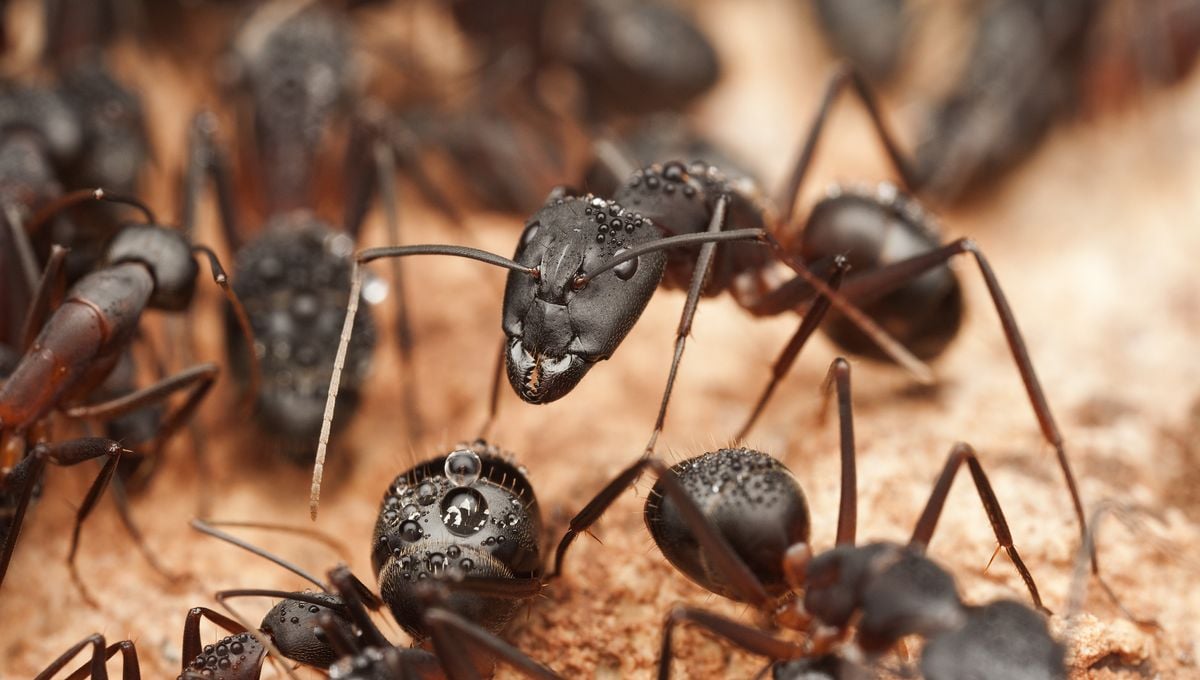
Ants, the most numerous and overlooked animal group on Earth, may have created the largest civilization right under our feet. With roughly 12,000 species, ants live in socially complex colonies and exhibit remarkable capabilities as a social group. They make up one-third of the animal biomass in the Amazon rainforest and have a caste system with specialized roles. Ants are farmers, protectors, builders, and even engage in behaviors like necrophoresis. They have no government or direct leadership, yet have persisted longer and more successfully than many other species. Ants may be the pioneers of one of the greatest civilizations on Earth.

The Earth Without Humans: One Year Later.

Originally Published 2 years ago — by IFLScience

Featured image for The Earth Without Humans: One Year Later.
Source: IFLScience

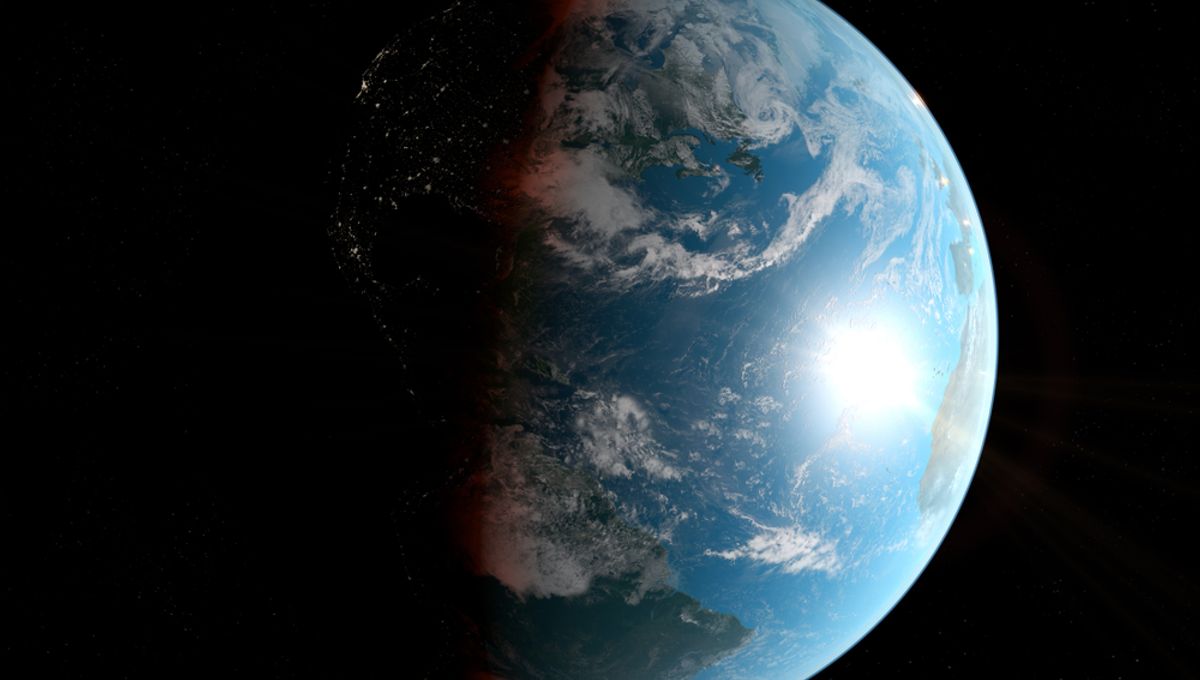
If humans suddenly disappeared from the world, the first thing noticeable would be the silence. After a year, the sky would be bluer, the air clearer, and the wind and rain would scrub clean the surface of the Earth. Without people, water systems would stop working, electricity would be gone, and homes would be dusty. Grass and weeds would grow uncontrollably, and new plants and bugs would appear. In the long term, concrete structures would crack, bridges would rust, and dams and levees would erode. The world would still be recognizable in a thousand years, but it would reveal how much humans have impacted the Earth and how much constant upkeep is required to keep civilization working.