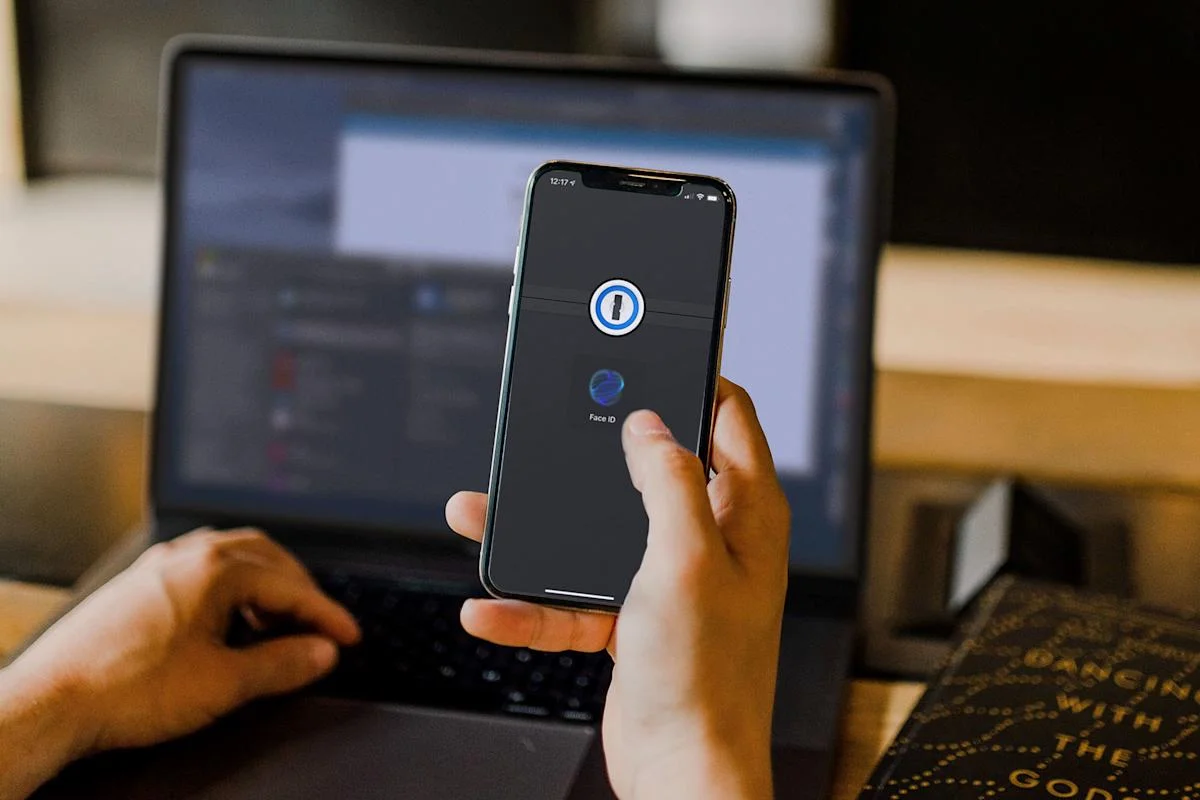
1Password is raising the annual cost of its individual and family plans, with the individual rate jumping from about $36 to $48 per year and the family plan from $60 to $72; the new prices apply at the next renewal after March 27. It’s the biggest price increase in years, though the service remains a leading password manager and occasional discounts may still appear.
1Password will raise prices for both individual and family plans starting with renewals after March 27, 2026: individual plans rise from $3.99 to $4.99 per month and family plans from $6.95 to $7.99 per month, with the company saying the increase funds ongoing innovation and security. The upgrade also notes new features like saving logins and payment details, phishing protection, and faster device setup, and the price change takes effect at the next renewal after March 27.
Samsung is reportedly expanding its foldable lineup with two devices: the premium Galaxy Z Fold 8 and a cheaper model, featuring wider, more durable designs and software upgrades (Android 17, One UI 9), plus planned production of millions to drive mainstream adoption without large price increases.
Early hands-on with Lego's Star Wars Smart Play sets shows the bricks' lights and talking sounds largely underdeliver, with generic engine noises and warbling voice samples; the steep entry price (from about $70 for a starter set to around $140–$160 for additional bricks) makes the value proposition doubtful, threatening the technology's momentum unless iteration improves.
Pokémon FireRed and LeafGreen arrive on Nintendo Switch on Feb 27 as $20 ports; despite backlash over the price, Kotaku notes they’re widely regarded as the definitive GBA remakes with quality‑of‑life upgrades and new content, and they’re already topping the Switch eShop charts while fans debate pricing.
Elon Musk said the $59,990 Dual Motor AWD Cybertruck price is a temporary window that could increase depending on demand, with the 10-day period intended to test interest; the strategy may not reflect broad market awareness, and the most compelling Cybertruck variant could persist even if the price changes.
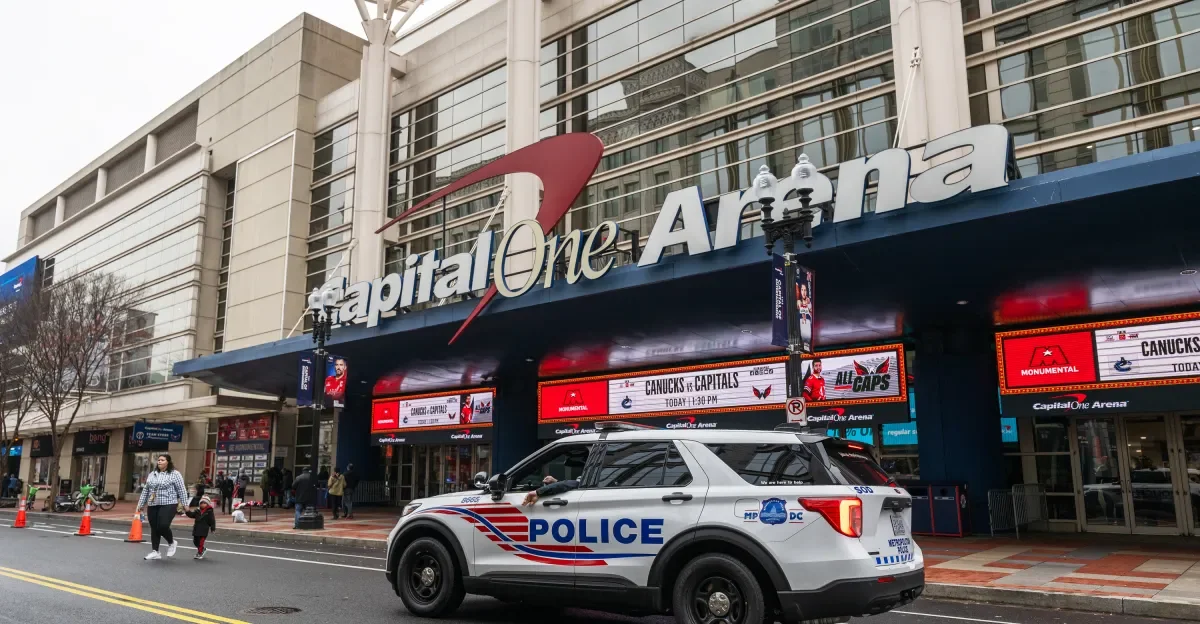
The Washington Wizards will raise season-ticket prices for the 2026-27 season by an average of 6.31%, with some sections increasing nearly 15% and 43 of the arena’s 45 price tiers affected, in tandem with Capital One Arena’s $800 million renovation. The team is expanding premium seating (Vaults and Halo planned for 2027) and revamping renewal rewards, which has drawn criticism from longtime fans amid the franchise’s historically poor performance (15-39 in its rebuild). Management says the adjustments balance accessibility with investing in a best-in-class fan experience, though no on-court guarantees are offered.
Eurogamer's Tom Orry calls Nintendo's Virtual Boy on Switch a fascinating retro time capsule that's worth experiencing, but criticizes the requirement to own a peripheral and maintain Switch Online to play, making it feel pricey and less accessible despite standout titles like Wario Land.
Ahead of Samsung's Unpacked, rumors suggest the Galaxy S26 lineup could be pricier than the S25 family, but critics say upgrades don’t justify a hike. The piece argues Samsung is delaying a final pricing decision amid rising memory costs, with regional promos varying (Europe offering free storage upgrades, India slower to confirm) and the launch appearing winged. Uncertainty remains, though there’s a slim hope US prices won’t change—pending official confirmation.
Sony plans to secure chip supplies through 2026 while monetizing its existing PS user base, signaling potential PS Plus price hikes and higher game prices to offset rising costs rather than cutting console prices.
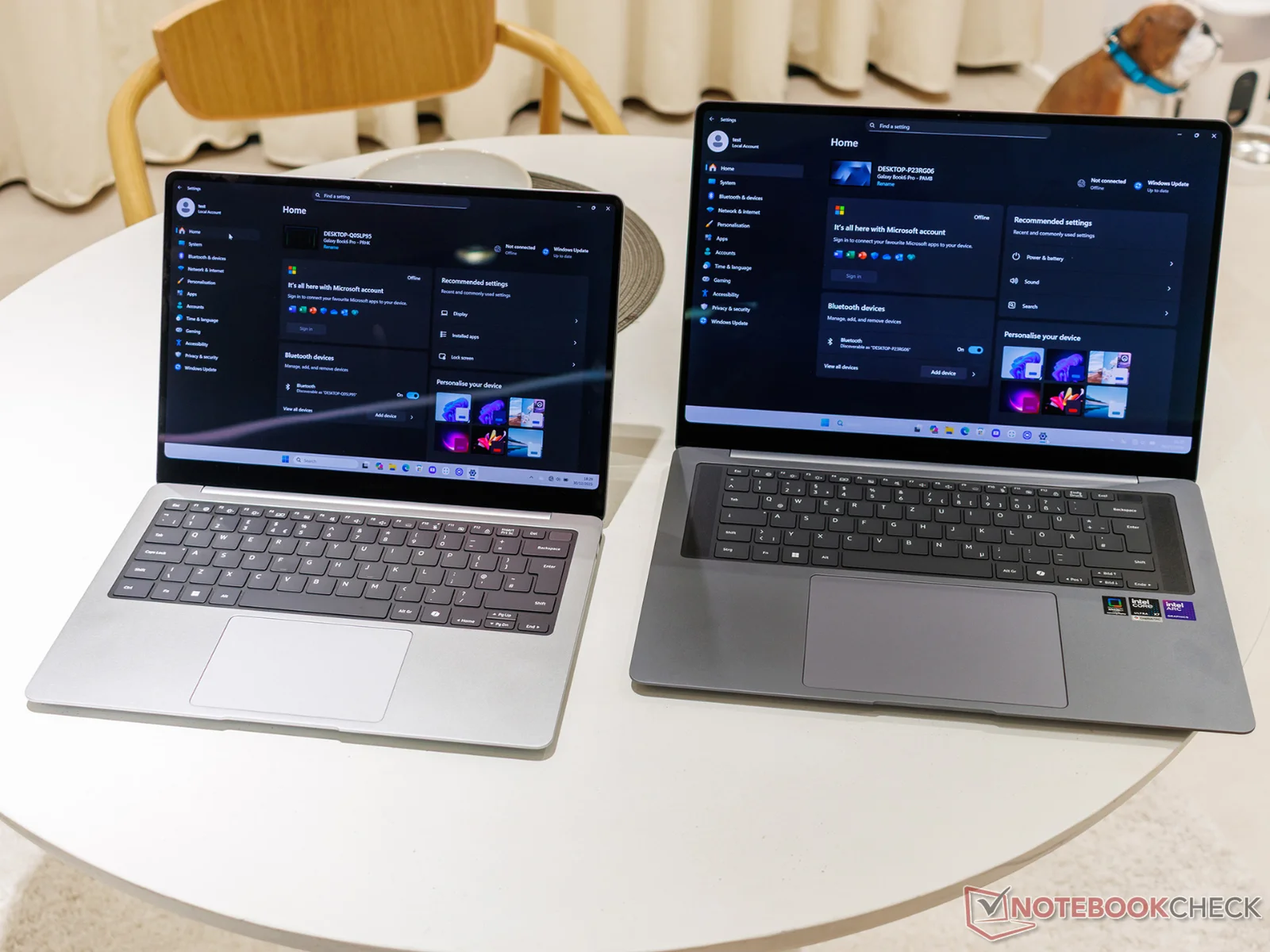
Samsung confirms updated pricing and a European rollout for the Galaxy Book6 family (Book6, Book6 Pro, and Book6 Ultra) with 14- and 16-inch options. Eurozone prices start at €1,149 for the base 14‑inch in many markets (UK base 14‑inch at £949), with 16‑inch at €1,249/£1,049 and 16‑inch touchscreen at €1,399/£1,099. Book6 Pro starts at €1,799/£1,399 (14‑inch) and €1,899/£1,499 (16‑inch); Book6 Ultra begins at €3,399/£2,999. Pre-orders open February 25, shipping begins March 11. Availability starts in Germany and the UK, then expands to Belgium, Denmark, France, Italy, Ireland, the Netherlands, Norway, Sweden and Spain, with broader expansion planned in April. All three are Intel Panther Lake‑based laptops; the Ultra will launch with an Nvidia RTX 5060 GPU and initial Intel‑only options won’t be available at launch.
Anthropic releases Claude Sonnet 4.6, its most capable Sonnet model yet, featuring a 1 million-token context window, improved safety with fewer hallucinations, and enhanced coding abilities. It’s accessible via claude.ai, Claude Cowork, and API across major cloud platforms, with free usage limits and a Pro plan at $20/month (or $17/month if billed annually). API pricing starts at $3 per million input tokens and $15 per million output tokens. In benchmarks, Sonnet 4.6 outperforms Gemini 3 Pro and GPT 5.2 on agentic financial analysis and office tasks and generally beats Opus 4.6 on many tasks, though Opus 4.6 scores higher on Humanity’s Last Exam; it’s also advertised as cheaper than Opus 4.6.
YouTube TV is gradually launching a new lineup of lower-cost, modular plans that let subscribers pick bundles (Sports, Sports + News, Entertainment, and combos), while keeping the original plan. All plans include local ABC, CBS, NBC, Fox, PBS, and The CW, with prices ranging from $54.99 to $77.99 per month depending on the package. The rollout is staged to minimize disruption and gather feedback, appealing to cost-conscious viewers who want to tailor live TV to their interests amid competition from Hulu + Live TV and Sling TV.
Real-world Galaxy S26 Plus images leak, showing a familiar S25 Plus design with a camera pill; a Craigslist listing hints a prototype could fetch $1,650, while official pricing is expected to start around $1,000 with possible small increases before Samsung's February 25 reveal.
A consumer roundup flags six large chains—Stop & Shop, Walmart, Trader Joe’s, Target, Publix, and Sam’s Club—for problematic meat departments, including mislabeling and incorrect expiration dates, inflated prices, lack of in-house butchery expertise, and issues like unrefrigerated or discolored meat. The piece suggests shoppers be vigilant, compare prices, and consider alternative retailers when buying meat.