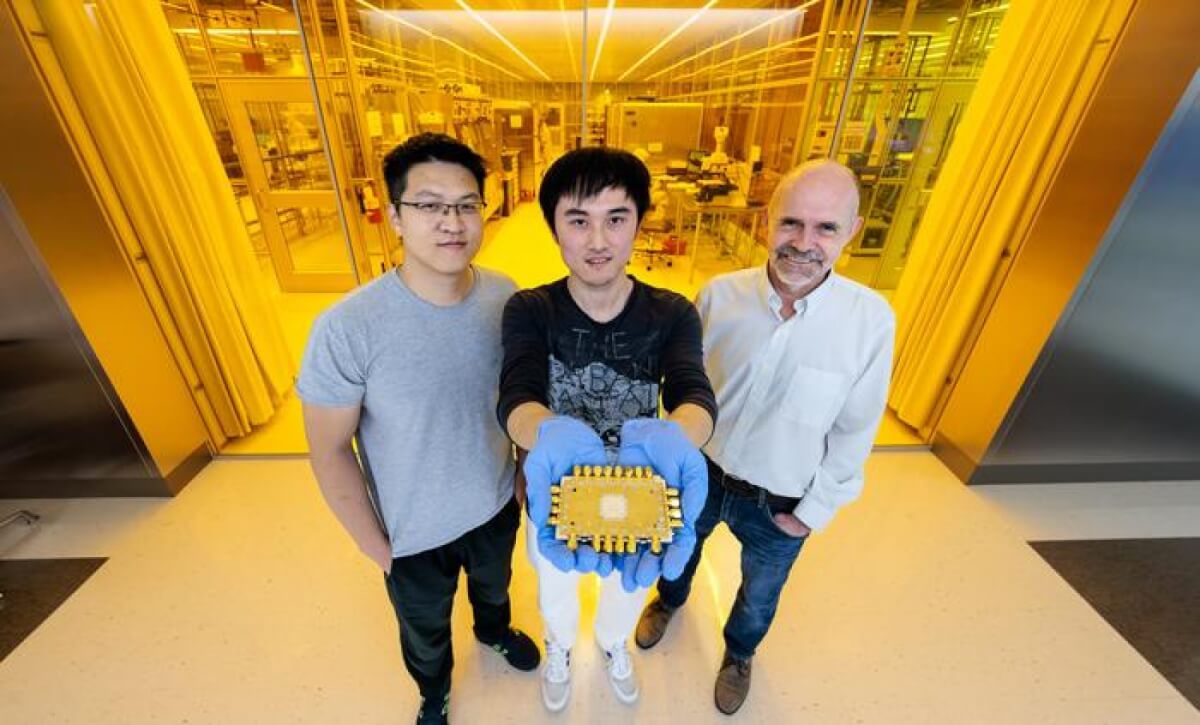
Researchers at the University of Chicago have developed a new design for a superconducting quantum processor that could significantly enhance the capabilities of quantum computers. This design features a central "router" allowing qubits to communicate more freely, addressing scalability and reliability challenges. The study, published in Physical Review X, demonstrates high gate fidelities and suggests a modular approach to quantum computing, potentially transforming fields like cryptography and telecommunications.

Dozens of University of Chicago students walked out of their commencement ceremony to protest the war in Gaza, as the school withheld diplomas of four seniors involved in a pro-Palestinian encampment. The university cited safety concerns and disruptive conduct for the disciplinary action, while students and faculty have petitioned for the degrees to be granted. Similar protests have occurred at other universities, demanding institutions cut ties with Israel.
At the University of Chicago's commencement, dozens of students protested the war in Gaza, leading to a brief disruption. The university withheld diplomas of four seniors involved in a pro-Palestinian encampment pending a disciplinary review. Despite participating in the ceremony, these students may receive their degrees later if cleared. The protest is part of a broader movement demanding universities cut ties with Israel or companies supporting its actions in Gaza.
Dozens of students protested the war in Gaza by walking out of the University of Chicago's commencement ceremony, where the school withheld diplomas of four seniors involved in a pro-Palestinian encampment. The university cited safety concerns and disruptive conduct for the disciplinary action, while students and faculty have petitioned for the degrees to be granted.
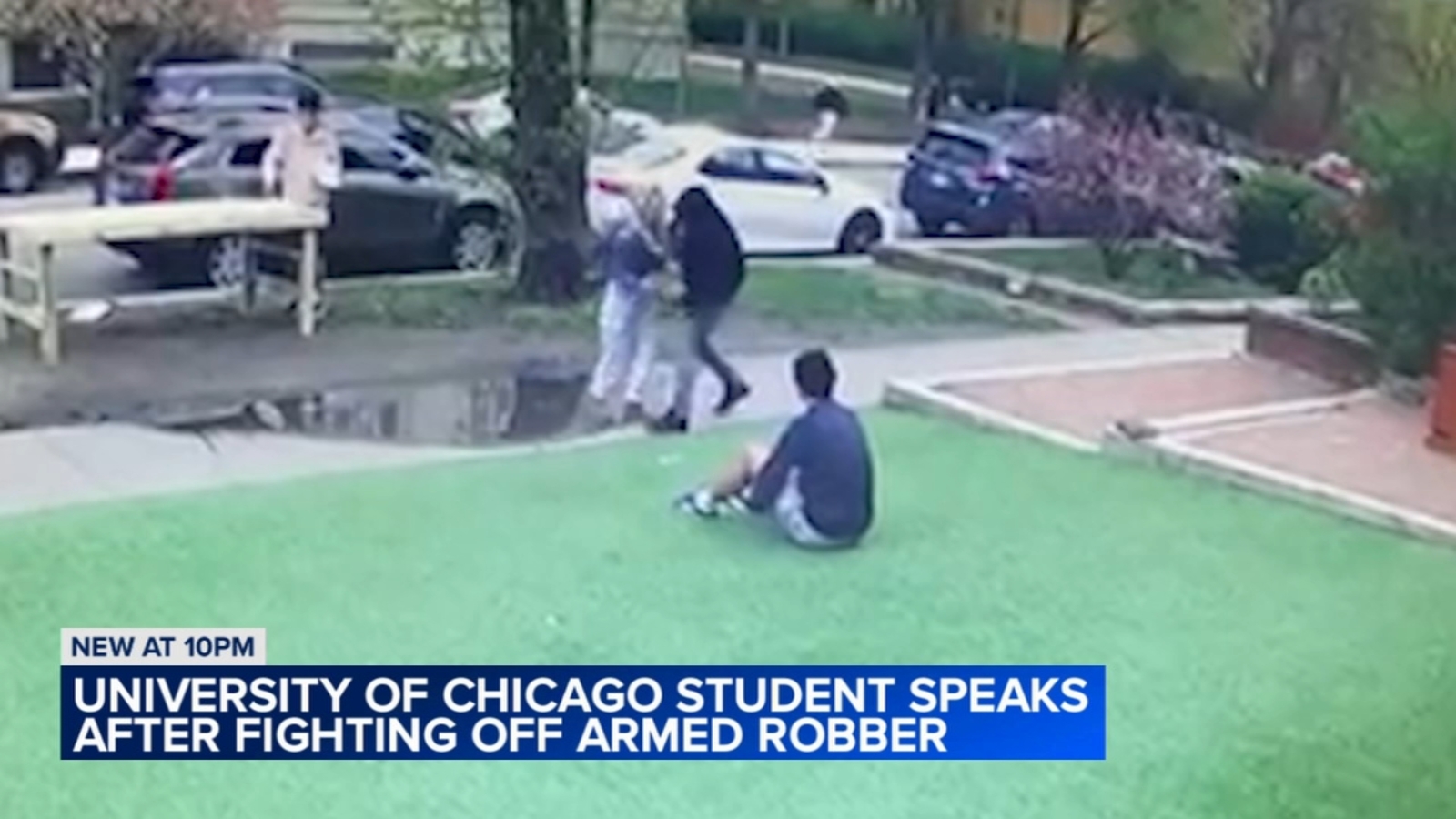
A female University of Chicago student, identified only as Madelyn, fought back against an armed robber by yanking the magazine out of his gun, while a man nearby watched without intervening. The incident, caught on surveillance video, occurred near the college campus and was one of three robberies targeting students. Despite the ordeal, Madelyn's phone and the magazine were later recovered by police, and no injuries were reported. The incidents are under investigation, and no arrests have been made as of Friday morning.
A University of Chicago student was robbed at gunpoint and managed to grab the gun's magazine during the struggle, which is now in the hands of detectives. The incident was captured on surveillance video, and the student urges others not to resist during an armed robbery. The school has increased police patrols, but the student believes more needs to be done to ensure student safety.
Multiple students were robbed near the University of Chicago campus, with one incident captured on surveillance video. In one robbery, a student managed to grab the gun from the armed robber and remove its magazine before fleeing. The University of Chicago Police Department issued a safety alert after the incidents, and the Chicago Police Department also warned of recent armed robberies in the area. No injuries were reported, but the rise in robberies has left students feeling uneasy, prompting increased police patrols in the area.
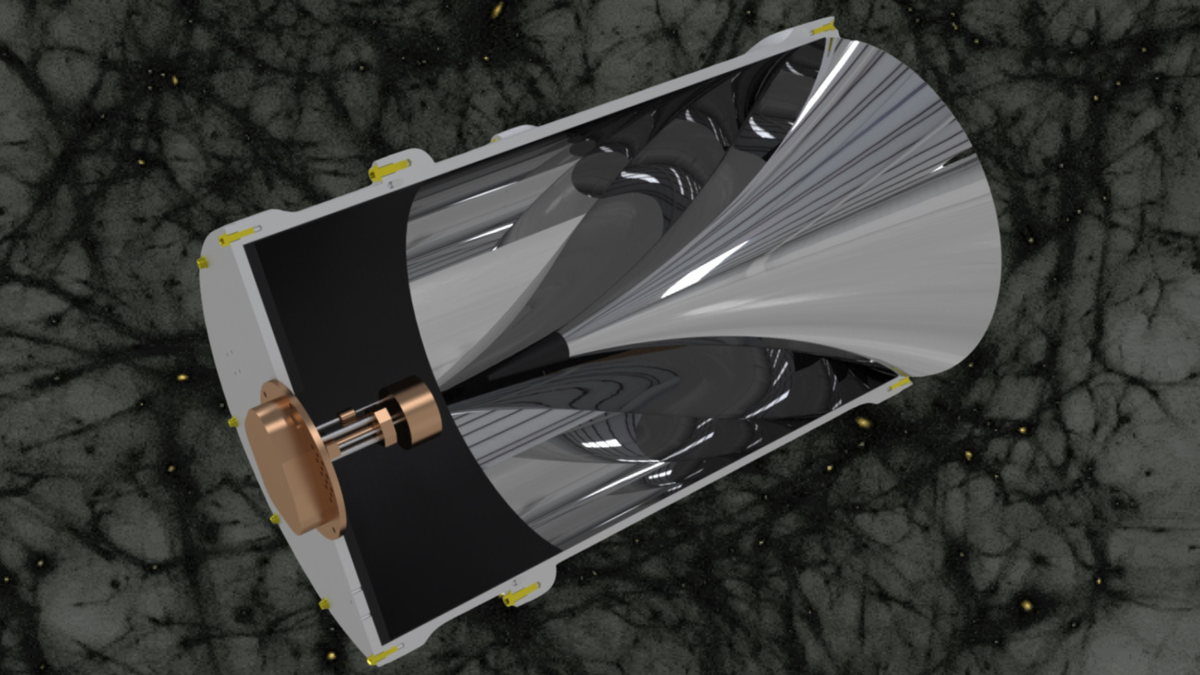
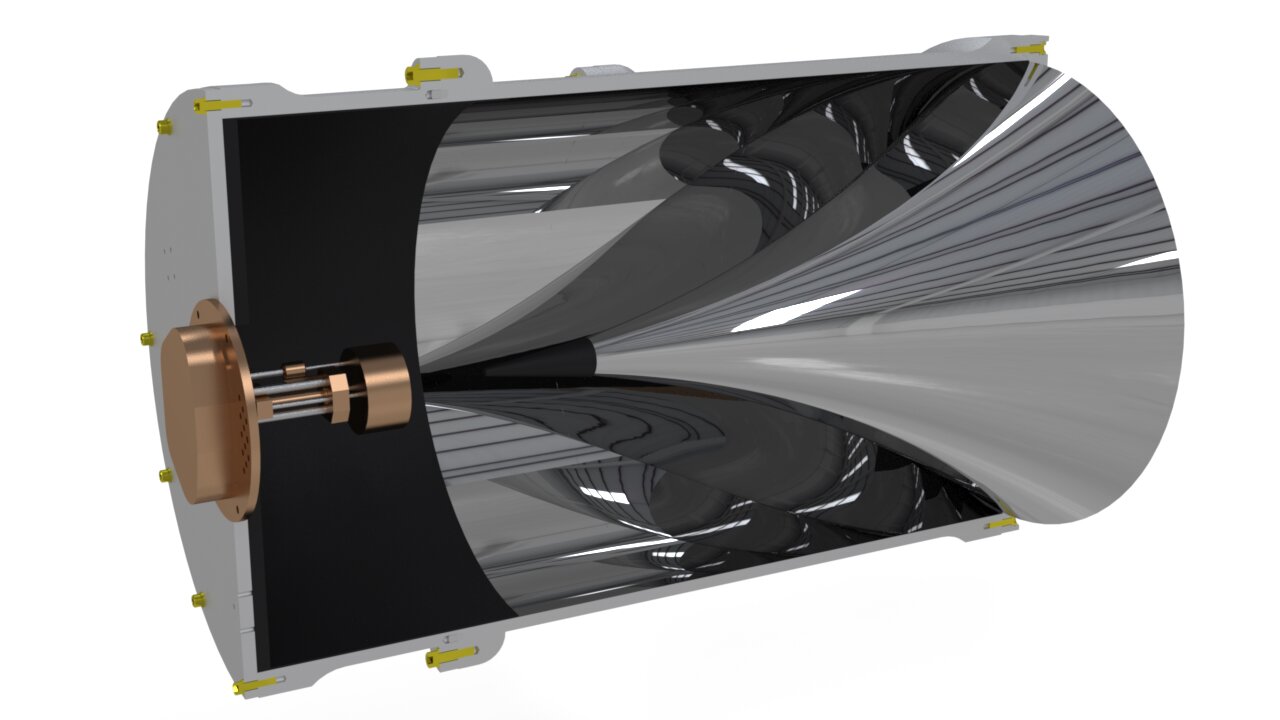
The Broadband Reflector Experiment for Axion Detection (BREAD) has delivered its first results in the search for dark matter, placing tighter constraints on the characteristics of dark matter particles. The experiment, developed by the University of Chicago and Fermilab, takes a "broadband" approach to search for hypothetical dark matter particles called "axions" and associated "dark photons." The experiment, which is relatively inexpensive and compact, demonstrated high sensitivity in its initial test and is set to be transported to the magnet facility at Argonne National Laboratory for the next stage.
The Broadband Reflector Experiment for Axion Detection (BREAD) collaboration, led by the University of Chicago and Fermi National Accelerator Laboratory, has released its first results in the search for dark matter using a unique coaxial 'dish' antenna design. While they did not find dark matter, the experiment narrowed constraints for its potential location and demonstrated a cost-effective approach with high sensitivity. The experiment's compact design and broad frequency search may accelerate the search for dark matter, and future iterations will include stronger magnets to enhance sensitivity.
A new analysis led by paleontologists from the University of Chicago reexamines the density of Spinosaurus bones to determine its aquatic behavior, challenging earlier suggestions that it pursued prey underwater. The study found major issues with the statistical technique used in a 2022 Nature study, highlighting the importance of consistent and objective criteria when assessing bone density and classifying behavior. The findings suggest that Spinosaurus was a wader, able to ambush fish in shallow waters, rather than a deep-diving predator.
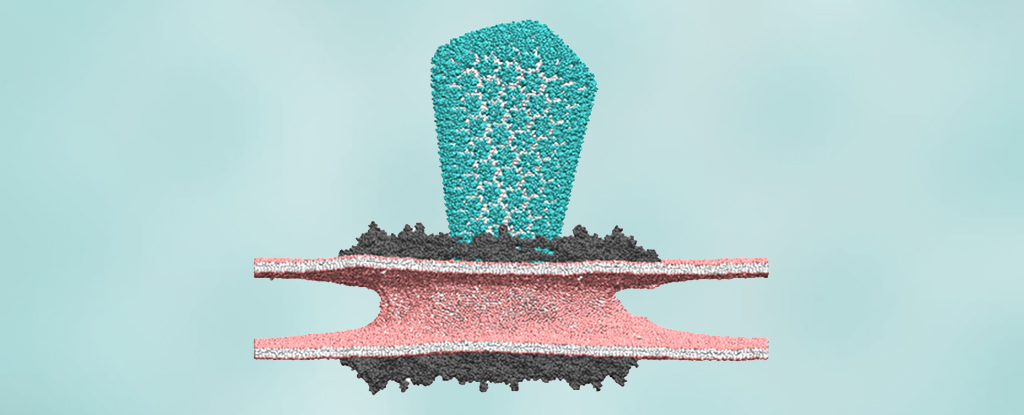
Scientists from the University of Chicago have discovered how the HIV virus infiltrates the nucleus of a host cell, a crucial step in its replication and spread. Using simulations, they found that the virus capsid employs an electrostatic ratchet to squeeze through the cell's nuclear pore complex, with flexibility and deformation playing key roles. Understanding this process could lead to better treatments and potentially a cure for HIV, as disrupting this mechanism could hinder the virus's survival.
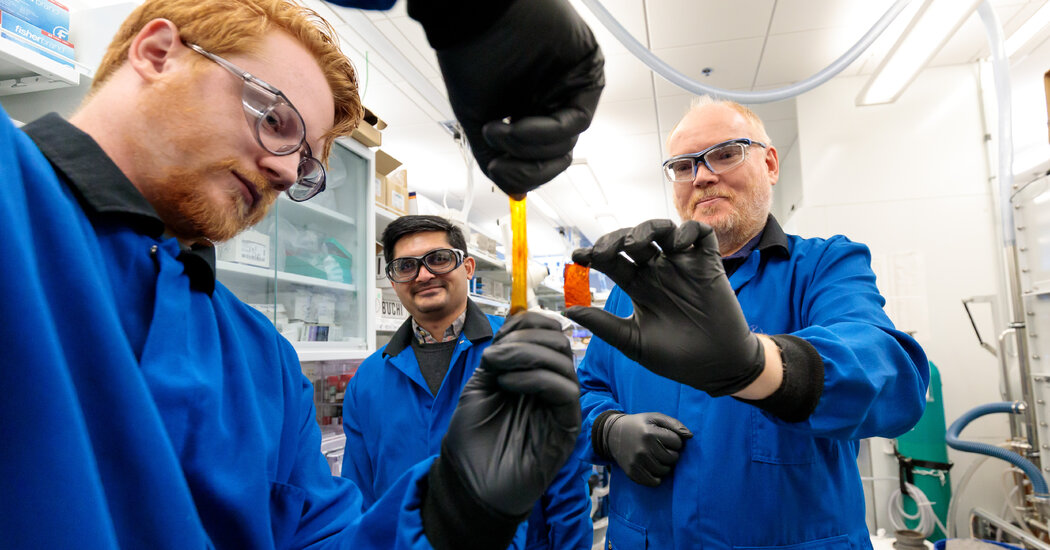
Researchers at the University of Chicago have developed a new type of plastic that can be shaped with heat and then locked in with rapid cooling, retaining its stiffness at room temperature. This material has the potential to revolutionize space travel by allowing astronauts to carry a single plastic that can be transformed into various tools as needed. It also has applications in resource-scarce environments like at sea or on the battlefield, as well as in soft robotics and plastics recycling.
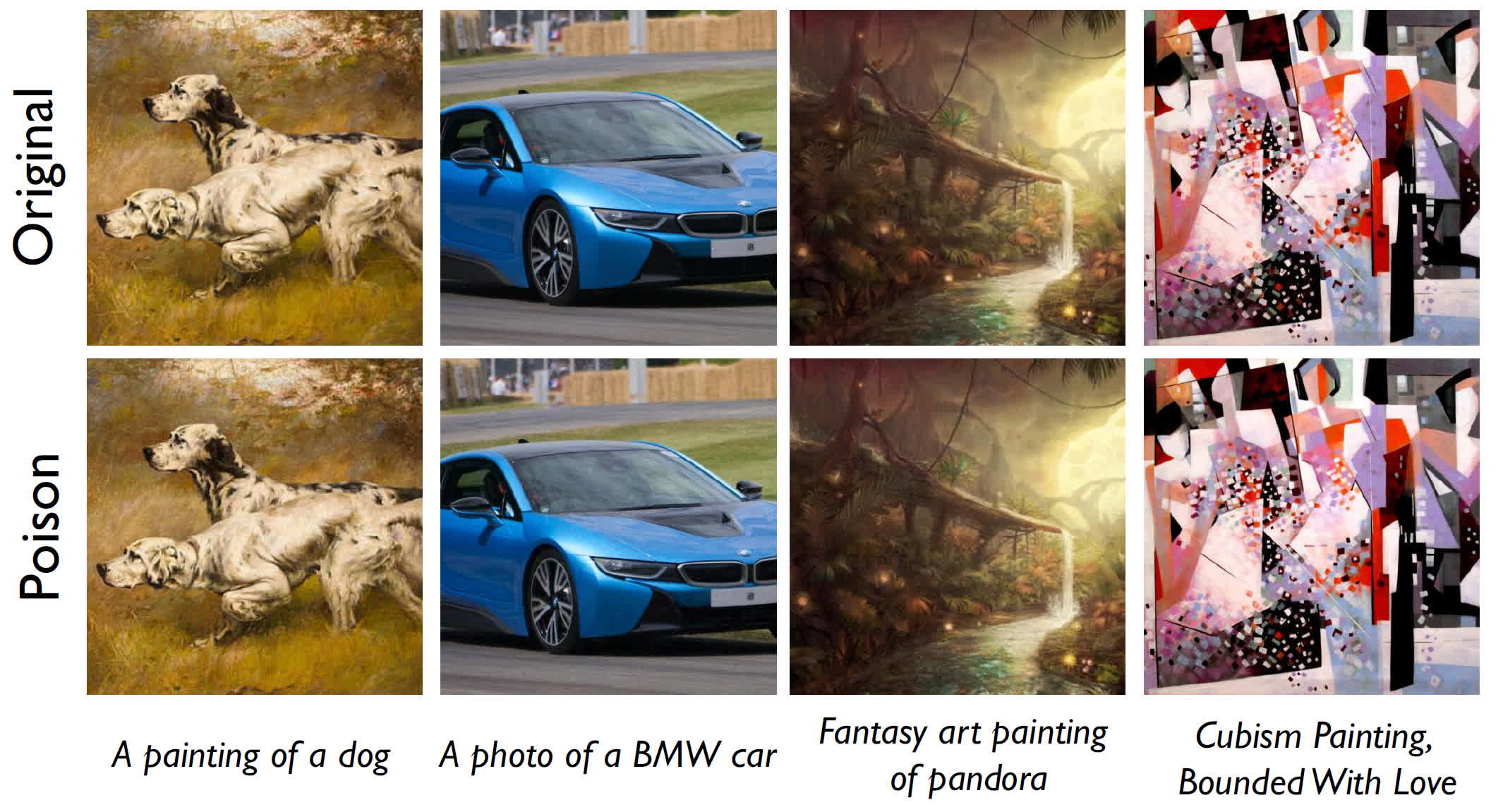
Nightshade, a new software tool developed by researchers at the University of Chicago, is now available for anyone to try as a means of protecting artists' and creators' work from being used to train AI models without consent. By "poisoning" images, Nightshade can make them unsuitable for AI training, leading to unpredictable results and potentially deterring AI companies from using unauthorized content. The tool works by creating subtle changes to images that are imperceptible to humans but significantly affect how AI models interpret and generate content. Additionally, Nightshade can work in conjunction with Glaze, another tool designed to disrupt content abuse, offering both offensive and defensive approaches to content protection.
A study from the University of Chicago suggests that low doses of LSD may have potential antidepressant effects in individuals with mild to moderate depressive symptoms. The study involved 39 healthy volunteers and found that participants with higher depression scores experienced significant increases in positive mood measures following LSD consumption, and reported a notable decrease in depression scores 48 hours after the LSD session. However, the study is limited by its small sample size and the need for further research to replicate and extend the findings to other samples.