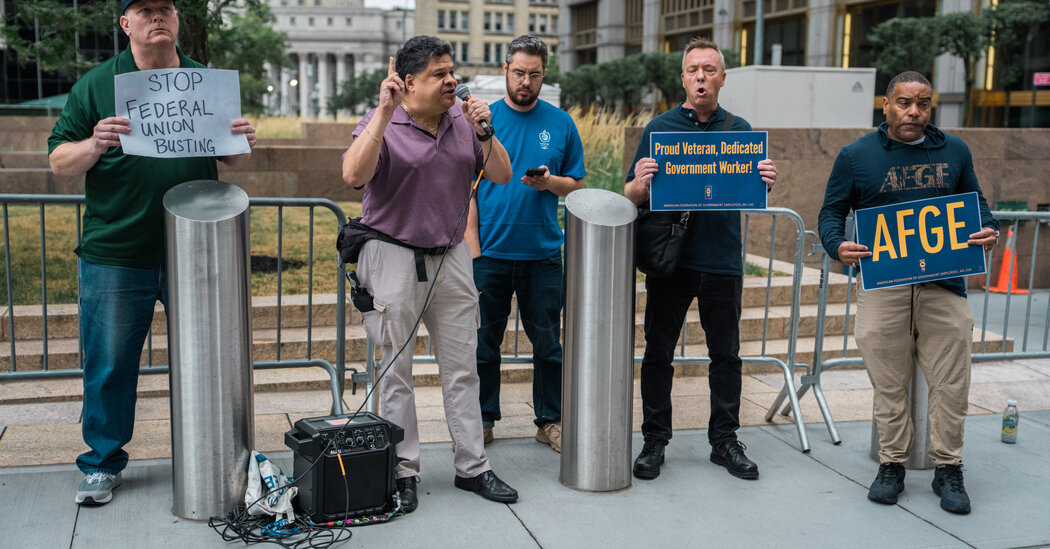
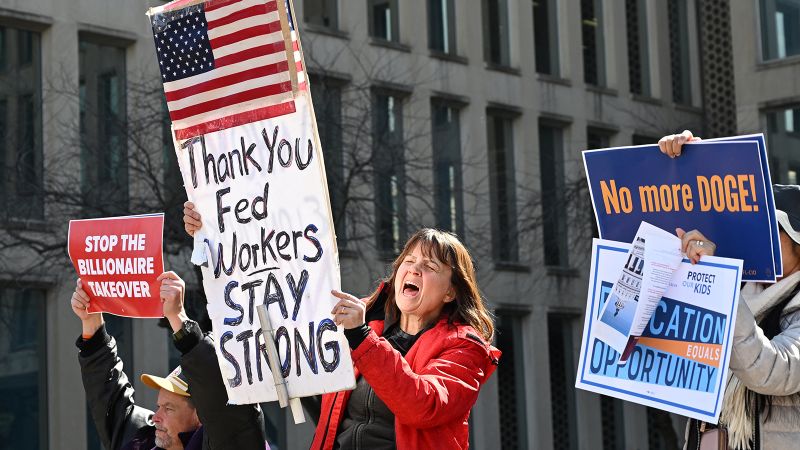
Despite the hardships caused by the ongoing government shutdown, federal workers are finding their voice, organizing, and strategizing to oppose perceived injustices and defend their rights, with some seeing the crisis as an opportunity for greater activism and accountability.
California has signed a law allowing over 800,000 ride-hailing drivers to unionize and bargain collectively, marking a significant expansion of private sector labor rights, alongside a measure to reduce insurance costs for companies like Uber and Lyft. The legislation aims to give drivers more voice and improve working conditions, despite some criticism that it doesn't go far enough in protecting workers' rights.
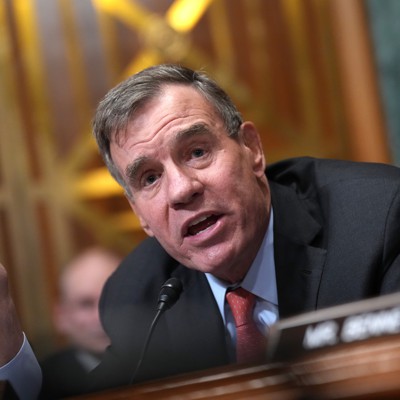
A bipartisan group of 48 senators introduced the Protect America’s Workforce Act to nullify President Trump's executive orders that stripped federal employees of union rights, aiming to restore collective bargaining agreements and oppose what they describe as union-busting measures.
An executive order redefines NASA's primary function to focus on intelligence and national security, erasing its traditional science and exploration roles, and potentially restricting employees' ability to speak out, aligning NASA more closely with space and defense agencies.
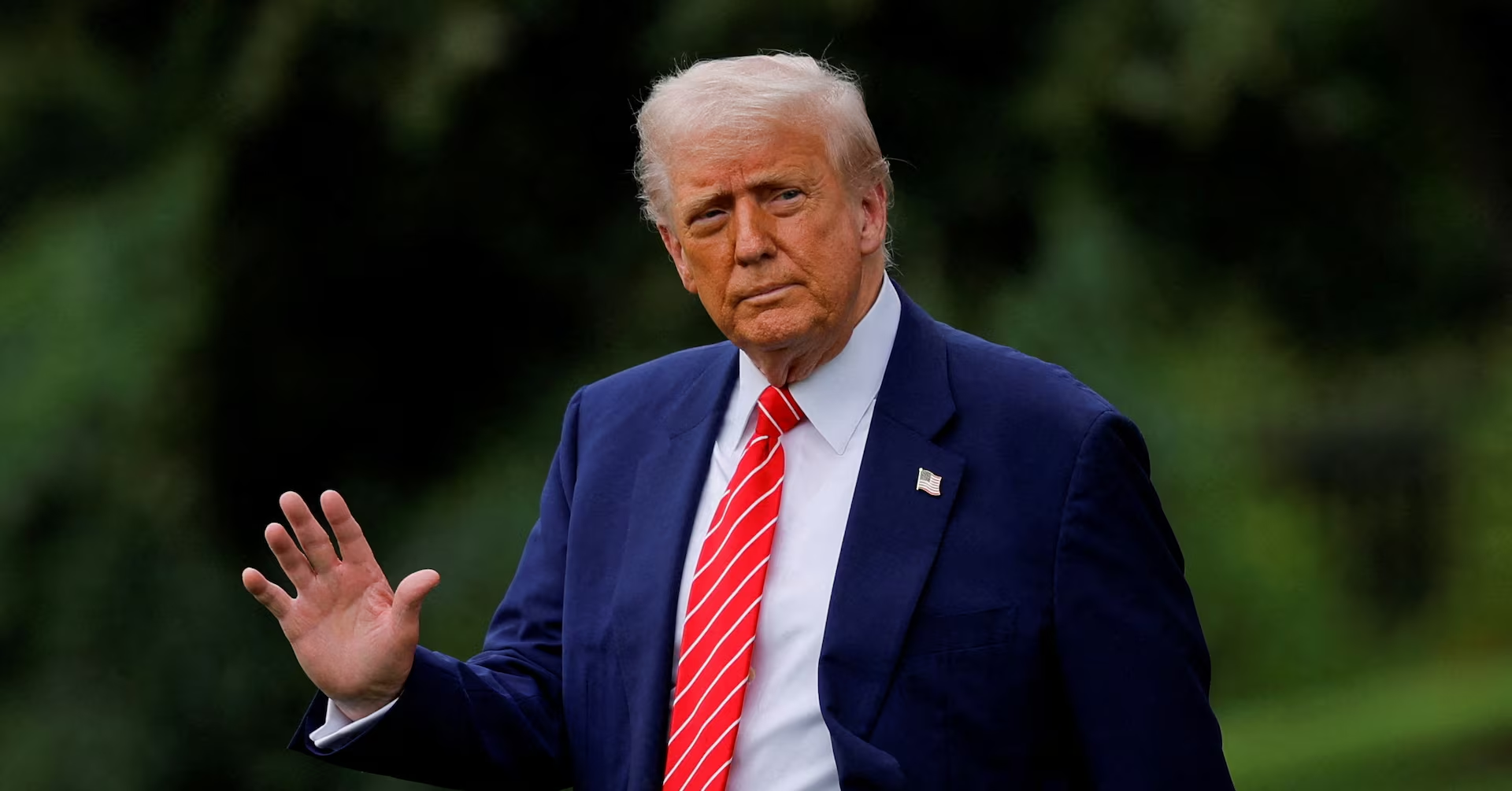
In August, over 445,000 federal employees lost their union protections following an executive order by President Trump, which aimed to ignore collective bargaining contracts for nearly one million workers, citing national security concerns and potential interference with policy implementation.
The Trump administration is significantly weakening federal employee unions by ending most collective bargaining agreements across various agencies, citing national security concerns and alleging unions obstruct management, leading to legal battles, employee resignations, and concerns over the loss of workplace protections and expertise.
An executive order has redefined NASA's primary function to focus on intelligence and national security activities, effectively sidelining its traditional roles in science and exploration, and impacting union rights.
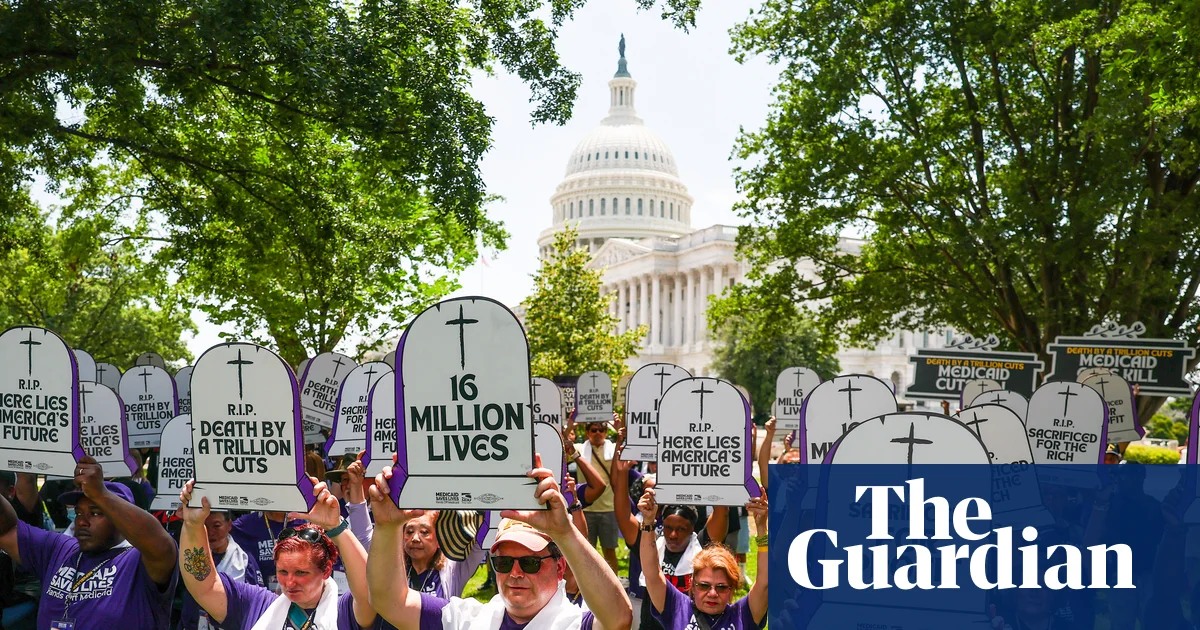
Nearly 1,000 protests across all 50 US states are planned for Labor Day week, organized by labor unions and advocacy groups to oppose policies they see as harmful to workers, including efforts to weaken union rights, cut wages, and favor billionaires, reflecting strong public support for unions and ongoing activism against perceived government and corporate overreach.
A federal judge has blocked President Trump's attempt to end collective bargaining rights for over a million federal employees, citing potential First Amendment violations and the unions' claims of retaliation, with the case pending further litigation.
A U.S. federal judge blocked the Trump administration from canceling a TSA union contract, citing lack of explanation and potential legal violations, emphasizing the importance of union rights for TSA officers amid ongoing political efforts to curb federal employee bargaining rights.
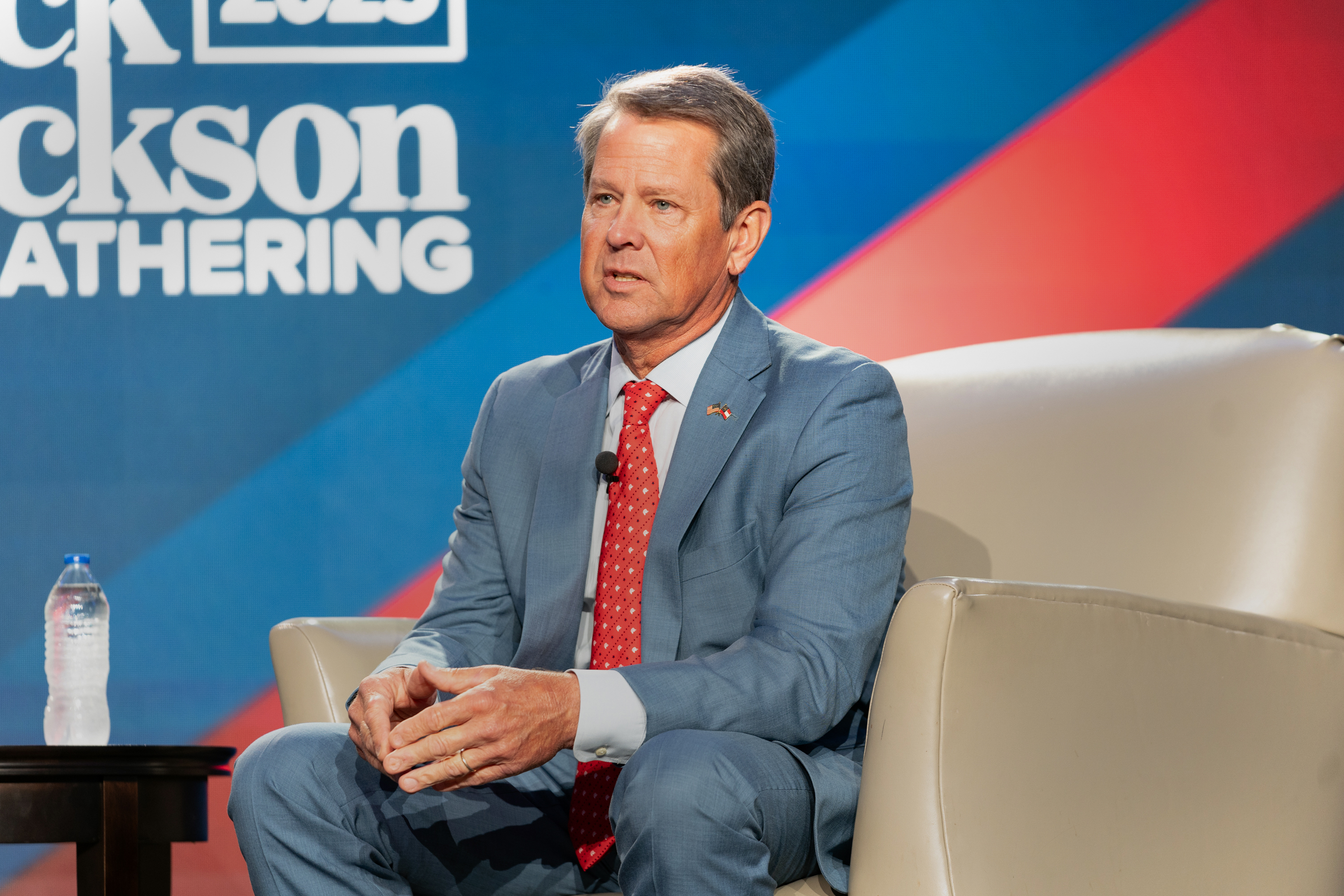
Republican governors in red states, such as Georgia's Gov. Brian Kemp, are using the United Auto Workers (UAW) strike as an opportunity to criticize blue-state economic policies that support union rights. They argue that their right-to-work states, which have more favorable business environments, are attracting companies and jobs. However, Democratic governors defend their states' development records and emphasize the importance of social values in attracting workers. The tension between the push for electric vehicles (EVs) and union jobs is adding to the political divide. While some Republicans, including former President Trump, oppose the EV push, others, like Gov. Kemp, are positioning their states as EV manufacturing centers. The decisions to open manufacturing plants are complex and involve factors beyond political narratives.