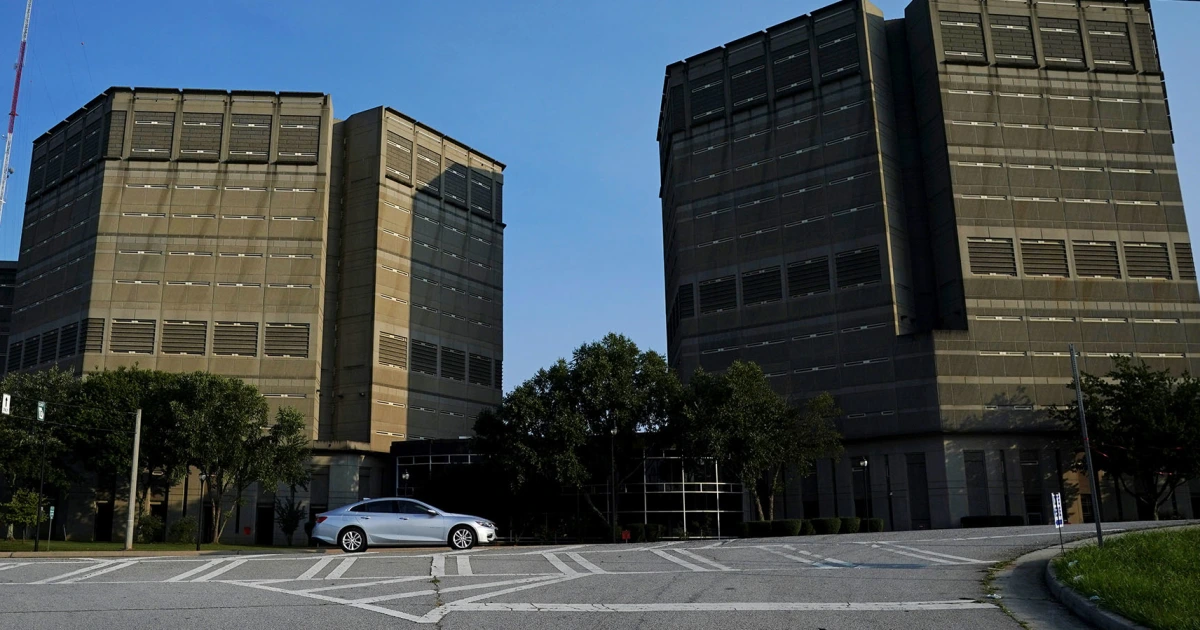
Three inmates who escaped from a Georgia jail hijacked a Lyft ride in Florida, kidnapped the driver for up to 10 hours, and used her credit cards to rent a property before being arrested, with two of them serving life sentences for murder.
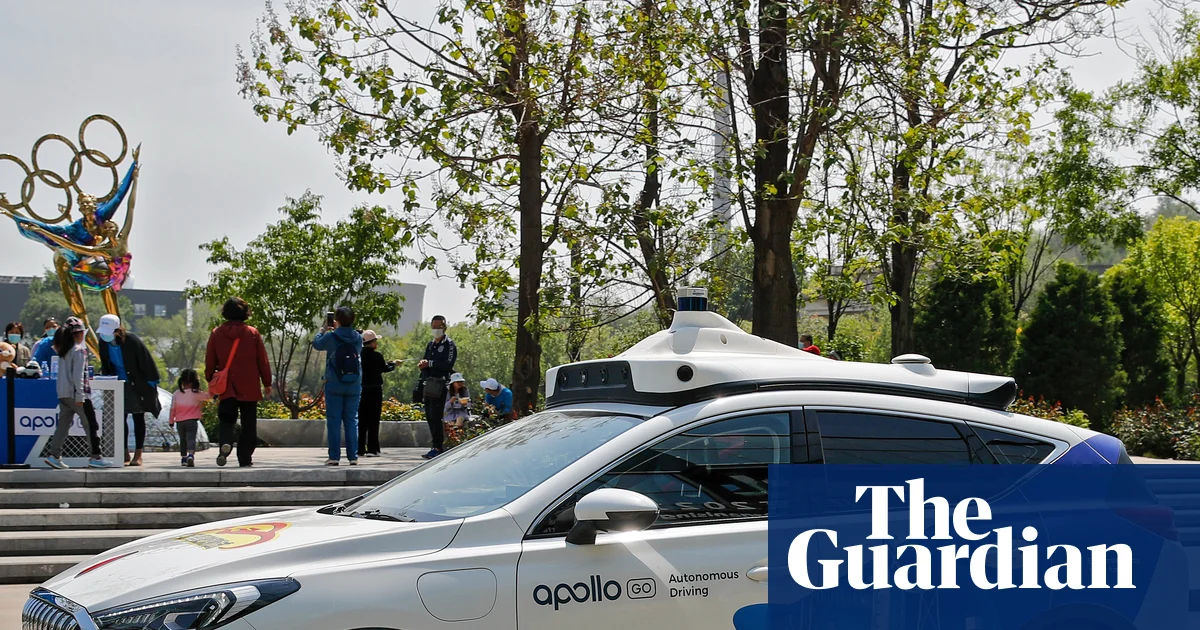
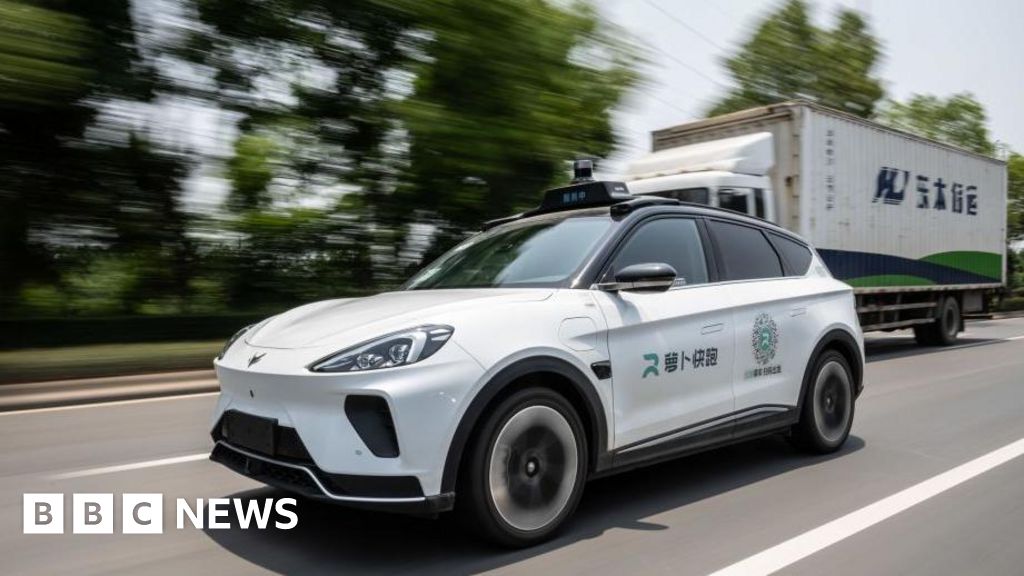
Chinese self-driving technology company Baidu is set to deploy robotaxis in London next year through partnerships with Lyft and Uber, marking a significant step in autonomous vehicle deployment in the UK, amid security concerns over Chinese technology dominance and data security. Lyft plans to test Baidu's Apollo Go cars in 2026, while Uber also announced plans to use Baidu's vehicles in London, as the UK government pushes to become a leader in driverless tech.
Uber and Lyft are partnering with China's Baidu to trial autonomous robotaxis in London starting in 2026, aiming to obtain regulatory approval. While Baidu's Apollo Go service is already operational in China, UK regulators and the public remain cautious about safety and trust issues related to driverless vehicles. The initiative aims to position the UK as a leader in future mobility, but safety concerns and regulatory hurdles need to be addressed before widespread deployment.
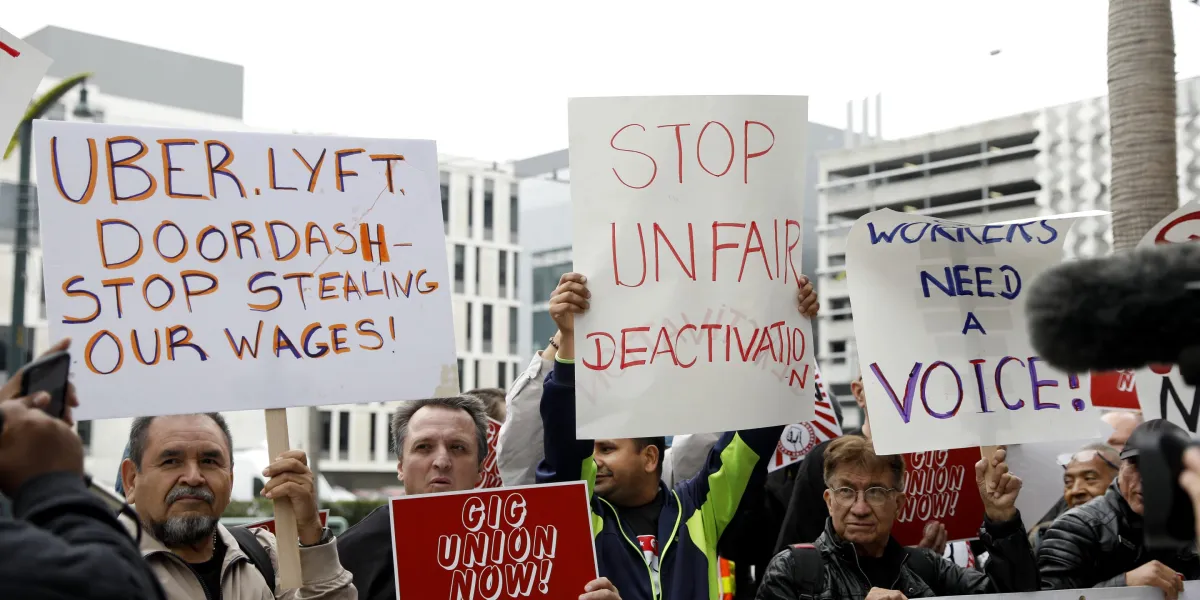
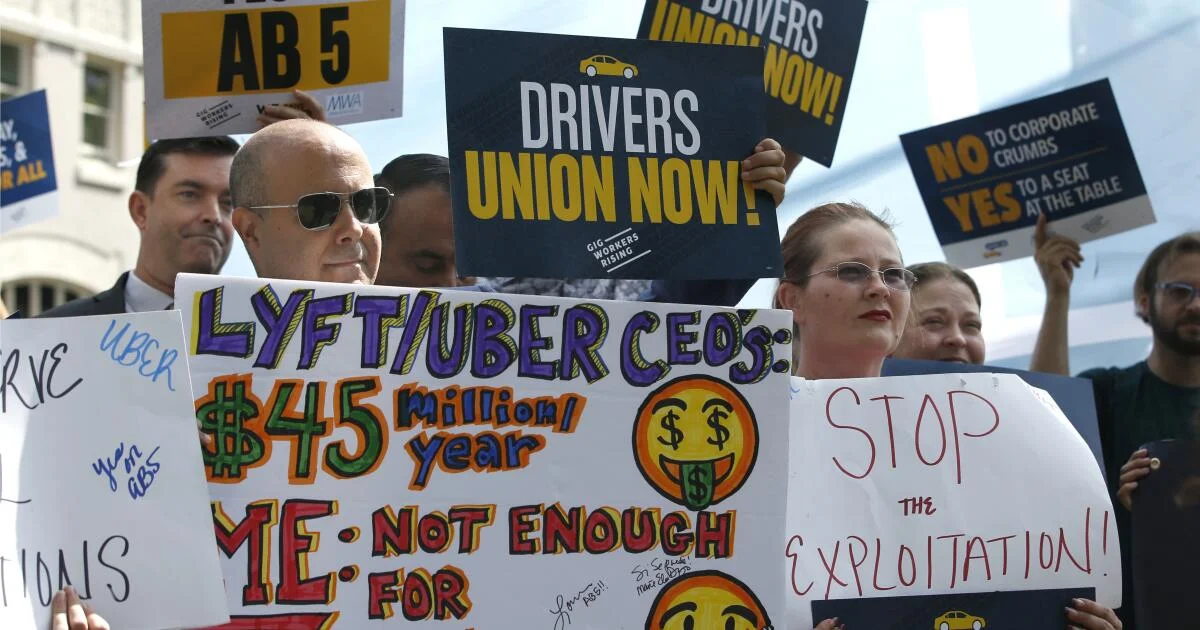
California has signed a law allowing over 800,000 ride-hailing drivers to unionize and bargain collectively, marking a significant expansion of private sector labor rights, alongside a measure to reduce insurance costs for companies like Uber and Lyft. The legislation aims to give drivers more voice and improve working conditions, despite some criticism that it doesn't go far enough in protecting workers' rights.
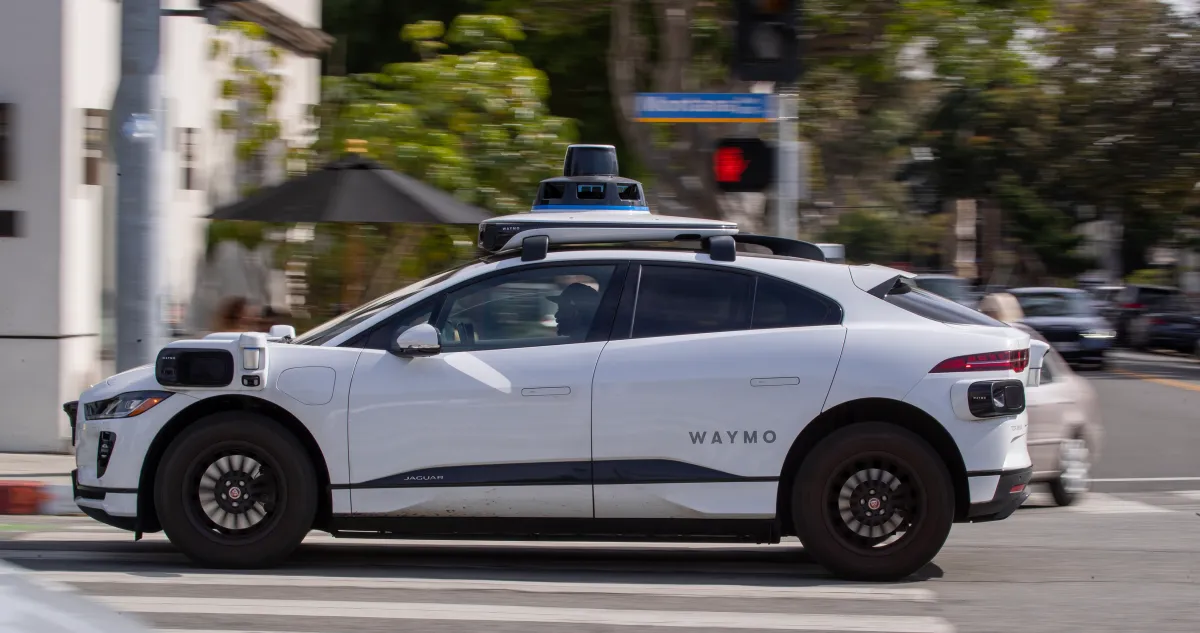
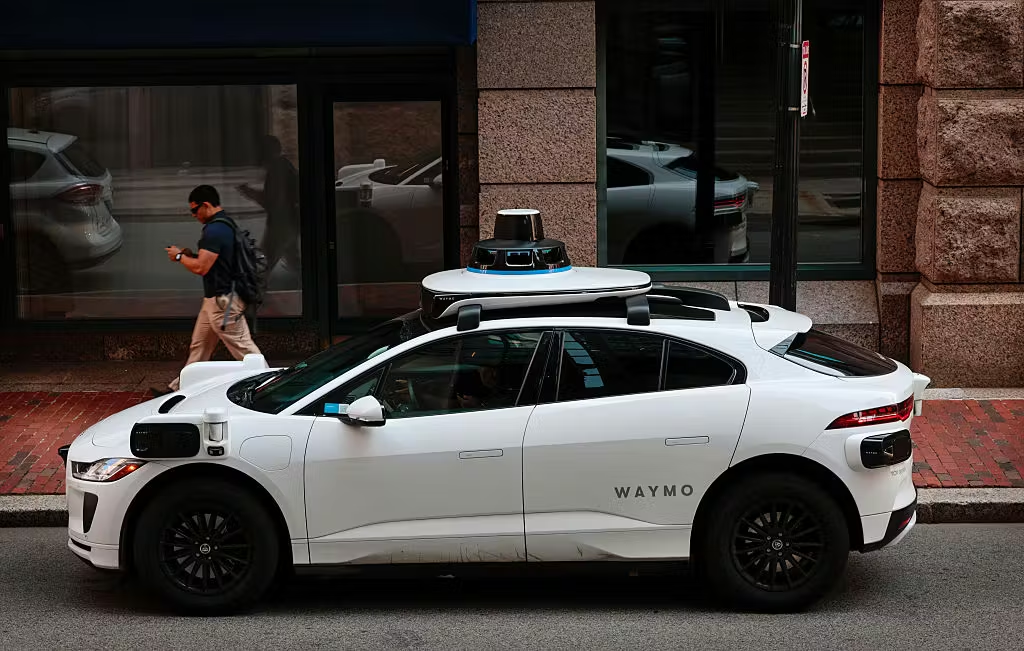
Lyft's stock surged over 10% after announcing a partnership with Waymo to manage its Nashville autonomous fleet, marking a significant expansion in its autonomous vehicle efforts, while Uber's stock declined below key levels amid concerns over market share and autonomous vehicle competition.
Lyft and Waymo are partnering to launch a robotaxi service in Nashville by 2026, with testing beginning soon. The service will initially be accessible via the Waymo app and later through Lyft, marking an expansion of Waymo's autonomous vehicle operations across multiple U.S. cities. Lyft will handle fleet services, and the partnership highlights Waymo's shift towards being an autonomous vehicle technology provider.
Lyft has partnered with Google's Waymo to expand autonomous ride-hailing services to Nashville, with plans for hundreds of vehicles and integration into both companies' apps, boosting Lyft's stock and marking a significant step in autonomous transportation expansion.
California successfully negotiated a historic deal allowing ride-hailing drivers to unionize and reducing insurance mandates, avoiding costly ballot measures and court battles, though challenges remain in implementation and potential legal scrutiny.
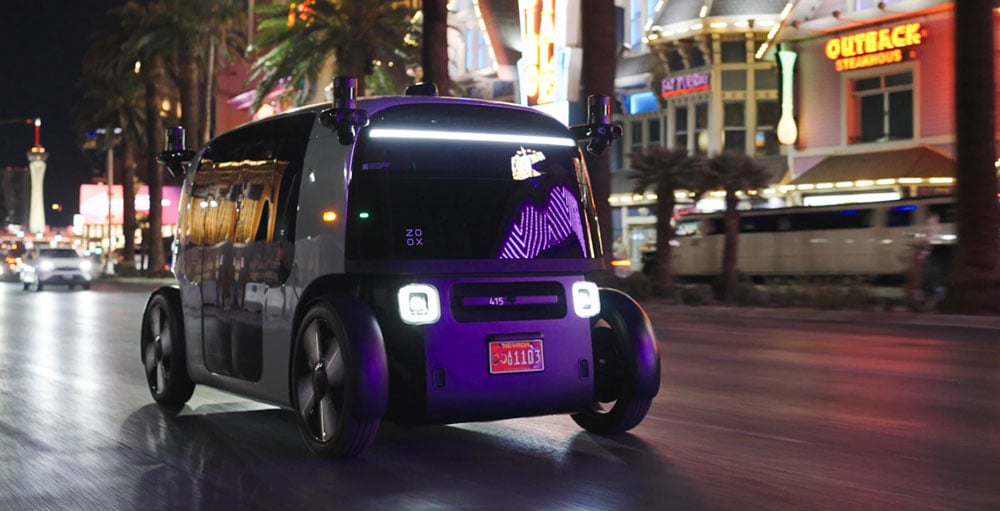
Amazon's Zoox has launched its robotaxi service in Las Vegas, offering free rides and planning to charge after regulatory approval, while Lyft expands its autonomous ride offerings in Atlanta through a partnership with May Mobility, intensifying competition in the U.S. autonomous vehicle market alongside other players like Waymo and Tesla.
California Governor Gavin Newsom has reached a historic deal with Uber and Lyft to allow drivers to unionize and bargain collectively, marking the largest private sector union expansion in the state's history. The agreement includes legislation that enables over 800,000 rideshare drivers to join unions while remaining independent contractors, and reduces insurance requirements to lower costs for companies and passengers. The legislation still needs legislative approval before becoming law.
California Governor Gavin Newsom and lawmakers have reached a historic agreement with Uber and Lyft to allow their drivers to unionize and bargain collectively while remaining classified as independent contractors, marking a significant development in gig worker rights and labor law. The deal includes legislation that enables drivers to form unions through signature collection and collective bargaining, along with reduced insurance requirements for the companies. This compromise aims to balance worker rights, company interests, and consumer costs, though some critics question the strength of protections for drivers.
Lyft missed Q2 revenue estimates due to increased competition and weak US travel demand, causing its shares to drop. Despite this, Lyft announced strategic partnerships and international expansion efforts, and expects better gross bookings in Q3, with earnings slightly above estimates.
Lyft reported a record-breaking quarter with high gross bookings and sustained rider growth, surpassing profitability expectations, but its shares declined due to revenue falling short of forecasts.
A TikToker shared a viral tip for saving money on Lyft rides by asking drivers how much they are paid, then offering to pay them directly, which can reduce the fare and benefit drivers. The article discusses Lyft's dynamic pricing, driver pay rates, and industry criticisms about underpayment, along with Lyft's efforts to increase driver earnings. The tip highlights potential ways to lower ride costs and improve driver compensation.