U.S. immigration authorities conducted a raid at Hyundai's electric vehicle manufacturing site in Georgia, detaining 450 individuals and halting construction of a related battery plant, amid ongoing investigations into employment practices, with Korean officials expressing concern over the treatment of their citizens.
Rivian has secured a $6.6 billion conditional loan from the U.S. Department of Energy to resume construction of its planned factory in Georgia, which is now expected to begin operations in 2028. The factory, initially announced in 2021, was delayed due to financial constraints, leading Rivian to shift production plans for its R2 SUV to its existing Illinois plant. The Georgia facility is projected to employ 7,500 people by 2030, supported by a $1.5 billion incentives package from the state.
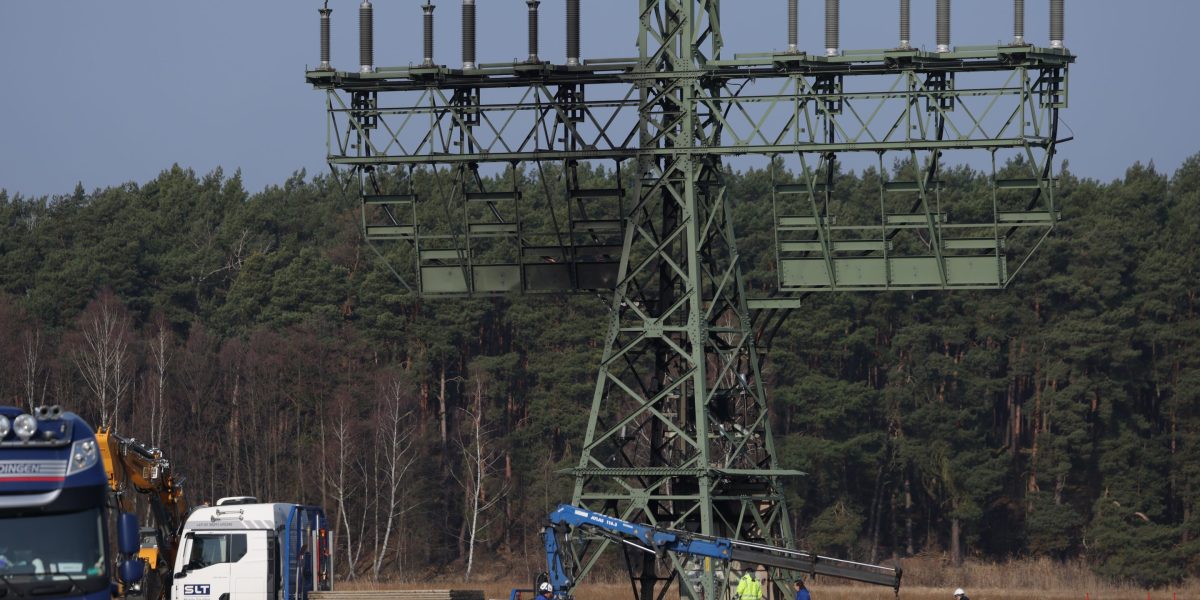
Rivian halts $5 billion Georgia factory construction due to local opposition, while Tesla's German gigafactory faces sabotage from activists concerned about water pollution. Similar resistance has been seen in Quebec and Hungary against EV-related manufacturing projects, highlighting the environmental impact of EV production and the need to balance the transition to low-carbon fuels with potential negative outcomes.
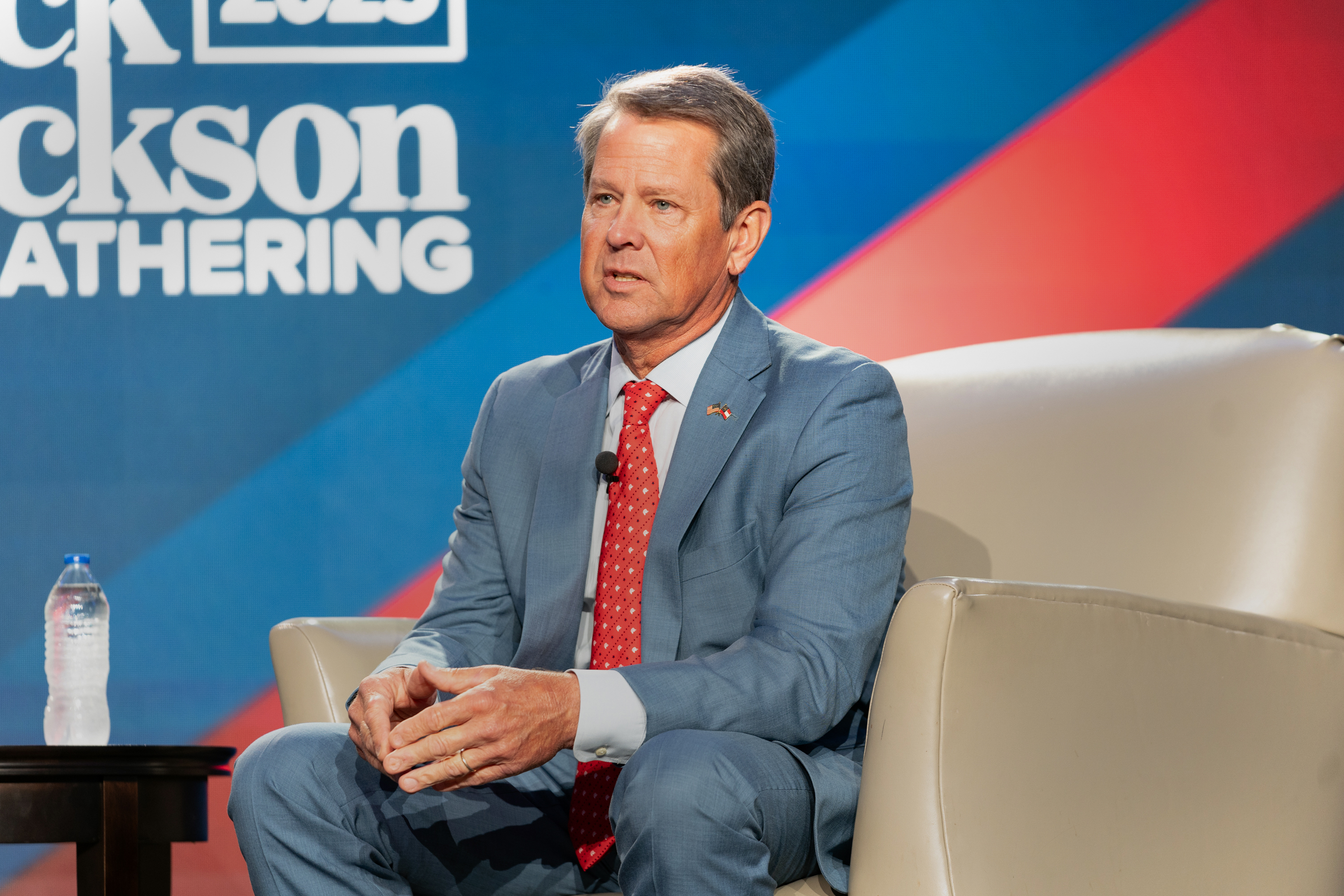
Republican governors in red states, such as Georgia's Gov. Brian Kemp, are using the United Auto Workers (UAW) strike as an opportunity to criticize blue-state economic policies that support union rights. They argue that their right-to-work states, which have more favorable business environments, are attracting companies and jobs. However, Democratic governors defend their states' development records and emphasize the importance of social values in attracting workers. The tension between the push for electric vehicles (EVs) and union jobs is adding to the political divide. While some Republicans, including former President Trump, oppose the EV push, others, like Gov. Kemp, are positioning their states as EV manufacturing centers. The decisions to open manufacturing plants are complex and involve factors beyond political narratives.
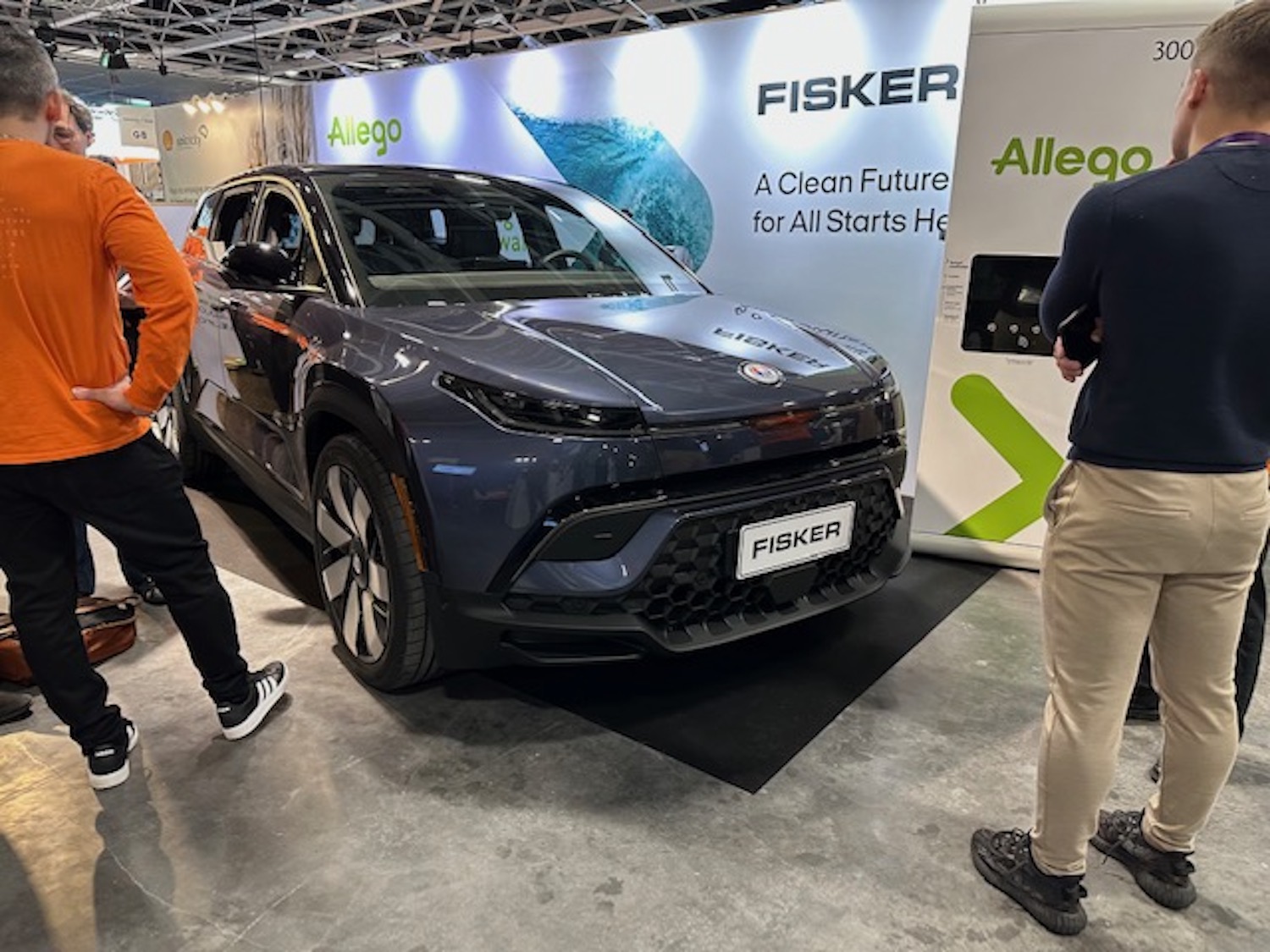
Henrik Fisker, CEO of Fisker Inc., plans to sell one million electric vehicles within four years to compete with major automakers. The company's flagship electric SUV, Fisker Ocean, is set to be approved for road use and delivered this spring. Fisker also plans to have the second EV model, PEAR, built in the USA during 2024. Talks are ongoing with major car manufacturers about sharing technological platforms for future vehicles, but nothing has been decided yet.