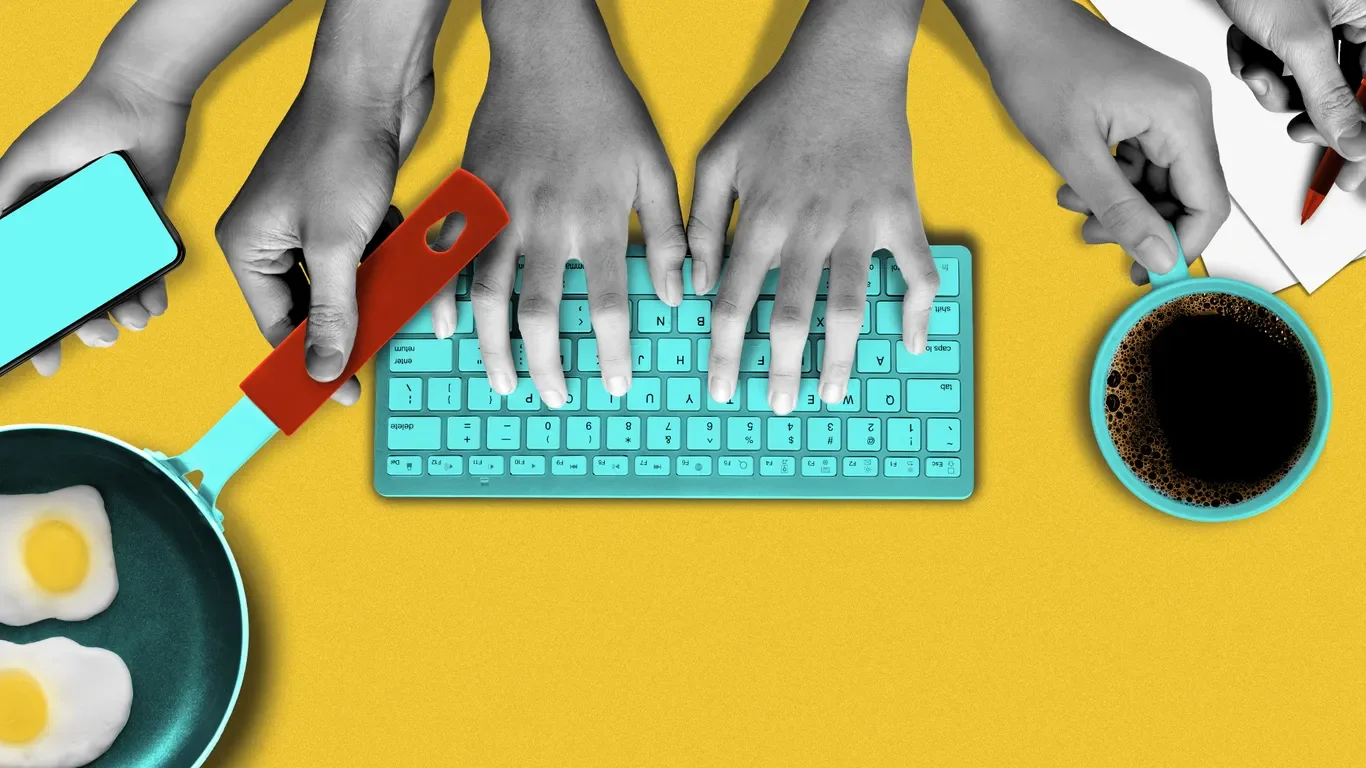
Gen Z is shifting away from quiet quitting towards actively side hustling, with over half engaging in additional work to navigate economic challenges, pursue passions, and redefine success through independence and flexibility, reflecting disillusionment with traditional career paths and leveraging technology to monetize skills.
Regulatory efforts targeting gig work are impacting both companies and workers, with ongoing debates over whether gig workers should be classified as independent contractors or employees, affecting the future of gig economy regulation.
A long-time Uber driver in Atlanta shares her experience of declining earnings over the past year due to reduced demand, increased expenses, and competition from autonomous vehicles, leading her to question her future in gig work after a decade in the industry.
California has signed a law allowing over 800,000 ride-hailing drivers to unionize and bargain collectively, marking a significant expansion of private sector labor rights, alongside a measure to reduce insurance costs for companies like Uber and Lyft. The legislation aims to give drivers more voice and improve working conditions, despite some criticism that it doesn't go far enough in protecting workers' rights.
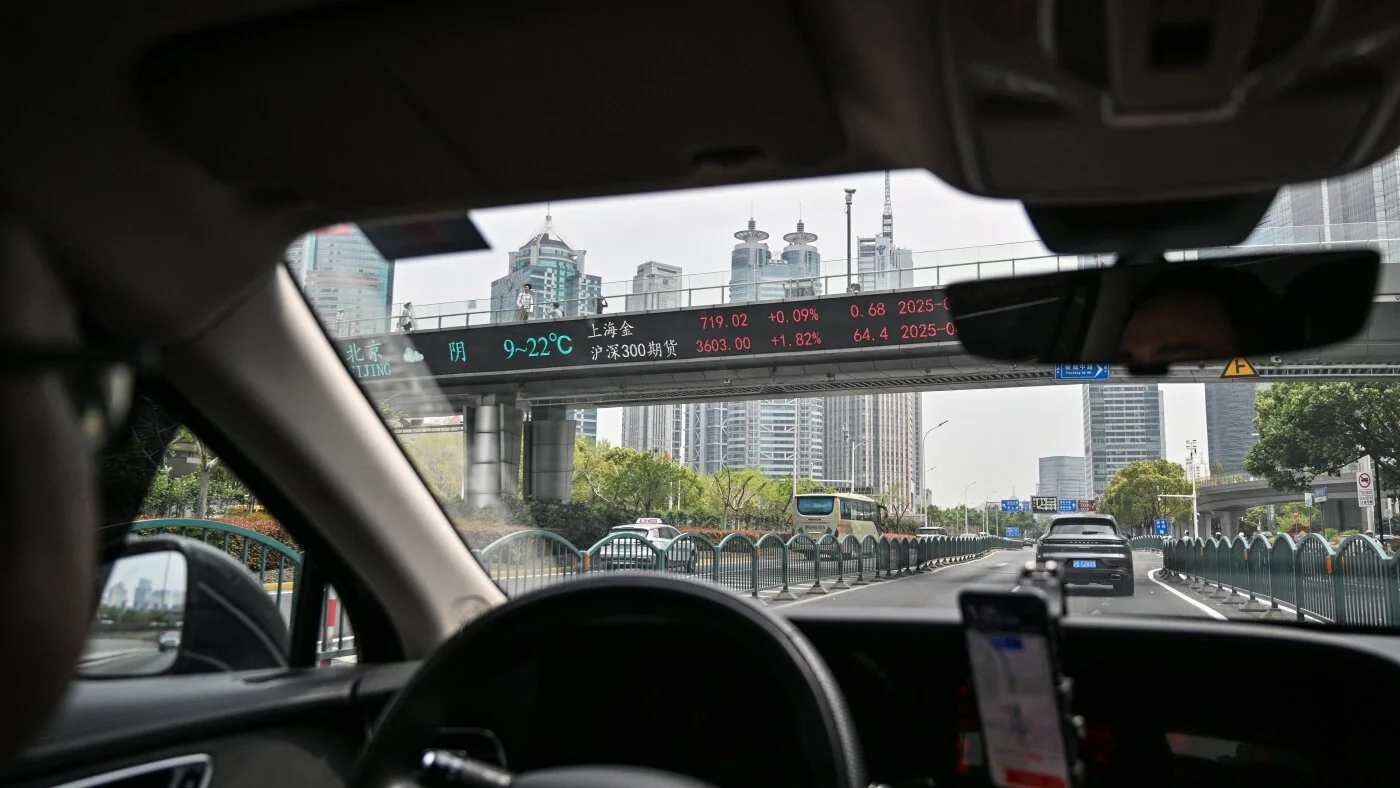
In China's ride-hailing industry, drivers and passengers face issues with car odors, prompting companies like DiDi to implement policies to improve cleanliness amid economic hardships and increased consumer expectations, while critics argue these measures may be superficial and overlook deeper labor issues.
'Good Fortune' is a comedic film at the Toronto Film Festival where Aziz Ansari and Seth Rogen star in a humorous take on life-switching, angelic mishaps, and social commentary on the gig economy, blending lighthearted fantasy with serious themes of economic disparity.
As AI-generated content often requires human correction due to imperfections, freelancers in creative and technical fields are increasingly hired to fix or enhance AI outputs, highlighting a new niche driven by AI's current limitations and the ongoing demand for authentic human input.
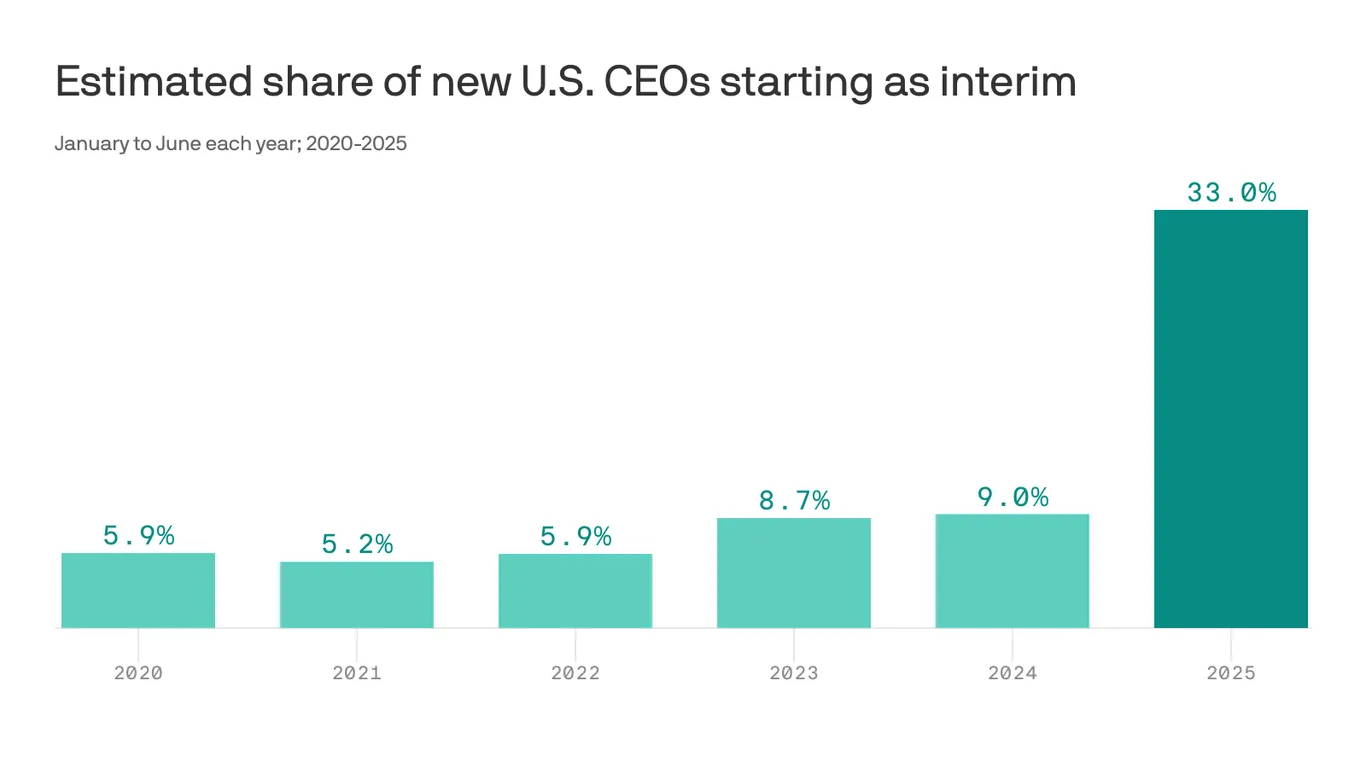
A growing trend of CEOs taking on short-term, interim roles is emerging, with 33% of new CEOs in early 2025 serving temporarily, reflecting a shift towards a gig economy style approach in executive leadership as companies adapt to ongoing workplace changes.
OnlyFans creators are increasingly using AI chatbots to manage their direct messages, replacing human 'chatters' who previously impersonated them in conversations with fans. Startups like ChatPersona offer AI tools that generate messages, requiring minimal human intervention to comply with OnlyFans' terms of service. This shift is driven by the need to handle large volumes of fan interactions efficiently, with some creators reporting significant increases in sales and tips. The use of AI in this context raises questions about authenticity and transparency in digital communication.
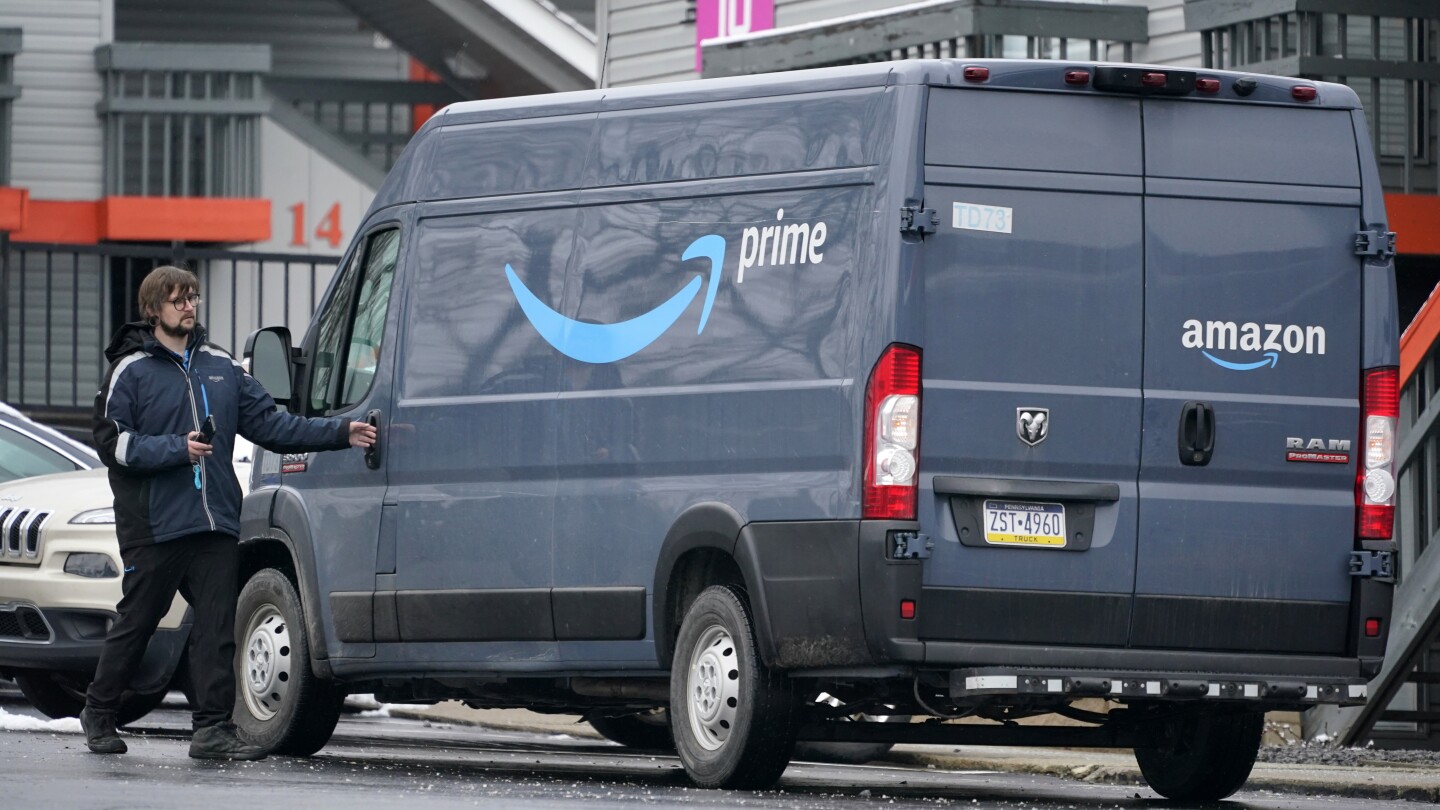
The Wisconsin Supreme Court declined to review a lower court ruling that declared Amazon delivery drivers as employees, not independent contractors, leaving a 2023 appeals court decision against Amazon in place. This means Amazon Logistics may face a tax bill of over $200,000. Labor unions and the state Department of Workforce Development supported the classification of Amazon Flex workers as employees, while the gig economy's impact on worker classification continues to be a contentious issue in courts across the country.
The Wisconsin Supreme Court unanimously upheld a lower court ruling that Amazon delivery drivers in the Amazon Flex program are employees, not independent contractors, entitling them to unemployment benefits. The decision means Amazon Logistics may face a tax bill of over $200,000. This ruling has significant implications for the gig economy and worker classification, as courts across the country grapple with similar questions about the employment status of workers in the gig economy.
Uber and Lyft will cease operations in Minneapolis starting May 1 after the City Council mandated rideshare drivers be paid the local minimum wage of $15.57 per hour, leaving 10,000 people out of work. The decision has sparked controversy, with the companies criticizing the move and expressing hope for a more favorable statewide solution. The council argues the ordinance supports the city's East African immigrant community and ensures fair wages, but concerns have been raised about the broader implications, including potential impacts on drunk driving incidents and local businesses. This development reflects the ongoing challenges cities face in balancing the interests of gig workers, companies, and consumers in the evolving landscape of urban mobility and employment.
Tony Illes, a 30-year-old delivery driver, started his own delivery service, Tony Delivers, after experiencing a drop in demand due to increased fees from delivery apps following a minimum wage ordinance in Seattle. The ordinance aimed to protect gig workers but led to longer wait times for drivers and decreased business for restaurants. The city and app companies are at odds over the impact of the ordinance, while gig workers like Illes are finding ways to adapt and build their own businesses in response to the changing landscape of the gig economy.
Tony Illes, a 30-year-old delivery driver, started his own delivery service, Tony Delivers, in response to long wait times and decreased demand caused by a Seattle minimum wage ordinance for delivery-app drivers. The ordinance led to increased fees for customers, resulting in a drop in business for app-based companies and drivers. This has sparked a debate on the impact of minimum wage laws on gig workers and businesses, with some workers organizing strikes and cities like Seattle pushing for ordinances to protect workers.
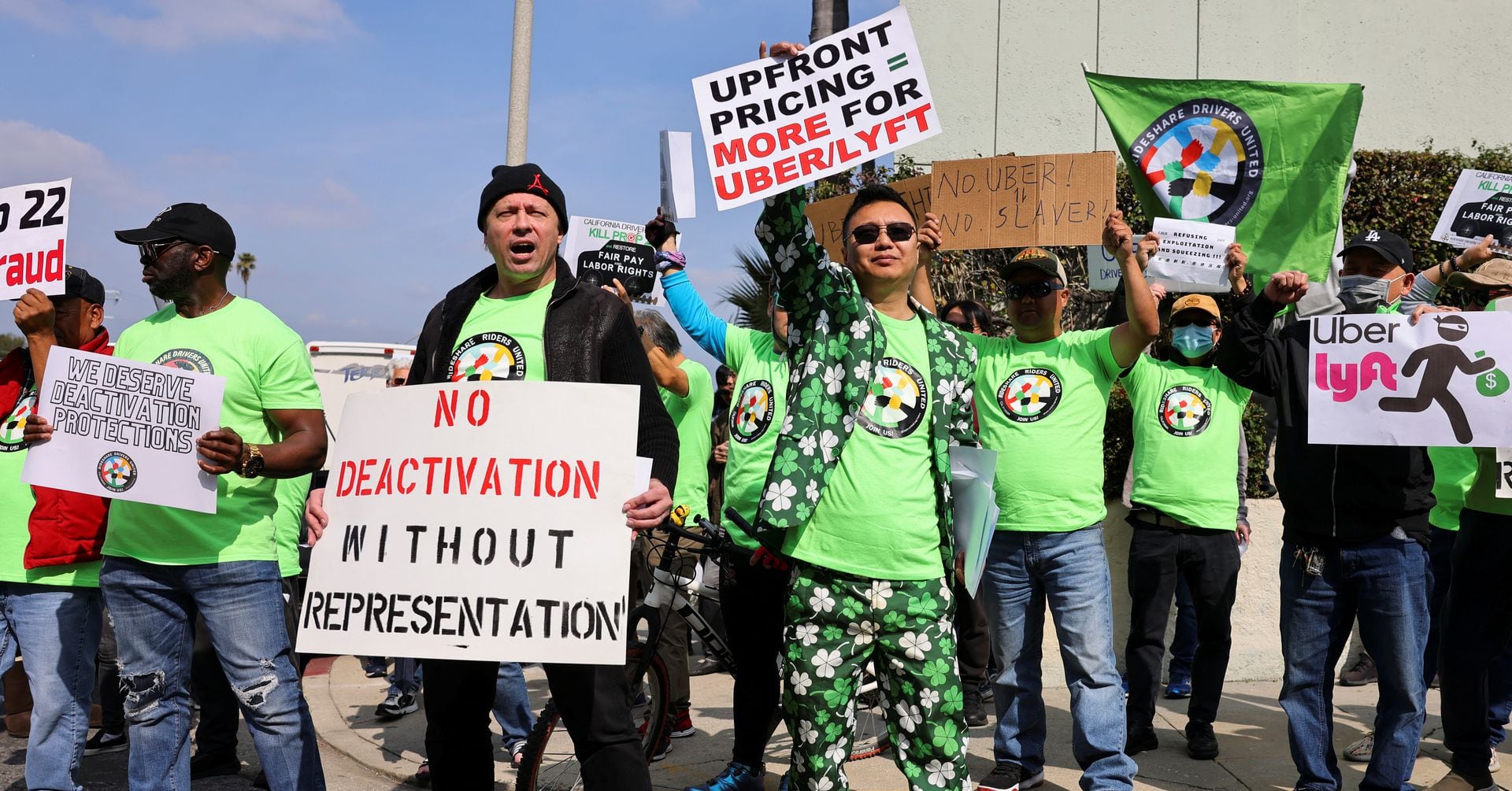
Uber, Lyft, and DoorDash drivers staged a strike across the US, demanding fair pay and better treatment, citing disproportionate fees taken from their fares as hurting their earnings. The protest coincided with Uber's record-high shares and saw drivers from various coalitions picketing at airports and company offices. The companies claimed no impact on operations, while labor strikes have also emerged in the UK and Canada. The US Department of Labor's recent rule change and increased worker activism reflect ongoing tensions in the gig economy.