Amid the ongoing government shutdown, Rep. Ken Calvert supports a bipartisan bill to ensure military pay during the shutdown, challenging GOP leadership's stance, as the deadline for troops' first missed paycheck approaches and political pressure mounts from both parties and the White House.
Rep. Ken Calvert supports a bipartisan bill to pay troops during the government shutdown, challenging GOP leadership's stance, amid ongoing negotiations and looming pay deadlines, with White House considering alternative funding options.
A bipartisan group of 48 senators introduced the Protect America’s Workforce Act to nullify President Trump's executive orders that stripped federal employees of union rights, aiming to restore collective bargaining agreements and oppose what they describe as union-busting measures.
A bipartisan group of House members has introduced legislation to ban lawmakers from trading individual stocks, requiring them to divest within 180 days and extending the ban to spouses and dependents, aiming to address concerns over insider trading and conflicts of interest in Congress.
Legislation called the FEMA Act of 2025 has been introduced by U.S. House leaders to overhaul FEMA, making it a cabinet-level agency again, streamlining disaster response, reducing red tape, and increasing accountability and efficiency in federal disaster aid and recovery efforts.
Shares of companies owning pharmacy benefit managers, including UnitedHealth, CVS Health, and Cigna, fell after a bipartisan bill was introduced to force health insurers or drug middlemen to divest their pharmacy businesses. The bill, backed by Senators Elizabeth Warren and Josh Hawley, aims to address conflicts of interest and reduce drug costs by separating pharmacy operations from health insurers. The legislation has caused significant market reactions, though its future remains uncertain.
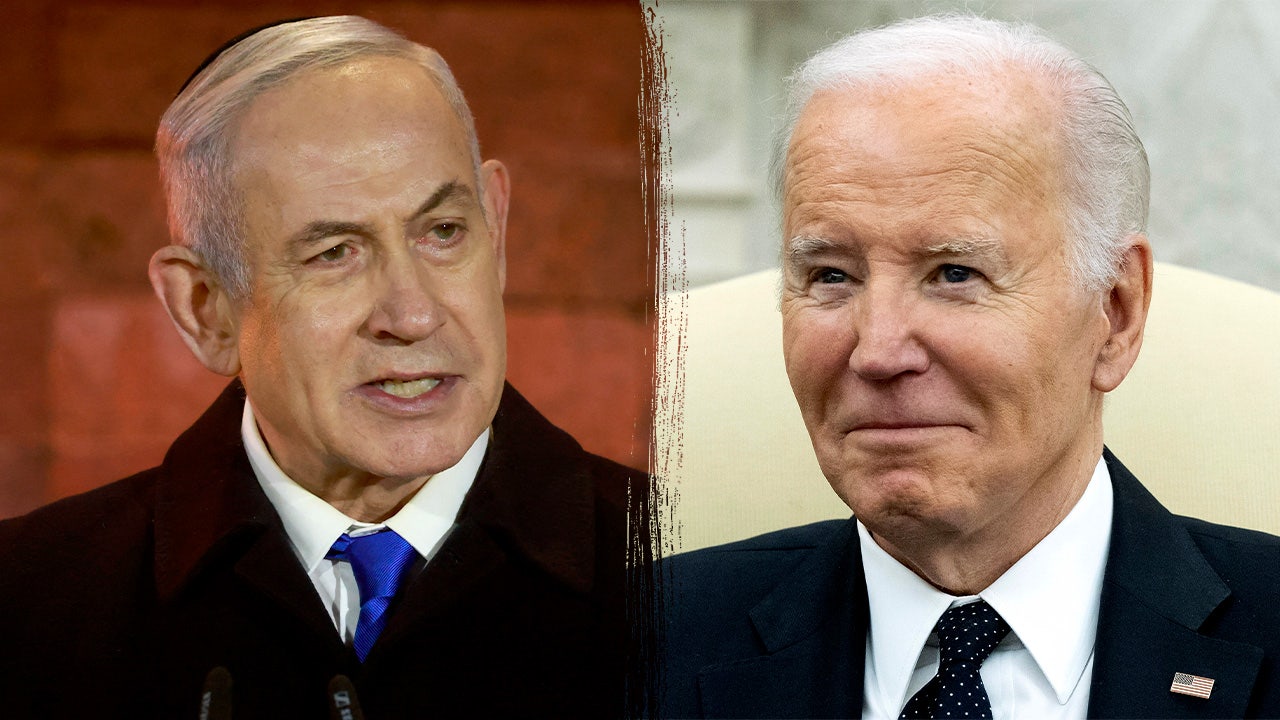
Forty-two House Democrats joined Republicans in voting for a bill to sanction the International Criminal Court in response to its prosecutor seeking arrest warrants against Israeli officials, including Prime Minister Netanyahu. The bill passed 247-155 despite the Biden administration's opposition, which argued for more effective ways to support Israel and promote international justice. Bipartisan talks on the measure broke down, with both parties blaming the White House for the impasse.
Senate Republicans blocked a bipartisan border security bill for the second time, thwarting Democrats' efforts to address immigration issues ahead of the election. The 43-50 vote fell short of the 60 needed to advance the legislation, which was abandoned by Republicans following Donald Trump's opposition. Democrats aimed to highlight Republican inaction on border security, while Republicans accused Democrats of political maneuvering. The bill proposed stricter asylum rules and expanded detention facilities but faced opposition from both conservative and liberal factions.
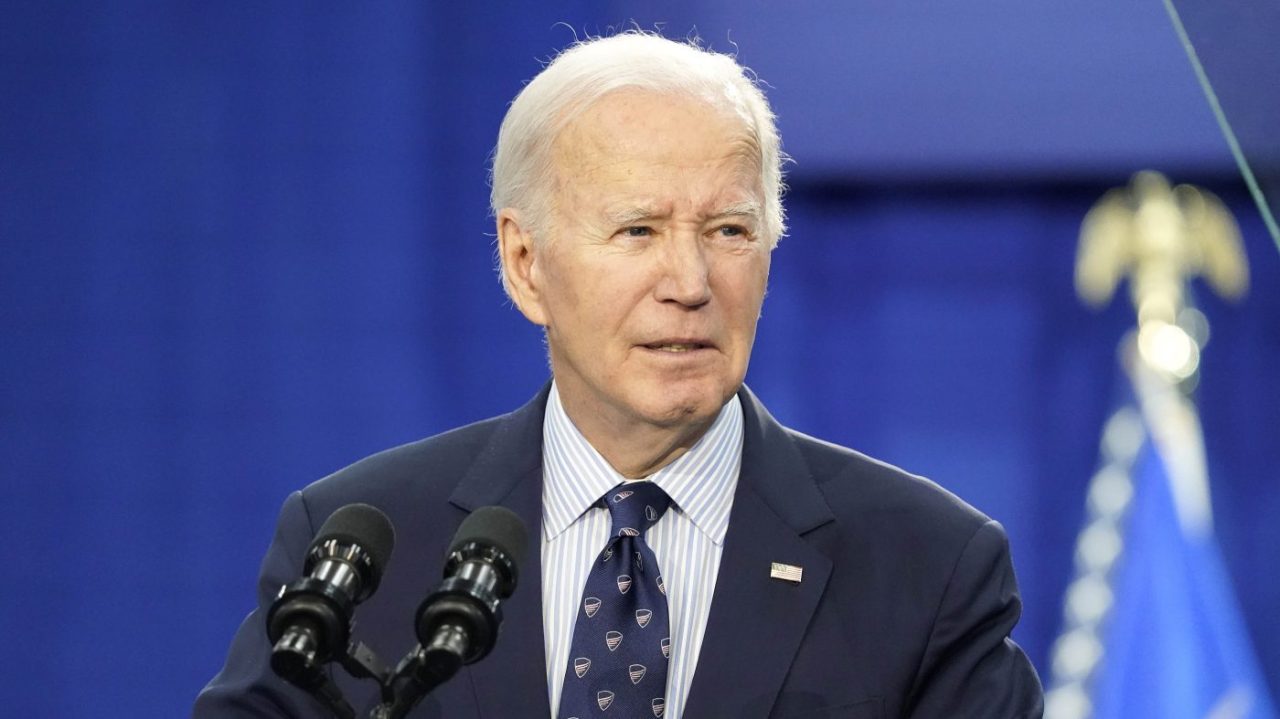
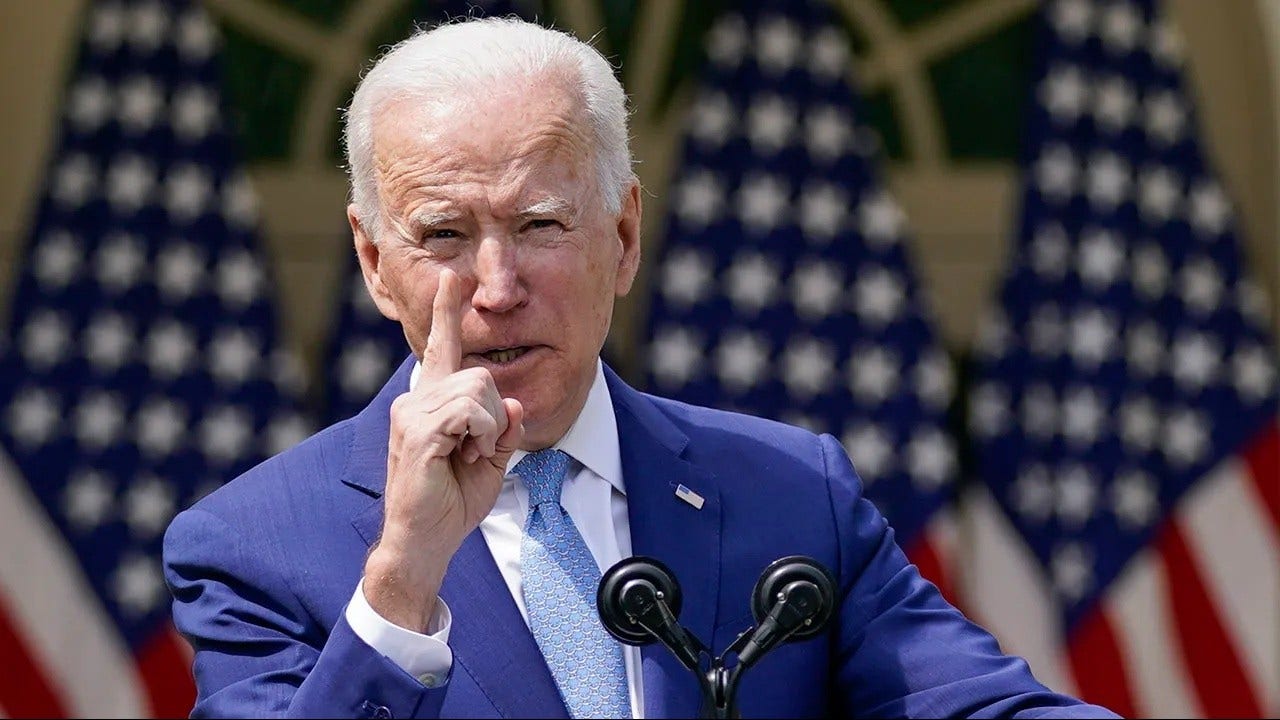
President Biden is considering whether he has the authority to unilaterally close the southern border with Mexico, as the administration grapples with the influx of migrants. He expressed frustration over the failure of a bipartisan border security bill and blamed former President Trump for influencing Republicans to block it. Biden emphasized his commitment to the bipartisan bill and criticized the politicization of legislation, while Trump celebrated the bill's collapse during a speech to the National Rifle Association.
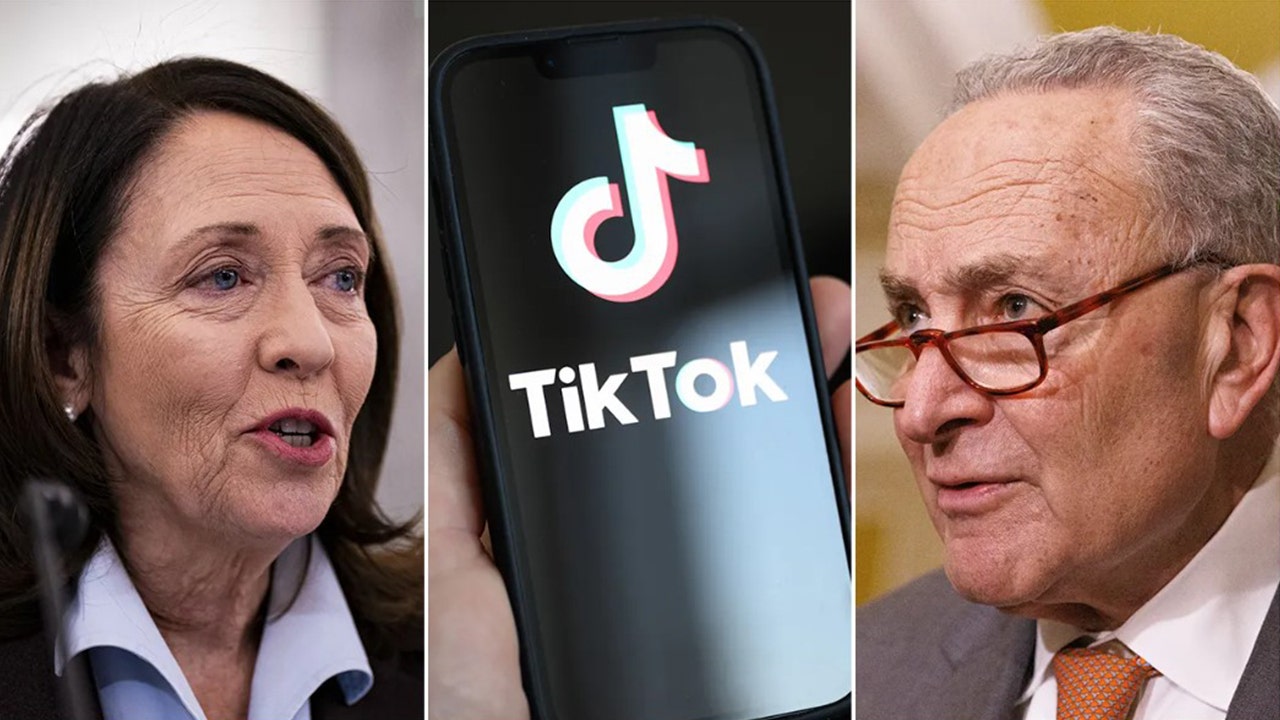
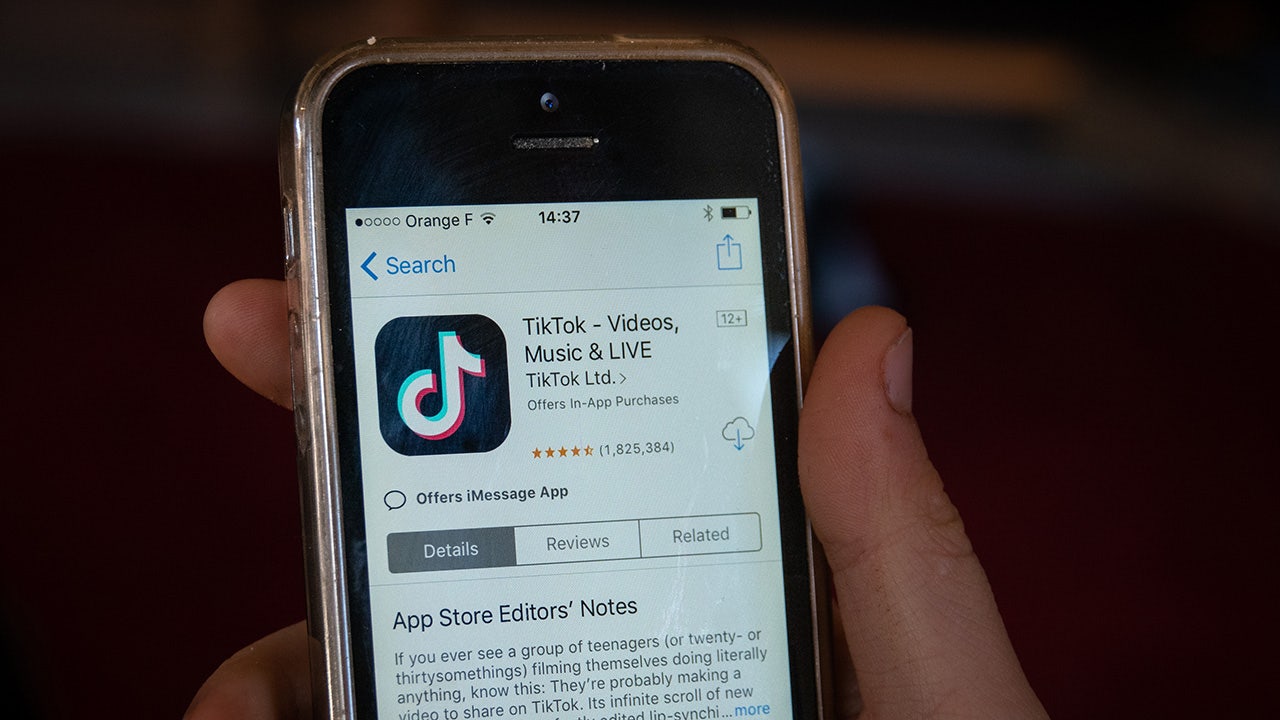
Senators criticize the delay in the Senate for the House-passed TikTok bill, which aims to force the app to divest from Chinese company ByteDance or be banned in the U.S., citing it as a pressing national security concern. Some senators believe the referral of the bill to the Commerce Committee is a delay tactic, while others argue for regular order and hearings. Despite bipartisan support in the House, the bill's fate in the Senate remains uncertain, with concerns raised about potential conflicts of interest and political hesitations.
The compromise text of the fiscal 2024 defense spending bill, totaling $825 billion, includes funding for eight battle ships, new aircraft, and multiyear procurement for critical munitions. It also provides a small amount of Ukraine military aid, retains $300 million for the Ukraine Security Assistance Initiative, and allocates funds for various defense programs. The bill eliminates some Republican amendments and includes a boost to the Pentagon's Defense Innovation Unit, while cutting funding for the Defense Department civilian workforce.
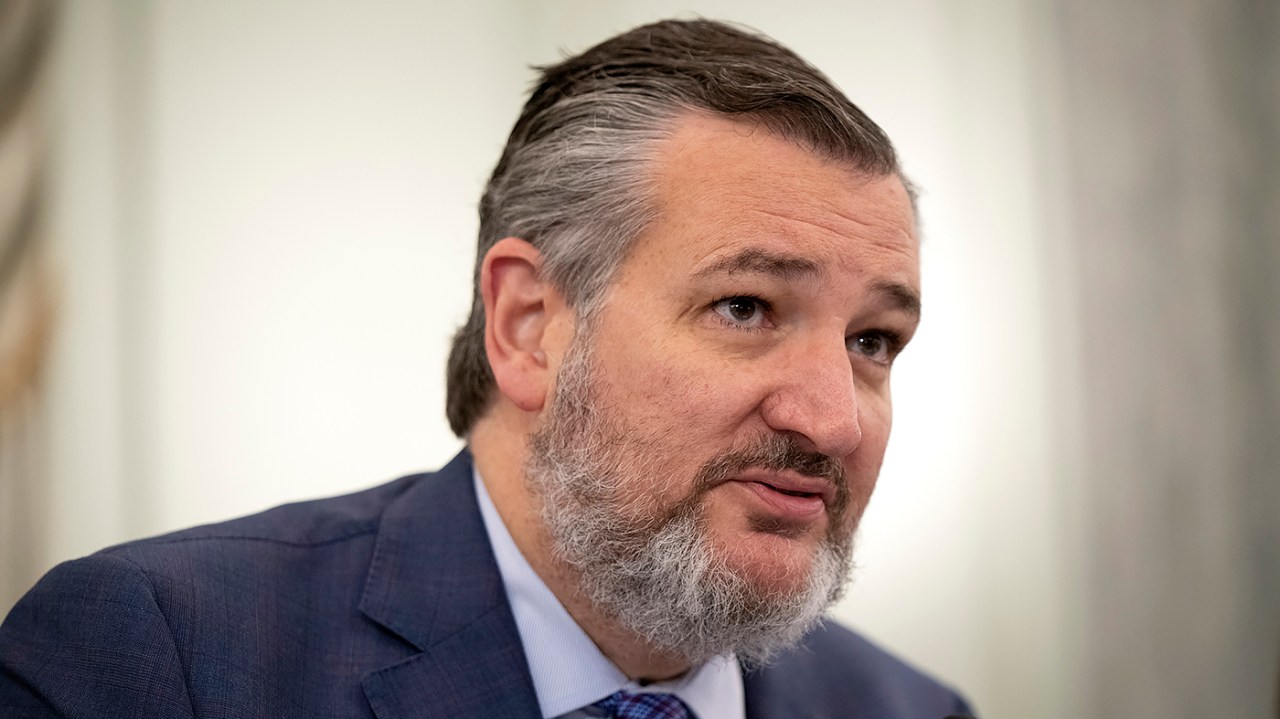
Senator Ted Cruz argues that the controversial bill to force TikTok's Chinese parent company to sell the app or face a ban in the US will benefit users by preventing Chinese influence and protecting privacy. He and other senators aim to clarify that the bill is not about stifling creativity but about safeguarding against manipulation by the Chinese Communist Party. The bill, which has faced opposition from TikTok, has passed the House and is expected to be considered by the Commerce Committee.
Congressional leaders are working to approve a $1.2 trillion spending package before the funding deadline, with the bill expected to pass and wrap up Congress' work on spending bills for the year. The package includes about $886 billion for defense and funds various government agencies. House Republicans secured policy changes in the negotiations, while Democrats celebrated staving off most Republican policy mandates. The bill largely tracks with an agreement from 2023 and includes provisions such as a prohibition on funding for a United Nations relief program for Palestinian refugees.
President Biden expressed support for a bipartisan bill that would ban TikTok in the U.S. if its China-based parent company ByteDance does not divest its stake in the platform, following concerns about ties to the Chinese Communist Party. The bill, which passed unanimously in a bipartisan committee, aims to protect American users from digital surveillance and influence operations. TikTok, with over 170 million U.S. users, has denied sharing user data with the CCP and criticized the bill as an outright ban that would infringe on First Amendment rights.
A bipartisan bill that would force TikTok's Chinese parent company ByteDance to divest its applications within 180 days or face a ban has passed a House committee with unanimous support, heading to the House of Representatives. The bill, authored by Rep. Mike Gallagher, aims to address concerns about national security and potential Chinese Communist Party influence. TikTok and ByteDance have criticized the bill, claiming it infringes on free speech, while lawmakers have cited the app's harmful influence and potential misinformation as reasons for the legislation.