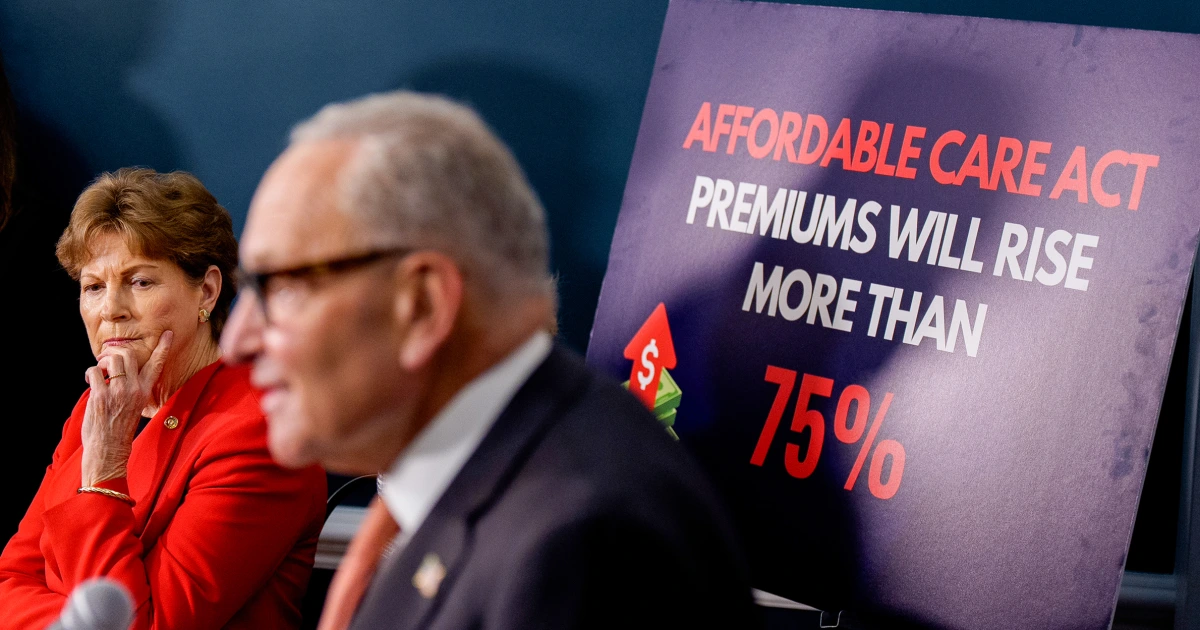
Rising premiums due to the expiration of ACA subsidies are prompting many Americans, like Ginny Murray and D'nelle Dowis, to consider dropping their health insurance, risking financial hardship in case of serious illness, as the cost of coverage becomes increasingly unaffordable for the middle class.
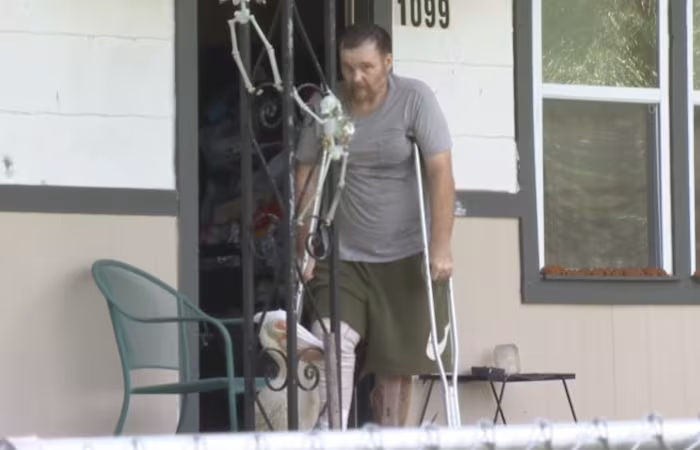
A Jacksonville man with flesh-eating bacteria claims he was discharged early from the hospital due to lack of insurance, but the hospital states they treat all patients compassionately and encourage financial assistance. The man is now worried about his health and his business, but his leg may avoid amputation. The CDC provides guidelines to prevent such infections.
The article discusses the potential consequences of recent Medicaid cuts, highlighting how reduced coverage could increase financial strain on hospitals, clinics, and patients, ultimately leading to higher uncompensated care costs, medical debt, and negative health and economic outcomes for society.
The Congressional Budget Office reports that the GOP megabill will add $3.4 trillion to the deficit, reduce the uninsured by fewer people than initially estimated (10 million instead of 11.8 million), partly due to the removal of a policy affecting undocumented immigrants, and includes a new accounting tactic that shows a smaller deficit increase of $366 billion under certain assumptions.
The proposed megabill significantly restricts health coverage for legal immigrants, potentially leaving 1.3 million uninsured by 2034, and raises concerns about increased uncompensated care and strain on healthcare systems, especially affecting low-income green card holders and Medicaid-eligible populations.
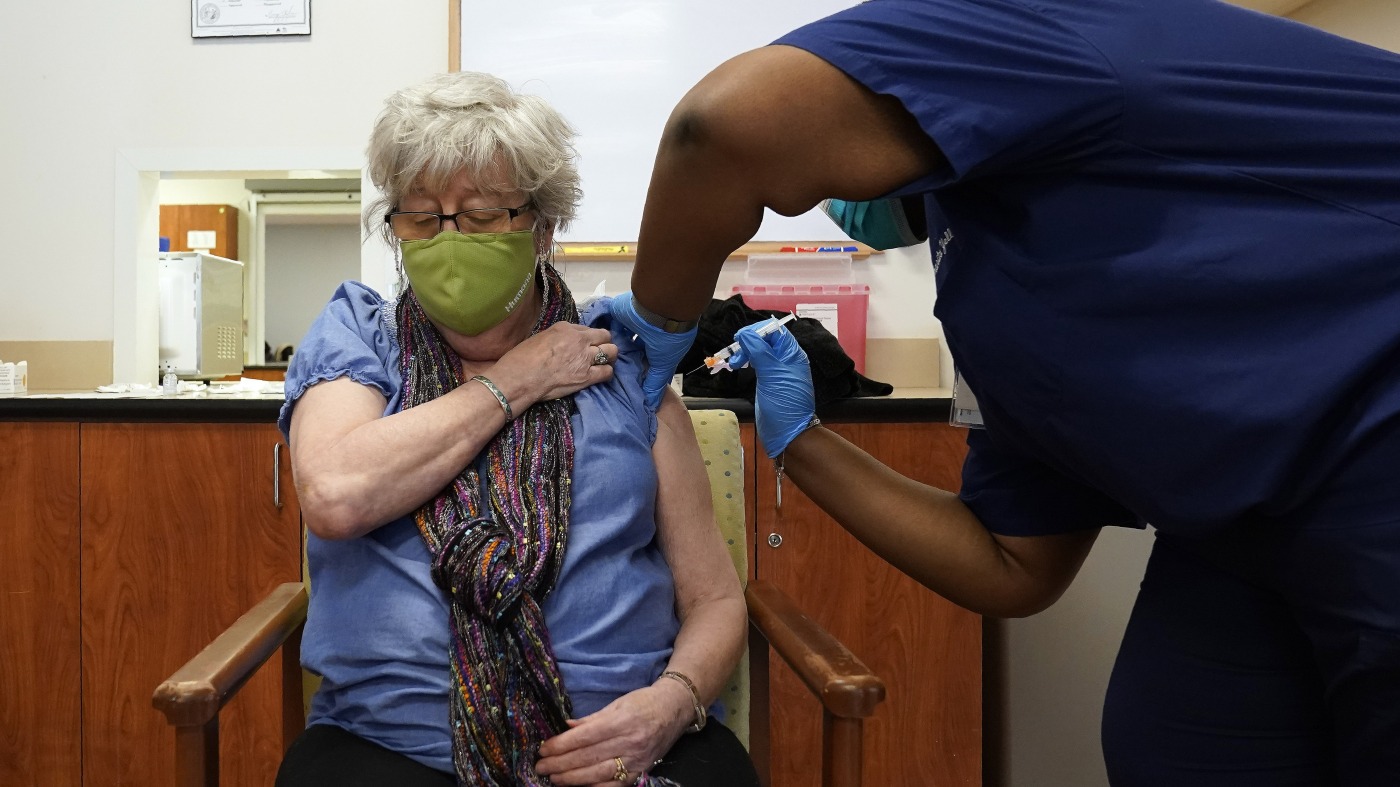
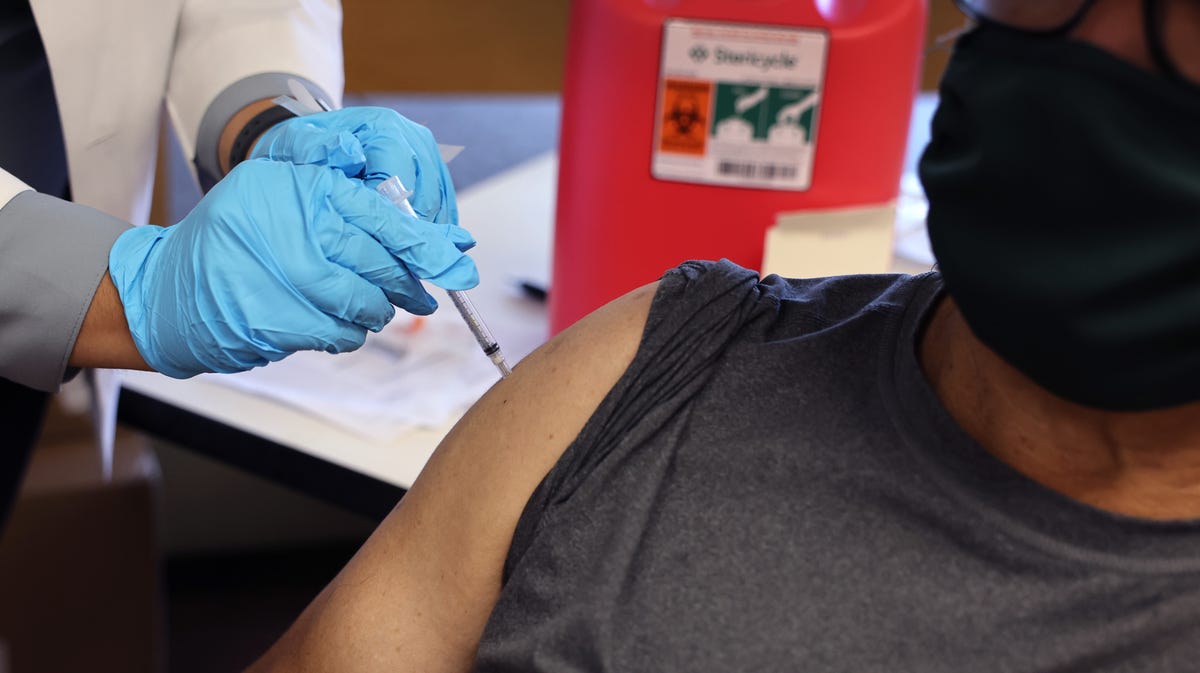
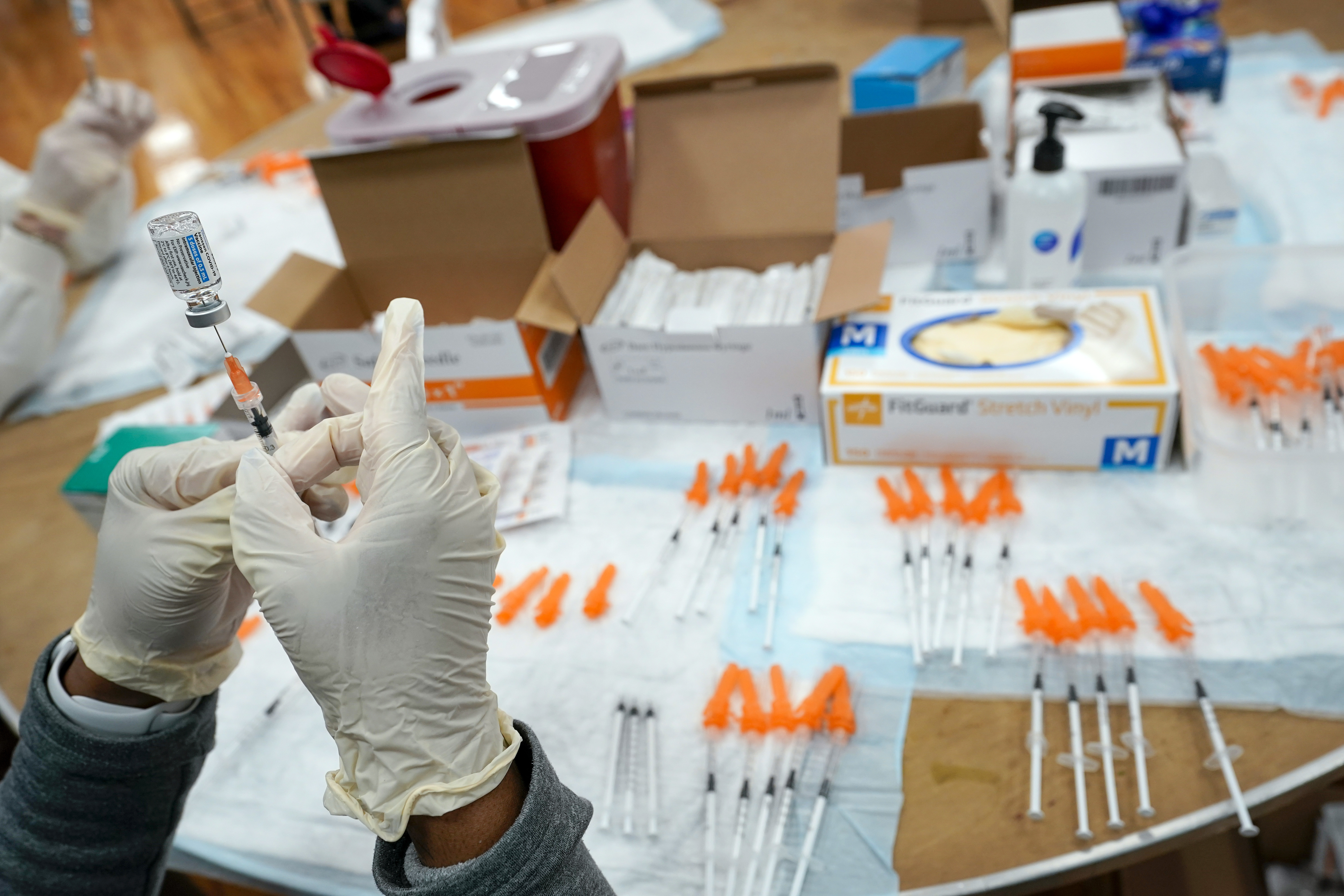
The U.S. government's Bridge Access Program, which provided free COVID-19 vaccines to uninsured and underinsured individuals, is ending in August due to the expiration of pandemic-era funding. Health officials and community leaders express concern about the impact on low-income populations and the potential for increased COVID-19 cases. Efforts are being made to secure permanent funding for routine vaccinations, but the immediate future remains uncertain.
In Florida, millions of Americans, including the Navas family, have been affected by Medicaid disenrollment, with nearly a quarter of adults disenrolled from Medicaid reporting being uninsured. The unwinding process has led to difficulties in renewing coverage, leaving many people without insurance temporarily and causing delays in seeking care. States are reassessing eligibility for Medicaid, leading to the disenrollment of about 20 million people, with the process expected to continue for several more months. The survey found that nearly 1 in 3 disenrolled adults only discovered they had been dropped from Medicaid when seeking healthcare, highlighting the challenges in communicating with enrollees during the eligibility review process.
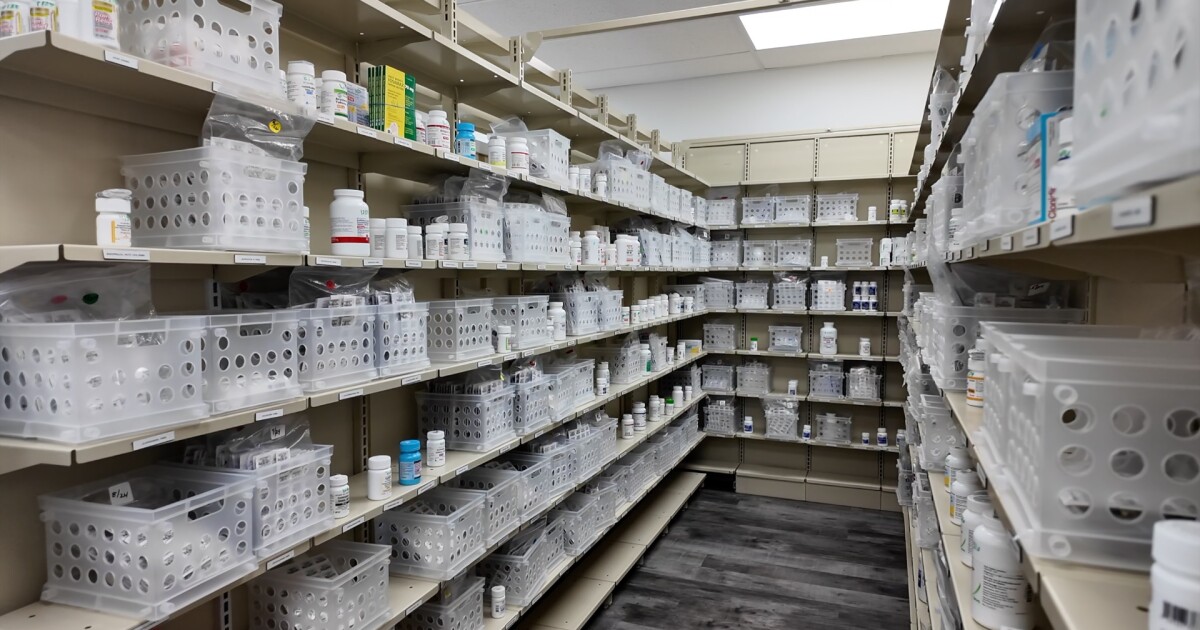
St. Vincent de Paul Charitable Pharmacy in Clermont County opens a new location in Milford, Ohio, providing free medication to uninsured or underinsured individuals, aiming to expand access beyond Clermont County. The pharmacy, which has already provided 825,000 free prescriptions worth over $120 million since 2006, addresses the critical need for affordable medication and relies on volunteers and donations, including unused medications like insulin, inhalers, and blood thinners.
The Biden administration is working to accelerate the timeline for pharmacies to offer free Covid vaccines to uninsured Americans. Originally planned for October, the administration is now aiming for mid-September, coinciding with the release of an updated version of the vaccine. The move comes after concerns were raised about the timing gap and its potential impact on the fall vaccination campaign. While negotiations are still underway, the Centers for Disease Control and Prevention (CDC) is hoping to finalize contracts with pharmacies to ensure the availability of vaccines for the uninsured. However, the success of this effort is not guaranteed, and logistical challenges may still need to be addressed. The CDC estimates that around 30 million uninsured or underinsured individuals will need to pay for the Covid vaccine this fall.
More than 600,000 Americans have lost Medicaid coverage since pandemic protections ended on April 1, with the vast majority removed from state rolls for not completing paperwork. Lawmakers and advocates are expressing alarm over the volume of people losing coverage and, in some states, calling to pause the process. About 15 million people will be dropped over the next year as states review participants’ eligibility in monthly tranches. The uninsured rate among those under 65 is projected to rise from a historical low of 8.3% today to 9.3% next year, according to the Congressional Budget Office.
The Biden administration plans to spend over $1 billion on a new program called the Bridge Access Program for Covid-19 Vaccines and Treatment, which will offer free coronavirus shots to uninsured Americans later this year after the vaccines move to the commercial market. The program will include a partnership with pharmacy chains that will cover the administrative costs of giving the doses to patients. Pfizer and Moderna have pledged to offer the shots at no cost to those who lack insurance. The administration is also planning to buy discounted doses for community health clinics and federal and state vaccination programs that traditionally deliver vaccines to the uninsured.
The requirement that states keep people on Medicaid during the pandemic has ended, and 15 million people could lose their coverage as a result. The federal government has estimated that about 15 million people will lose coverage in the coming months, including nearly seven million people who are expected to be dropped from the rolls even though they are still eligible. The changes in eligibility could lead to more people signing up for private coverage through the Affordable Care Act’s marketplaces, where some people who lose Medicaid coverage will be eligible for free plans.
Millions of people will begin to lose their health insurance on Saturday, as five states begin the unwinding of a pandemic-era protection that kept people from being removed from the Medicaid rosters. The issue that advocates are concerned about is that not enough people know they're about to get kicked off their coverage. Despite the dire stakes, losing Medicaid is a common problem that used to happen annually before the pandemic. The Department of Health and Human Services estimates that roughly 7 million Americans who still qualify for Medicaid will lose benefits. Another 8 million will lose coverage because they no longer qualify and need outreach to understand where they can enroll in other, low-cost government health programs through the Affordable Care Act.
Millions of low-income Americans who received Medicaid benefits during the pandemic face losing coverage as the temporary guarantee that preserved the safety-net health coverage for the past three years comes to an end. States will begin to sever an anticipated 15 million low-income Americans from Medicaid rolls that ballooned to record heights because of a pandemic-era promise that people with the health insurance could keep it. The unwinding has led to an unparalleled choreography between federal health officials, who oversee the program, and states, which set many of their own eligibility rules and carry out the ground-level work.