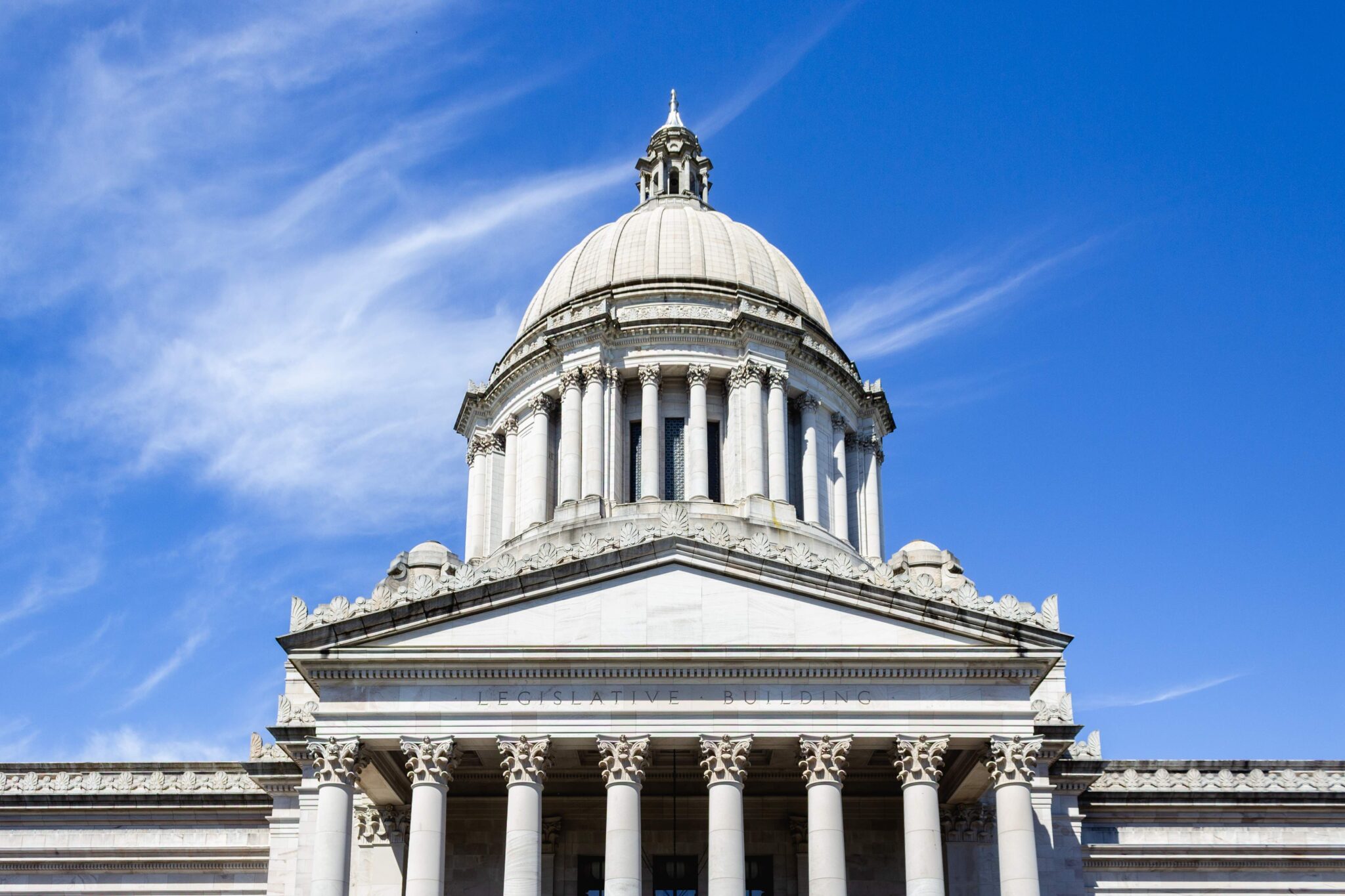
Starting January 1, Washington state implements new laws including extended unemployment benefits for striking workers, increased taxes on large businesses and technology companies, higher transportation fees, a nicotine tax, and measures to reduce plastic waste, along with new options for including blood type on IDs and requirements for movie captioning.
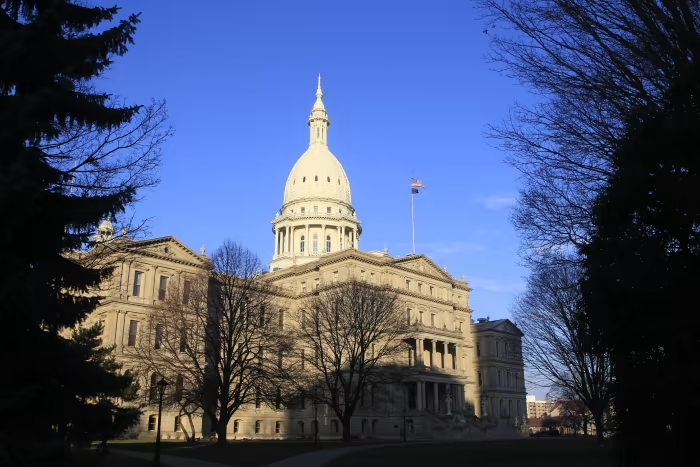
Starting January 1, 2026, Michigan will implement new laws including a 24% wholesale tax on recreational cannabis, a raise in minimum wage to $13.73, increased unemployment benefits up to $530 per week, and measures to crack down on ticket bots, along with various safety, education, and infrastructure reforms.
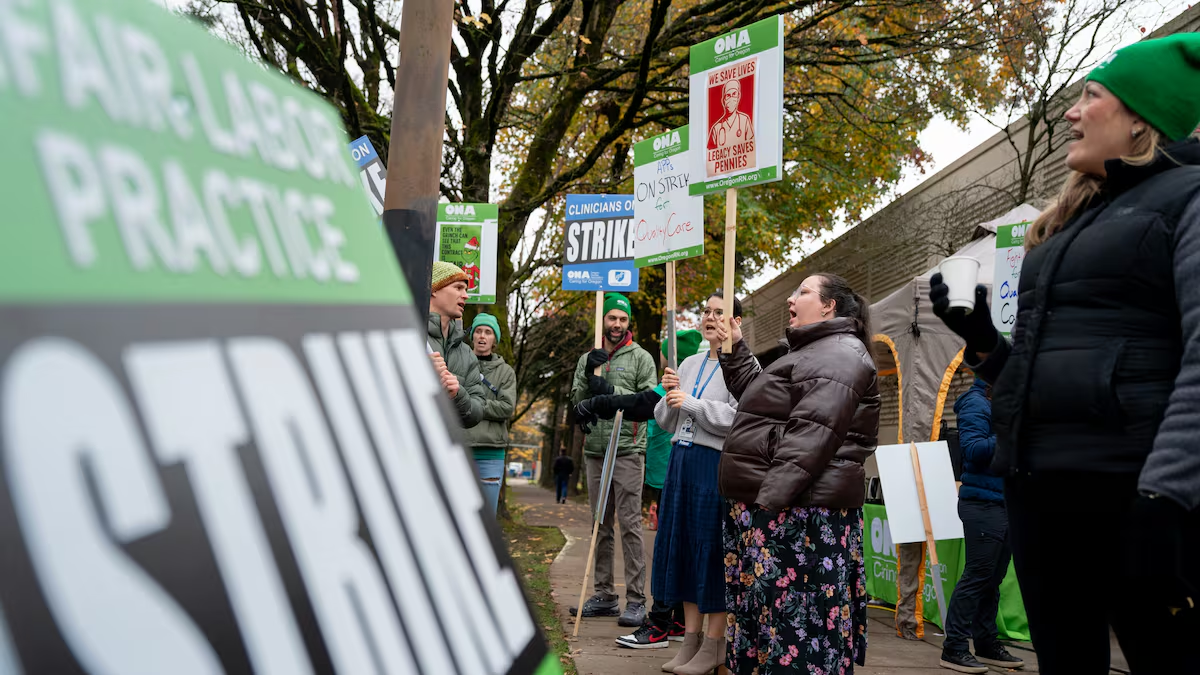
Oregon is implementing new laws effective Jan. 1, including relaxed standards for civil commitment of mentally ill individuals, allowing striking workers to receive unemployment benefits, restricting sales of nitrous oxide and aerosol dusters, raising the legal marriage age to 18, and enhancing protections for ticket buyers and against AI-generated deepfake images.
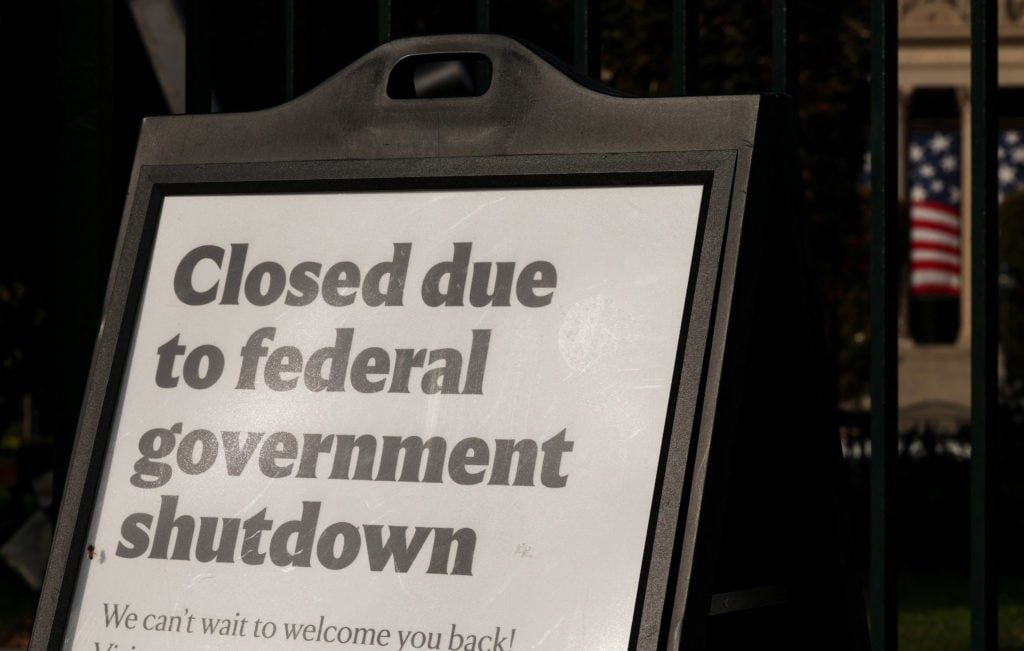
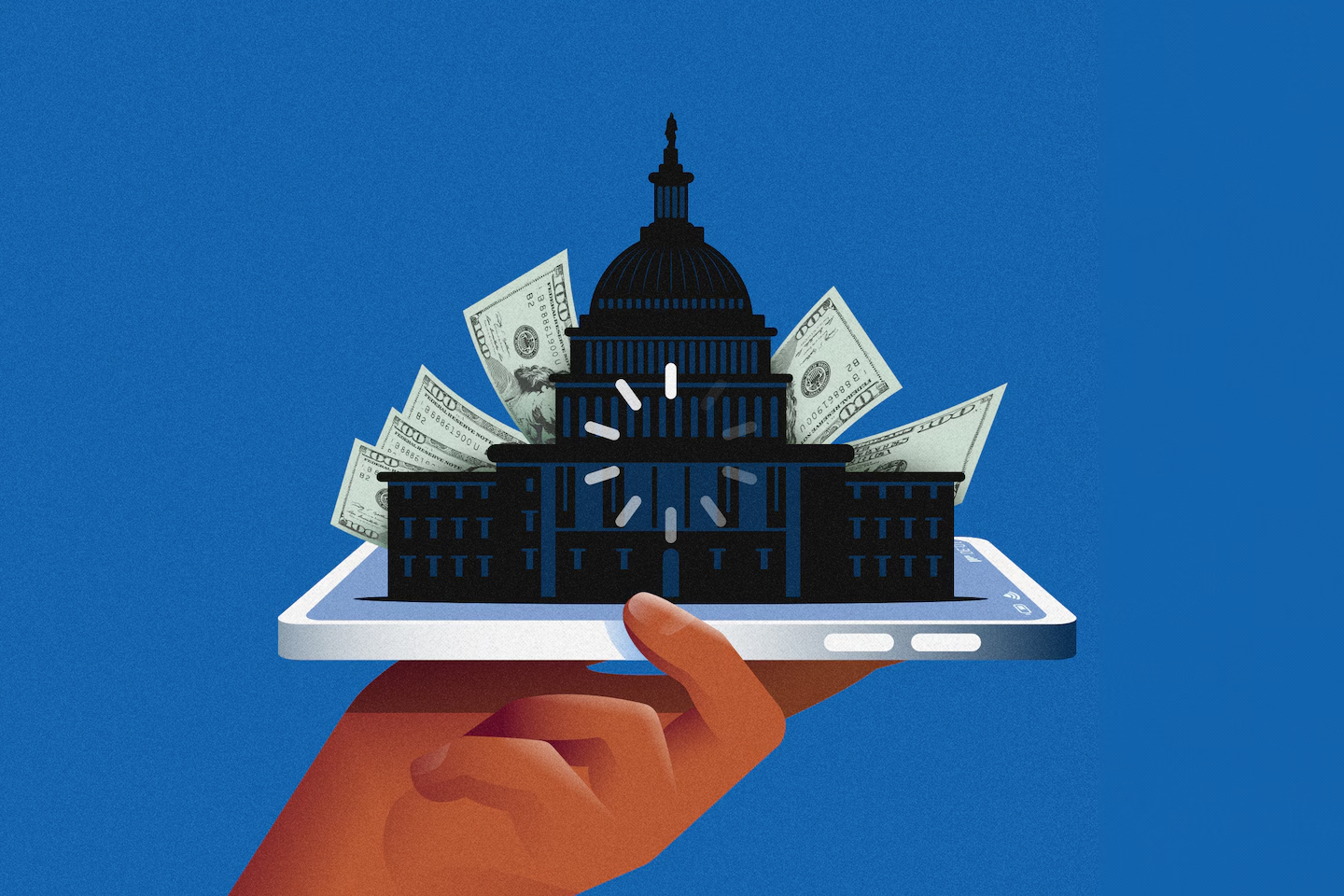
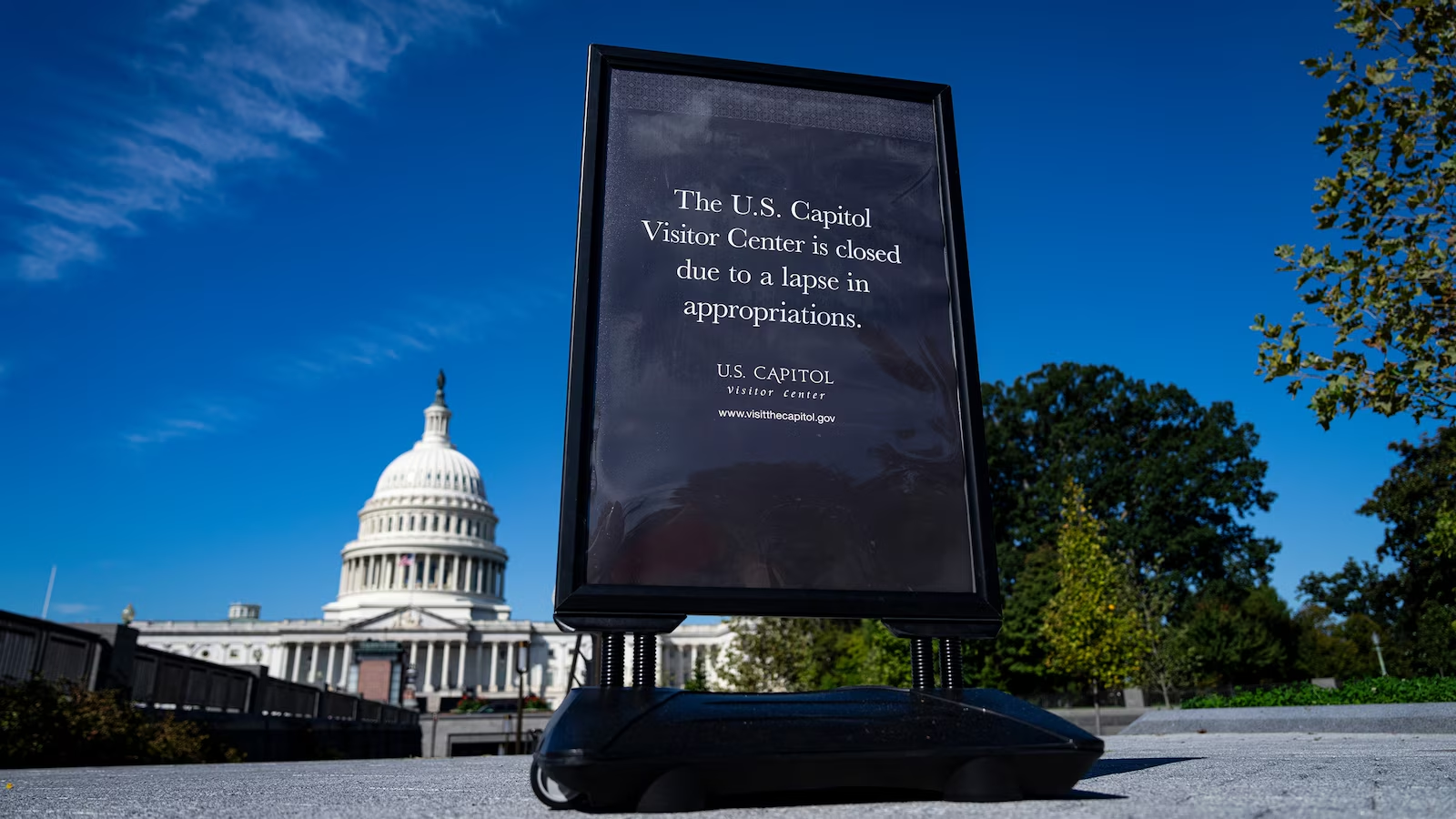
During the government shutdown, many furloughed federal workers, like Imelda Avila-Thomas, face delays in receiving unemployment benefits due to verification issues and varying state laws, highlighting the financial struggles and administrative challenges caused by the shutdown.
During a government shutdown, furloughed workers should urgently contact their unemployment office, communicate with lenders for relief options, reach out to their primary bank for short-term loans, and seek help from nonprofit credit counselors to manage financial hardship and avoid debt pitfalls.
Furloughed federal workers are facing financial hardship due to the ongoing government shutdown, with some planning garage sales and dipping into savings as they await potential backpay and possible unemployment benefits, amid calls for lawmakers to resolve the impasse quickly.
Initial jobless claims in the U.S. dropped to 218,000 for the week ending September 20, the lowest since mid-July, indicating a resilient labor market despite recent volatility and concerns about rising layoffs. The decline suggests that the labor market remains strong, which may influence the Federal Reserve's decisions on interest rate adjustments.
U.S. unemployment claims have risen to their highest level since October 2021, signaling a potential slowdown in the job market and increasing the likelihood of a Federal Reserve rate cut amid sluggish job growth and rising consumer prices.
Recent data indicates the US job market is weakening, with rising unemployment claims, slower job creation, and increased layoffs, suggesting a potential economic slowdown ahead of the upcoming jobs report.
Fewer Americans applied for unemployment benefits last week, indicating low layoffs and a resilient job market despite slower hiring and economic growth. The unemployment rate remains low at 4.2%, and the Federal Reserve is considering interest rate cuts to support the economy amid signs of slowdown.
US weekly jobless claims increased by 11,000 to 235,000, the highest since May, signaling potential weakening in the labor market amid signs of rising layoffs and slow hiring, with ongoing concerns about economic growth and employment prospects.
U.S. unemployment benefit applications increased to 247,000 last week, the highest in eight months, amid concerns over tariffs impacting the economy. Despite this rise, the labor market remains relatively healthy, though signs of cooling include fewer job quits and a slowdown in job growth, with analysts expecting only 130,000 new jobs in May. Tariffs and global economic uncertainties continue to influence business sentiment and employment trends.
The California Employment Development Department (EDD) is challenging the Hollywood practice of paying workers through loan-out companies, which could have significant implications for the industry. The EDD argues that payments should be made directly to the loan-out corporation owners as wages, potentially affecting many productions and workers. Major payroll providers and unions are opposing this position and are preparing to challenge the EDD's stance.
The U.S. Labor Department has reported an unusual consistency in first-time claims for unemployment benefits, with the past several weeks showing exactly 212,000 claims, prompting skepticism and speculation about statistical anomalies and potential manipulation. However, officials attribute the uniformity to seasonal adjustments and new seasonal factors, emphasizing that claims not adjusted seasonally have shown substantial fluctuation. Federal Reserve officials closely monitor these numbers as part of their assessment of the labor market, which has displayed unexpected resilience amid tightening monetary policy.