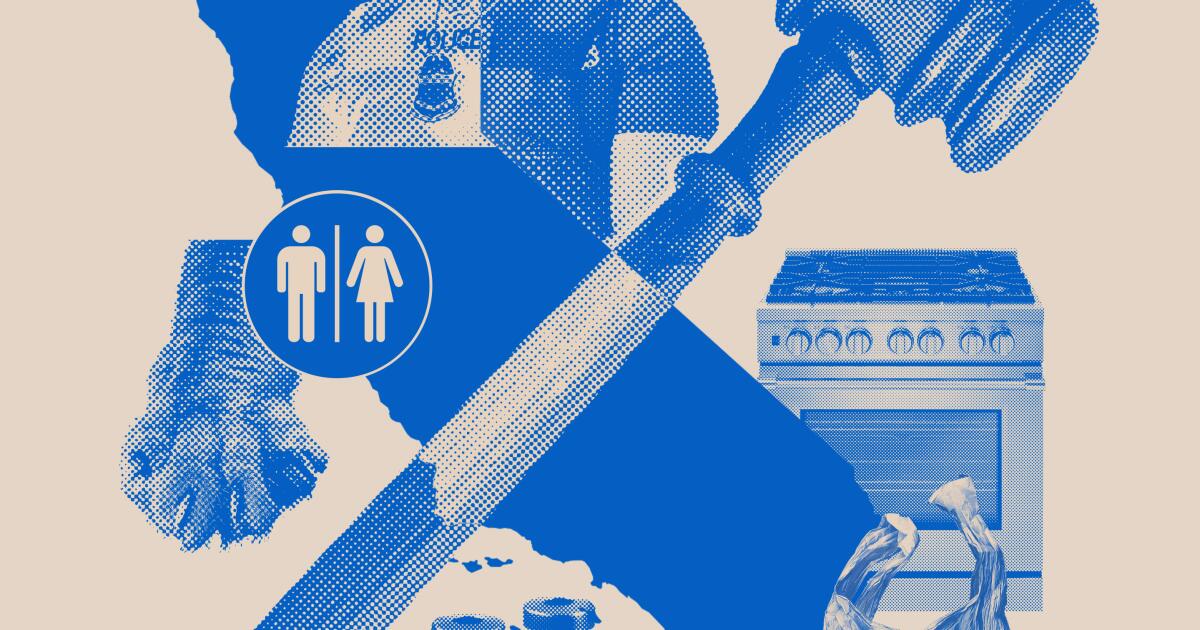
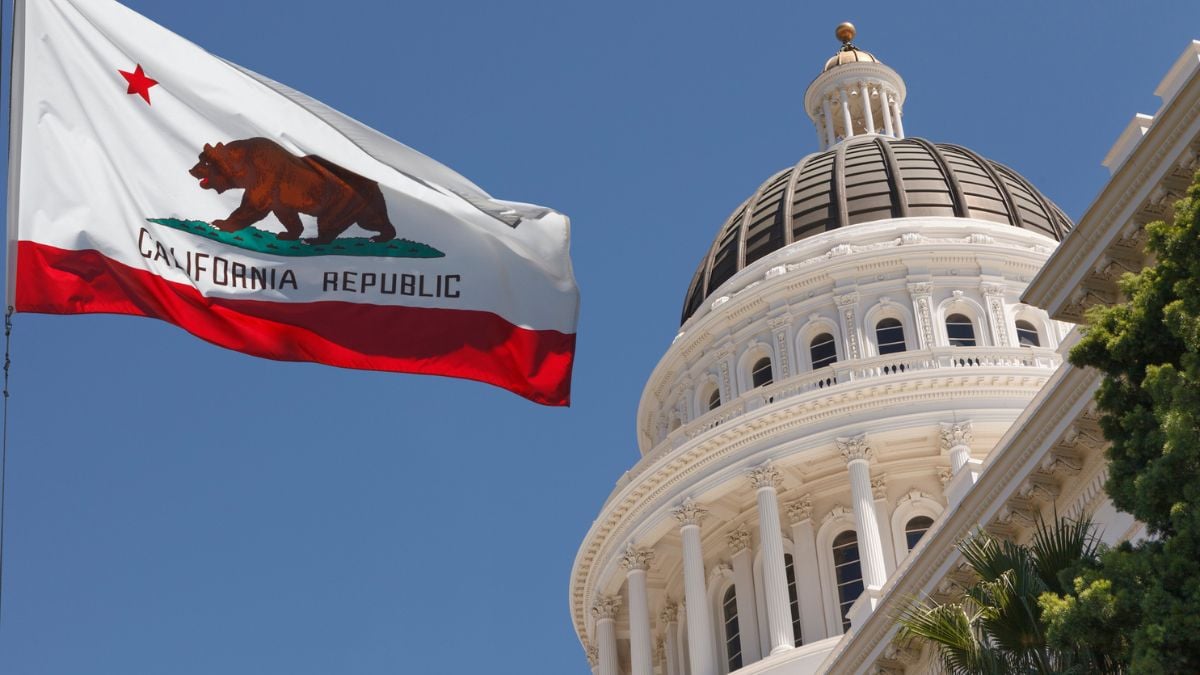
California has enacted nearly 800 new laws effective in 2025, covering areas such as healthcare (insulin cost caps, fertility treatments), law enforcement (mask bans), social issues (Diwali holiday, anti-antisemitism measures), consumer protections (plastic bag ban, food delivery refunds), and housing (faster construction, renter rights), reflecting Democratic priorities and impacting nearly every Californian.
Starting January 1, Washington state implements new laws including extended unemployment benefits for striking workers, increased taxes on large businesses and technology companies, higher transportation fees, a nicotine tax, and measures to reduce plastic waste, along with new options for including blood type on IDs and requirements for movie captioning.
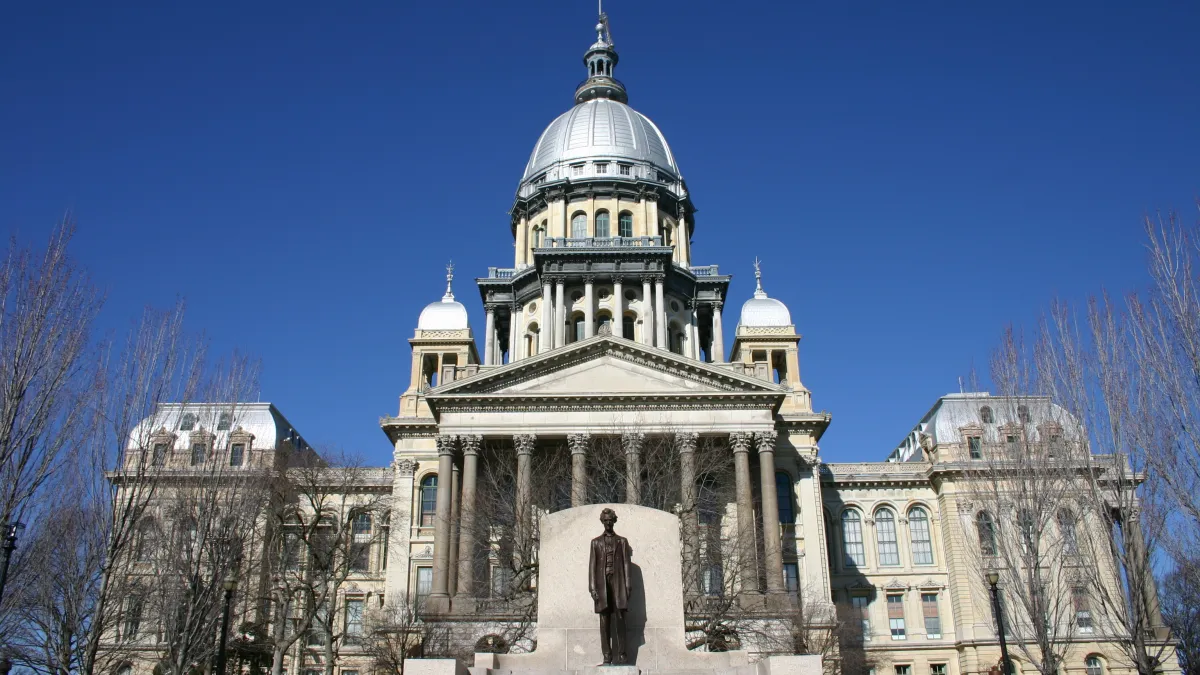
Illinois will end its statewide 1% grocery tax on January 1, but many local municipalities will continue to levy their own taxes. Several new laws will take effect in 2025, including measures to protect aquifers from carbon sequestration, ban single-use toiletries in hotels, improve firefighter safety, and enhance public safety and environmental conservation efforts.
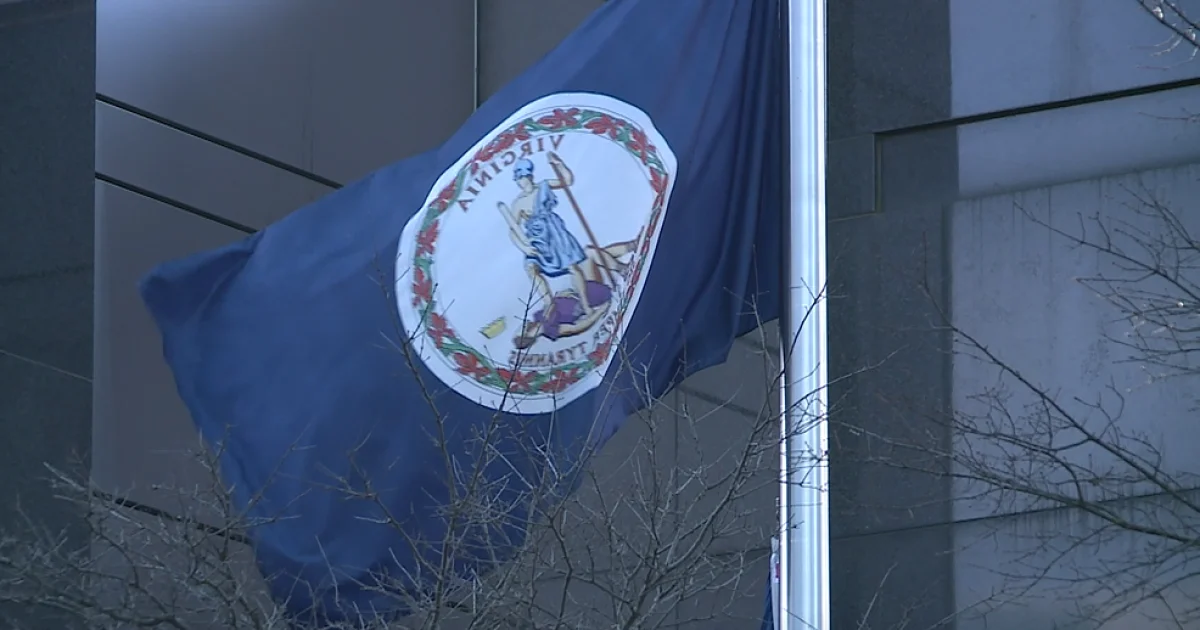
Starting January 1, 2026, Virginia will implement new laws including stricter regulations on baby food safety, enhanced telemarketing opt-out options, social media age restrictions, transparent criminal fines, expanded insurance coverage for cancer screenings, and a slight increase in minimum wage along with higher unemployment benefits.
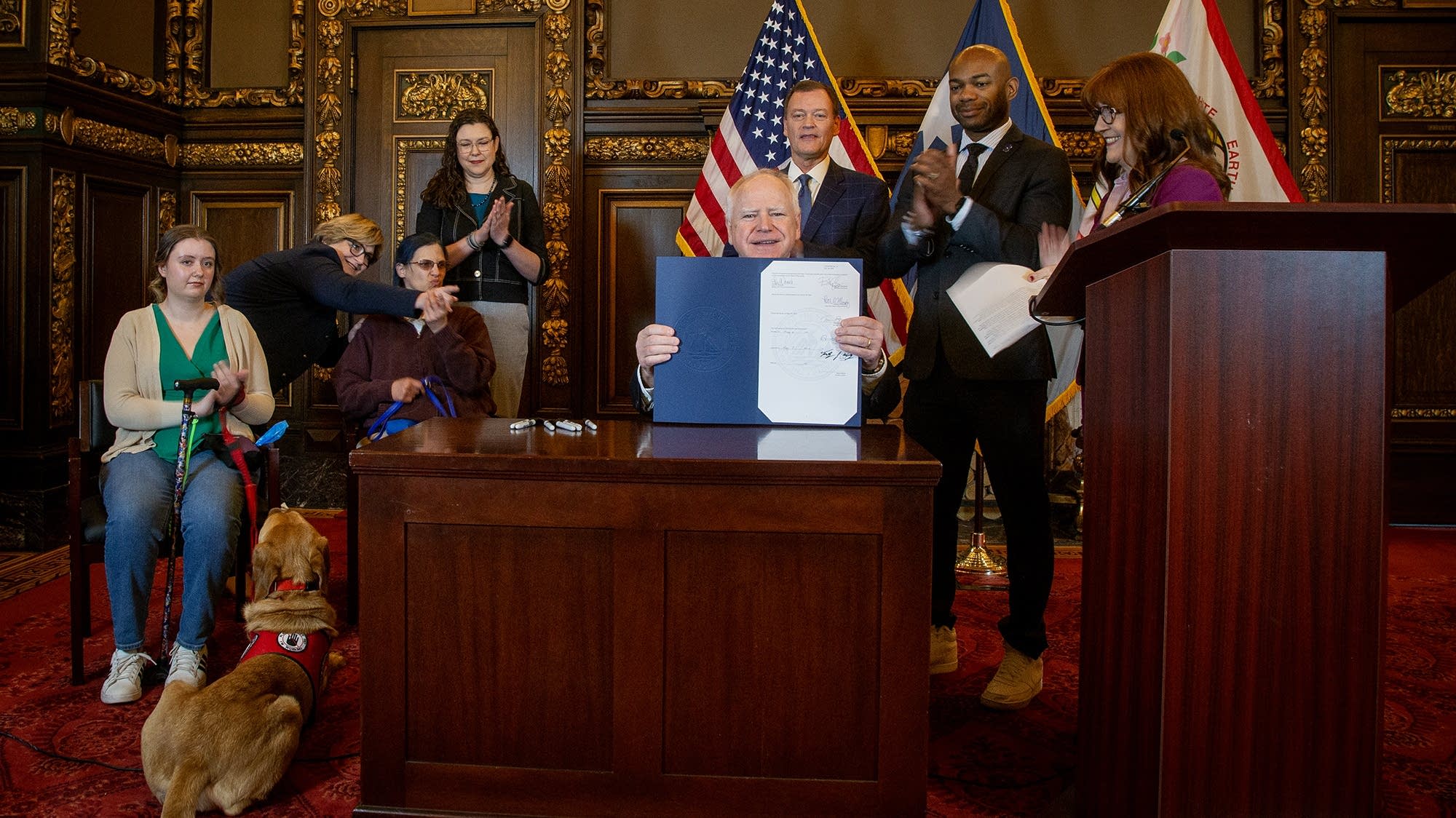
A series of new laws in Minnesota will take effect on August 1, covering areas such as enhanced penalties for repeat impaired drivers, increased speed limits for certain vehicles, background checks for adult businesses, housing rights for service dog trainers, updates to property partition laws, waived court fees for the Office of Ombudsperson for American Indian Families, and limited confidentiality in restorative justice programs.
Starting January 1, 2025, nearly 300 new laws will take effect in Illinois, impacting various aspects of life including healthcare, employment, and insurance. Key laws include mandatory coverage for prostate and cervical cancer screenings, restrictions on corporal punishment in schools, and requirements for employers to disclose pay scales in job postings. Other notable changes involve tenant rights, insurance coverage for medical devices, and prohibitions on certain marketing practices for e-cigarettes. Residents can view the full list of new laws on the Illinois General Assembly's website.
Several new laws will take effect in Minnesota on January 1, 2024. These include the implementation of paid sick and safe time for employees, measures to close the gender and racial pay gap, an increase in the minimum wage, changes to juvenile offender's rights, voting provisions to protect against secret spending and silencing, the introduction of an ergonomics safety program, and new safety standards for contractors at oil refineries.
China has recorded its lowest foreign direct investment (FDI) on record, with a 87% decrease in Q2 2023 compared to the previous year. Experts attribute this decline to new laws that have created a lack of transparency and increased government overreach, dissuading trading partners from developing closer ties. The global supply chain crisis and efforts by countries like the US and Germany to diversify and decrease reliance on China have also contributed to the decline. The sluggish post-pandemic recovery and Xi Jinping's policies of centralizing the economy and cutting off the country from the outside are seen as undermining economic growth and potentially leading to long-term decline.
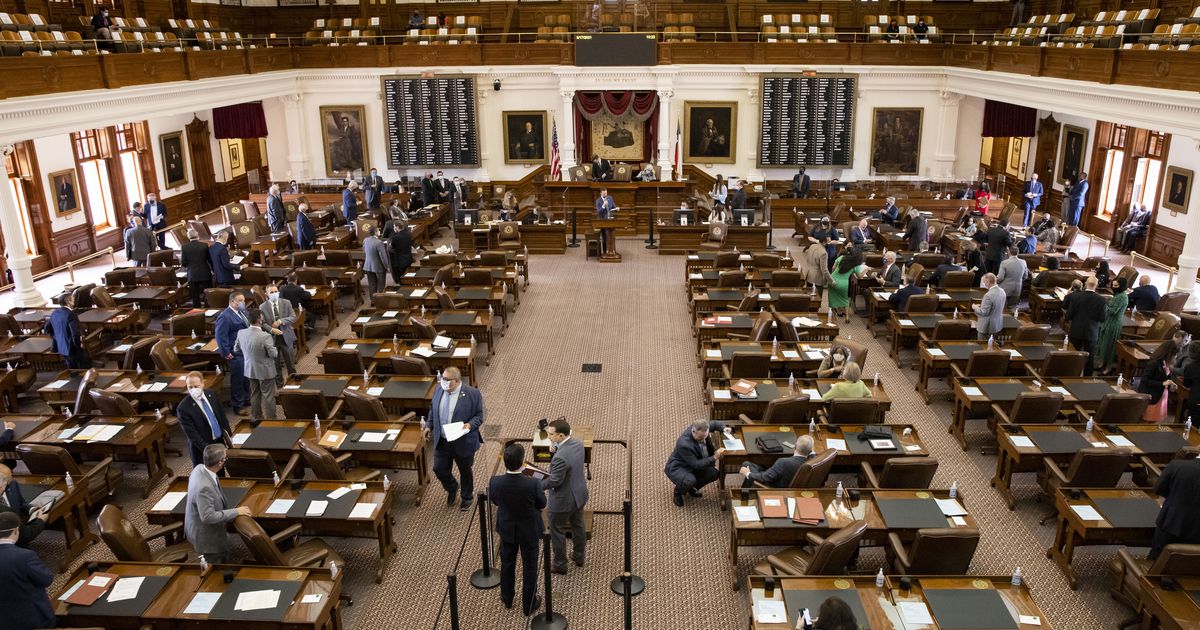
Starting September 1, Texas will implement over 750 new laws, including a ban on gender-affirming care for transgender youth, criminalization of sexually explicit performances in front of children, restrictions on transgender athletes, and a law overriding local ordinances. Other notable laws include the prohibition of HOA discrimination based on payment method, pursuit of murder charges for fentanyl-related deaths, curbing illegal street racing, removal of district attorneys who refuse to prosecute certain offenses, book bans and parental consent requirements in schools, armed personnel at all schools, dismantling of diversity, equity, and inclusion programs at public colleges, and the introduction of unlicensed religious chaplains in schools. Additionally, electric vehicle owners will face new registration fees, speed limits can be temporarily changed, and car dealerships will provide metal license plates instead of temporary paper ones. Texas has also repealed the sales tax on period products and enacted laws against hair discrimination and extended Medicaid benefits for new mothers.
Dozens of new laws will go into effect in Louisiana on August 1, including harsher penalties for drug dealers, requirements for displaying 'In God We Trust' signs in classrooms, limitations on sexually explicit books in public libraries for minors, and a prohibition on foreign adversaries acquiring property in the state. Other laws include the establishment of a victims' fund for vehicular homicide, criminalization of "deepfakes" of minors engaging in sexual conduct, and increased penalties for driving without a license plate.
Starting July 1, several new laws are going into effect in Virginia, including expanding the "Move-Over Law" to require drivers to switch lanes or slow down for any vehicle with flashing hazards, granting local police chiefs the power to declare curfews for up to 24 hours, providing a $300 tax credit for purchasing lockable firearm storage devices, requiring school administrators to notify parents within one day of any bullying incident, banning blue-tinted headlights, allowing out-of-state licensed professionals to work in Virginia, banning the use of TikTok on government devices, and imposing stricter punishments for false 911 calls and child abduction.
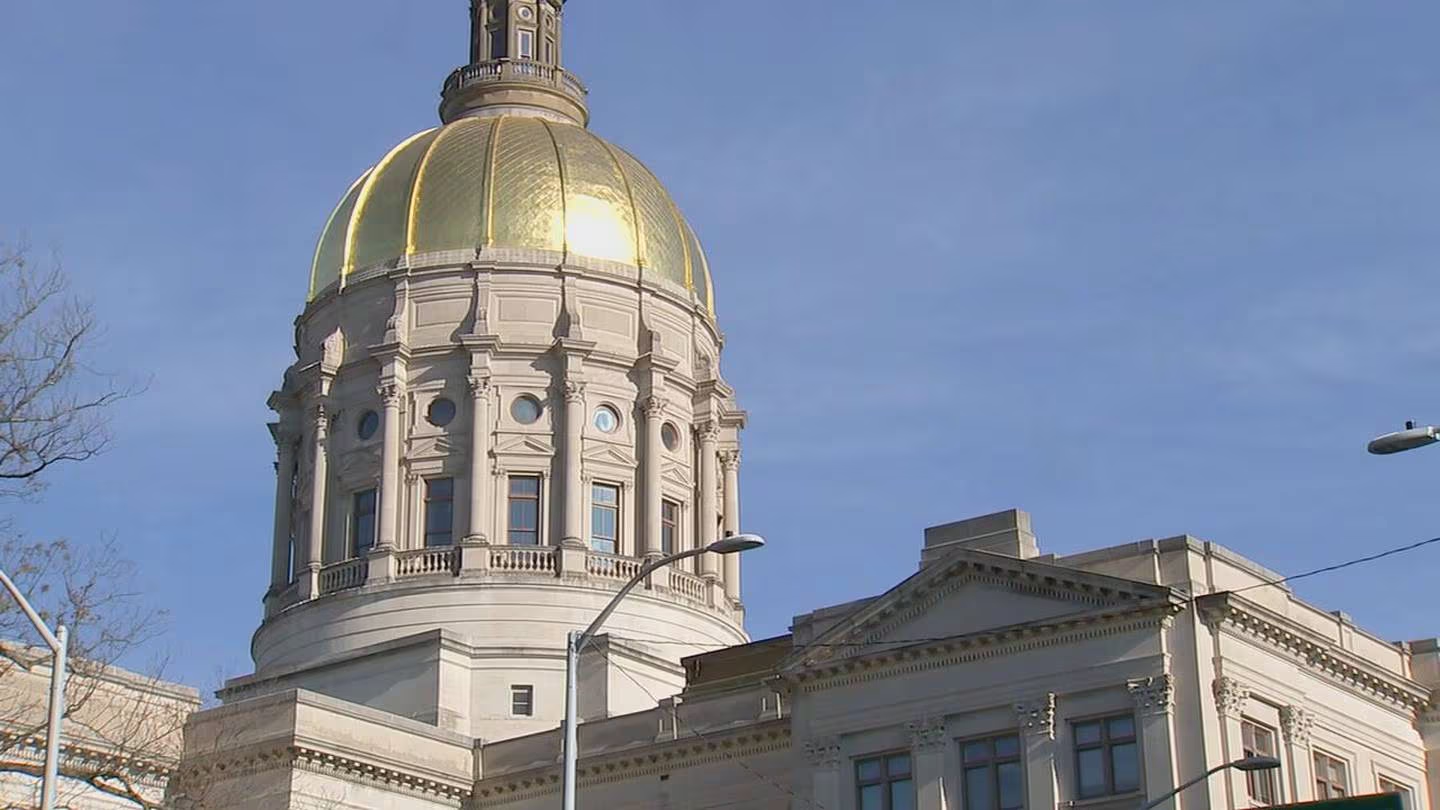
Several new laws have gone into effect in Georgia, including measures to enhance school safety, impose stricter requirements on sexual offenders, protect healthcare workers, lower insurance coverage for ride-sharing and taxi companies, fight terrorism, address prenatal healthcare, regulate vaping, combat dogfighting, oversee prosecutors, provide remote patient monitoring for pregnant women, expand voting rights, restrict gender-affirming care for minors, improve literacy outcomes, and increase student literacy rates.
Thirteen new laws will take effect in Colorado on July 1, including regulations on the use of psychedelics, stricter penalties for auto thefts, and the codification of Miranda rights. The state legislature passed 484 bills, with Governor Jared Polis vetoing 10 and allowing one to pass without his signature. Other laws taking effect include criminal sentencing reforms, a new felony for pointing lasers at aircraft, and exemptions for small businesses from retail delivery fees. The deadline for law enforcement agencies to have body cameras is also July 1.
Several new laws will go into effect in California starting July 1. These include recognizing Juneteenth as an official state holiday, allowing the permanent sealing of most prior convictions on an individual's criminal record, establishing standards of conduct in the firearm industry, streamlining the construction of affordable housing, mandating licensing for bounty hunters, and protecting teachers from repaying overpayments. Additionally, contractors without worker's compensation insurance may risk losing their license.
Starting on July 1, 2023, Virginia will implement several new laws, including expanded protections for drivers on the side of the road, regulations impacting the weed industry, rules for renters and landlords, requirements for schools to notify parents of bullying incidents within 24 hours, and a law mandating age verification for porn sites.