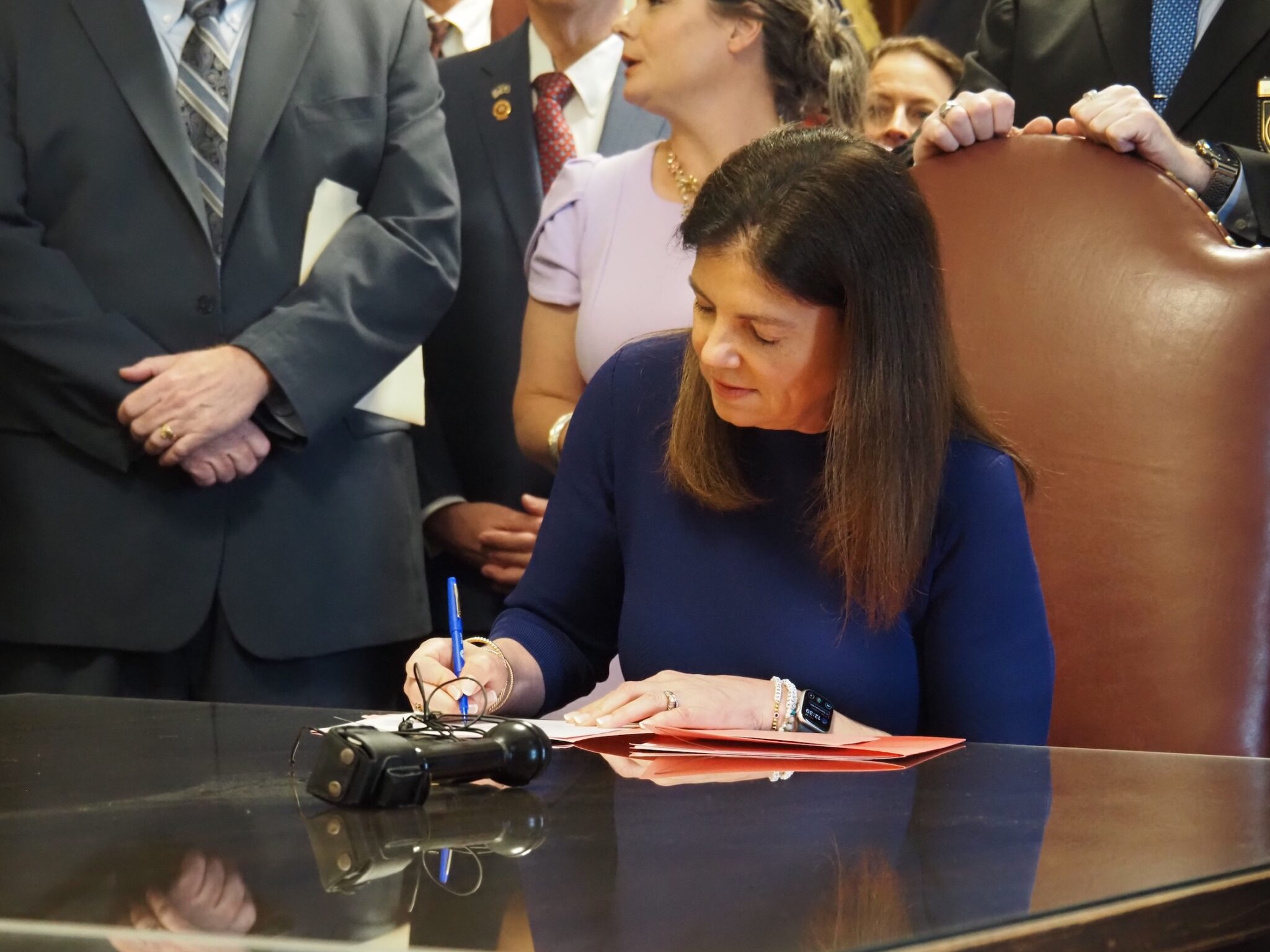
New Hampshire has enacted over 300 new laws effective in 2026, including bans on gender-affirming care for minors, restrictions on sanctuary city policies, fee increases, bans on ambulance surprise billing, regulations on AI use involving minors, and enhancements to voting and public records access, among others.
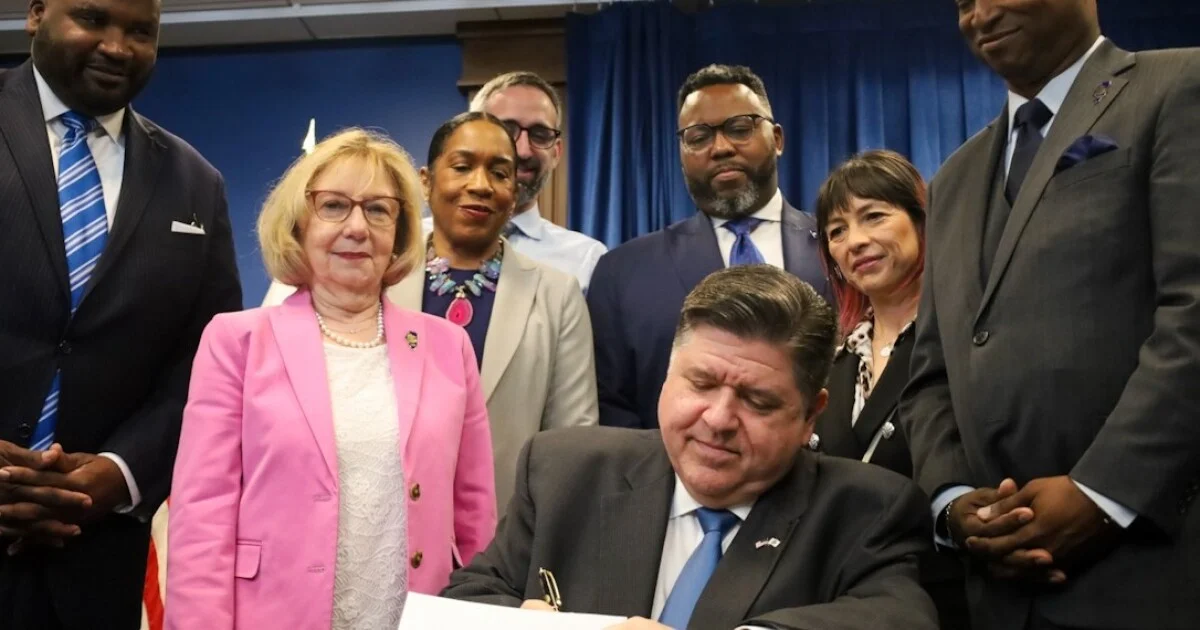
Illinois is implementing over 400 new laws in 2026, covering areas such as victims' rights, education, property, gun safety, and employment, with resources available to help residents understand and navigate these changes.
Several significant laws will take effect in 2026, including tax increases and adjustments, social media restrictions for minors, new labor protections, and transgender rights regulations, impacting various aspects of American life from finances to social media use and workplace safety.
Colorado is implementing about 20 new laws starting January 1, including expanded repair rights for electronics, additional neonatal care leave, stricter gun show security requirements, rent and fee transparency, and enhanced protection for wild bison, reflecting a broad range of policy updates across various sectors.
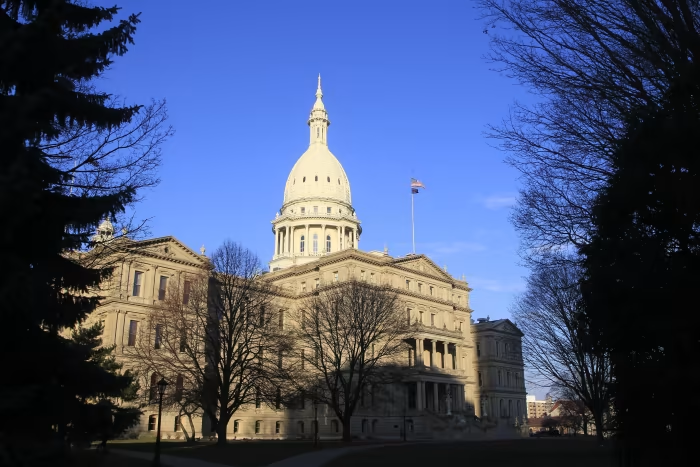
Starting January 1, 2026, Michigan will implement new laws including a 24% wholesale tax on recreational cannabis, a raise in minimum wage to $13.73, increased unemployment benefits up to $530 per week, and measures to crack down on ticket bots, along with various safety, education, and infrastructure reforms.
A California federal judge allowed the federal government to share basic Medicaid participant information with ICE, but blocked sharing of more sensitive data, citing unclear policies and privacy concerns. The ruling permits sharing of minimal data like citizenship, location, and contact info, while safeguarding more detailed health data, amid ongoing legal disputes over immigration enforcement and data privacy.
A federal judge ruled that the Trump administration can share Medicaid data with ICE only for certain basic personal information about unlawfully present immigrants, blocking access to sensitive health records and emphasizing the protection of health privacy laws, marking a setback for efforts to use Medicaid data for immigration enforcement.
A federal judge in San Francisco has blocked ICE from making civil arrests at immigration courts in Northern California, citing concerns over the chilling effect on noncitizens' participation in removal proceedings and the potential for arbitrary detention. The ruling challenges recent policy reversals by the Biden administration and sets the stage for possible appellate and Supreme Court battles over courthouse arrests, with the decision currently limited to Northern California.
Nineteen states and D.C. sued the U.S. Department of Health and Human Services over a declaration that labels gender-affirming treatments for youth as unsafe, aiming to restrict access and challenge federal policies, amid ongoing legal and political battles over transgender healthcare rights.
Starting January 1, 2026, Washington state will implement new laws including a minimum wage increase to $17.13, updates to paid family leave, expanded child support guidelines, strengthened victims' rights, and changes in tax and property laws, reflecting legislative efforts to modernize and improve economic and social protections.
New York Attorney General Letitia James, along with 18 states and D.C., filed a lawsuit against the U.S. HHS over a declaration that seeks to restrict access to gender-affirming care for youth, arguing it unlawfully oversteps legal authority, threatens healthcare providers, and endangers transgender youth's access to necessary medical treatment.
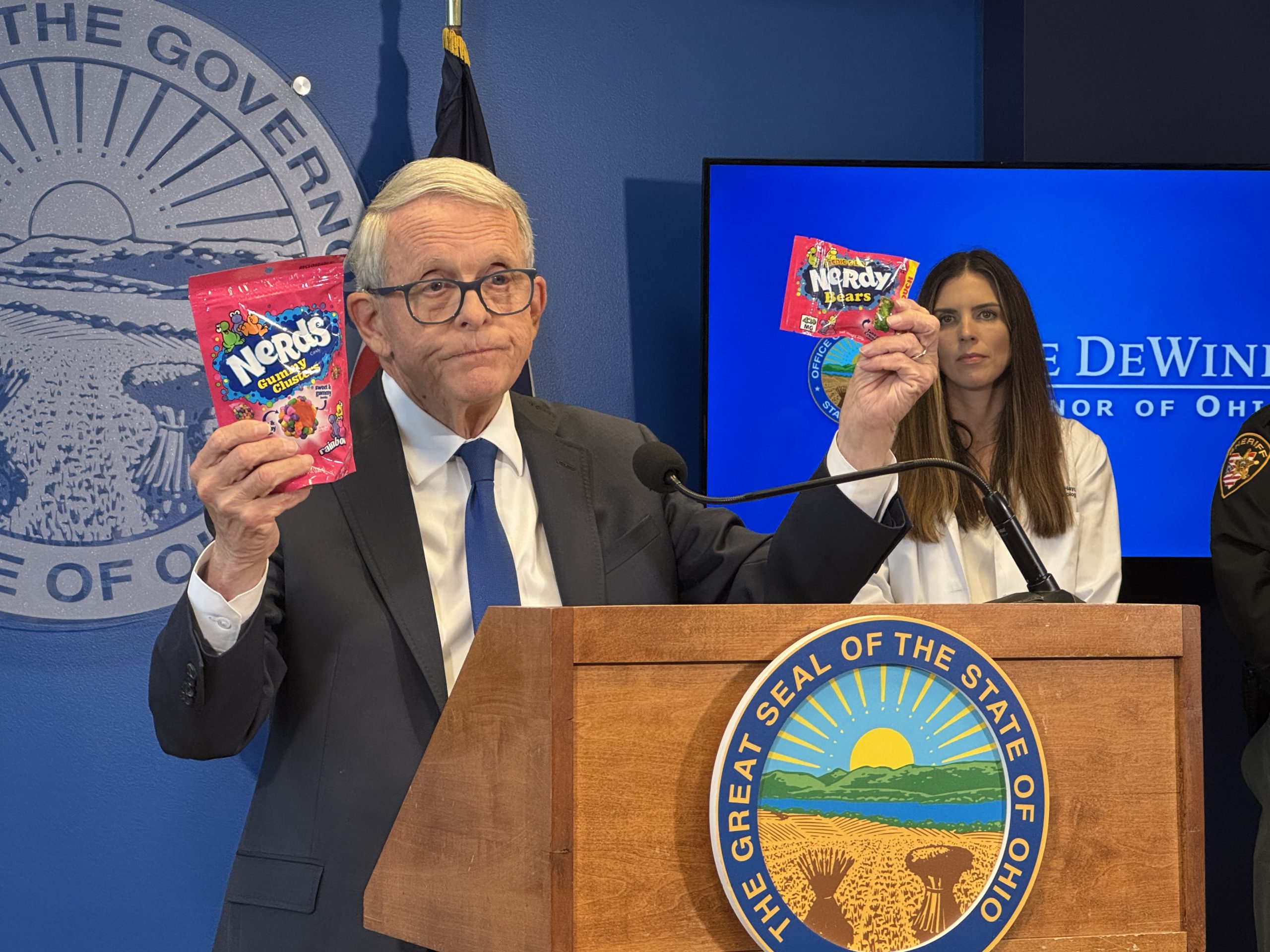
Ohio Governor Mike DeWine signed a bill regulating and taxing the state's intoxicating hemp industry, while also establishing new criminal penalties for marijuana possession and importing. The law allows legal adult use and home cultivation of marijuana but restricts hemp sales to dispensaries, with some industry opposition and potential for referendum efforts. The legislation marks a significant shift in Ohio's drug policy, balancing regulation, revenue, and criminal enforcement.
Starting in 2026, California will implement numerous new laws affecting various sectors including environmental policies like a plastic bag ban, consumer protections for food delivery, streaming ad volume regulations, and new rules for AI transparency, healthcare, pets, and housing, among others.
Starting in 2026, California will implement numerous new laws affecting various sectors including environmental policies like a plastic bag ban, consumer protections for food delivery, streaming ad volume regulations, and regulations on artificial intelligence transparency, among others, impacting residents, businesses, and technology use.
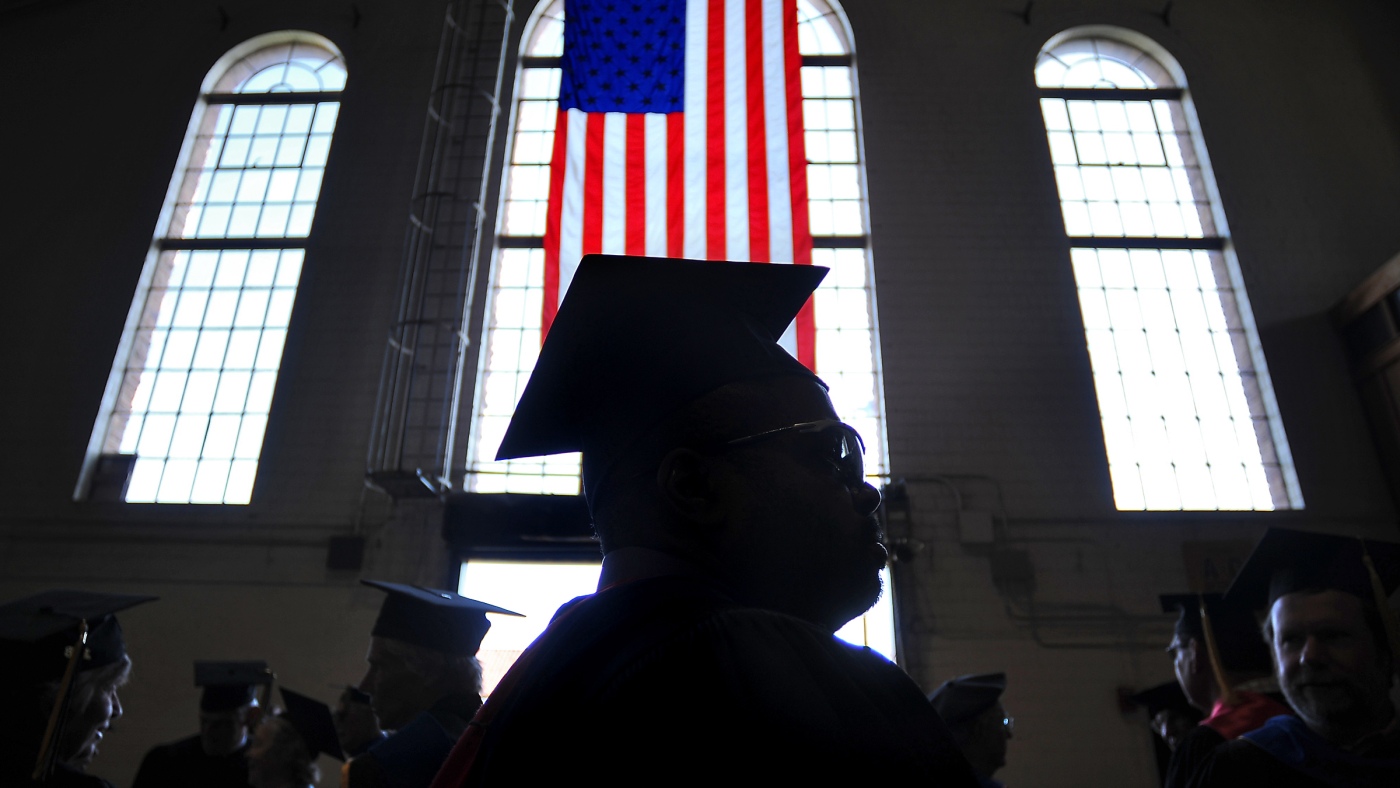
Cities and unions are suing the Trump administration over a new rule that could deny loan forgiveness to public workers based on their employer's activities, with concerns it may be used to target organizations or jurisdictions with policies opposing the administration's views. The rule defines 'substantial illegal purpose' broadly, potentially affecting workers in organizations involved in lawful activities related to immigration, LGBTQ+ rights, or racial justice, and raises questions about the scope of the Department of Education's authority. Critics argue the rule contradicts Congress's original intent for PSLF and could lead to staffing crises in public service sectors.