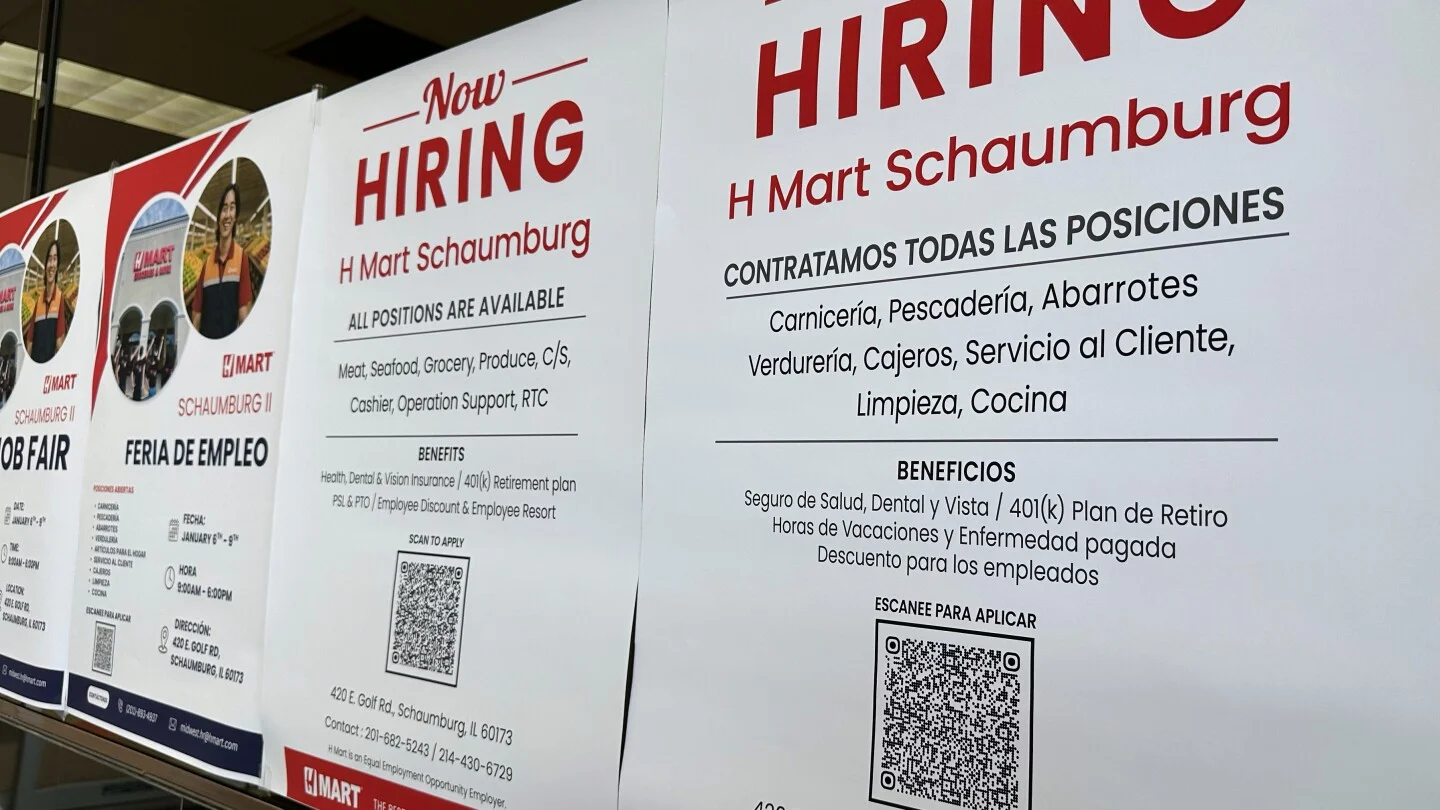
US weekly jobless claims dip to 198,000, surpassing forecasts
U.S. weekly initial unemployment claims fell to 198,000, topping economists’ expectations and suggesting the labor market remains firm despite ongoing economic shifts.

All articles tagged with #jobless claims
U.S. weekly initial unemployment claims fell to 198,000, topping economists’ expectations and suggesting the labor market remains firm despite ongoing economic shifts.

Initial jobless claims fell by 9,000 to 198,000 for the week ending Jan. 10, dipping below 200,000 for only the second time in a year and signaling a potential improvement in the U.S. labor market (claims are seasonally adjusted).

US unemployment claims decreased to 214,000 last week, indicating a still healthy labor market despite signs of weakening, with recent job cuts and revisions suggesting a potential slowdown in job creation.

U.S. jobless claims have decreased to 214,000, lower than last year, indicating a stable low-layoff environment despite minimal hiring, with the labor market expected to remain slow but stable into 2026.

The US jobs market shows signs of stagnation with rising layoffs reported by large companies and low hiring activity, but low jobless claims and stable unemployment rates suggest it isn't collapsing yet. The delayed employment reports due to the government shutdown complicate the assessment of the labor market's health, which may remain uncertain until early next year.
Stock futures were mixed as the government shutdown delayed jobless claims data; Tesla's stock surged nearly 3% after reporting Q3 vehicle deliveries exceeding expectations, while Nvidia reached a new high, and Tesla's upcoming delivery data is highly anticipated.

Initial jobless claims in the U.S. dropped to 218,000 for the week ending September 20, the lowest since mid-July, indicating a resilient labor market despite recent volatility and concerns about rising layoffs. The decline suggests that the labor market remains strong, which may influence the Federal Reserve's decisions on interest rate adjustments.

Stock futures declined as Wall Street reacted to a surprise upward revision in Q2 GDP and falling unemployment claims, with Nvidia and Tesla stocks dropping in premarket trading amid broader market declines and mixed earnings reports.
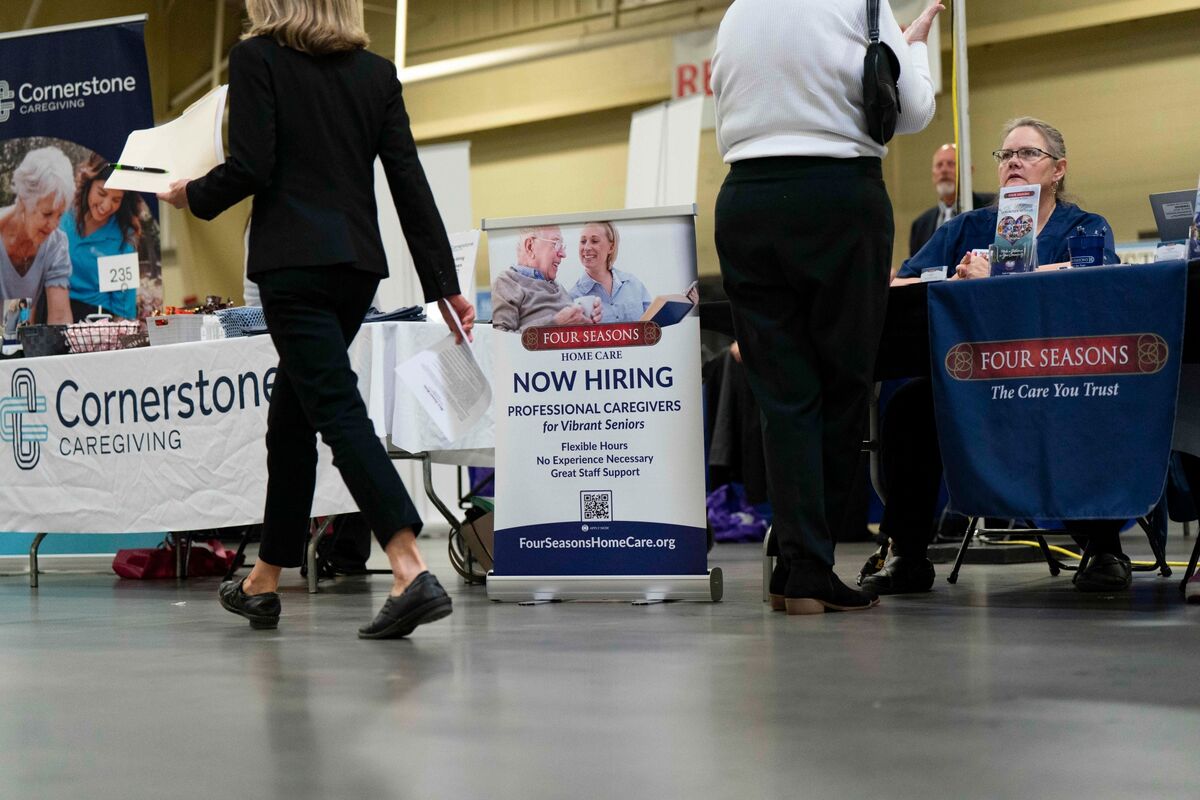
US initial jobless claims fell by 33,000 to 231,000, the largest drop in nearly four years, indicating resilience in the labor market despite signs of slowdown and recent volatility, with the Federal Reserve resuming rate cuts amid concerns about employment stability.

The recent spike in US jobless claims was a false alarm caused by fraudulent filings in Texas, and claims have since decreased, indicating that layoffs remain low despite signs of a slowing labor market. The Federal Reserve's rate cut reflects concerns about economic growth, but the job market is expected to improve next year if conditions stabilize.

Stock futures rallied after the Fed's rate cut and surprising jobless claims data, with Nvidia investing in Intel and both stocks surging premarket. Key earnings reports from Cracker Barrel and Darden also influenced market movements.
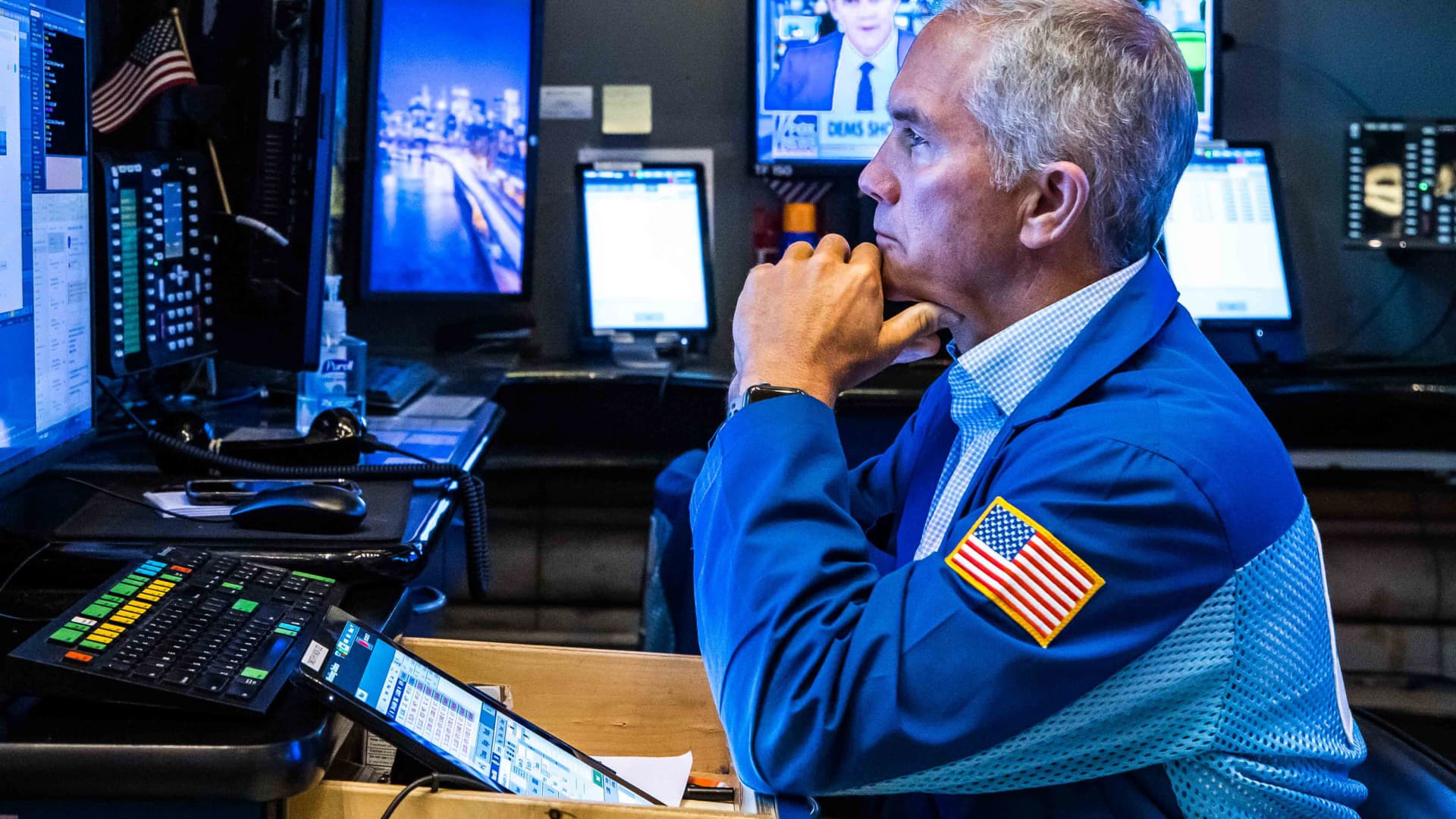
Stock futures remain flat after a market surge driven by signs of weakening jobs and tame inflation, which investors interpret as a potential for the Federal Reserve to cut interest rates next week. Major indices hit record highs, with the Dow surpassing 46,000, despite hotter-than-expected CPI data and a surprising jump in jobless claims. The market is also reacting to upcoming IPOs and after-hours earnings reports, with the week on track for positive performance across major indices.

U.S. unemployment claims have risen to their highest level since October 2021, signaling a potential slowdown in the job market and increasing the likelihood of a Federal Reserve rate cut amid sluggish job growth and rising consumer prices.
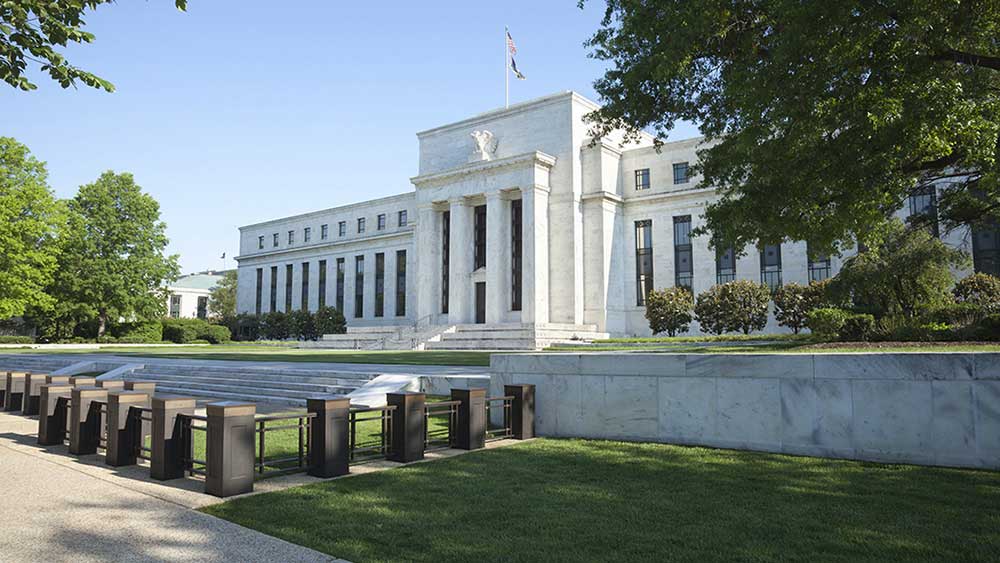
The August core CPI remained steady while jobless claims surged, leading to expectations of a modest Fed rate cut next week. Market reactions included gains in the S&P 500 and AI stocks like Oracle and Nvidia, amid mixed signals from inflation data and labor market indicators.

The stock market rose today following a surprising increase in inflation and jobless claims, with major indexes like the Dow, S&P 500, and Nasdaq gaining around 0.4%. Key winners included Nvidia, Tesla, Amazon, and Microsoft, while inflation data showed a 0.4% rise in CPI for August, slightly above expectations, and jobless claims increased unexpectedly. Oil prices fell, and Treasury yields stood at 4%.