The article discusses the prevalence and health risks of ultraprocessed foods, which make up a significant portion of the American diet, highlighting the challenges in defining and regulating them, and offering tips for consumers to make healthier choices amidst industry and regulatory complexities.
The article discusses the prevalence and dangers of ultraprocessed foods, which make up a significant portion of the American diet, highlighting their synthetic ingredients, health risks, and the challenges in avoiding them, while also exploring regulatory efforts and practical tips for consumers to make healthier choices.
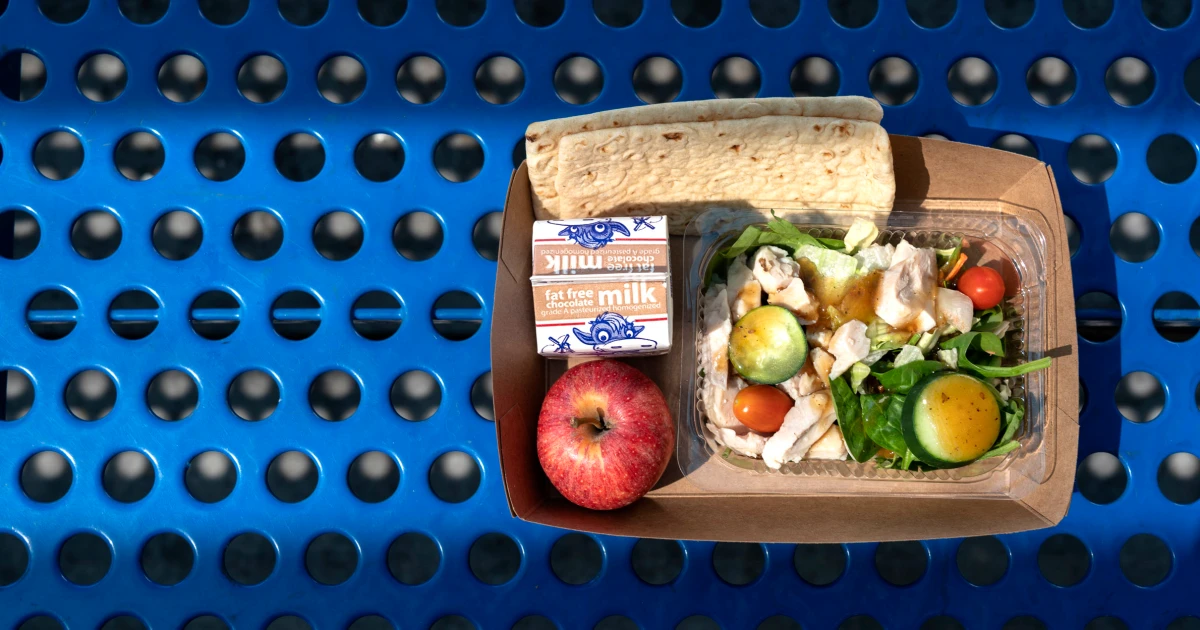
California has passed a law to phase out ultraprocessed foods from school meals over the next decade, aiming to improve children's health by reducing consumption of foods high in additives, sugar, sodium, and saturated fats, with full implementation expected by 2035.
A small randomized controlled trial found that people lost twice as much weight when consuming minimally processed foods compared to ultraprocessed foods, despite similar nutritional content, highlighting the impact of food processing on weight and health.
Dr. Leana Wen, a CNN wellness expert and emergency physician, emphasizes the importance of not only what we eat, but also when and how we eat to optimize health. Studies have shown that a diet rich in vegetables, fruits, whole grains, nuts, and legumes can significantly reduce the risk of medical conditions and increase life expectancy. Dr. Wen recommends consuming minimally processed whole foods, incorporating fish and lean meat, and reducing consumption of sugar-sweetened beverages and ultraprocessed foods. She also highlights the significance of meal timing and mindful eating habits, such as avoiding eating just before bed and fostering social connections during mealtimes, as these factors can greatly impact overall health and well-being.
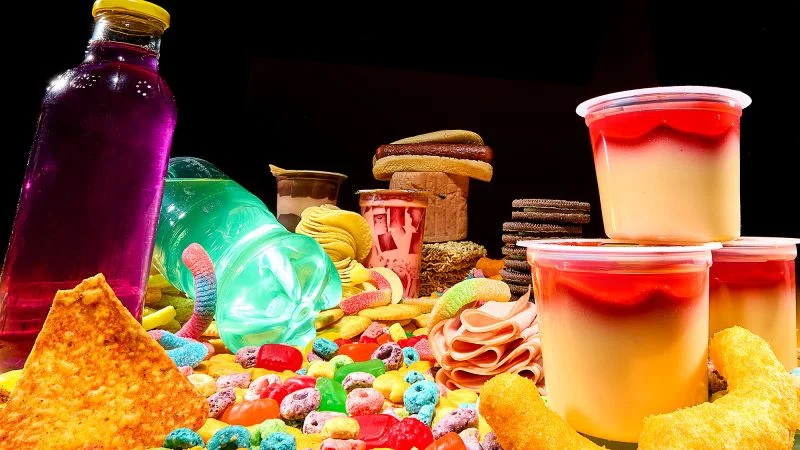
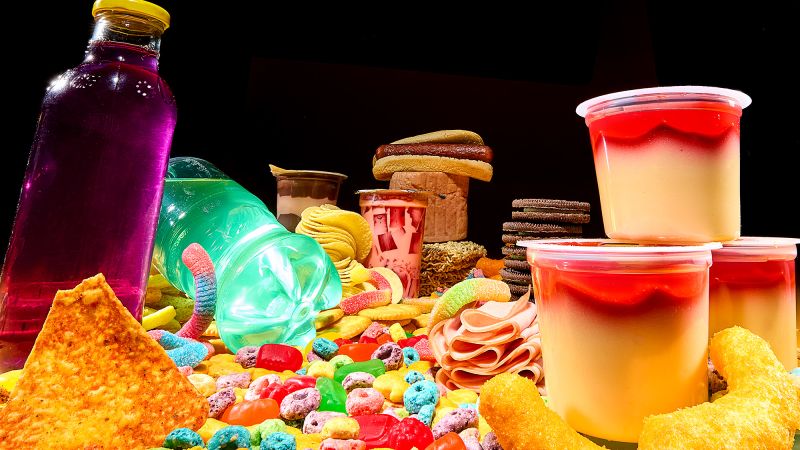
A new study has found that consuming a higher amount of ultraprocessed foods is associated with an increased risk of developing cancers of the upper digestive tract, such as mouth, throat, and esophageal cancer. Ultraprocessed foods, which include items like sodas, chips, and packaged soups, contain additives and ingredients rarely used in kitchens and are designed to make the final product more appealing. While the study adds to the growing evidence linking ultraprocessed foods to cancer risk, more research is needed to fully understand the connection. Other factors, such as obesity and ingredients in food packaging, may also play a role. Additionally, ultraprocessed foods were found to be associated with accidental deaths, suggesting a broader impact on adverse circumstances.
A new study has found that consuming higher amounts of ultraprocessed food is associated with an increased risk of developing multiple chronic conditions, including cancer. The study, which collected dietary information from over 266,000 individuals in Europe, revealed that certain ultraprocessed foods, such as animal products and sweetened beverages, were linked to a higher risk, while others, like ultra-processed breads and cereals or alternative plant-based products, showed no association. Although the increased risk was modest, the findings highlight the importance of limiting the consumption of ultraprocessed foods and prioritizing fresh or minimally processed options.