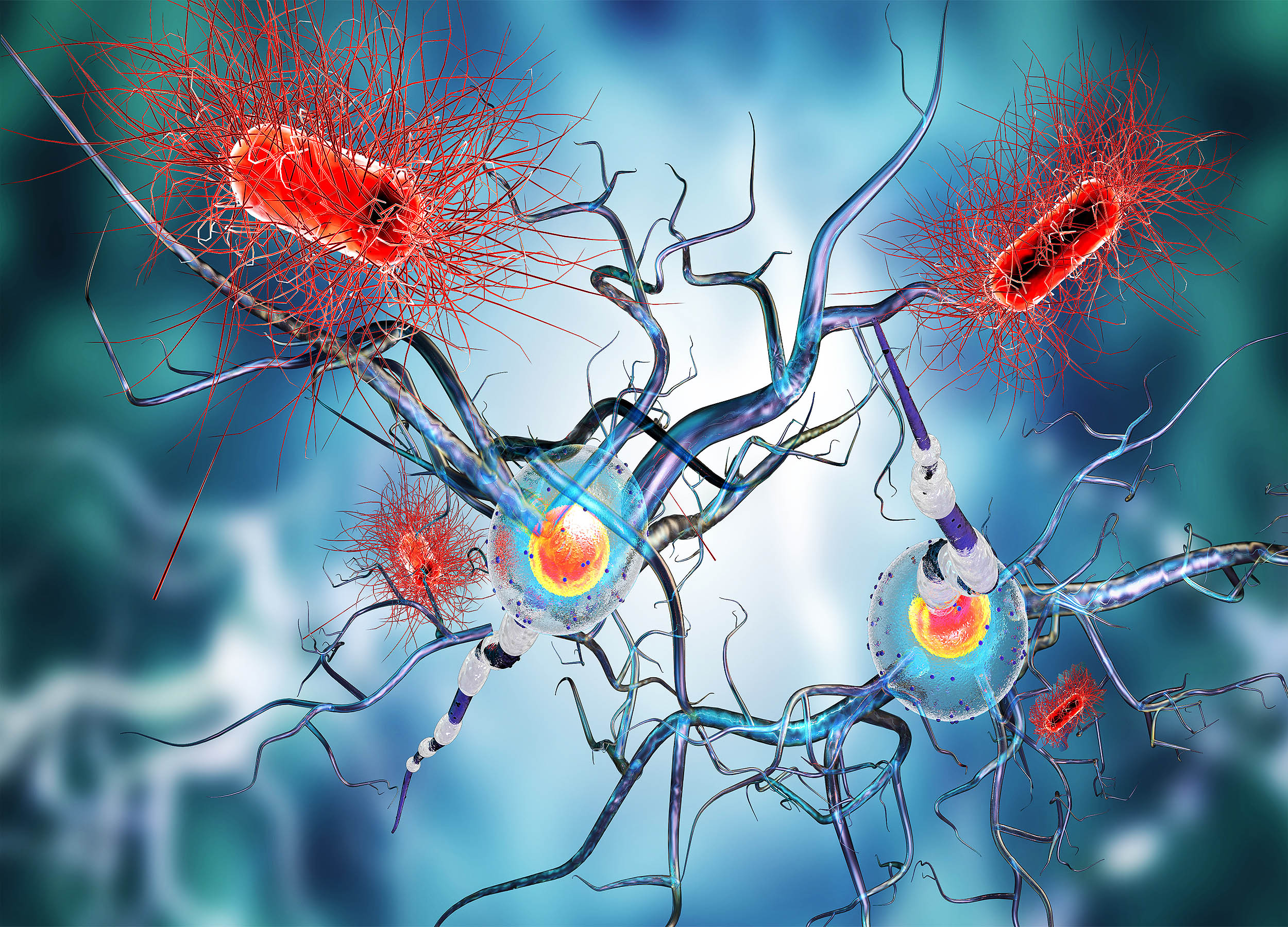
Scientists have identified two bacteria, Eisenbergiella tayi and Lachnoclostridium, in the small intestine that may trigger multiple sclerosis, supported by twin studies and experiments in mice, suggesting potential new targets for treatment.
A twin study identified specific gut bacteria, particularly Lachnoclostridium sp. and Eisenbergiella tayi, that may contribute to multiple sclerosis development, with evidence from mouse models suggesting these microbes can trigger MS-like symptoms, highlighting potential for targeted gut-based therapies.
A study using data from over 25,000 twins in the Swedish Twin Registry reveals a dose-response relationship between childhood adversity and later mental health problems, with genetic and environmental factors within families playing a significant role. The research underscores the importance of family-wide health interventions to mitigate the long-term mental health risks associated with childhood adversities, highlighting the need to address risk factors within the whole family, not just the affected child or children.
A twin study conducted by researchers at King's College London suggests that taking daily protein and prebiotic supplements, such as inulin and fructooligosaccharides (FOS), can improve memory test scores in people over 60. The supplements were also linked to changes in the gut microbiome, particularly an increase in beneficial Bifidobacterium. This finding holds promise for enhancing brain health and memory in the aging population, and supports the growing evidence of the close relationship between the gut and the brain. While the study shows potential for treating cognitive decline, further research is needed to determine the sustained effects and broader applicability of these supplements.
A study from the University of Jyväskylä suggests that while exercise is important for a longer life, following other healthy lifestyle habits may have an even greater impact. The research, conducted on over 11,000 sets of adult twins, found that participants in active groups had a lower risk of all-cause mortality compared to the sedentary group. However, when other lifestyle factors were considered, the mortality rate of the sedentary group dropped significantly. The study suggests that regular physical activity may be an indicator of an overall healthy lifestyle, rather than the sole cause of reduced mortality. The findings highlight the importance of adopting multiple healthy habits for longevity.
NASA conducted a unique experiment by sending one twin to space for a year while the other remained on Earth. The study revealed that spending months in space can have negative effects on the human body, including changes in chromosomes and gut bacteria. However, most of these changes are temporary, and astronauts tend to return to normal within a few months after returning to Earth.
A new study analyzing thousands of sets of twins suggests a genetic link between synesthesia and autism. The research found that synesthesia, a phenomenon where sensory stimuli trigger additional sensory effects, shares genetic roots with non-social autism traits, such as repetitive and restricted behaviors and interests. The study also revealed that synesthesia seems to run in families, particularly specific types of synesthesia. While genes play a role in synesthesia, environmental factors also contribute significantly. The researchers hope that these findings will inspire further research on the shared genetic mechanisms of autism and synesthesia, as well as the specific behavioral features shared between the two phenomena.
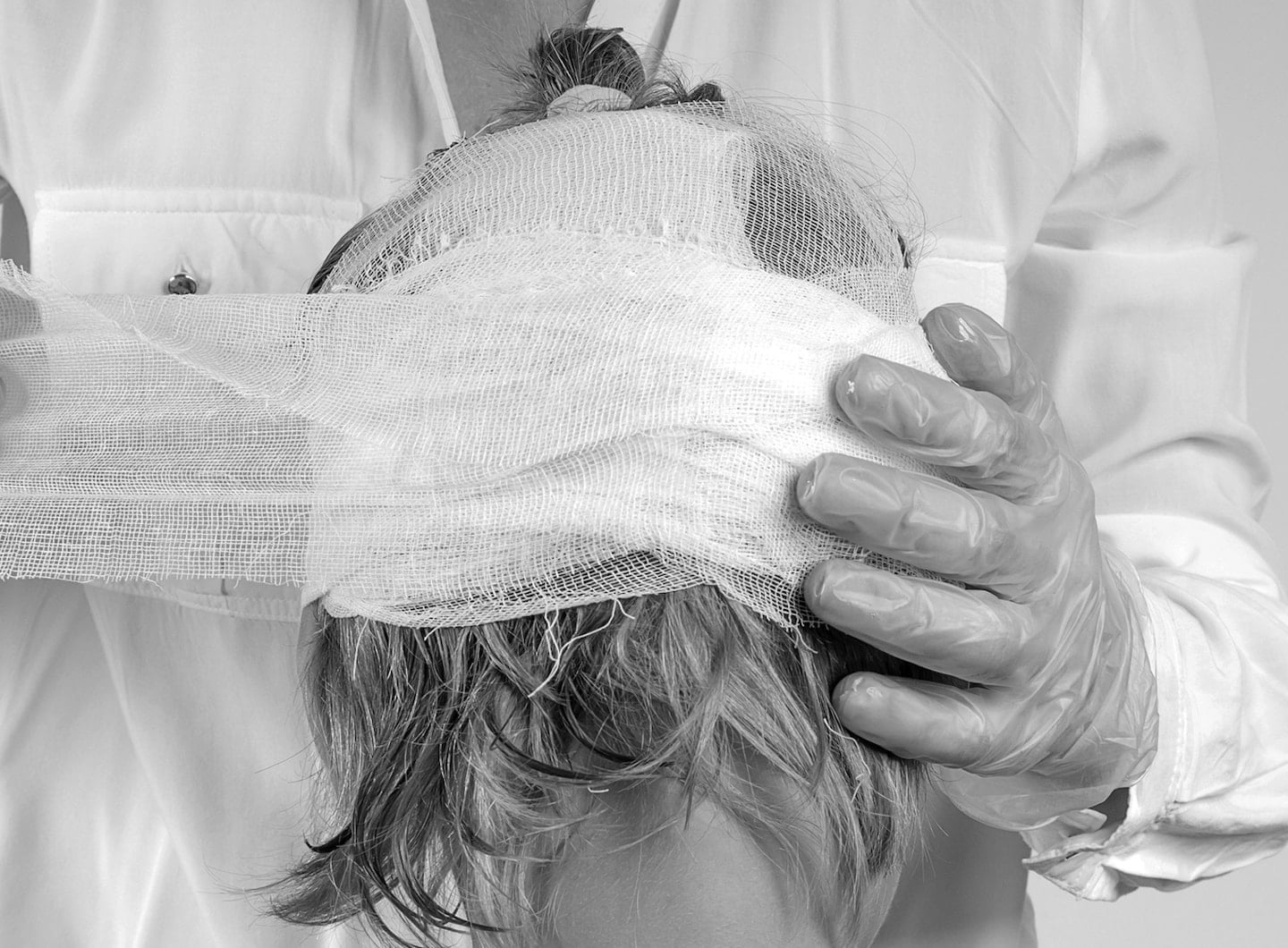
A study of twins who served in World War II has found that traumatic brain injuries are associated with cognitive decline later in life, with individuals who experienced such injuries more likely to have lower scores on cognitive tests at around 70 years old. The study, which used a twin-study design, also revealed that those with multiple traumatic brain injuries, loss of consciousness due to head injury, or injuries occurring at age 25 or older had a sharper decline in cognitive scores. The research highlights the importance of taking steps to prevent head injuries and discussing brain protection strategies with healthcare professionals.