Tag

Childhood Adversity

All articles tagged with #childhood adversity

Emotional Abuse Identified as Key Predictor of Student Suicidal Thoughts

Originally Published 4 months ago — by PsyPost

Featured image for Emotional Abuse Identified as Key Predictor of Student Suicidal Thoughts
Source: PsyPost

A large international study found that nearly half of first-year university students have experienced suicidal thoughts, with emotional abuse during childhood, mental health disorders, and gender identity being key predictors. The research highlights the need for comprehensive mental health support in universities to address these risks.


Childhood Difficulties May Increase Endometriosis Risk

Originally Published 7 months ago — by The Conversation

Featured image for Childhood Difficulties May Increase Endometriosis Risk
Source: The Conversation

Recent research suggests a link between difficult childhood experiences and a higher likelihood of being diagnosed with endometriosis later in life, highlighting the potential impact of early life stress on immune function and chronic inflammation, which may contribute to the development of this common but poorly understood condition.

Early Life Adversity's Long-Term Impact on Mental and Physical Health

Originally Published 1 year ago — by PsyPost

Featured image for Early Life Adversity's Long-Term Impact on Mental and Physical Health
Source: PsyPost

A recent study published in the Journal of Affective Disorders suggests that childhood adversities have a sustained, detrimental impact on mental health into older adulthood, with experiences of adversity during childhood being linked to higher instances of depression and anxiety in later years. The study, which analyzed data from over 2,500 participants aged 60-66, found that as the number of adversities increased, so did the severity of mental health symptoms, and individuals in higher adversity classes reported significantly worse mental health outcomes compared to those in lower adversity classes. The findings emphasize the importance of preventing and addressing childhood adversities early on and suggest that mental health screenings for older adults could benefit from including assessments of early life stressors.

"The Lasting Impact of Childhood Adversity on Adult Mental Health"

Originally Published 1 year ago — by Neuroscience News

Featured image for "The Lasting Impact of Childhood Adversity on Adult Mental Health"
Source: Neuroscience News

A study using data from over 25,000 twins in the Swedish Twin Registry reveals a dose-response relationship between childhood adversity and later mental health problems, with genetic and environmental factors within families playing a significant role. The research underscores the importance of family-wide health interventions to mitigate the long-term mental health risks associated with childhood adversities, highlighting the need to address risk factors within the whole family, not just the affected child or children.

"Linking Childhood Adversity to Adult Depression Through Orbitofrontal Cortex Thinning"

Originally Published 1 year ago — by PsyPost

Featured image for "Linking Childhood Adversity to Adult Depression Through Orbitofrontal Cortex Thinning"
Source: PsyPost

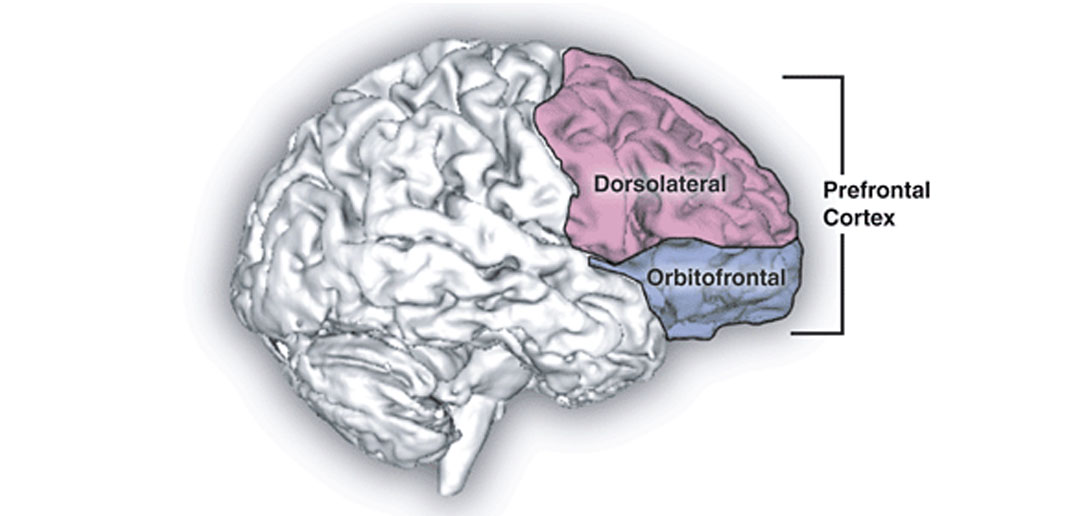
A longitudinal study in Germany suggests that negative life events experienced during childhood can predict depressive symptoms later in life, with the development of depressive symptoms preceded by accelerated thinning of the orbitofrontal cortex region of the brain. The study sheds light on the neural and psychological mechanisms underpinning the development of depression, but also has limitations, including the treatment of negative life events as a singular score without considering timing, frequency, or duration.

Early Life Adversity Hastens Brain Development in Children

Originally Published 2 years ago — by Neuroscience News

Featured image for Early Life Adversity Hastens Brain Development in Children
Source: Neuroscience News

A study led by researchers from A*STAR’s Singapore Institute for Clinical Sciences found that children exposed to early life adversity (ELA) exhibit accelerated brain development during the preschool years as an adaptive mechanism to adverse circumstances. This acceleration may lead to reduced neuroplasticity and increased risk of cognitive and mental health issues later in life. The study highlights the importance of early intervention to improve outcomes for children exposed to ELA and suggests potential areas for future investigation, including the effects of ELA on premature brain aging and the effectiveness of intervention strategies.

Childhood Adversity's Impact on Youth's Muscle Dysmorphia

Originally Published 2 years ago — by Neuroscience News

Featured image for Childhood Adversity's Impact on Youth's Muscle Dysmorphia
Source: Neuroscience News

A study conducted by the University of Toronto reveals a significant association between adverse childhood experiences (ACEs) and symptoms of muscle dysmorphia in adolescents and young adults. The research highlights how ACEs, such as domestic violence and emotional abuse, can lead to the pathological pursuit of muscularity as a coping mechanism. Boys and young men who experienced five or more ACEs were particularly at risk for muscle dysmorphia symptoms. The findings emphasize the importance of recognizing and addressing the impact of childhood trauma on mental health and body image.

ADHD and Nutrition: A Health Brief

Originally Published 2 years ago — by Deseret News

Featured image for ADHD and Nutrition: A Health Brief
Source: Deseret News

A review of 37 studies suggests that choosing plant-based foods over animal-based ones, particularly red and processed meat, can reduce the risk of heart attack, stroke, Type 2 diabetes, insulin resistance, non-alcoholic fatty liver disease, and all-cause mortality. Another study found that a lack of nurturing in childhood is linked to accelerated biological aging in older adults. Additionally, a national birth cohort study in Israel revealed that adults diagnosed with ADHD in adulthood were nearly three times more likely to develop dementia later in life.