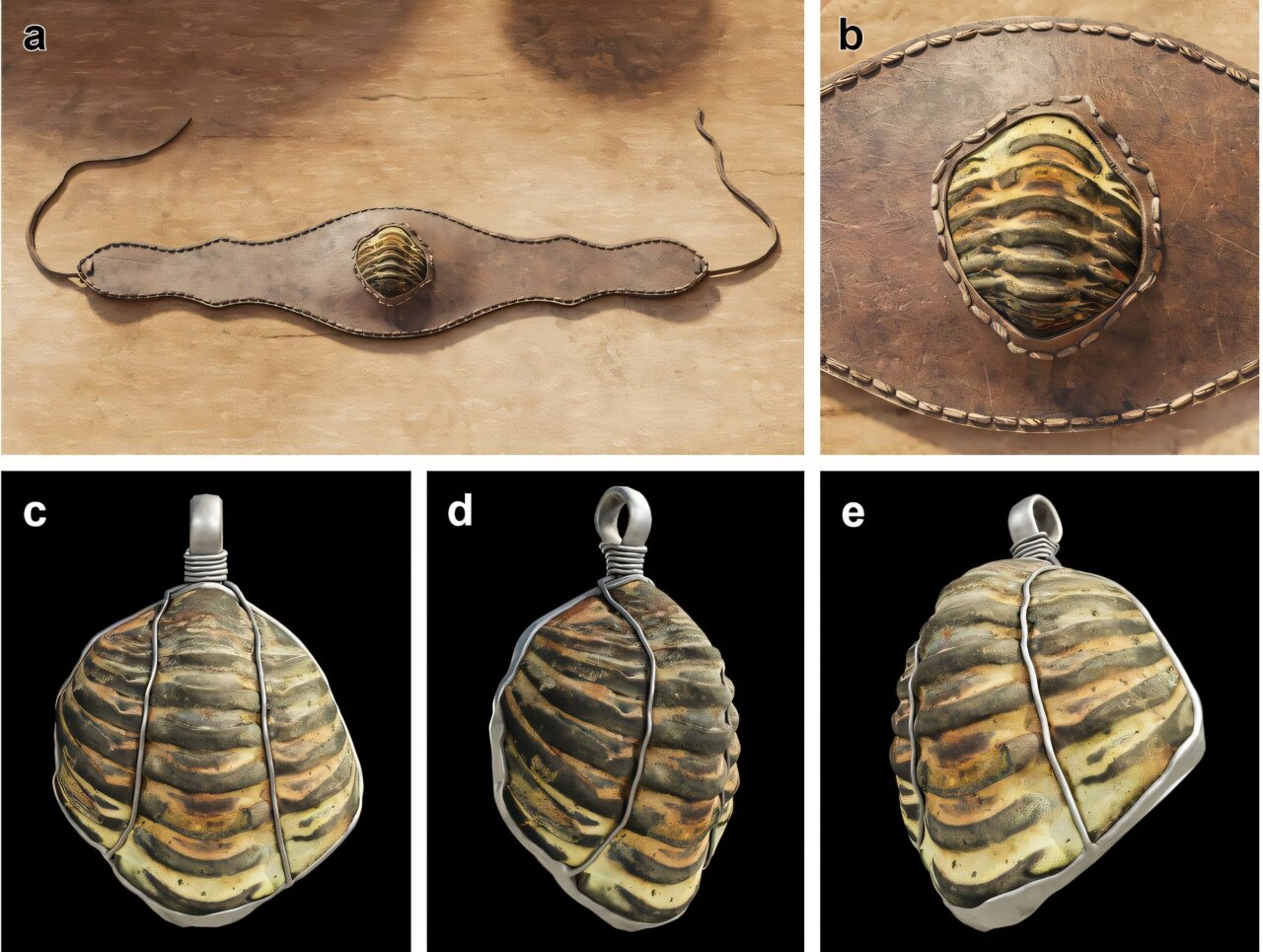
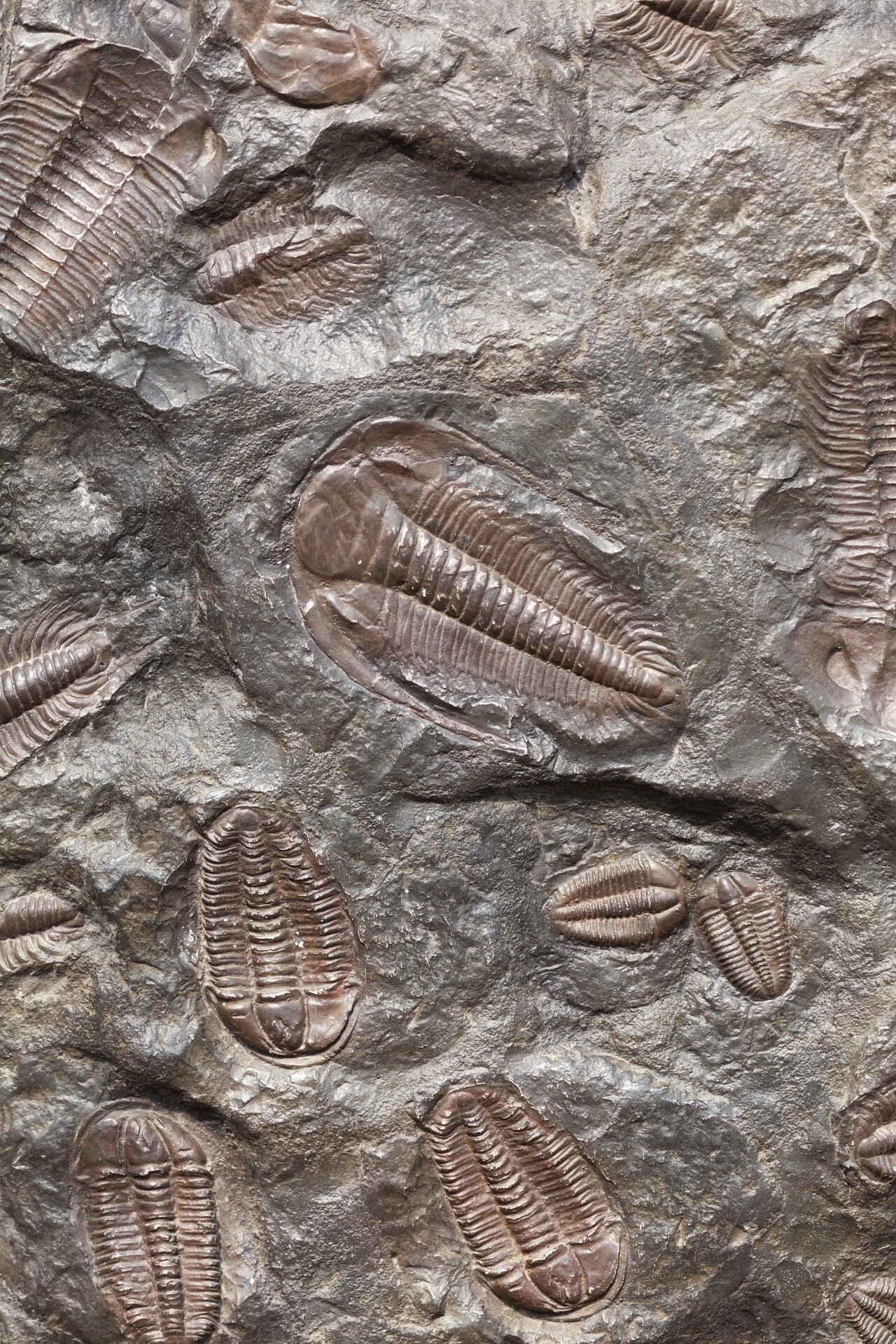
Archaeologists found evidence that ancient Romans used fossils of extinct marine creatures like trilobites as amulets, with signs of intentional modification for jewelry, dating back to the 1st-3rd centuries CE, highlighting their fascination with fossils and possible magical beliefs.
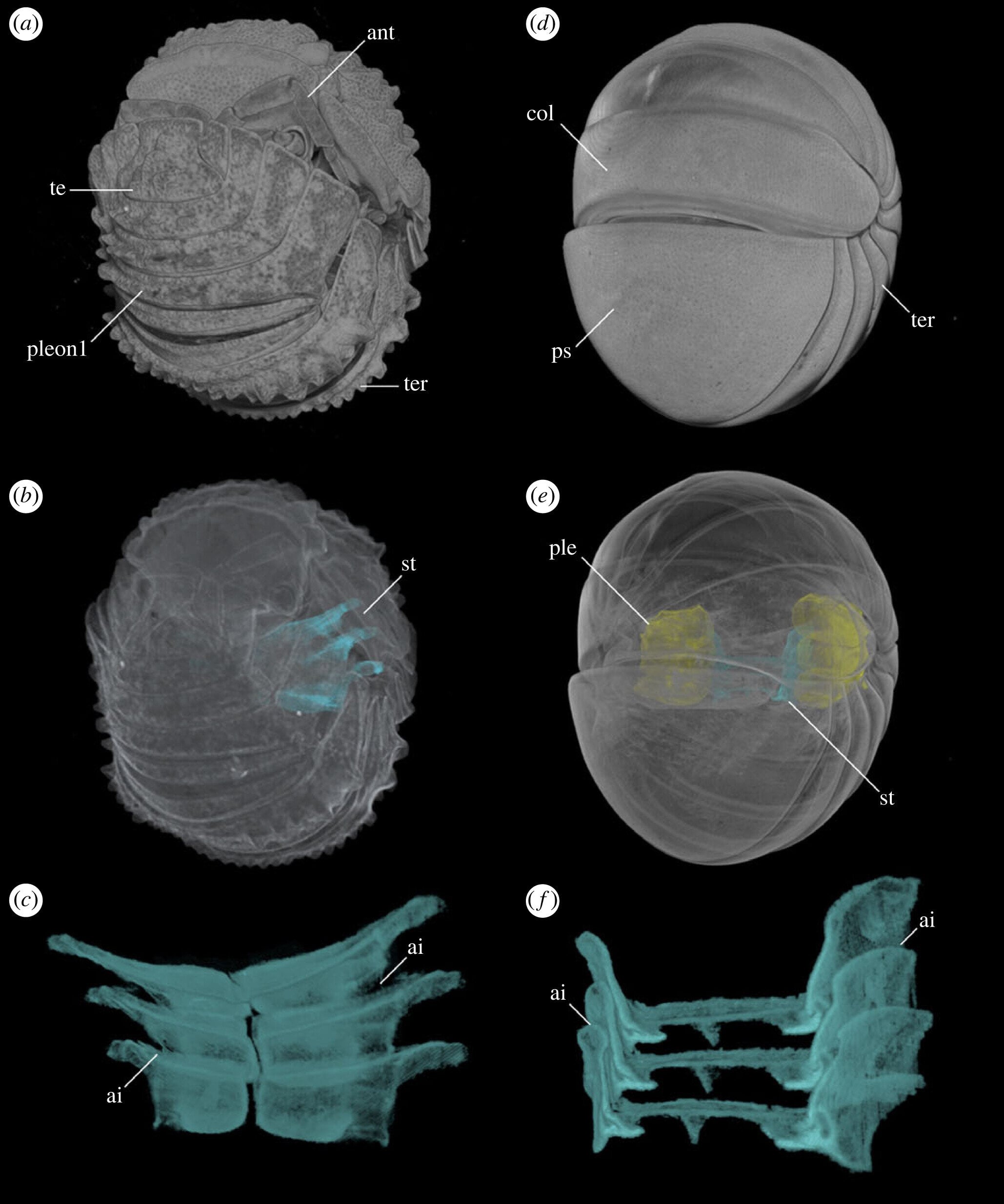
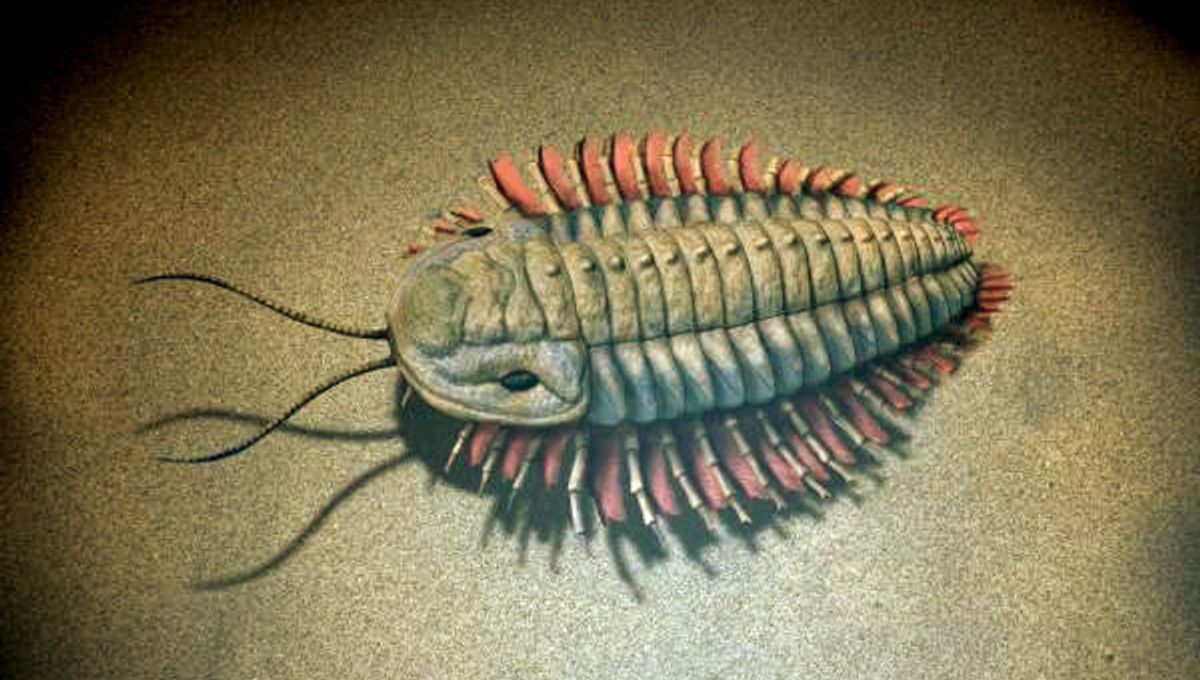
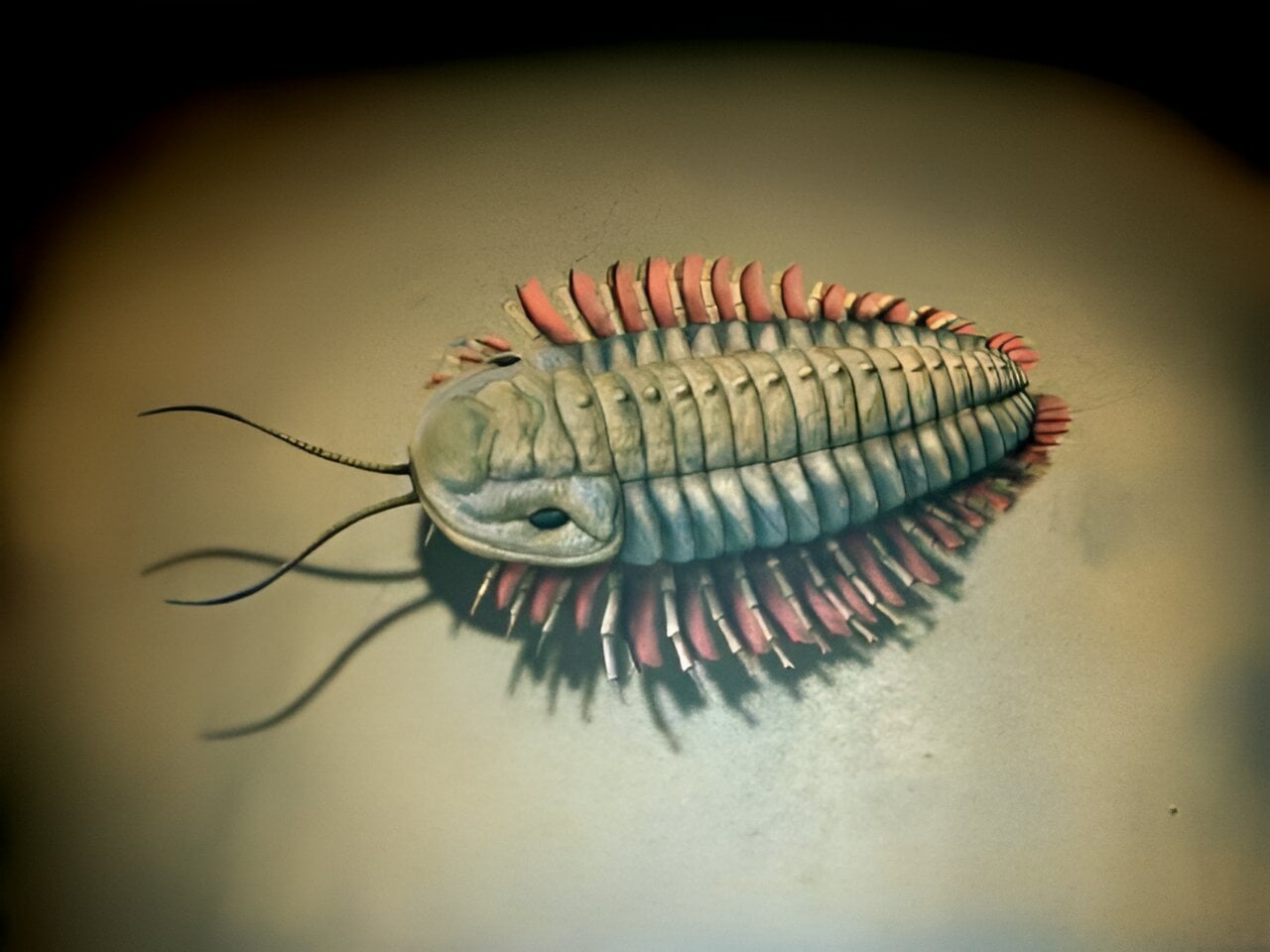
A rare specimen found in Harvard University's Museum of Comparative Zoology has provided new insights into how trilobites curled themselves into a ball for protection. Using micro-CT scanning, researchers were able to study the internal organs of the ancient sea creature, revealing the interaction between its stomach plates and appendages. The study showed that trilobites flexed their entire bodies to allow for rolling, with the plates sliding past each other and locking in place. This mechanism is similar to that observed in modern enrolling creatures like pill bugs and armadillos.
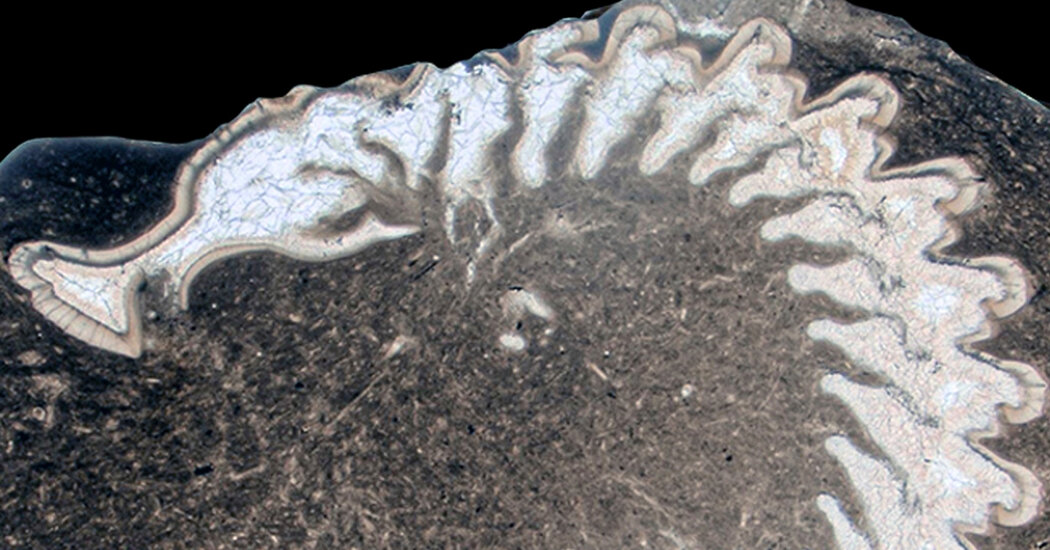
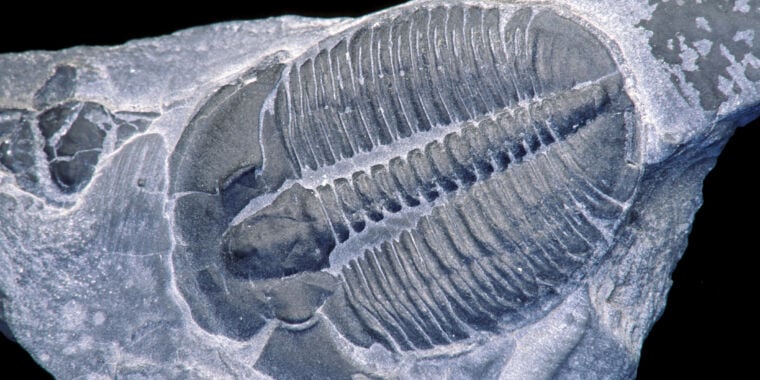
Fossils of trilobites found in central New York's Walcott-Rust Quarry have provided new insights into how these ancient arthropods curled up for defense. The fossils, which date back 450 million years, revealed the interlocking anatomy of a rolled-up trilobite for the first time. The researchers used micro-CT scans and thin sections from the 1870s to analyze the inner anatomy of the fossil, showing that the trilobite's stomach plates and appendages played central roles in the rolling-up process. The study also found similarities between the rolling mechanisms of trilobites and those of modern arthropods like pill bugs and millipedes, demonstrating convergent evolution.
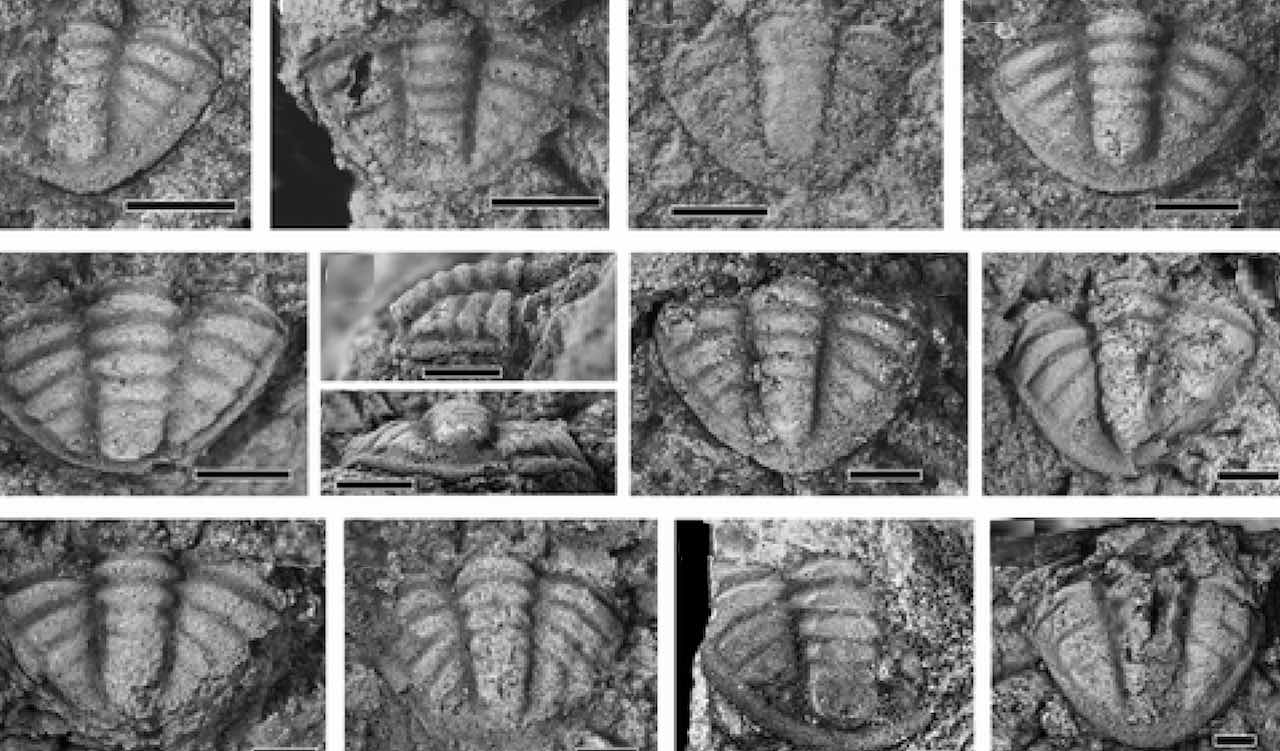
Ten new species of trilobites, extinct sea creatures, have been discovered in Thailand, providing valuable insights into the ancient world's geography. The trilobite fossils were found trapped in layers of petrified ash in sandstone, allowing researchers to date their age using radio isotope techniques. These fossils, including one named after Thai Royal Princess Maha Chakri Sirindhorn, help connect Thailand to other parts of the world, such as China and Australia, and shed light on the shifting continents of Gondwanaland. The findings offer a chronicle of evolutionary change and extinctions, providing valuable information for understanding our planet's history and future challenges.
Ten newly discovered species of trilobites, ancient arthropods that lived nearly 490 million years ago, may hold the key to understanding Thailand's position on the former supercontinent Gondwana. The trilobite fossils, found in tuffs containing zircon crystals, can be used to determine the age of the fossils and the eruption that formed the tuffs. This discovery not only helps date the fossils in Thailand but also provides insights into other parts of the world, such as China and Australia, where similar fossils have been found. The findings contribute to unraveling the complex puzzle of ancient geography and offer valuable information for understanding our planet's history.
Fossils of 490-million-year-old trilobites discovered in Thailand's Ko Tarutao region could provide insights into the ancient supercontinent of Gondwana. The fossils were found in a layer of volcanic rock called tuff, which contained zircon crystals that allowed researchers to date the eruption and the trilobites. The discovery of 10 new trilobite species and their correlation with other regions could shed light on the geological history of Gondwana. This finding may also help in dating similar fossils in other parts of the world and provide valuable information for understanding evolutionary change and extinctions.
Ten newly discovered species of trilobites, preserved in petrified ash in Thailand, could provide valuable insights into ancient world geography. The trilobite fossils were found in tuffs, which contain zircon crystals that can be used for dating. These fossils, previously unseen in Thailand, connect the region to parts of Australia and help piece together the shifting puzzle of Gondwanaland. The discovery offers a chronicle of evolutionary change and extinctions, providing valuable information for understanding our planet's history and preparing for present-day challenges.
Trilobites, ancient marine organisms, survived mass extinctions by evolving an adaptation that allowed them to breathe in low oxygen environments. One species, Auracopleura koninckii, developed additional segments with legs that doubled as gills, providing more breathing opportunities. While younger trilobites could roll into a perfect ball for protection, older individuals with more segments had to extend their tails over their heads. This trade-off between vulnerability to predation and increased breathing capabilities helped A. koninckii survive and escape predators during times of low oxygen levels.
Scientists have discovered how a species of trilobite, Aulacopleura koninckii, was able to defend itself and survive fluctuations in Earth's oxygen levels. Unlike other trilobites, Aulacopleura developed a variable number of mid-section segments, which allowed it to roll up into a defensive position. 3D modeling showed that larger Aulacopleura with more segments would extend their tails past their heads, minimizing the exposed gap. The additional segments also provided more surface area for respiration, enabling the trilobite to tolerate dips in oxygen levels and outcompete predators. Understanding the adaptation of trilobites sheds light on the evolution of survival strategies and the common ancestor of modern arthropods.
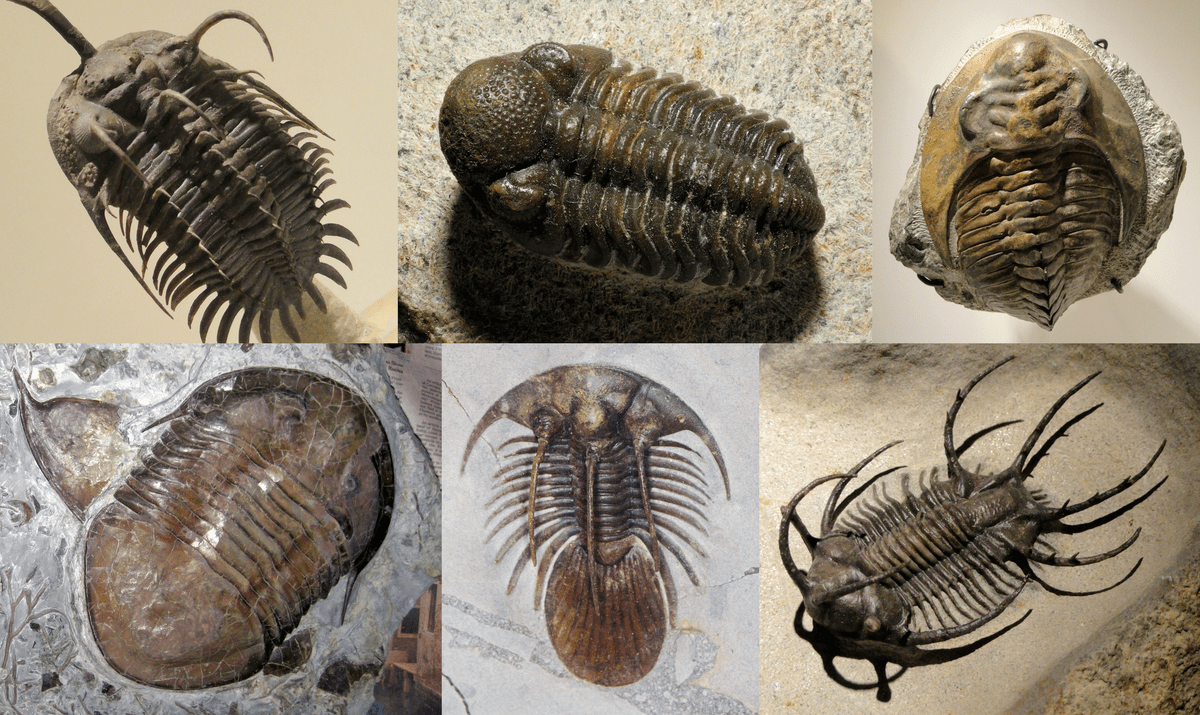
Trilobites, extinct marine arthropods, had complex eyes made of calcite, a hard crystal. These compound eyes consisted of clusters of photoreception units called ommatidia. The calcite lenses allowed light to penetrate and be focused, making trilobites sensitive to motion. There were three types of trilobite eyes, with the schizochroal eye being the most specialized. However, the exact functioning of the schizochroal eye remains a mystery. Recent studies have revealed that trilobite eyes may be more complex than previously thought, and there is ongoing debate about the true nature of trilobite vision.
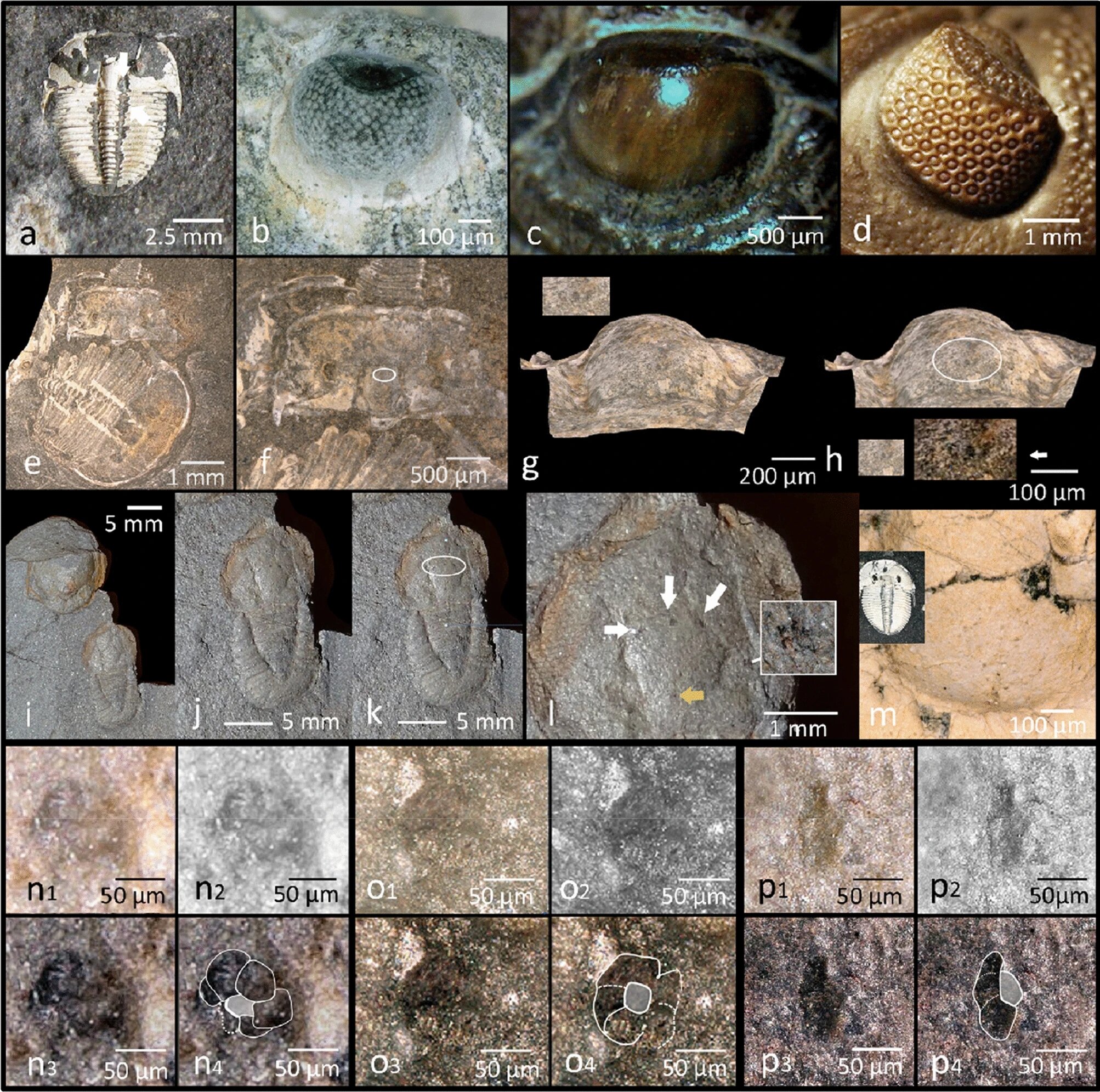
Researchers have discovered that trilobites, prehistoric sea creatures, had median eyes, single eyes on their foreheads, in addition to their compound eyes. These eyes were located under a transparent layer of the carapace, which became opaque during the fossilization process, and had not been discovered until now. The number and shape of the single eyes will help to classify the evolutionary status of individual arthropod species.