
"Maine Gunman's Traumatic Brain Injury and Army Reservist's Intel: Uncovering the Ramifications"
TL;DR Summary
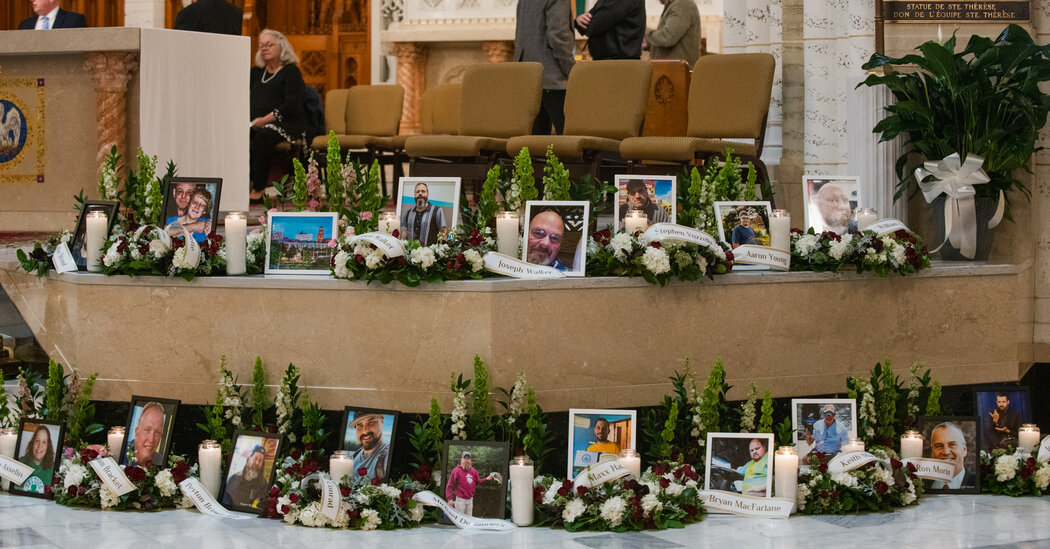
The autopsy of Robert M. Card II, the Army Reservist who committed a mass shooting in Maine, revealed profound brain damage likely caused by routine training blasts, raising concerns about the impact of such exposure on military personnel and veterans. The findings suggest that even low-level blasts may significantly contribute to mental health struggles among veterans, with potential implications for treatment strategies and criminal justice. The case prompts questions about the extent of similar risks faced by other troops and the need for better understanding and support for those with similar injuries.
Topics:nation#criminal-justice#healthmilitary#mental-health#military-training#traumatic-brain-injury#veterans
- Traumatic Brain Injury Found in Maine Gunman Could Have Wide Ramifications The New York Times
- Forensic analysis shows Lewiston shooter had traumatic brain injury Press Herald
- U.S. Army releases statement about Robert Card autopsy WMUR Manchester
- Study suggests Maine mass shooter had brain damage NBC News
- During the Robert Card manhunt, this Army reservist had intel. He couldn't find someone to listen Maine Public
Reading Insights
Total Reads
0
Unique Readers
0
Time Saved
2 min
vs 3 min read
Condensed
77%
404 → 92 words
Want the full story? Read the original article
Read on The New York Times