A woman in Florida was wrongfully jailed due to AI-generated deepfake texts created by her ex-boyfriend, highlighting the growing threat of deepfakes in the justice system and the need for better verification standards and laws to combat digital forgery.
A ProPublica investigation reveals that immigrants in Alabama often face harsher sentences than citizens for similar crimes, raising concerns about potential biases and constitutional violations, despite legal protections ensuring equal treatment under the law.
Originally Published 2 months ago — by Rolling Stone
Allison Mack, a former actress and NXIVM leader, discusses her role in the sex cult and her feelings of responsibility in a new podcast, reflecting on her actions, her plea deal, and her time in prison, while acknowledging her lack of innocence.
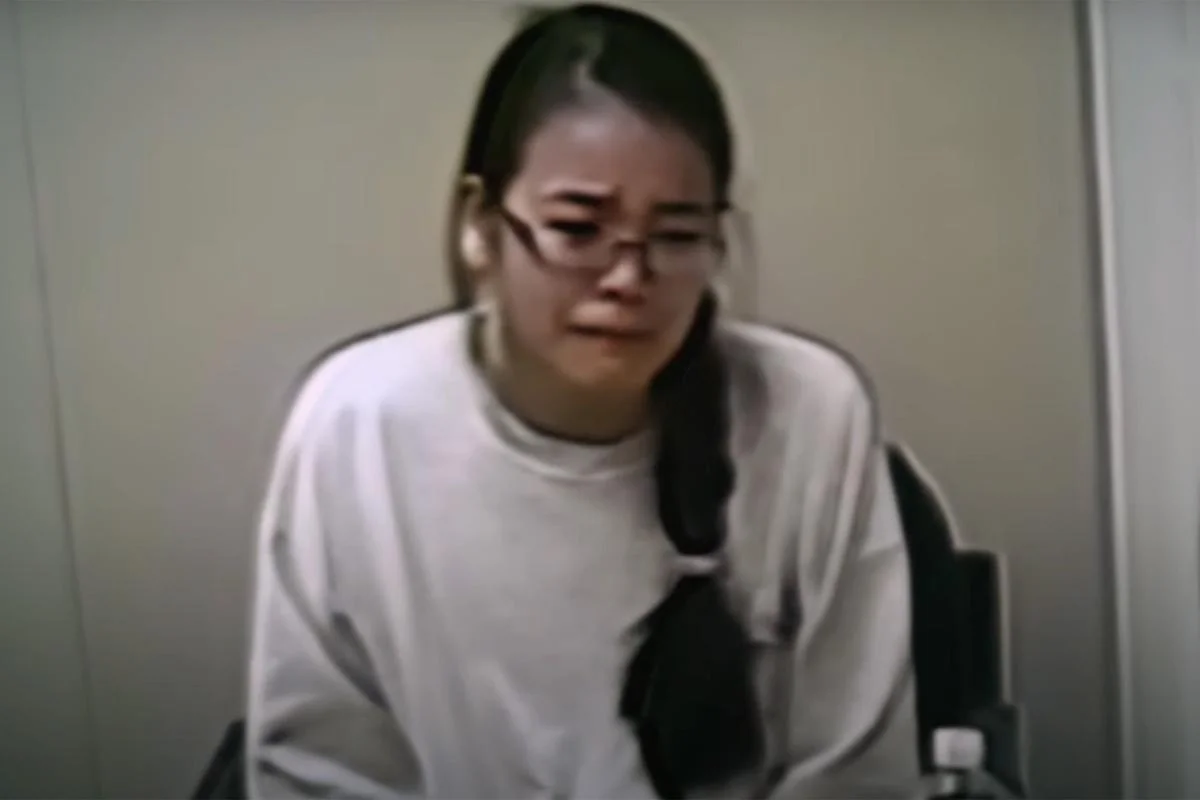
Jennifer Pan, pressured by her strict parents, orchestrated a murder plot to kill them in 2010, resulting in her life imprisonment; her case was featured in Netflix's 'What Jennifer Did' and remains under legal review for potential new trials.
President Donald Trump granted a full pardon to former Mets baseball star Darryl Strawberry, citing his Christian faith, sobriety, and post-career contributions, after Strawberry served time for tax evasion and drug-related charges.
A 65-year-old man, Norman Mearle Grim Jr., convicted of raping and murdering his neighbor in 1998, is scheduled for execution in Florida, marking the state's 15th execution of 2025, the most in a single year since the death penalty was reinstated in 1976.
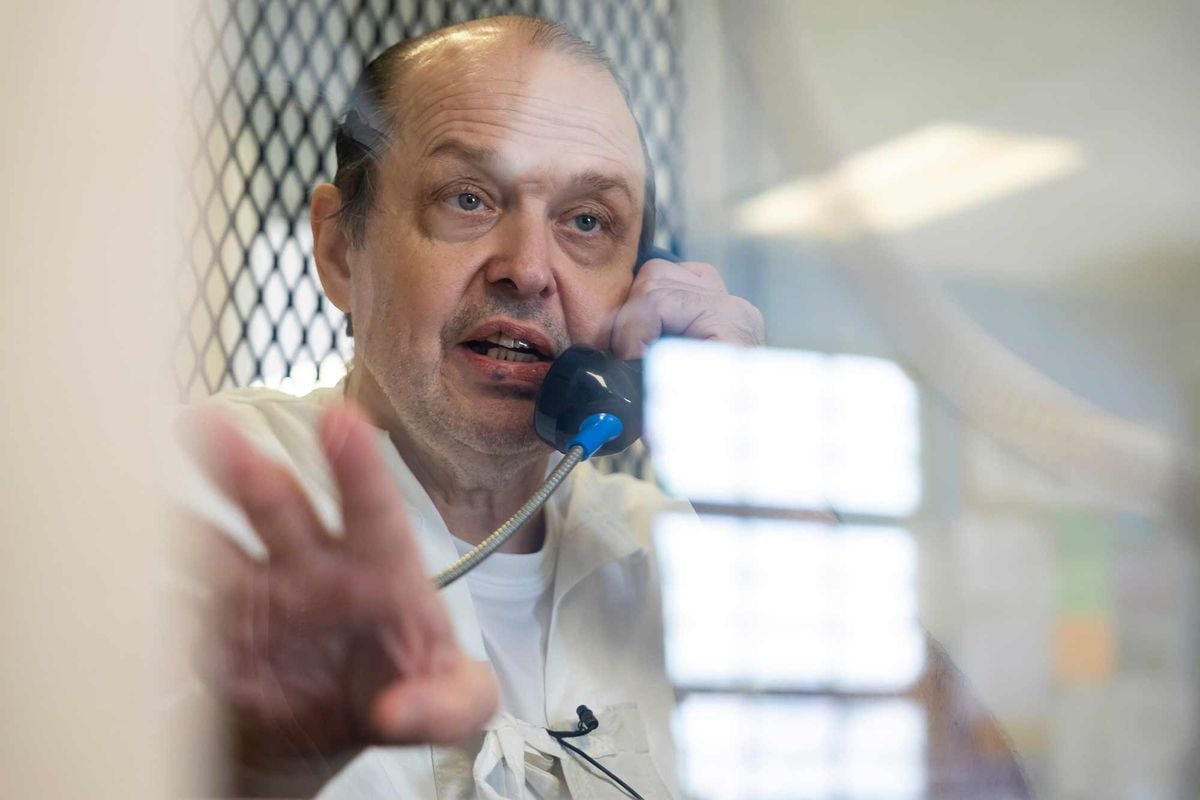
Texas has halted the execution of Robert Roberson, convicted of killing his daughter, amid doubts about the scientific evidence used in his case, including the validity of shaken baby syndrome diagnosis, his autism diagnosis, and potential judicial bias, highlighting issues in the use of the death penalty in the US.
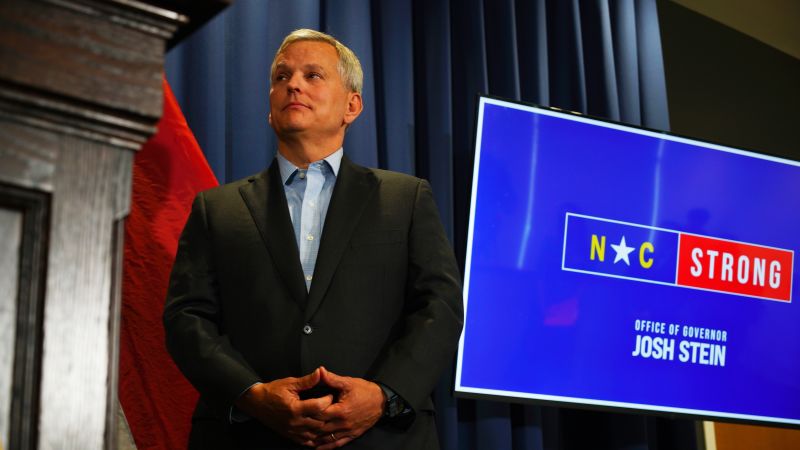
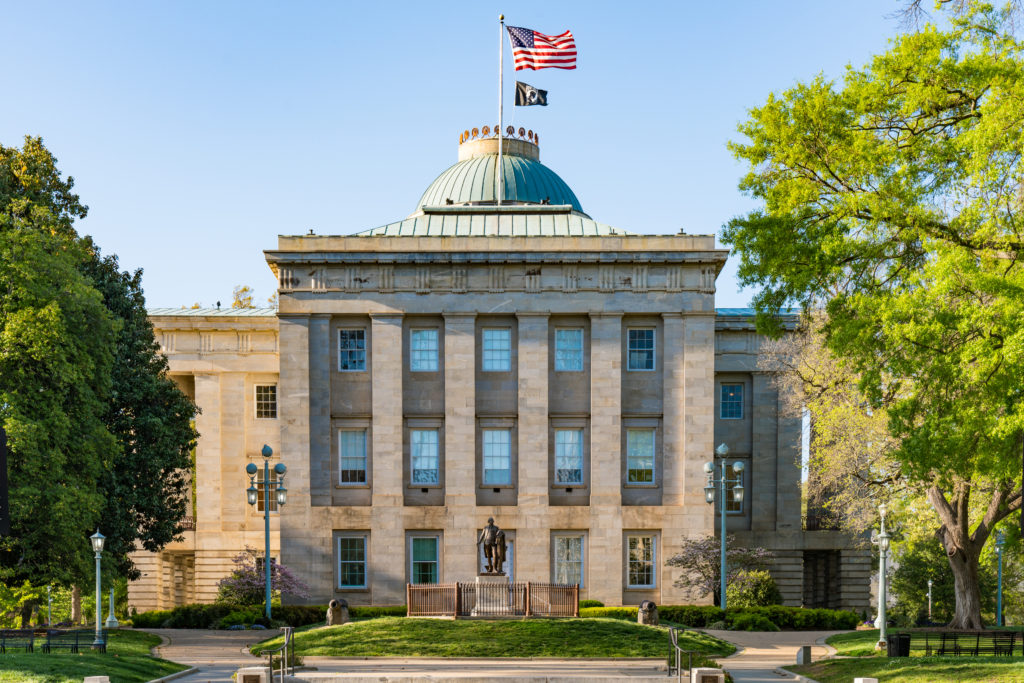
North Carolina Governor Josh Stein signed a criminal justice law that includes measures like banning cashless bail for violent crimes and revisiting capital punishment procedures, in response to the stabbing death of a Ukrainian refugee on a Charlotte train, despite his criticisms of certain provisions and the law's perceived lack of comprehensive safety measures.
North Carolina Governor Josh Stein signed a criminal justice bill into law, responding to the stabbing death of a Ukrainian refugee on a Charlotte train. The law aims to restrict cashless bail for violent and repeat offenders, enhance mental health evaluations, and restart executions in the state, despite Stein's criticisms of its lack of broader safety measures. The bill received bipartisan support and addresses issues related to pretrial release and capital punishment.
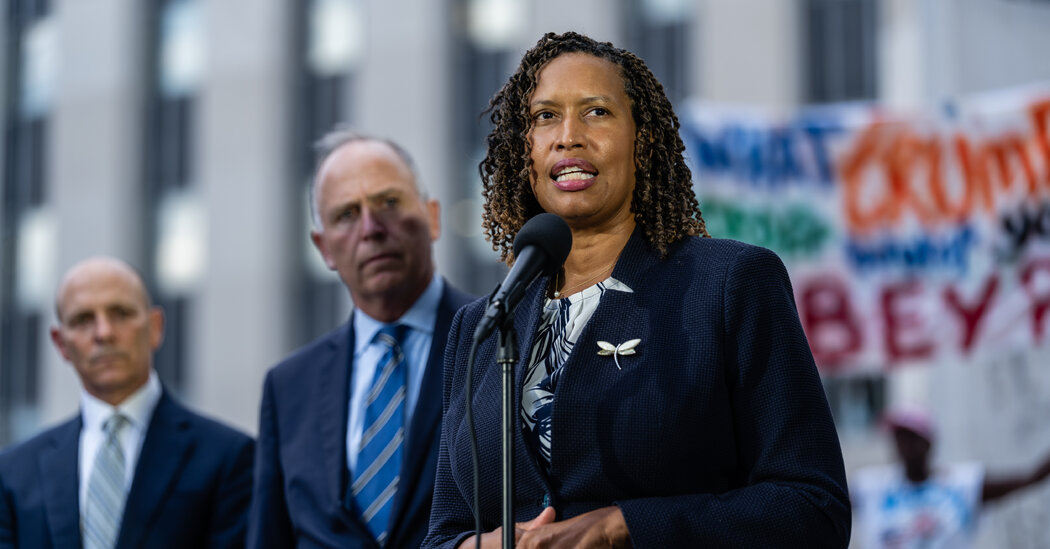
Washington D.C. officials, including Mayor Muriel Bowser, are testifying before a House committee amid Republican efforts to increase federal control over the city, with debates focusing on public safety, criminal justice, and D.C.'s limited autonomy, amidst ongoing tensions over federal intervention and local governance.
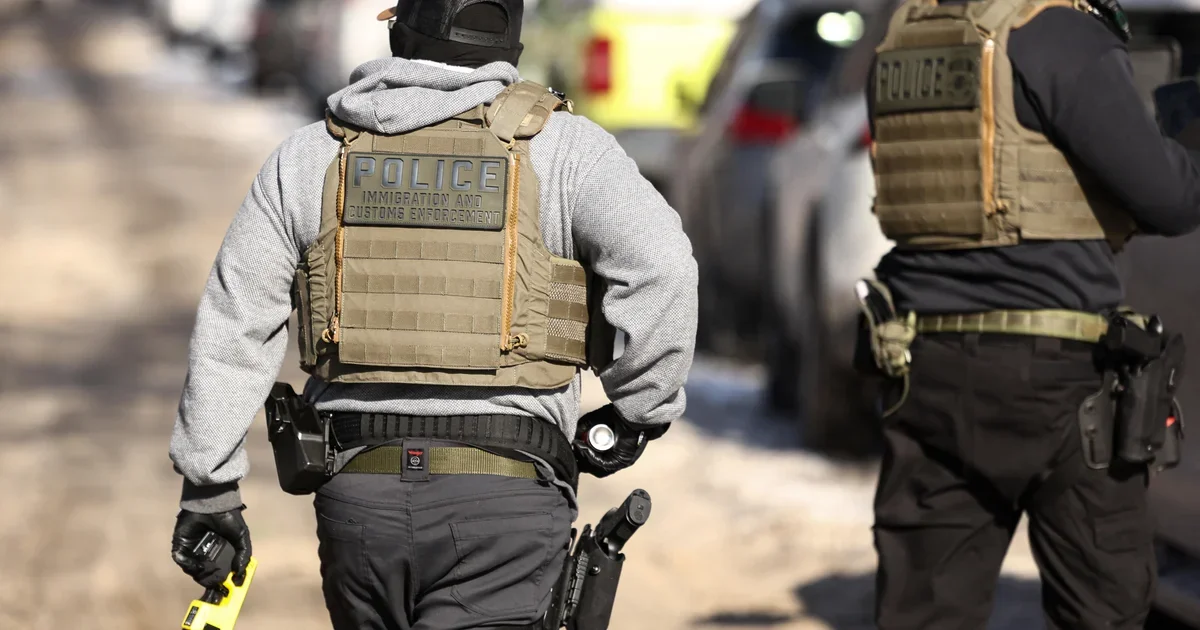
President Trump plans to sign an executive order to end cashless bail in Washington, D.C., as part of a broader federal effort to take control of local law enforcement policies, potentially threatening to withhold federal funding if the city does not comply. The move is part of Trump's tough-on-crime stance and aims to shift suspects into federal custody, challenging D.C.'s longstanding policy of eliminating cash bail, which critics say unfairly impacts low-income individuals and has little effect on crime rates.
Erik Menendez's parole was denied by a California board due to his ongoing misbehavior in prison, despite family support and his claims of personal transformation, highlighting concerns about his risk to public safety and his prison conduct.
Erik and Lyle Menendez are undergoing separate parole hearings after nearly 36 years since their 1990 murders of their parents, with decisions expected to be announced late Thursday and Friday; the hearings are closed, conducted via video conference, and involve assessments of their rehabilitation efforts, with final parole decisions pending legal review and gubernatorial approval.
A UC San Diego study finds that when punishers profit from enforcement, cooperation declines and social trust erodes, highlighting the potential negative effects of monetized punishment systems like private prisons and civil asset forfeiture on societal rule-following.
Serving on disturbing jury cases can have long-lasting mental health effects, as exemplified by Chloe Beck, who developed PTSD after witnessing a gruesome murder trial involving children, highlighting the hidden trauma jurors may endure.