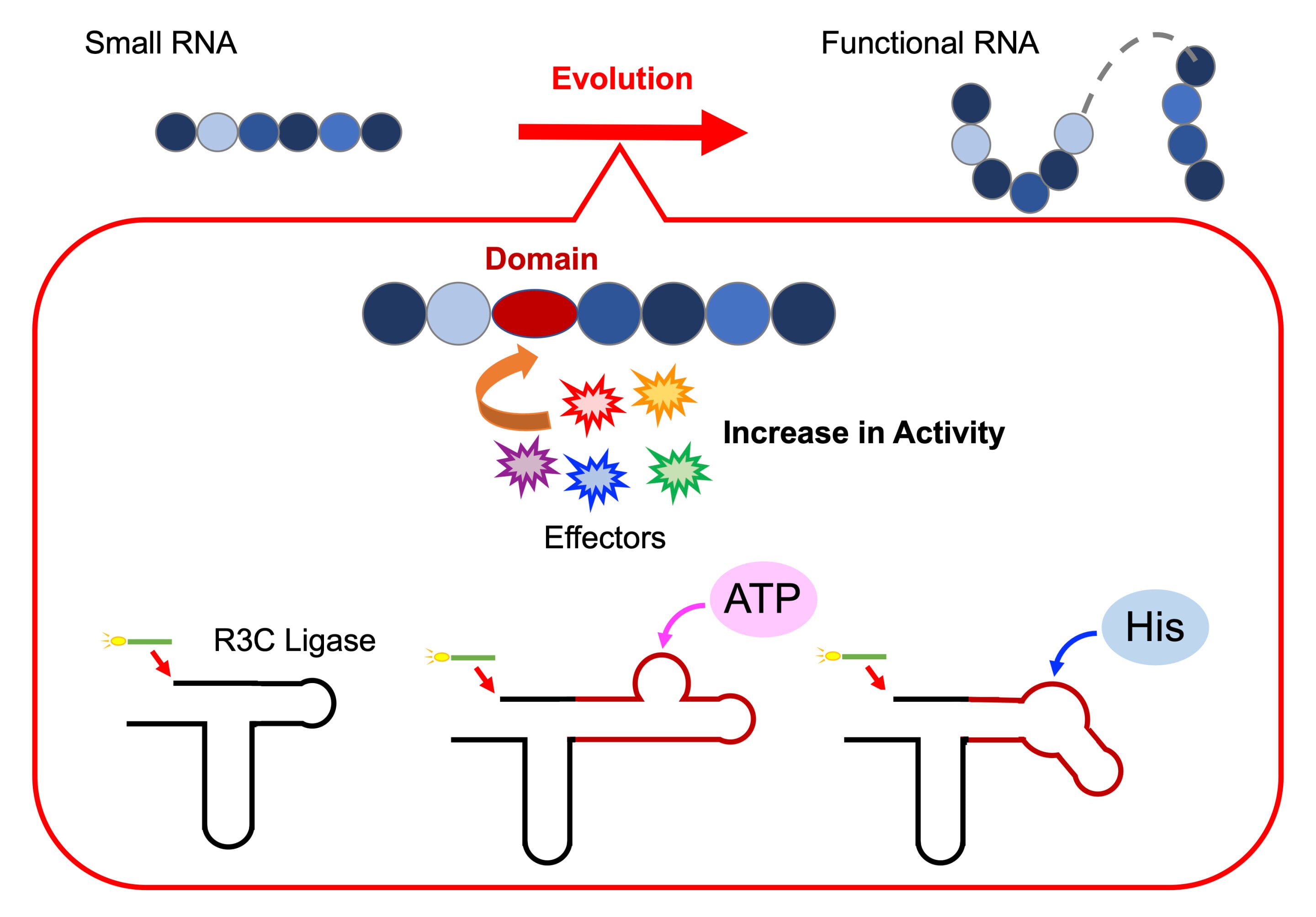
A study from Tokyo University of Science has engineered a ribozyme structure to mimic the early RNA world, shedding light on RNA's role in primitive life and its potential in bioengineering. The research explores the assembly of functional ribozymes and reveals insights into the evolutionary history of protein synthesis systems. The study also demonstrates the allosteric regulation of ribozymes by ATP and histidine, providing new perspectives on the role of RNA in early evolution and its applications in targeted drug delivery, therapeutics, nano-biosensors, and enzyme engineering.
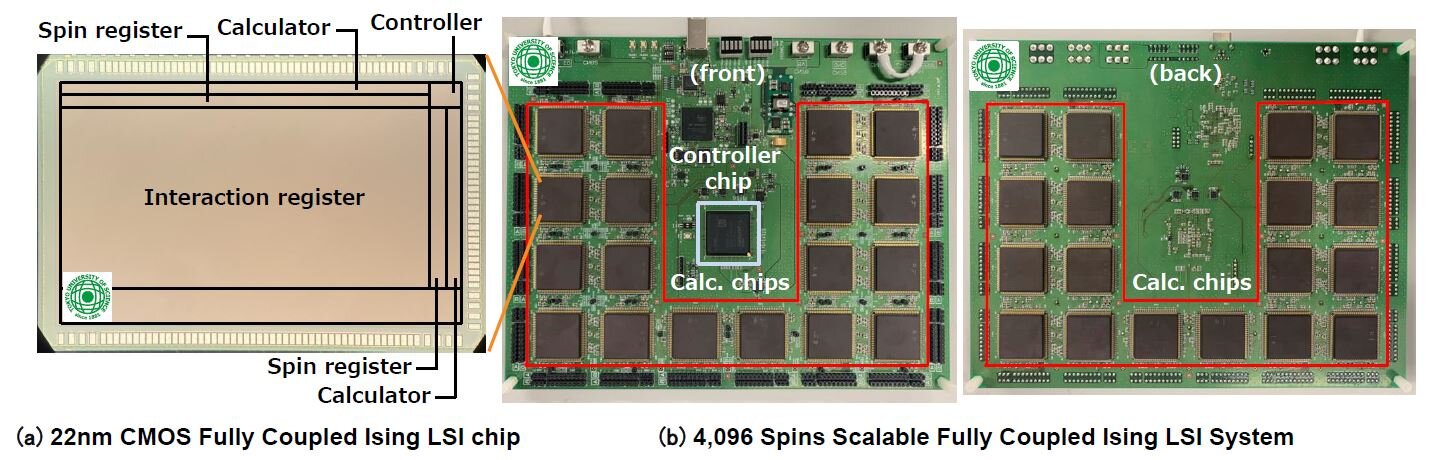
Researchers at Tokyo University of Science have developed a scalable, fully coupled annealing processor with 4096 spins using 22nm CMOS LSI chips, achieving a remarkable speedup in problem solving. The processor incorporates innovative technologies, including chip reduction and parallel operations for simultaneous solution searches, and outperforms simulating a fully coupled Ising system on a PC by 2,306 times in terms of power performance ratio. This breakthrough has implications for practical applications in logistics, resource allocation, drug discovery, and material science.
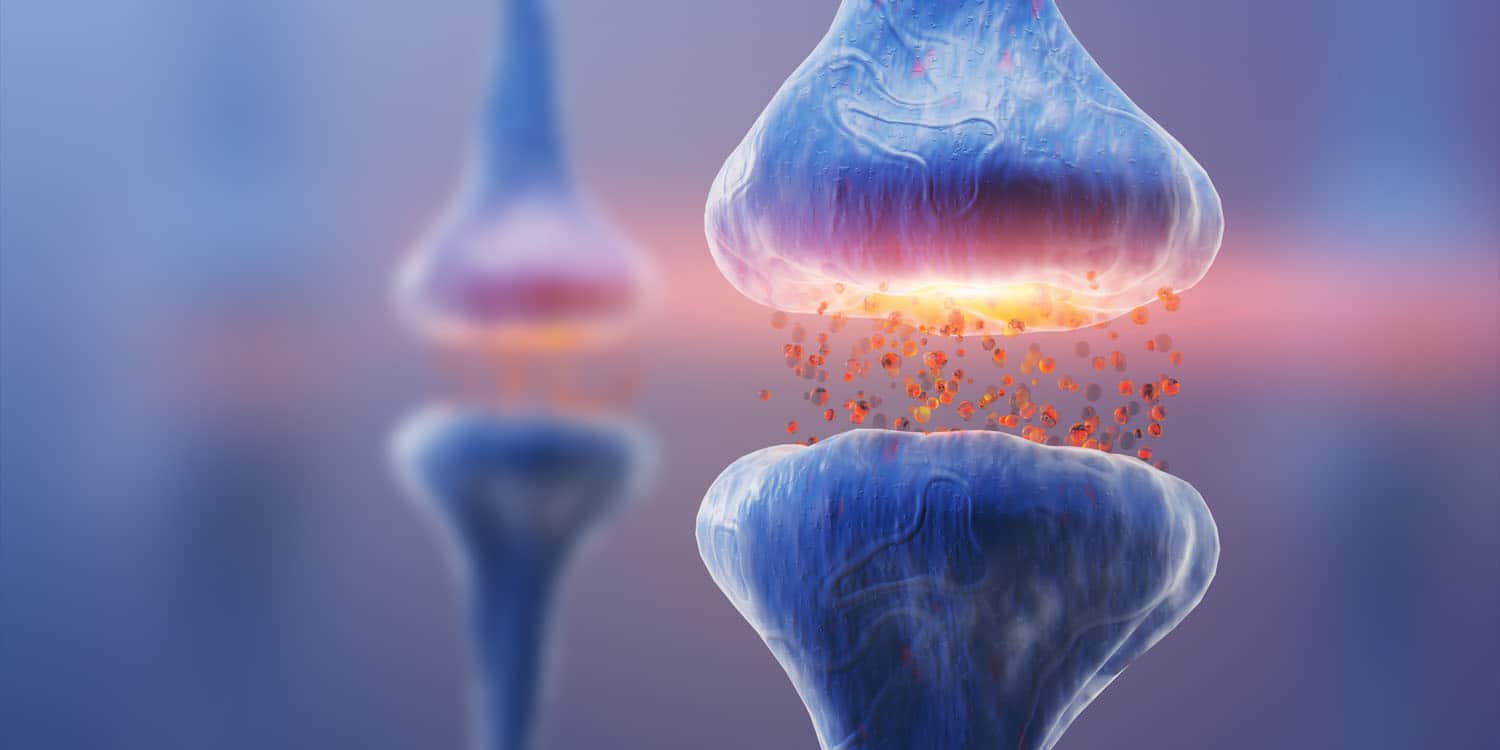
A team of scientists from Tokyo University of Science has discovered that activating oxytocin-producing neurons in the brain can significantly improve object recognition memory in mice, shedding light on the hormone's role in cognitive function. The study, published in PLOS One, utilized a chemogenetic approach to selectively activate oxytocin neurons in mice, revealing that oxytocin enhances long-term memory by influencing neuronal activity in specific brain regions. While the research offers valuable insights, the study was limited to male mice, leaving open questions about oxytocin's effects in females, and future research aims to explore these dynamics further for potential therapeutic applications in memory impairment and dementia.