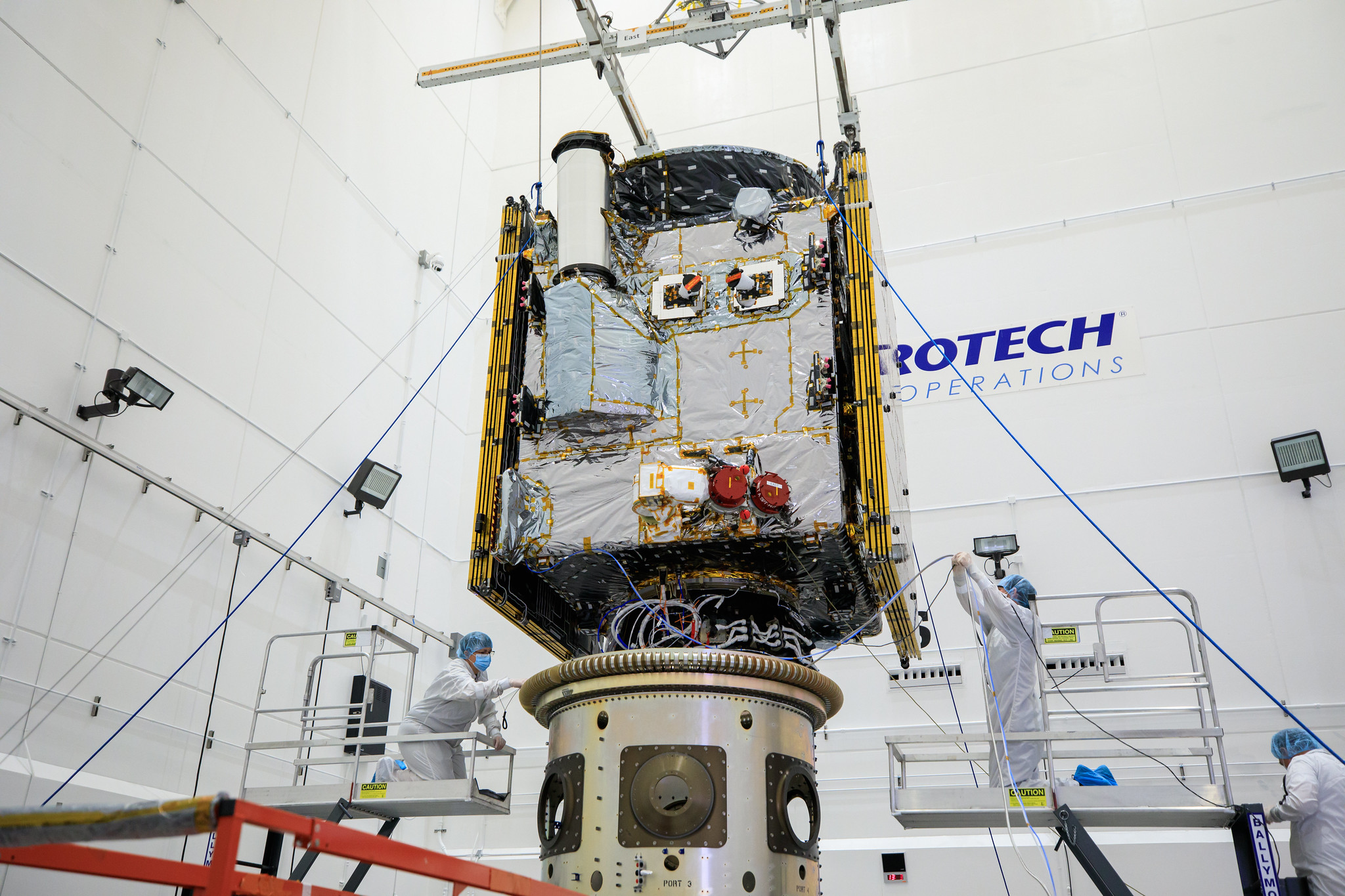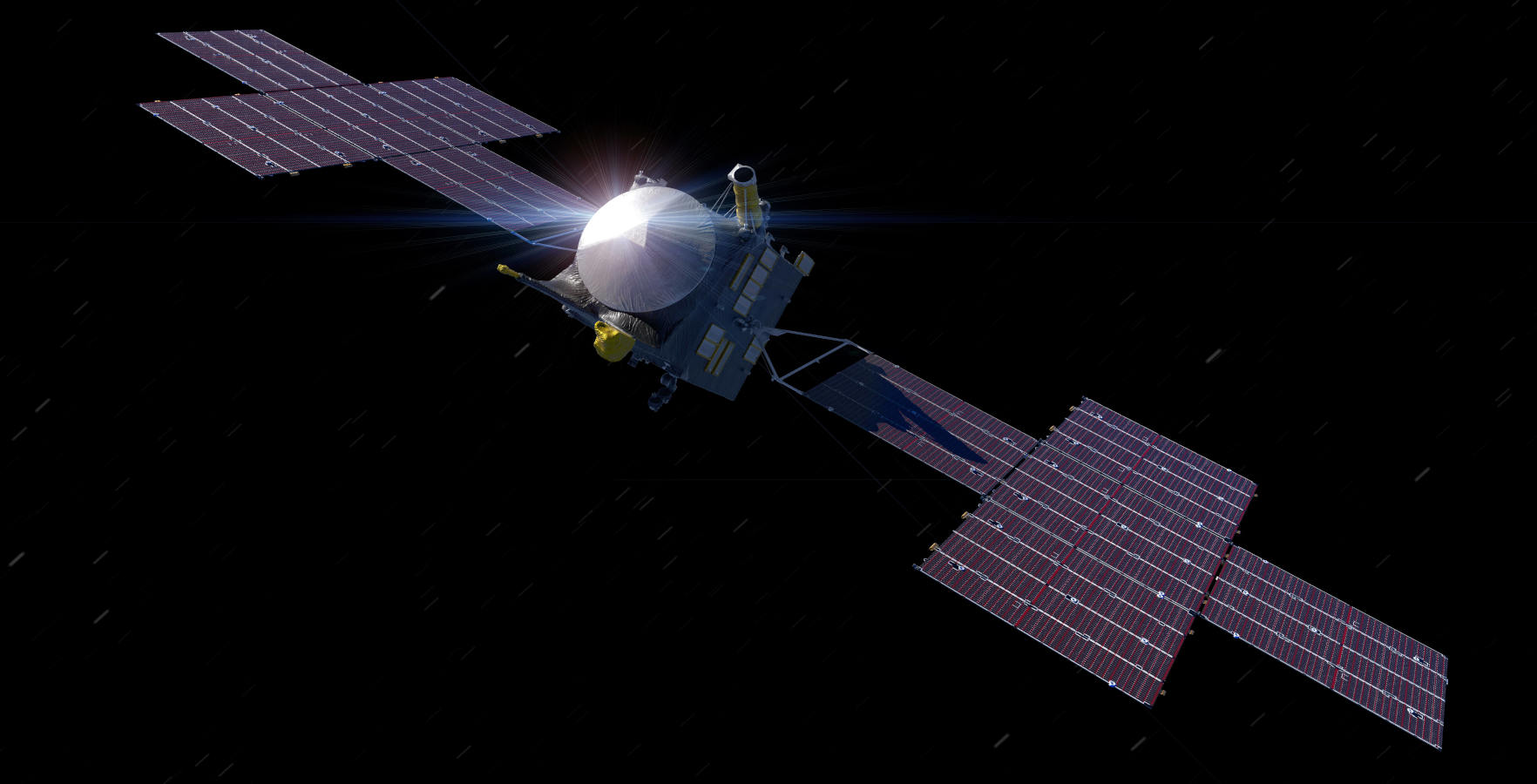
NASA's Psyche spacecraft has successfully switched to a backup fuel line to fix a propulsion issue, allowing its electric thrusters to resume operation. The problem was caused by a faulty valve in the primary line, and the fix ensures the spacecraft can continue its journey to a metal-rich asteroid, expected to arrive in 2029. The mission aims to study planetary formation and has already demonstrated impressive data transmission capabilities during its journey.
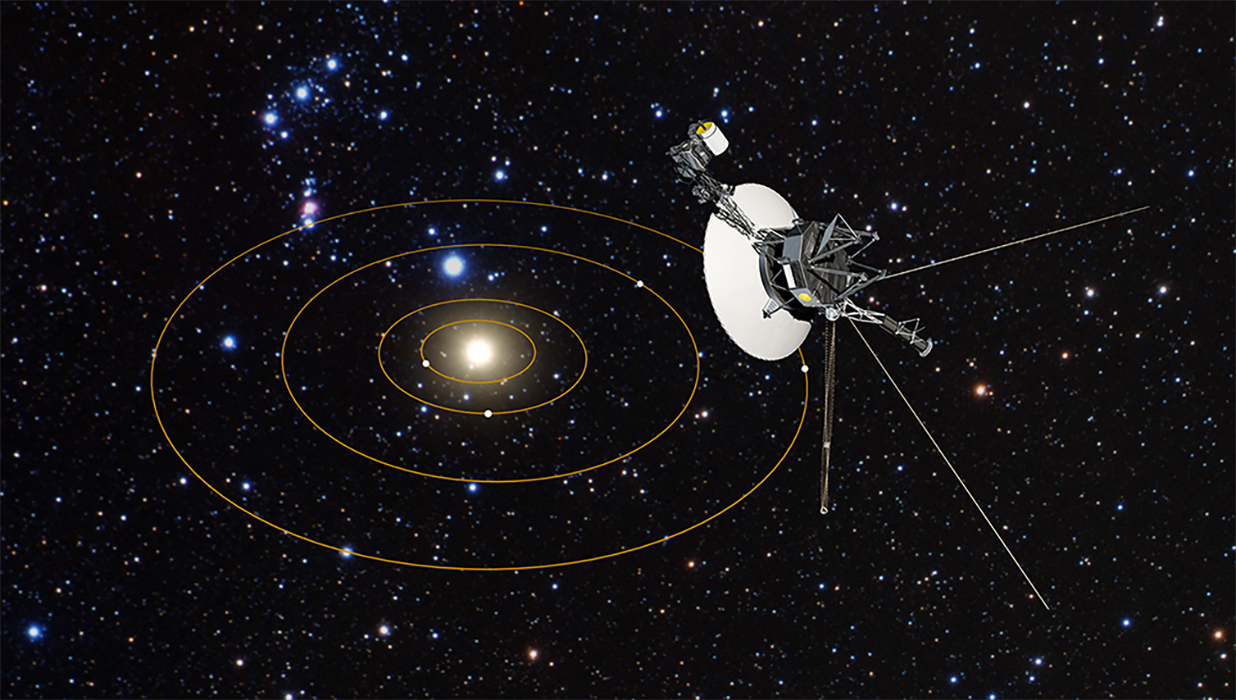
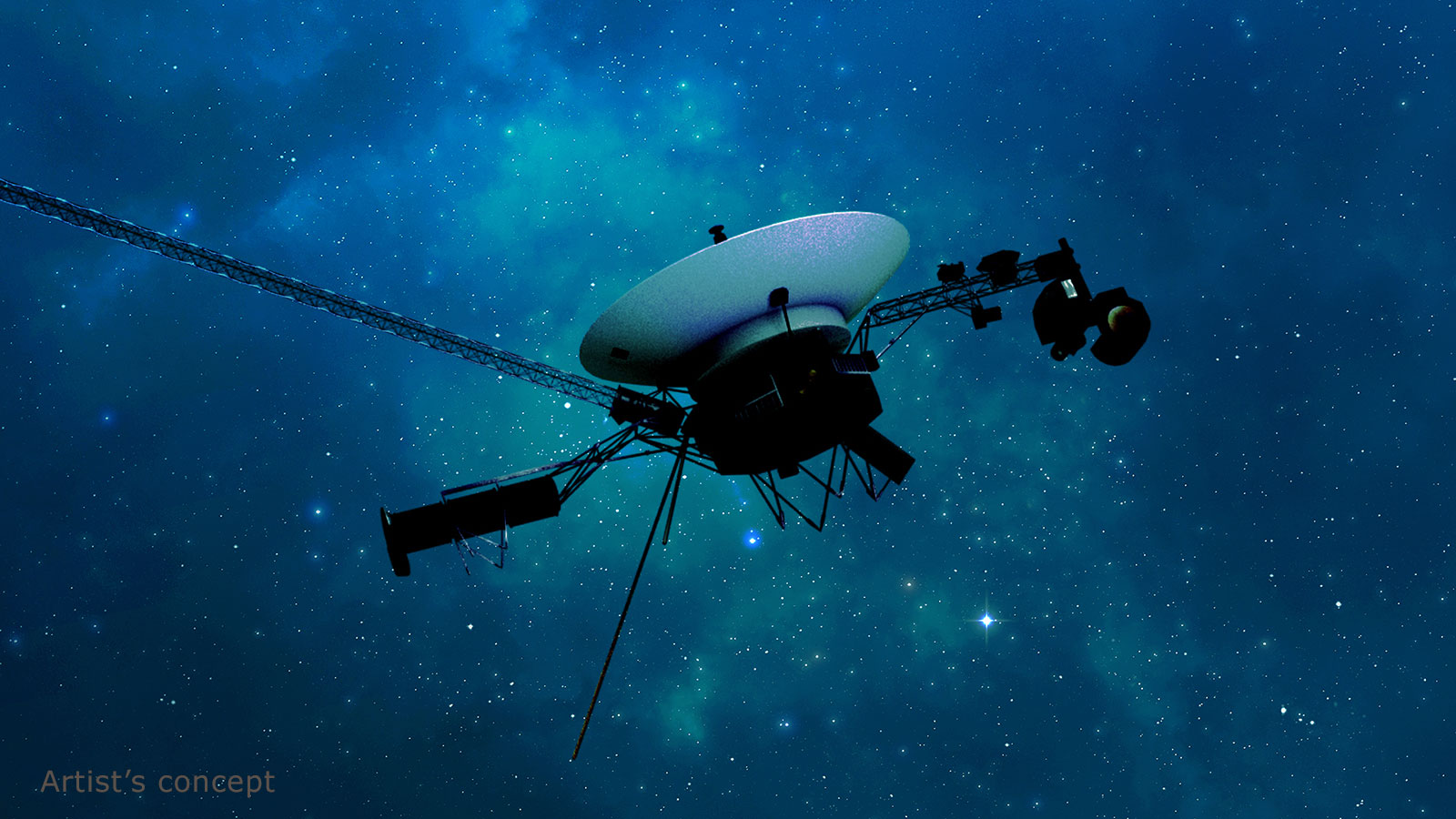
NASA successfully reactivated one of Voyager 1's primary roll thrusters after 21 years of inactivity by resetting its heaters, a delicate operation that could extend the spacecraft's mission and maintain communication with Earth despite limited ground station availability.
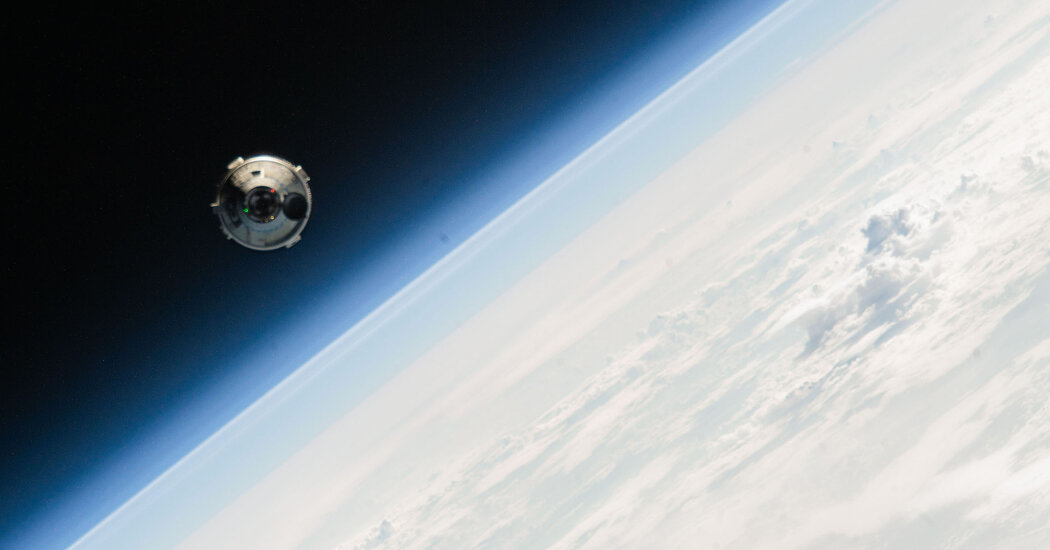
Despite experiencing glitches with its propulsion system, Boeing's Starliner spacecraft successfully docked at the International Space Station, carrying two NASA astronauts. The docking, which occurred over an hour later than planned, marks a significant milestone for the test flight, ensuring Starliner is ready for future operational missions.
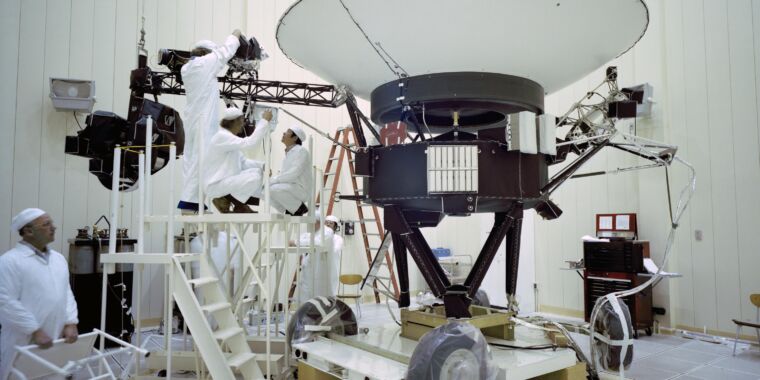
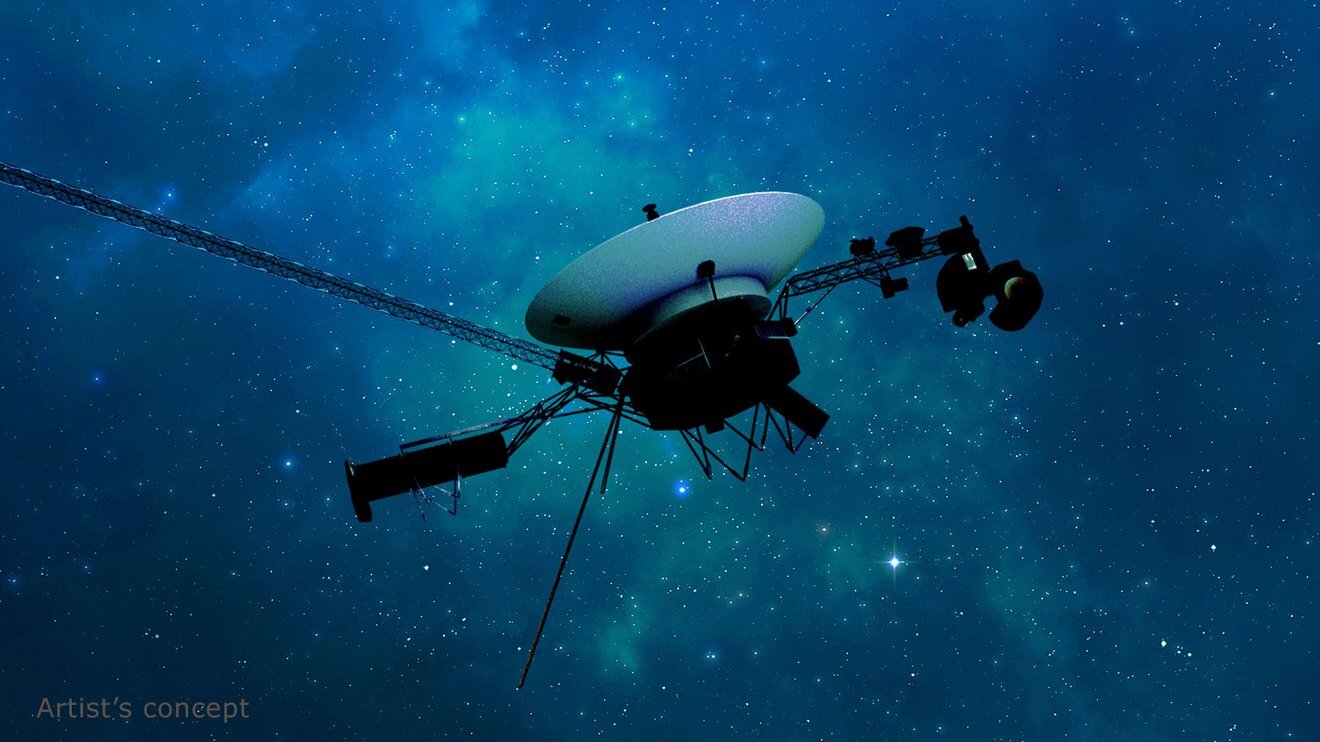
NASA's Voyager spacecraft, which have been in deep space for 46 years, are showing signs of wear and tear. To extend their mission, engineers at NASA's Jet Propulsion Laboratory are implementing measures such as software patches and new thruster operation techniques. The software patch was first tested on Voyager 2 to resolve a computer problem before being sent to Voyager 1. Additionally, engineers have adjusted the thruster operation to prevent fuel line blockages, allowing the spacecraft to return more data over time. These efforts aim to prolong the Voyagers' mission and continue gathering valuable scientific data from interstellar space.
NASA's Voyager mission team is addressing two key issues to ensure the continued exploration of interstellar space by Voyager 1 and Voyager 2. They are tackling the accumulation of fuel residue in the thrusters, which are used to keep the spacecraft antennas pointed at Earth, by adjusting the rotation range and reducing the frequency of thruster firings. Additionally, a software patch is being uploaded to prevent a glitch that occurred on Voyager 1 last year from recurring. The patch will be tested on Voyager 2 first before being applied to Voyager 1. These measures aim to extend the lifetime of the thrusters and protect the valuable data being sent back from interstellar space.
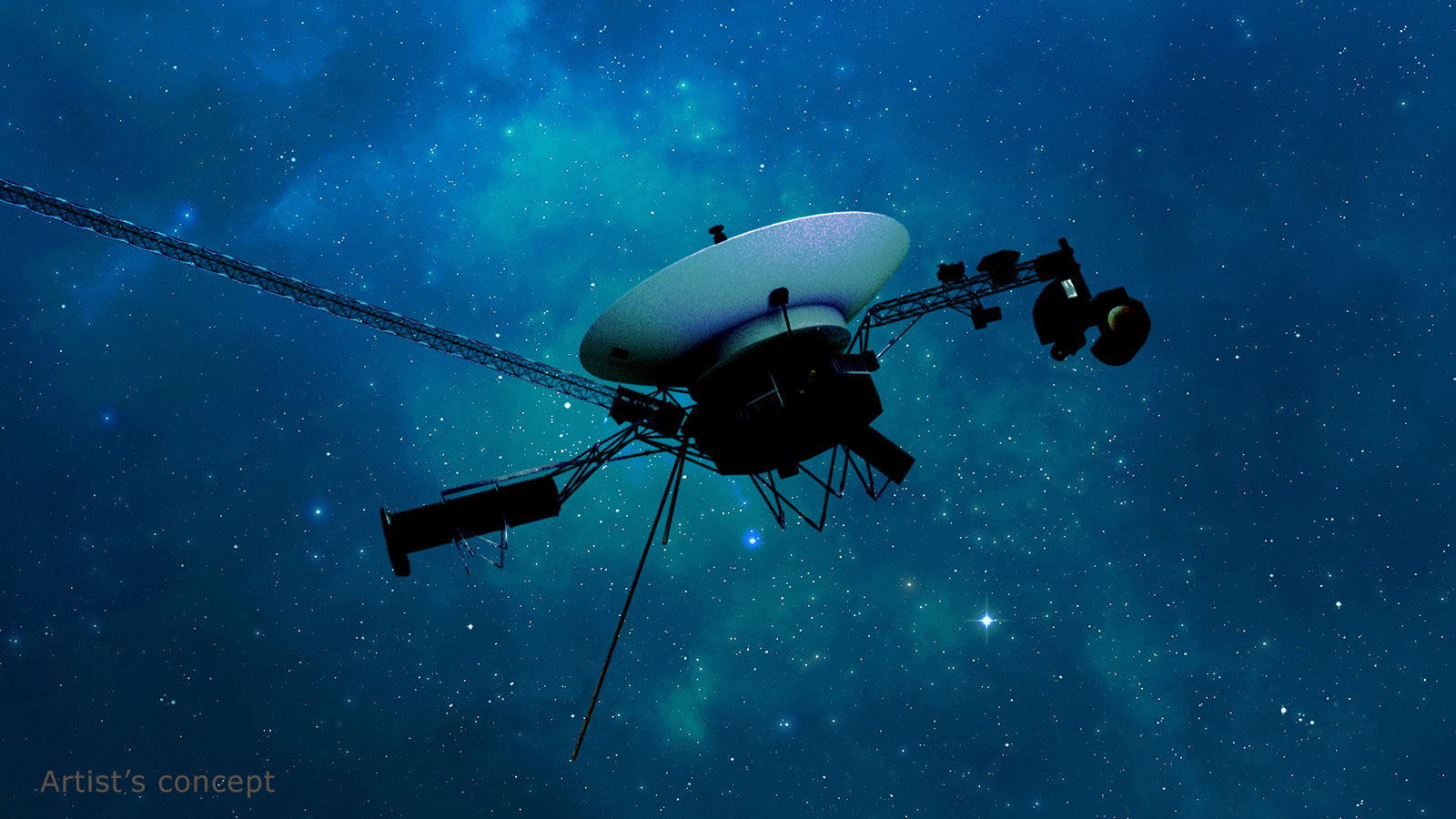
NASA's Voyager 1 and Voyager 2 spacecraft are receiving a software patch to address issues with their thrusters and onboard computer. The thrusters, used to keep the spacecraft antennas pointed at Earth, have been experiencing a gradual buildup of material over decades. To slow this buildup, the spacecraft will rotate slightly farther before firing the thrusters. The software patch aims to prevent garbled status reports and protect the probes' operations in the future. The Voyager missions, originally scheduled for four years, have extended to explore Saturn, Jupiter, Uranus, Neptune, and beyond the heliosphere.
NASA's Voyager mission engineers are working on two initiatives to prolong the lifespan of the Voyager 1 and Voyager 2 spacecraft. One effort involves addressing fuel residue buildup in the thrusters, which are used to keep the antennas pointed at Earth. The team is also uploading a software patch to prevent a glitch that occurred on Voyager 1 last year. These measures aim to ensure the continued exploration of interstellar space by the Voyager spacecraft for several more years.
NASA's Psyche spacecraft, set to launch on October 12, will reduce the power of its maneuvering system after engineers discovered that its thrusters were at risk of overheating during its eight-year mission to explore a metallic asteroid. The issue was discovered during testing, and a simple tweak to the thruster parameters will limit their thrust to 30% instead of the planned 80%. This adjustment will prevent potential damage to the thrusters and ensure the mission's success. The Psyche spacecraft will be the first to explore a rare metallic asteroid, known as 16 Psyche, and will spend 26 months orbiting the asteroid after its arrival in 2029.
NASA has postponed the launch of its Psyche spacecraft by a week to update the configuration of thrusters on the spacecraft. The delay will allow engineers to verify parameters for the nitrogen cold-gas thrusters, which will operate at warmer temperatures than previously predicted. The launch is now scheduled for October 12, and the spacecraft will study the structure and composition of the main belt asteroid Psyche, the first solar system body made primarily of metal to be visited by a spacecraft.
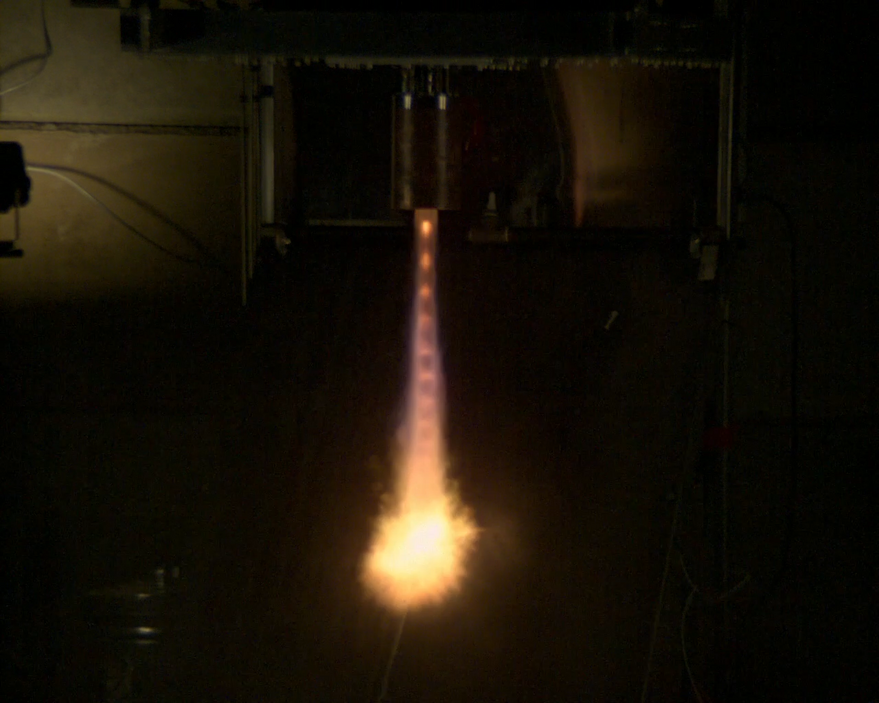
Benchmark Space Systems has been awarded a $2.81 million contract by the U.S. Air Force Research Laboratory (AFRL) to develop and test thrusters using Advanced Spacecraft Energetic Non-Toxic (ASCENT) fuel. The contract aims to optimize the thrusters for size, weight, and longevity, with the development of a 22 Newton thruster for hot-fire demonstrations and a preliminary design of a 100 Newton thruster assembly. Benchmark is also establishing an Advanced Propellants Group to explore nontoxic chemical, electric, and hybrid propulsion systems, potentially expanding the usage of ASCENT and other green propellants in the space industry.
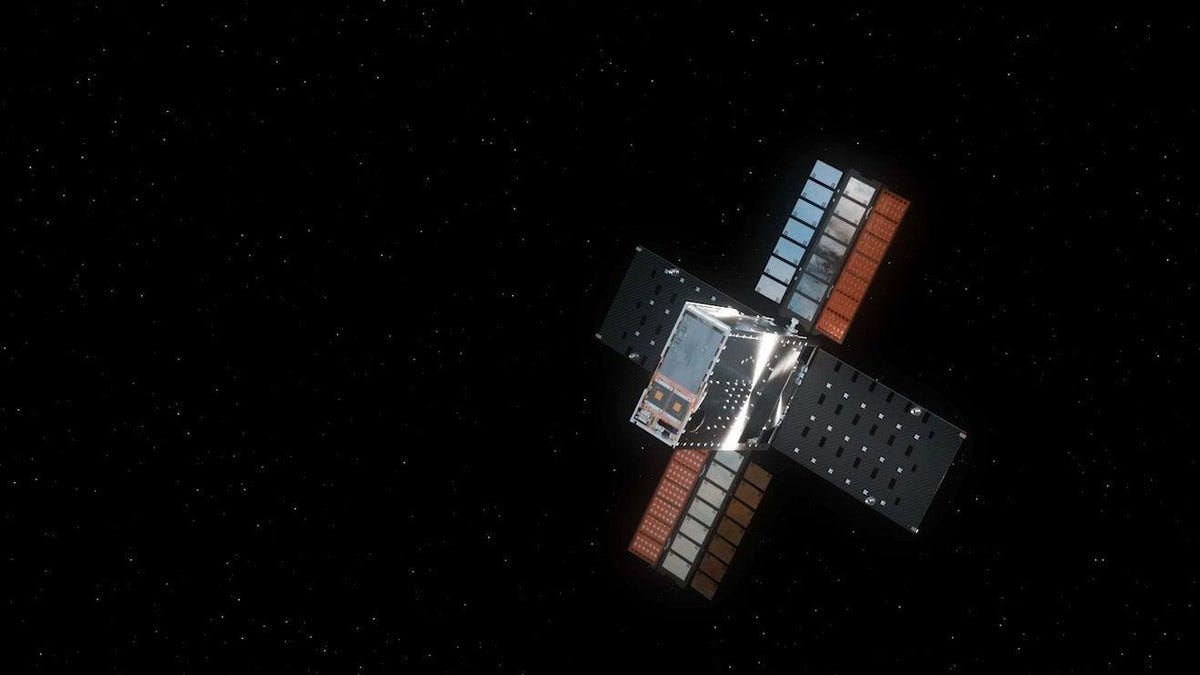
NASA's Lunar Flashlight mission is still trying to get its thrusters to work properly after five months in space. The team has developed a new method to get the satellite's propulsion system up and running, with the spacecraft needing more thrust within the next few days so that it can reach its revised orbit. The Lunar Flashlight is designed to shine infrared light on some of the Moon's permanently shadowed regions, scanning the lunar South Pole for reservoirs of ice water hidden away from the Sun's light.