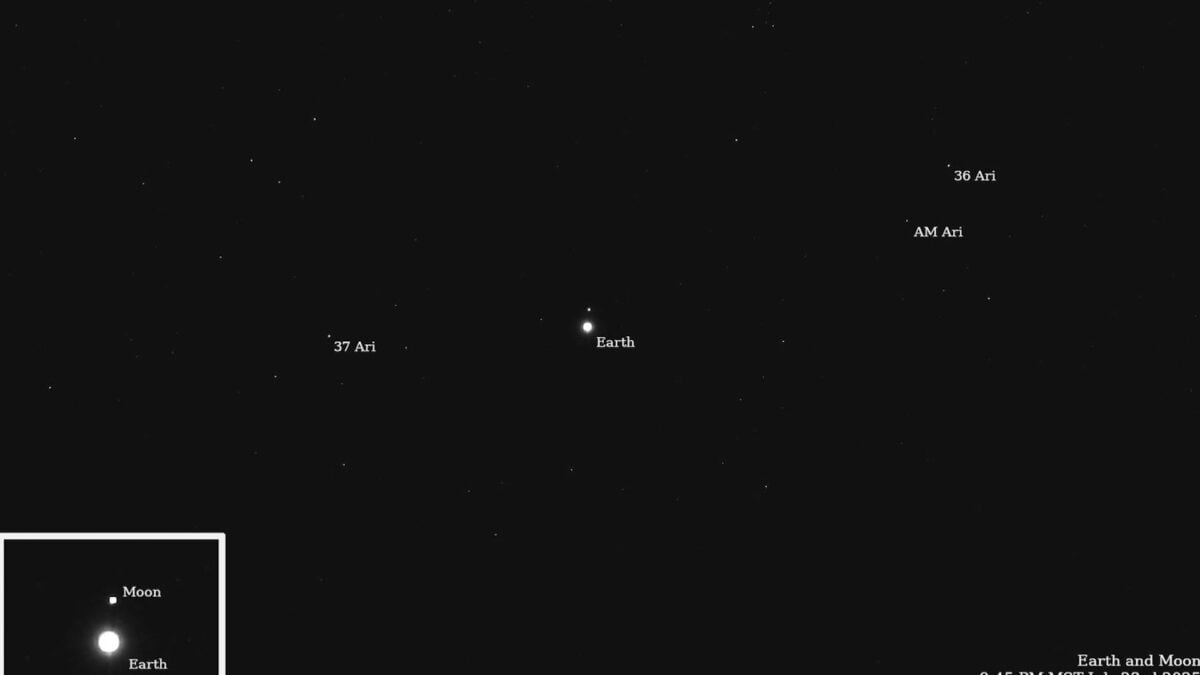
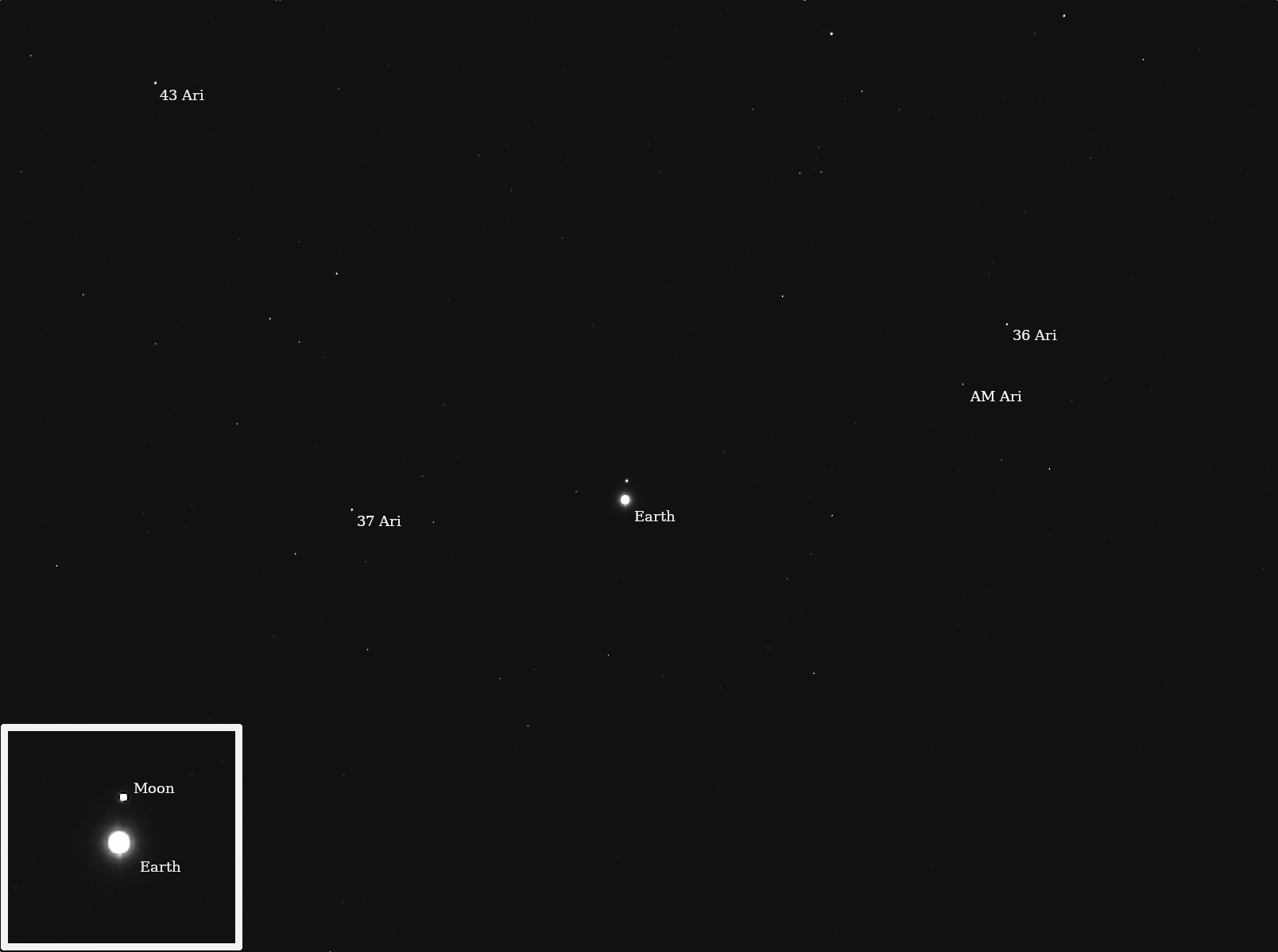
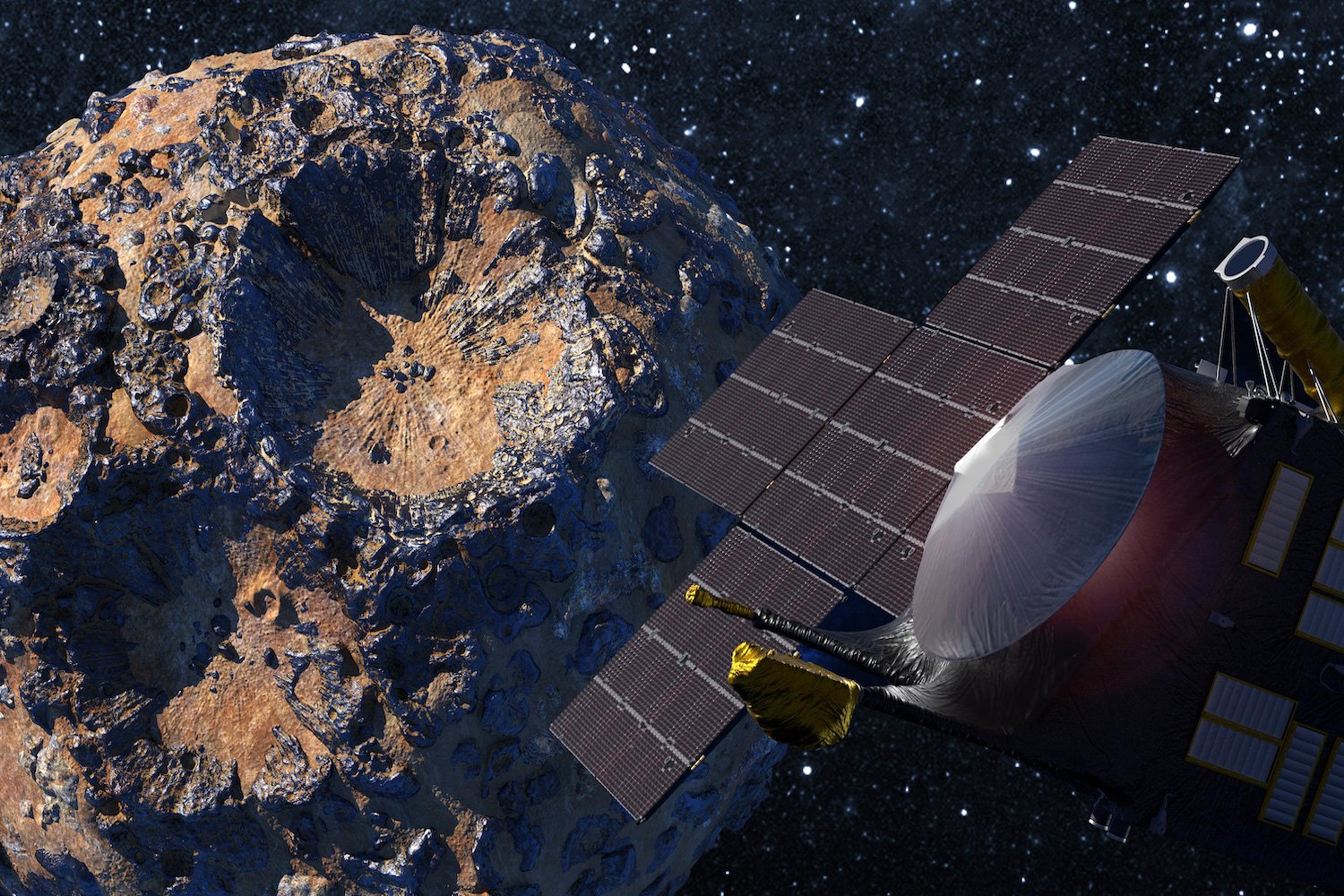
NASA's Psyche spacecraft, on a six-year mission to a metal-rich asteroid, captured a rare image of Earth and the Moon from 180 million miles away, offering a perspective similar to the Voyager's Pale Blue Dot and highlighting Earth's place in the solar system.
NASA's Psyche spacecraft captured images of Earth and the Moon from 180 million miles away during instrument checkouts, as it prepares for its 2029 arrival at the asteroid Psyche, with calibration and testing of its imaging instruments ongoing to ensure mission success.
NASA's Psyche spacecraft has resumed full propulsion after a temporary halt caused by a valve issue in its xenon propulsion system, which was successfully rerouted to a backup line. This recovery ensures the mission remains on track for its 2029 arrival at a metal-rich asteroid, with the spacecraft now operating reliably for its planned trajectory and scientific objectives.
NASA's Psyche spacecraft has successfully switched to a backup fuel line to fix a propulsion issue, allowing its electric thrusters to resume operation. The problem was caused by a faulty valve in the primary line, and the fix ensures the spacecraft can continue its journey to a metal-rich asteroid, expected to arrive in 2029. The mission aims to study planetary formation and has already demonstrated impressive data transmission capabilities during its journey.
NASA's Psyche spacecraft experienced a propulsion glitch due to a valve issue, but engineers switched to a backup fuel line to stay on course for its 2029 asteroid rendezvous, with the mission still scheduled to explore a unique metallic asteroid in the main belt.
NASA successfully beamed messages via laser across a distance of almost 16 million kilometers (10 million miles) in a test, marking the first time optical communications have been sent across such a distance. This achievement, part of NASA's Deep Space Optical Communications (DSOC) experiment, paves the way for higher-data-rate communications capable of sending scientific information, high-definition imagery, and streaming video in deep space. The test was conducted using a laser transceiver on board the Psyche spacecraft, and further refinement and testing will continue to ensure the effectiveness and reliability of this innovative near-infrared laser communication method for future deep space missions.
NASA has been testing a new communication system using its Psyche spacecraft, receiving radio and laser messages from deep space. The Deep Space Optical Communications system allows for faster data transmission compared to radio, with a recent test downloading a picture at a rate 40 times faster than standard radio frequency. By combining radio and laser communication, NASA aims to improve data transmission efficiency and save resources.
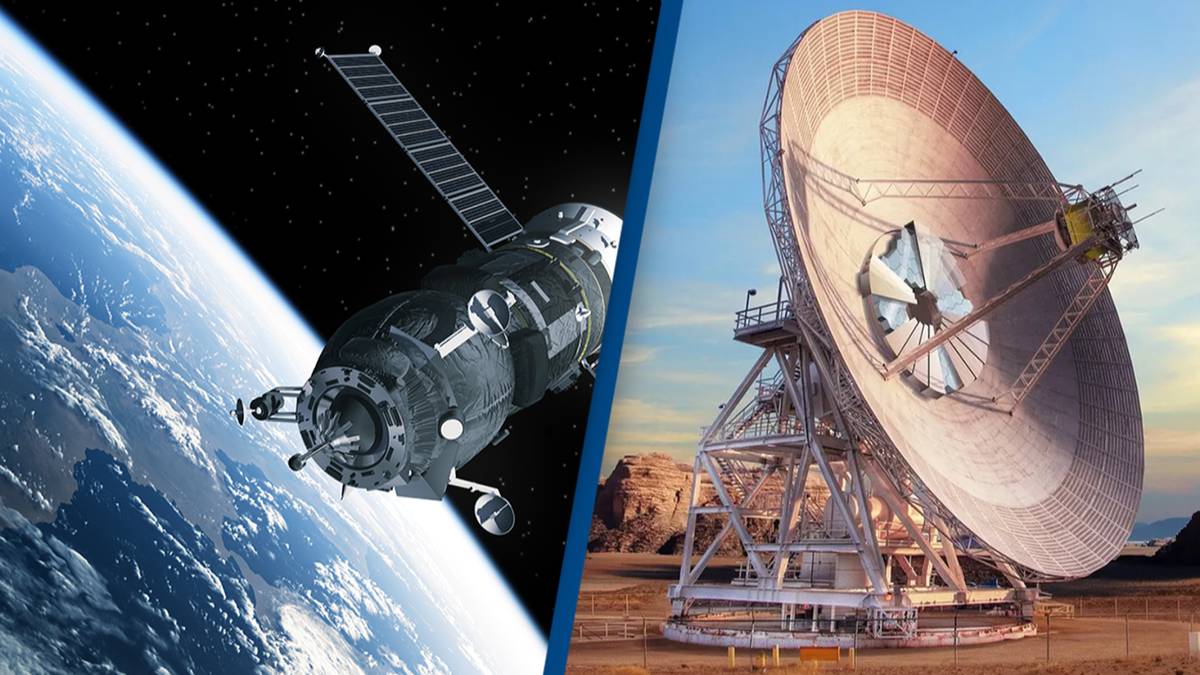
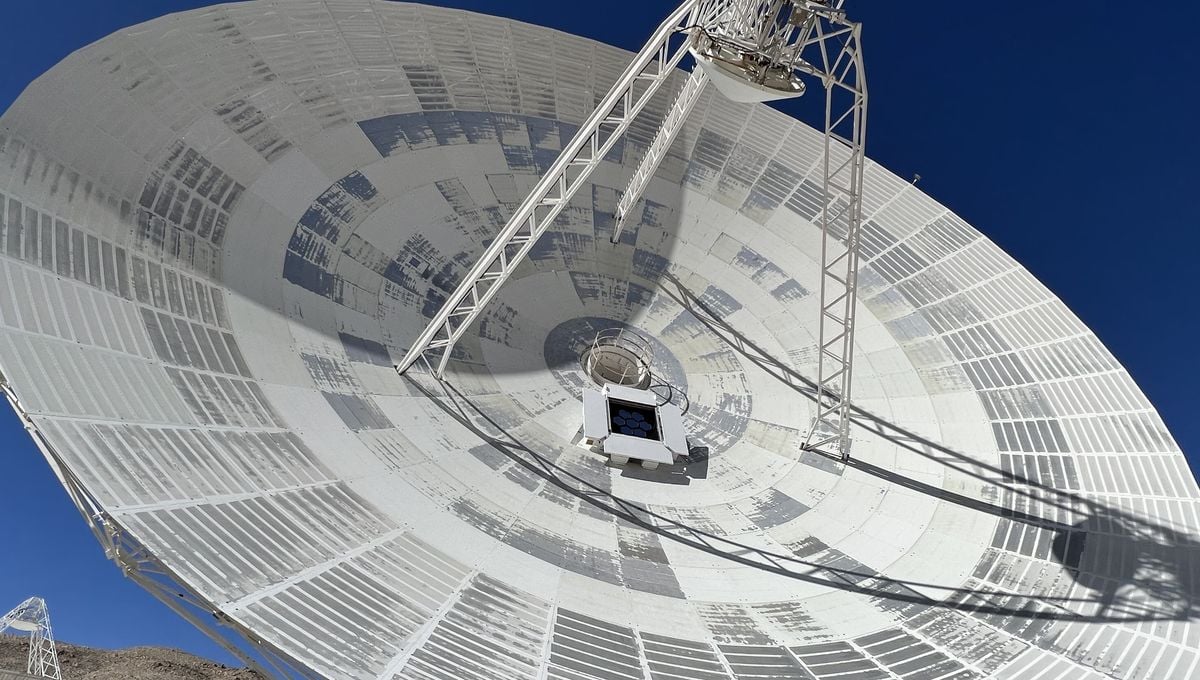
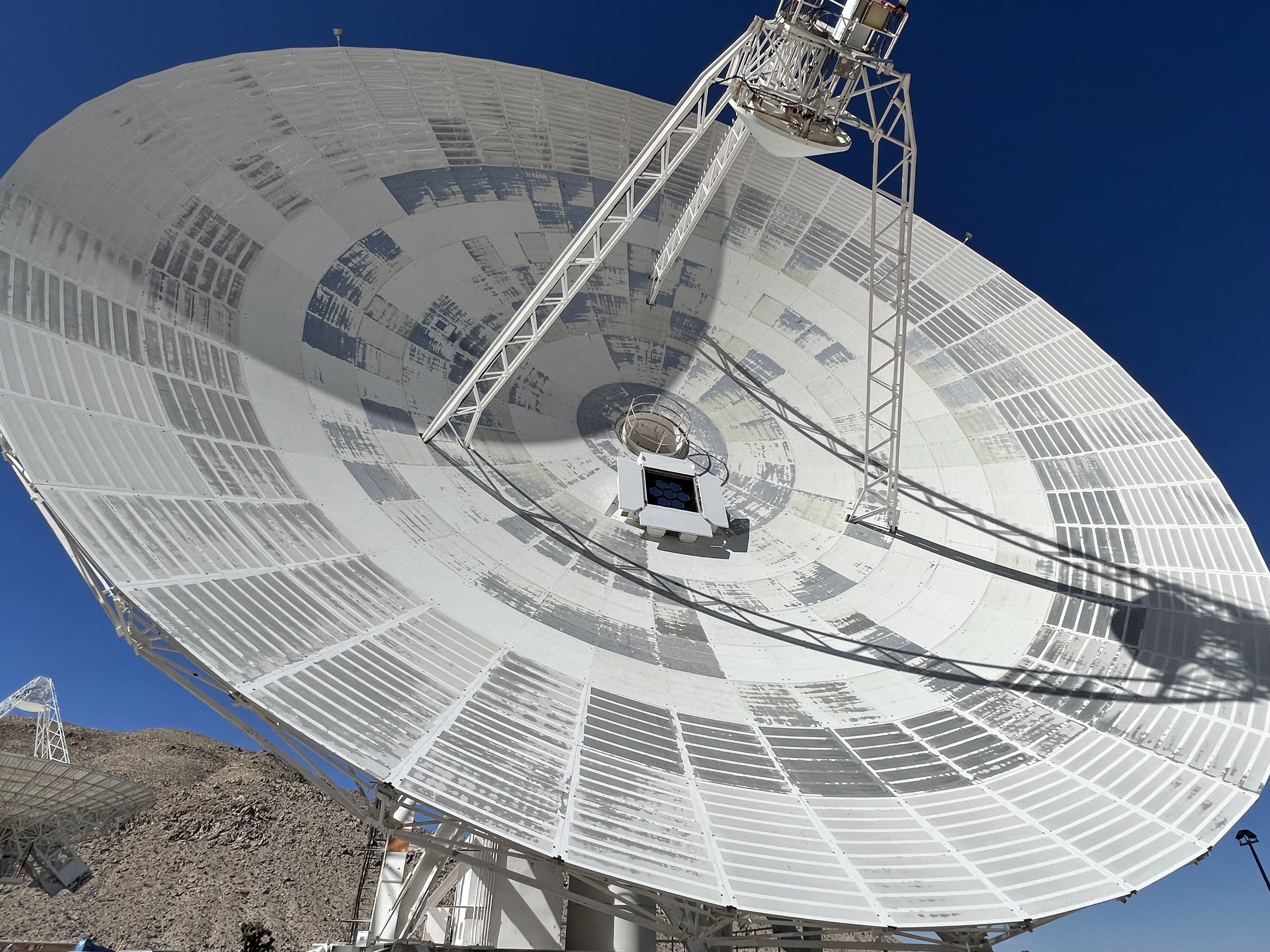
NASA has successfully received laser messages from its Psyche spacecraft, testing Deep Space Optical Communications (DSOC) to send messages back to Earth. The new system offers better bandwidth speed compared to radio waves, allowing for faster data transmission. By retrofitting radio antennas to do both laser and radio communication, NASA achieved synchronous radio and optical frequency deep space communications for the first time. The hope is to continue testing the system as Psyche travels further into space, potentially enabling more data-intensive transmission from Mars in the future.
NASA's experimental hybrid antenna at the Deep Space Network has successfully tracked and decoded the downlink laser from the Psyche spacecraft, demonstrating the potential for retrofitting giant dish antennas for optical communications. This breakthrough paves the way for higher-data-rate communications and supports future space exploration capabilities, including sending humans to Mars. The antenna's ability to receive both radio frequency and near-infrared laser signals marks a significant advancement in deep space communication technology.
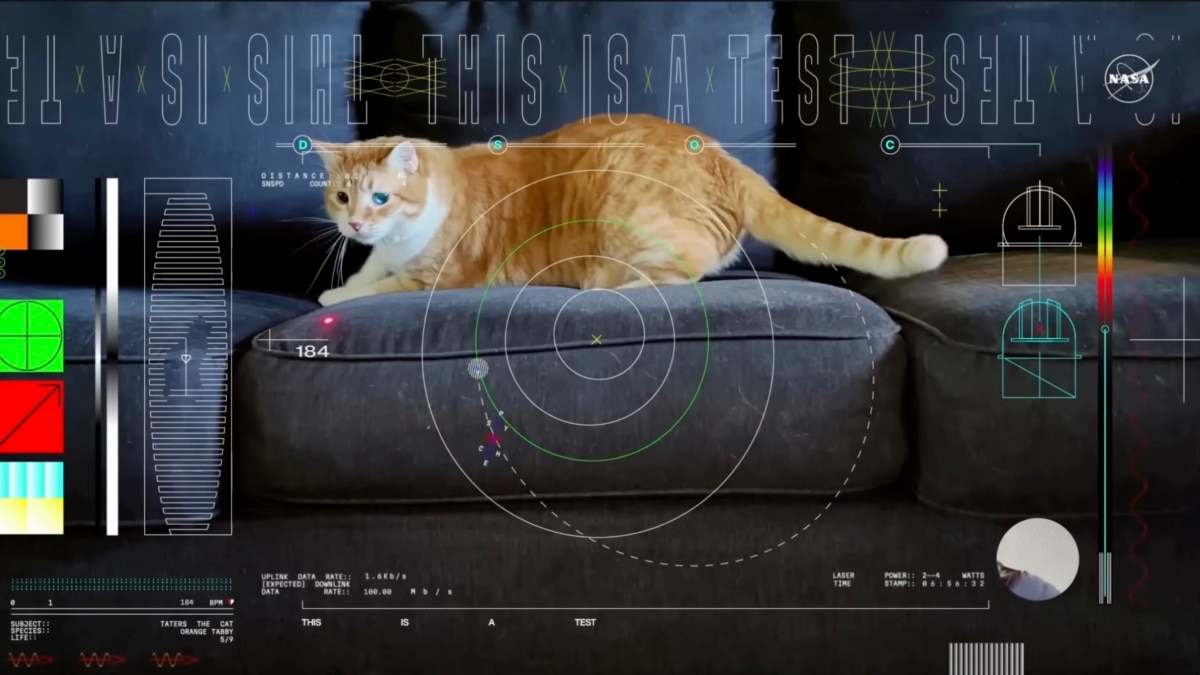
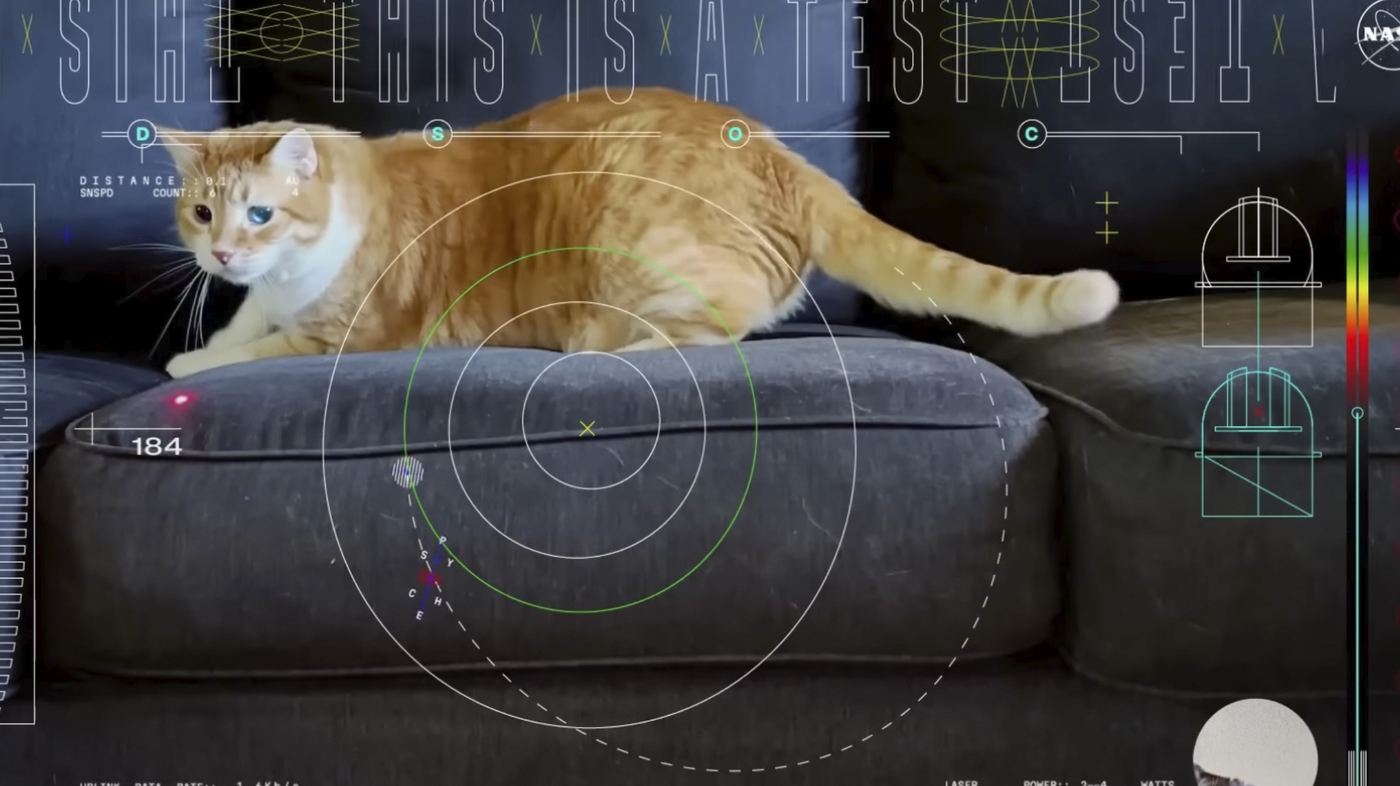
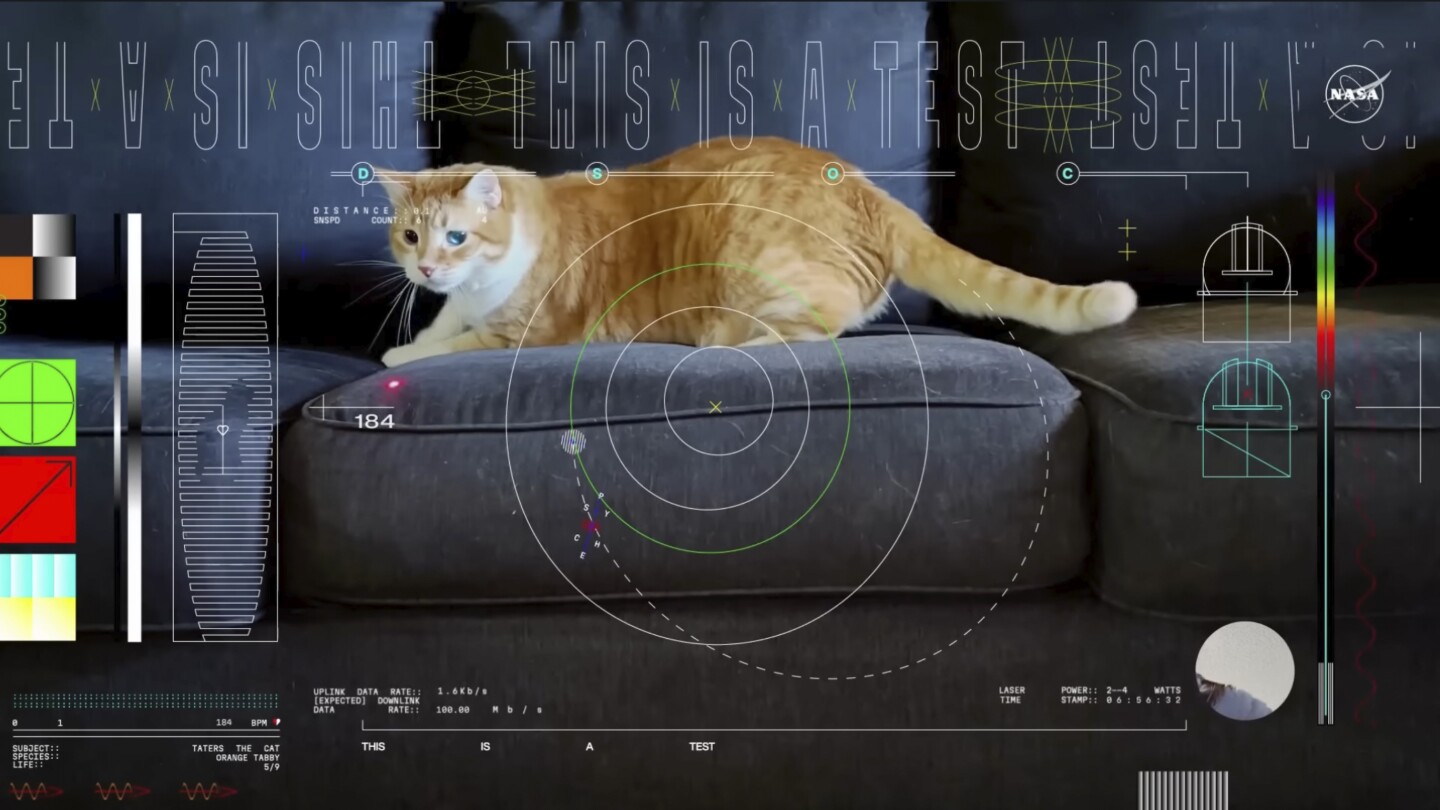
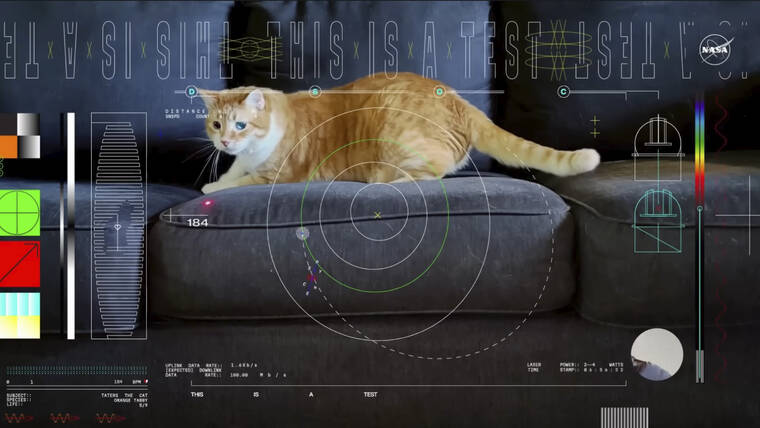
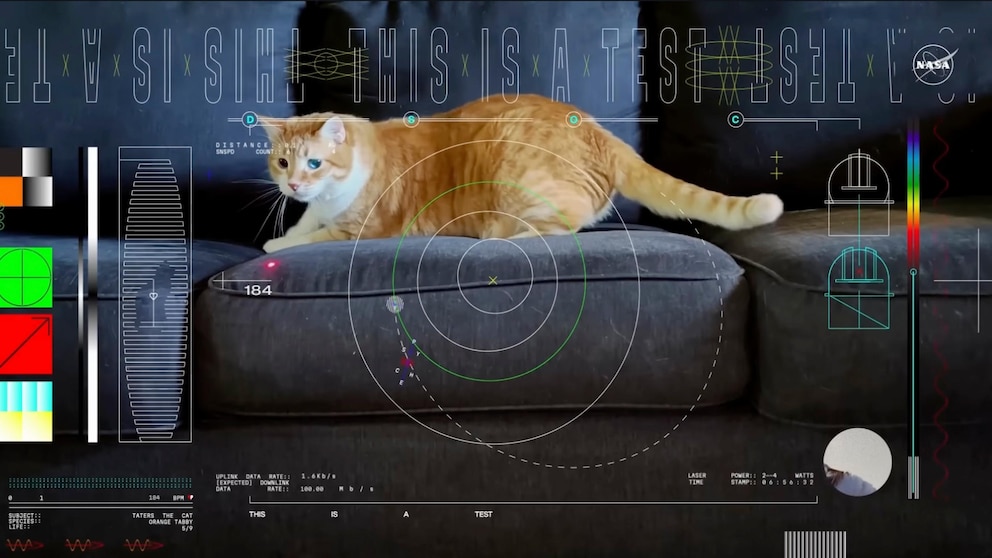
NASA's Psyche spacecraft sent a 15-second ultra high-definition video, featuring an orange cat named Taters chasing a red laser light, from 30 million kilometers in space to Earth using laser communication. The video reached Caltech's Palomar Observatory in less than two minutes, demonstrating faster data transmission rates than current radio systems. NASA aims to improve deep space communication as it prepares for future missions to the moon and Mars. More tests are planned as the spacecraft heads towards the asteroid belt, but Taters will not be making any more appearances.
NASA has successfully transmitted a high-definition video from deep space using laser communication, marking a significant milestone in deep space optical communication. The 15-second video, featuring an adorable cat named Taters chasing a laser pointer, was streamed from 19 million miles away from Earth, breaking the record for the longest distance covered by data-encoded laser beams. This demonstration showcases NASA's ability to transmit data encoded in lasers from farther distances within deep space, paving the way for improved communication in future deep space missions.
NASA has successfully transmitted a 15-second ultra-high-definition video featuring a cat named Taters from deep space to Earth using a laser. The video was beamed from NASA's Psyche spacecraft, located 19 million miles away, and reached Caltech's Palomar Observatory in less than two minutes. This laser communication experiment aims to improve data transmission rates from deep space and could be crucial for future missions to the moon and Mars. More test transmissions are planned as the spacecraft heads towards the main asteroid belt, but Taters will not be making any more appearances.
NASA has successfully transmitted a 15-second video of an orange tabby cat named Taters chasing a red laser light from deep space using laser communication. The video was sent from NASA's Psyche spacecraft, located 19 million miles away, and reached Earth in less than two minutes at a rate of 267 megabits per second. This demonstration aims to improve communication from deep space and could potentially transmit data at rates up to 100 times greater than current radio systems used by spacecraft.
NASA's Psyche spacecraft, currently traveling to the asteroid belt between Mars and Jupiter, has successfully transmitted the first video from deep space using laser communication technology. The 15-second ultra-high-definition video, featuring an orange tabby cat named Taters chasing a red laser light, was beamed to Earth from a distance of 19 million miles. The test demonstrated the potential for faster data transmission rates from deep space, with the laser system transmitting the video faster than most broadband internet connections on Earth. NASA aims to improve communication capabilities for future deep space missions, including manned missions to the moon and Mars.
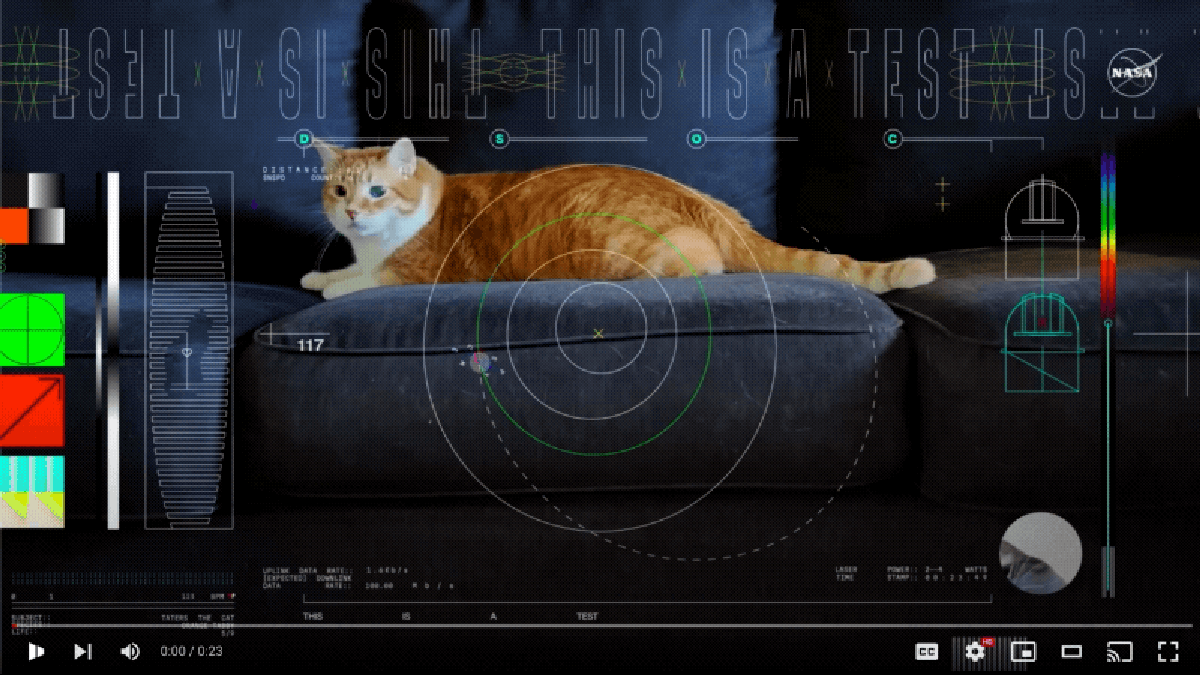
An orange tabby cat named Taters steals the show in the first video transmitted by laser from deep space. The 15-second ultra-high-definition video was beamed to Earth from NASA's Psyche spacecraft, showcasing Taters chasing a red laser light. The test demonstrated the potential for improved communications from deep space, with data transmission rates up to 100 times greater than current radio systems used by spacecraft. More test transmissions are planned as Psyche heads towards the main asteroid belt, but Taters will not be making any more appearances.