Stem cell research has identified two types of cells that could potentially lead to the regeneration of teeth and bone, representing a significant breakthrough in regenerative medicine.
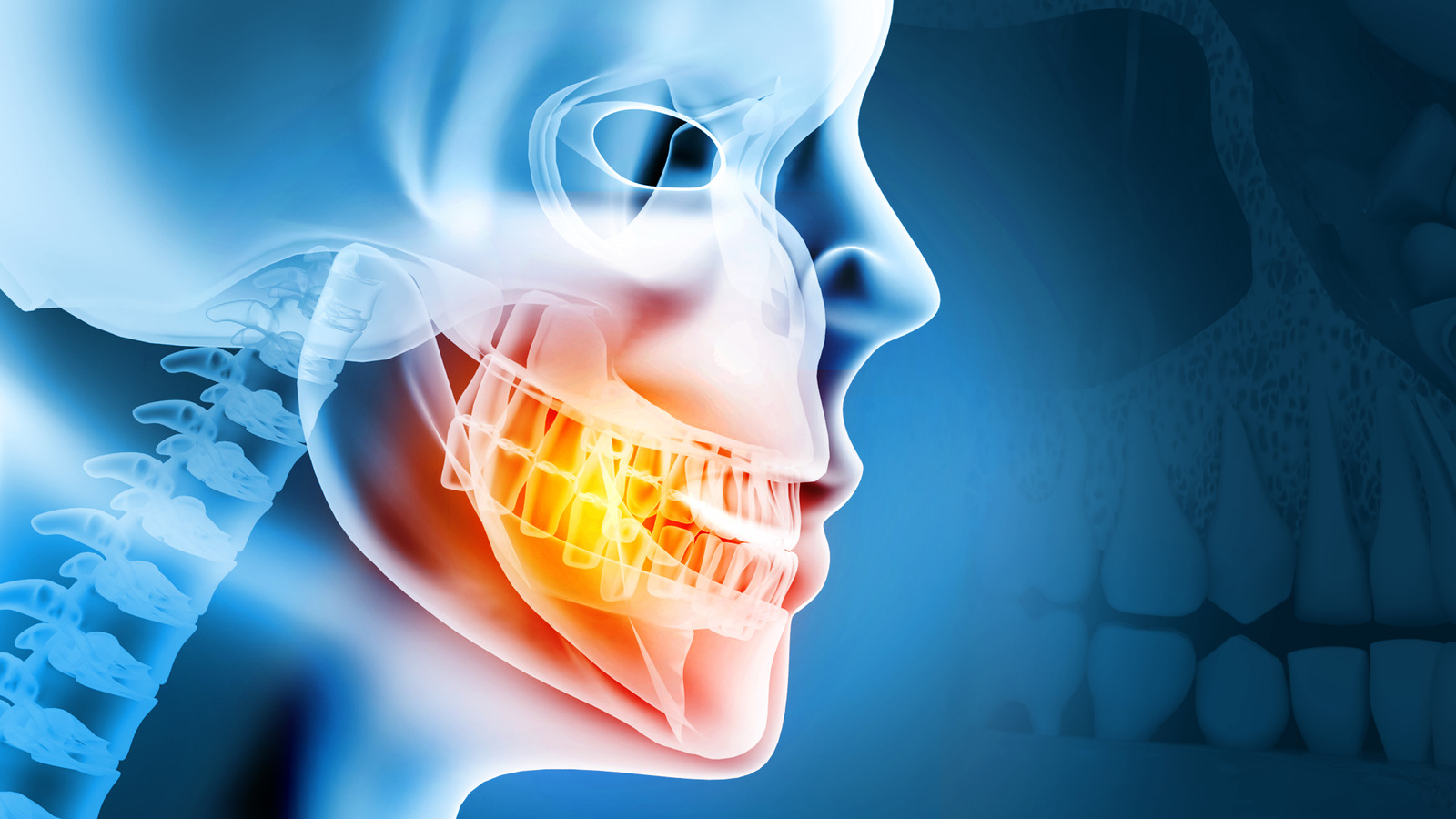
Teeth and bones are both hard, mineral-rich tissues, but they differ significantly in function, structure, and living tissue status. Teeth are primarily for digestion and speech, made of enamel, dentin, and pulp, and are non-living tissue once formed. Bones support the body, protect organs, and are living tissues that constantly remodel through blood vessels and cells, which teeth do not have. These differences explain why teeth are not classified as bones.
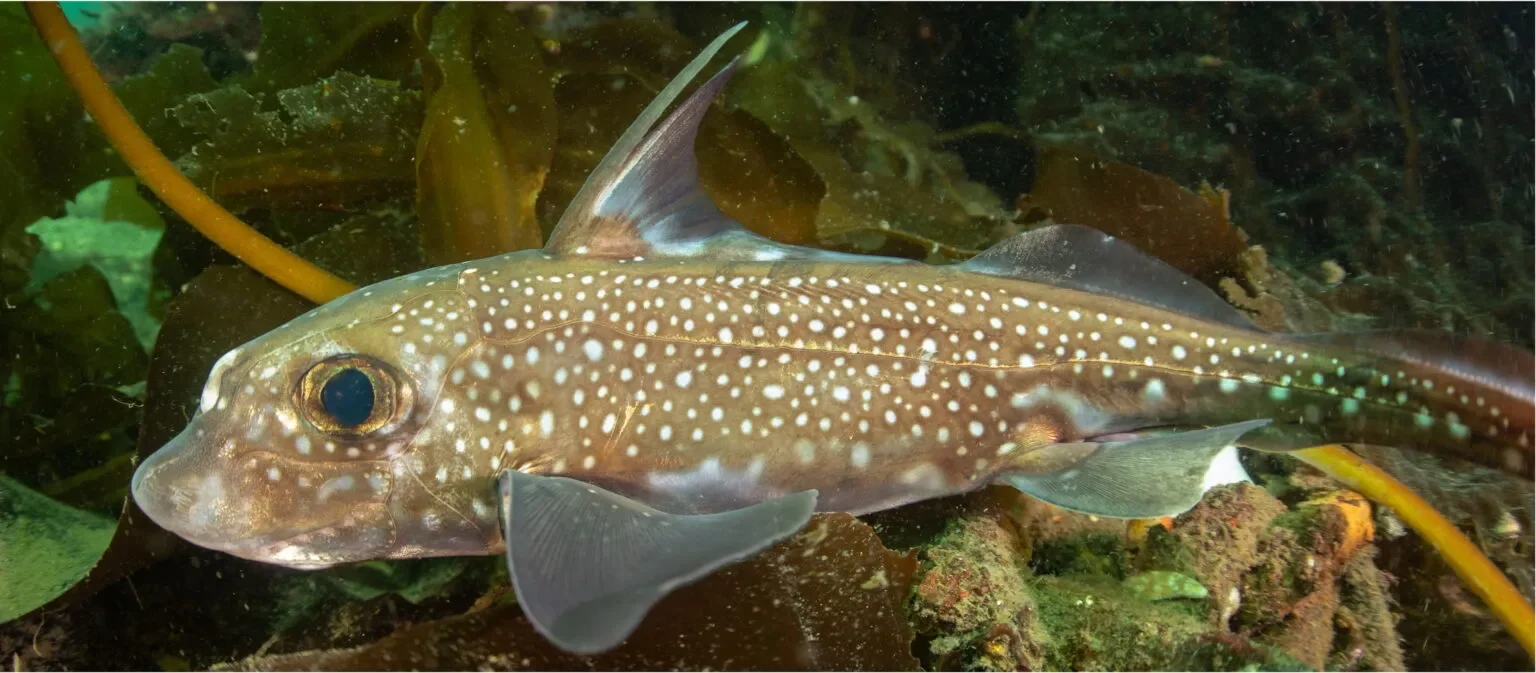
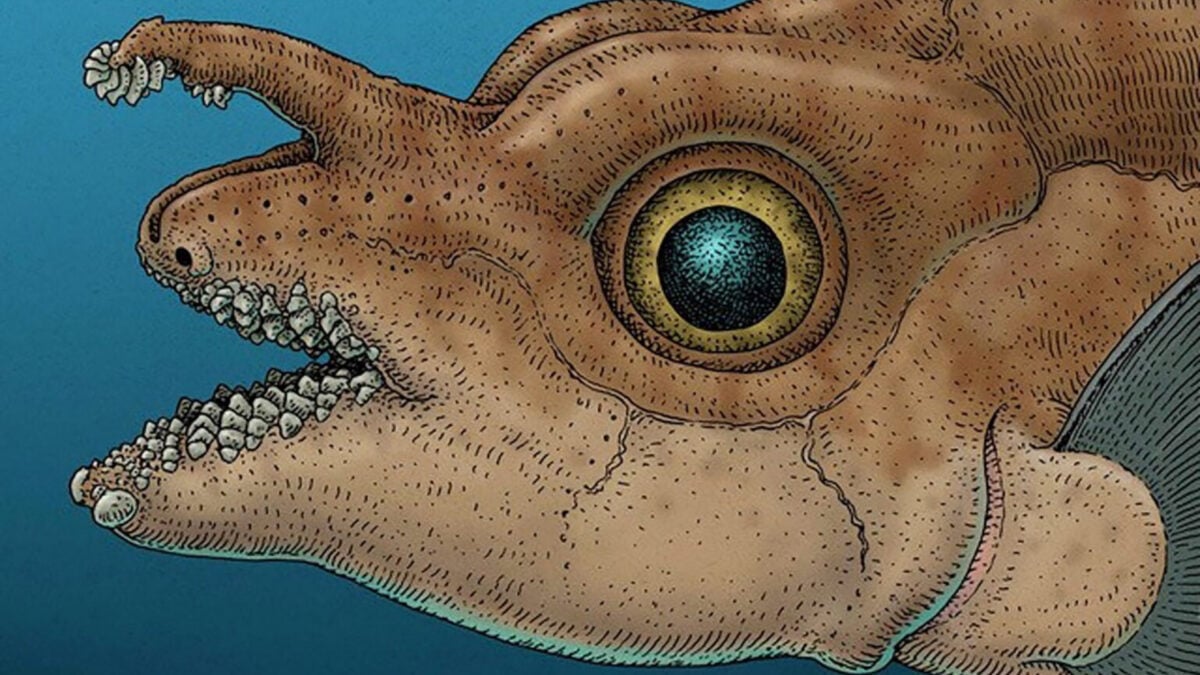
Scientists discovered that the ratfish, a primitive fish, has a unique appendage called a tenaculum with true teeth outside its head, challenging traditional views on tooth placement and suggesting more flexible dental systems in vertebrates.
Scientists discovered that male ratfish use a unique, tooth-lined, club-shaped appendage on their forehead called a tenaculum to cling to females during mating, challenging previous assumptions that it was covered in scales and revealing new insights into vertebrate teeth development and evolution.
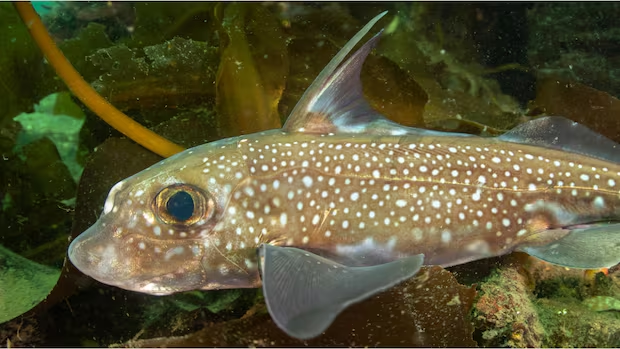
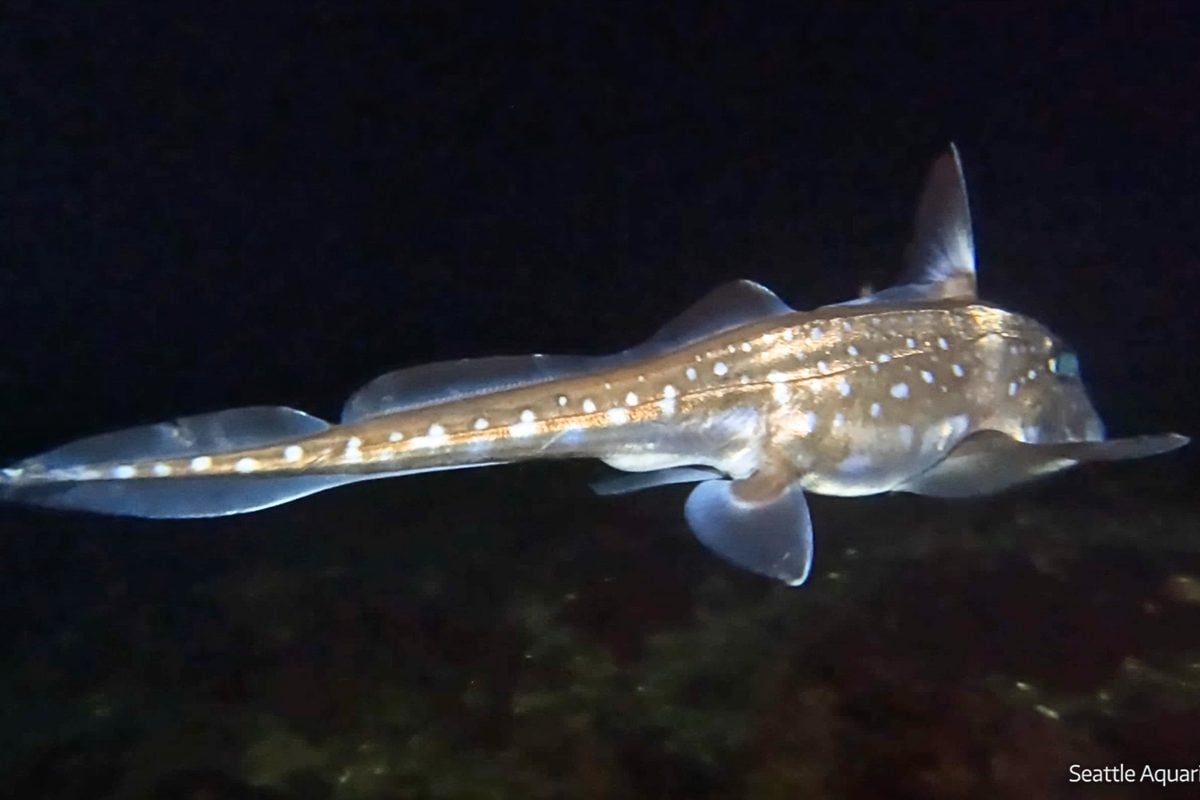
Researchers discovered that male spotted ratfish have a unique forehead appendage called the tenaculum, covered in real teeth rooted in a dental lamina, used during mating. This finding challenges the traditional view that teeth are only oral structures and provides new insights into the evolution of teeth in vertebrates.
A new study reveals that male spotted ratfish, also known as 'ghost sharks,' grow teeth on a structure called the tenaculum outside their mouths, challenging previous assumptions that teeth are only oral structures. This discovery provides insights into the evolution of dental tissues and highlights the diversity of tooth development in vertebrates.
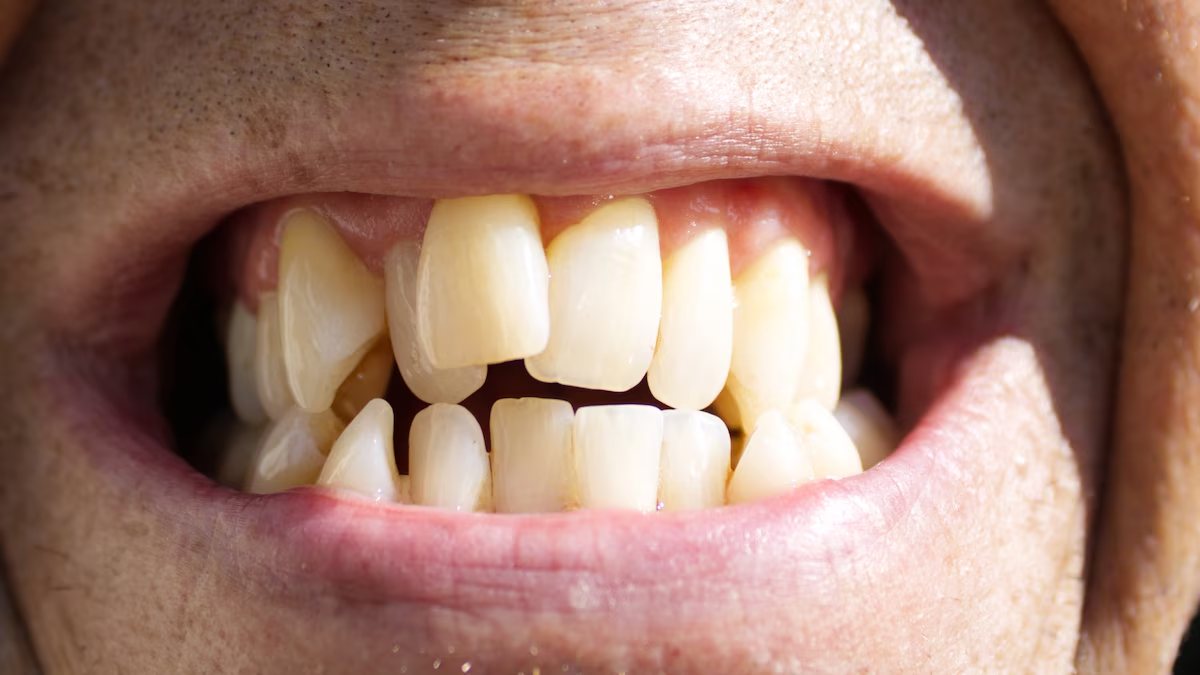
Research suggests that the increase in crooked teeth among modern humans may be linked to dietary changes from tough, raw foods to softer, processed foods, leading to smaller jaws and less space for teeth, although genetics and societal factors also play roles.
Some common 'healthy' habits like drinking energy drinks, eating dried fruit, consuming green smoothies, and sleeping poorly can actually damage your teeth by causing enamel erosion and increasing cavity risk, according to dentists. It’s important to be mindful of these habits to maintain long-term dental health.
Dental experts highlight the significant impact food can have on dental health, identifying three of the worst foods for your teeth and offering tips on how to protect them from damage.
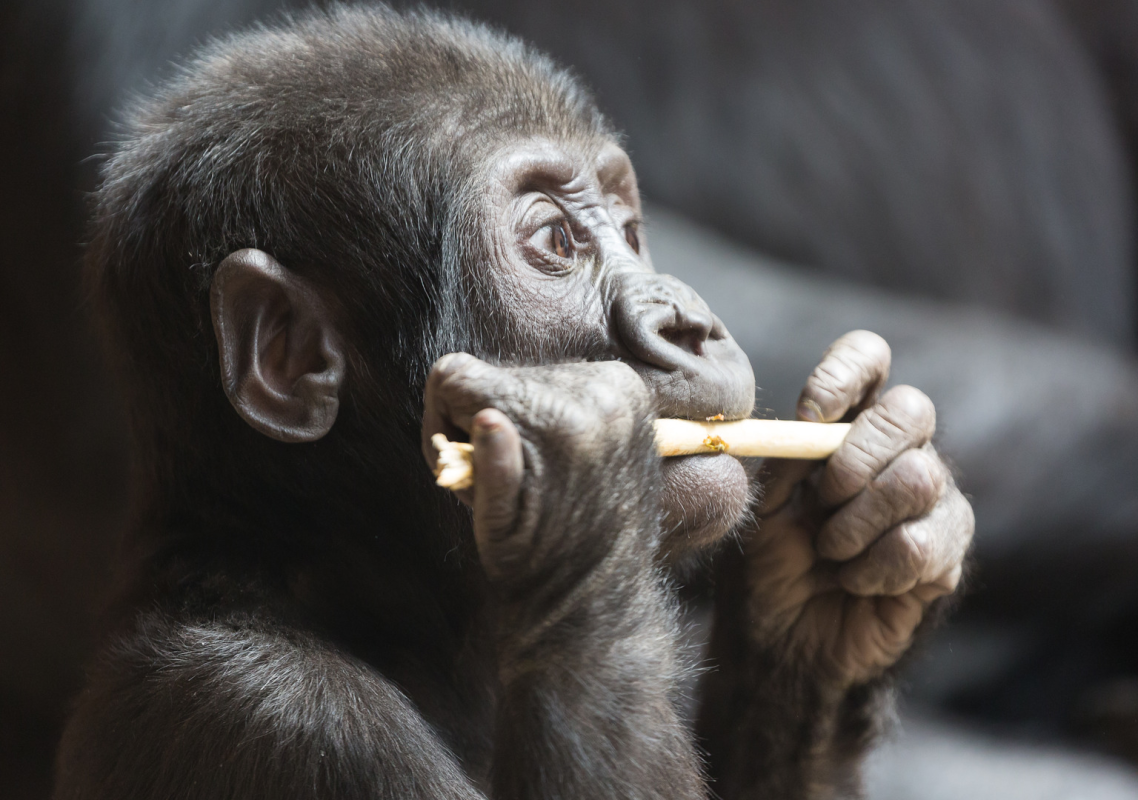
Zoo Atlanta shared an adorable video of baby gorilla Willie B. III trying out his new teeth by chewing on a stick, mimicking his mom's behavior. The video showcases his playful and curious nature as he explores his surroundings under the watchful eye of his mother. Baby gorillas, like human infants, spend their early years learning from their mothers and occasionally spending time with their fathers. Zoo Atlanta has been keeping followers updated on Willie's growth and progress, with viewers eagerly anticipating more heartwarming videos of his milestones.
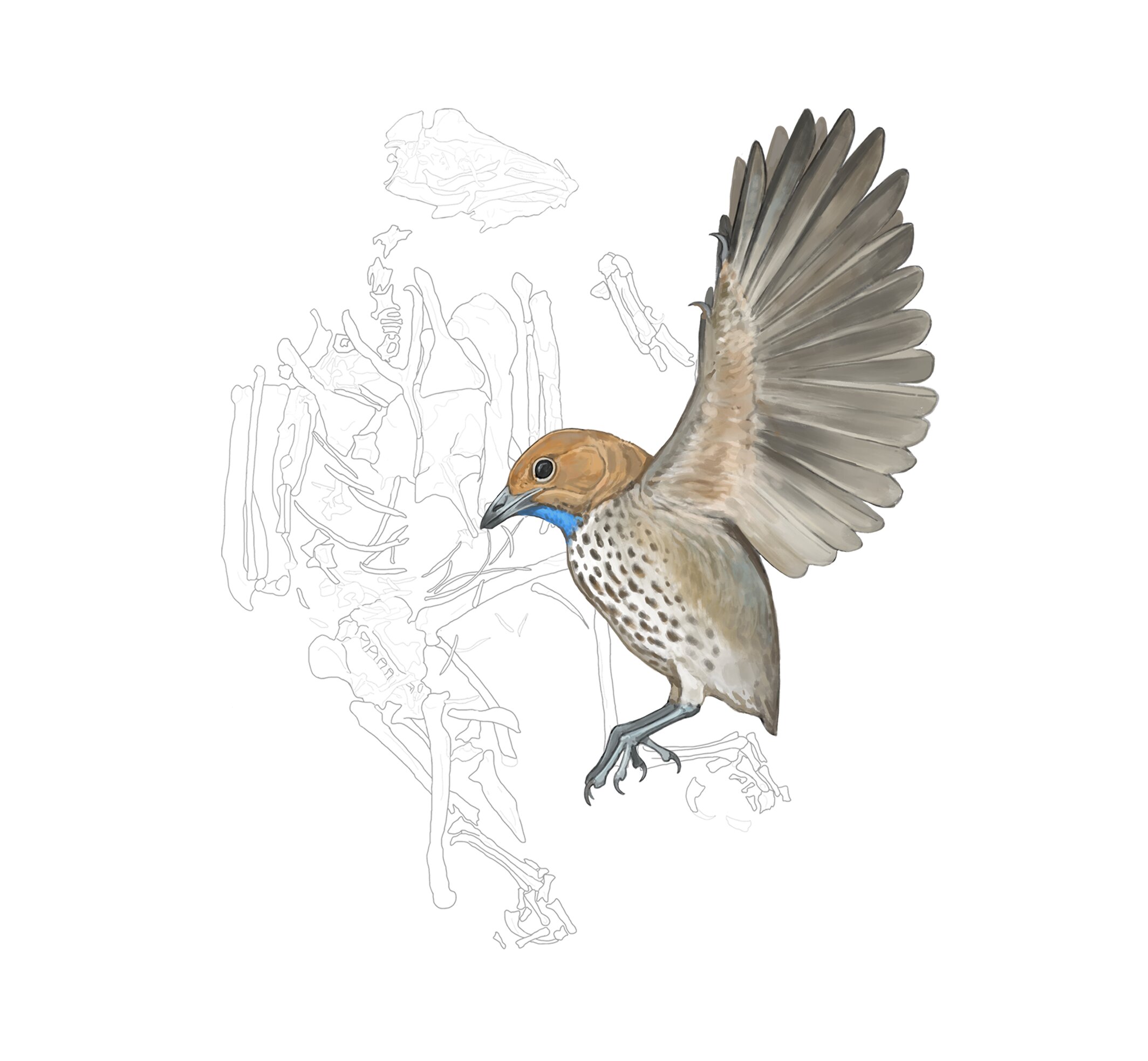
A new species of fossil bird, named Imparavis attenboroughi in honor of Sir David Attenborough, has been described as the first of its kind to evolve toothlessness. The bird belonged to a group called enantiornithines, which went extinct 66 million years ago. The discovery pushes back the timeline for toothlessness in this group by about 48 to 50 million years, challenging previous assumptions. The fossil's unique wing bones suggest it may have had strong wing beats, and its toothless beak hints at a potentially unique diet compared to other enantiornithines. The researchers also revisited a previously described fossil bird, Chiappeavis, and suggest that it too was an early toothless enantiornithine, indicating that toothlessness may not have been as unique in Early Cretaceous enantiornithines as previously thought.
Michael R. Jackson and composer Anna K. Jacobs are collaborating on a new musical adaptation of the 2007 horror film "Teeth," which explores the concept of vagina dentata. The show, currently in previews Off Broadway at Playwrights Horizons, delves into themes of sex, conservative Christianity, and feminist body horror. Jackson, drawing from his own experiences growing up in the Baptist church, resonates with the protagonist's fear of her own body and the societal pressures around sexuality.
Dental expert Whitney DiFoggio warns that fermentable carbohydrates like white bread, pasta, chips, cereal, and crackers are worse for teeth than candy, as they break down into sugars while being chewed, increasing the risk of tooth decay. She recommends consuming sticky sweets and snacks all at once to give saliva time to neutralize the acidic pH in the mouth. Additionally, she advises consuming neutralizing foods last, swishing water in the mouth, and practicing good brushing and flossing habits to prevent gum disease and other health issues linked to poor oral hygiene.
Kanye West's recent titanium teeth implants have shed light on his long-standing obsession with his dental health, with sources revealing that he has been known to be "weird" about his teeth for some time. The rapper has reportedly had multiple dentists working on his teeth and even had his favorite dentist give lessons to another dentist. His latest $850,000 implants, described as "fixed prosthodontics," were designed entirely by West and are said to be unlike anything done before in dentistry, incorporating palladium and platinum materials.
A study of 3,000 Viking-era teeth dating back a thousand years reveals evidence of advanced dentistry, including the use of toothpicks, filing of front teeth, and dental treatments for infections. The analysis, conducted by researchers from the University of Gothenburg and the Västergötlands Museum in Sweden, suggests that Viking oral health and dentistry were more sophisticated than previously believed, shedding new light on the dental practices of this ancient culture.