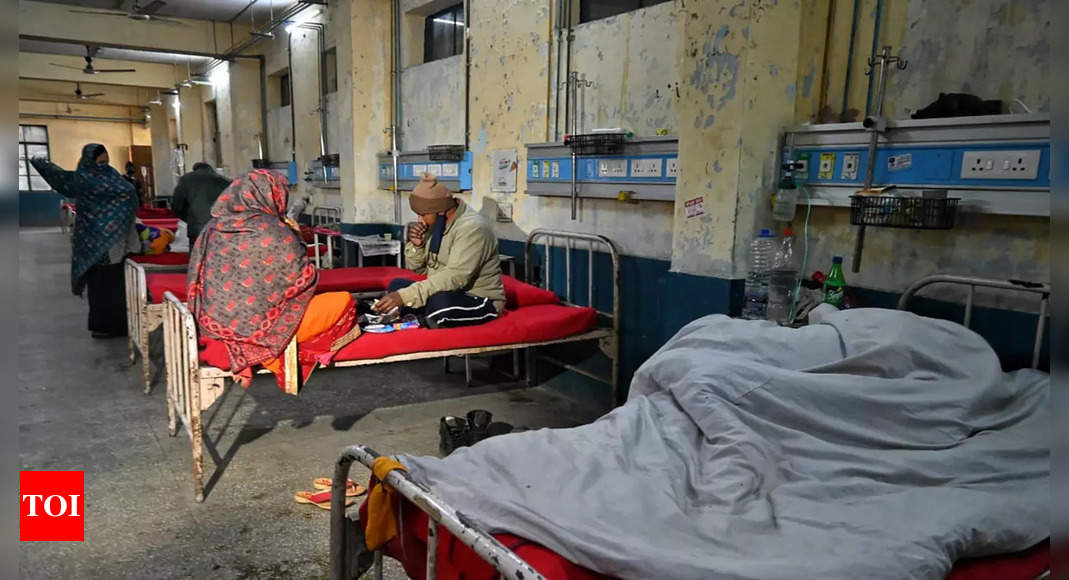
India's government aimed to eliminate tuberculosis by 2025, but efforts are falling short due to systemic healthcare gaps, socioeconomic barriers, and the COVID-19 pandemic's impact, with millions still affected and challenges in diagnosis and treatment persistence.
A new study warns that cuts in U.S. foreign aid could significantly increase tuberculosis cases and deaths worldwide, potentially adding millions of cases and hundreds of thousands of deaths by 2030, especially in high-burden countries, due to disrupted detection, treatment, and prevention efforts.
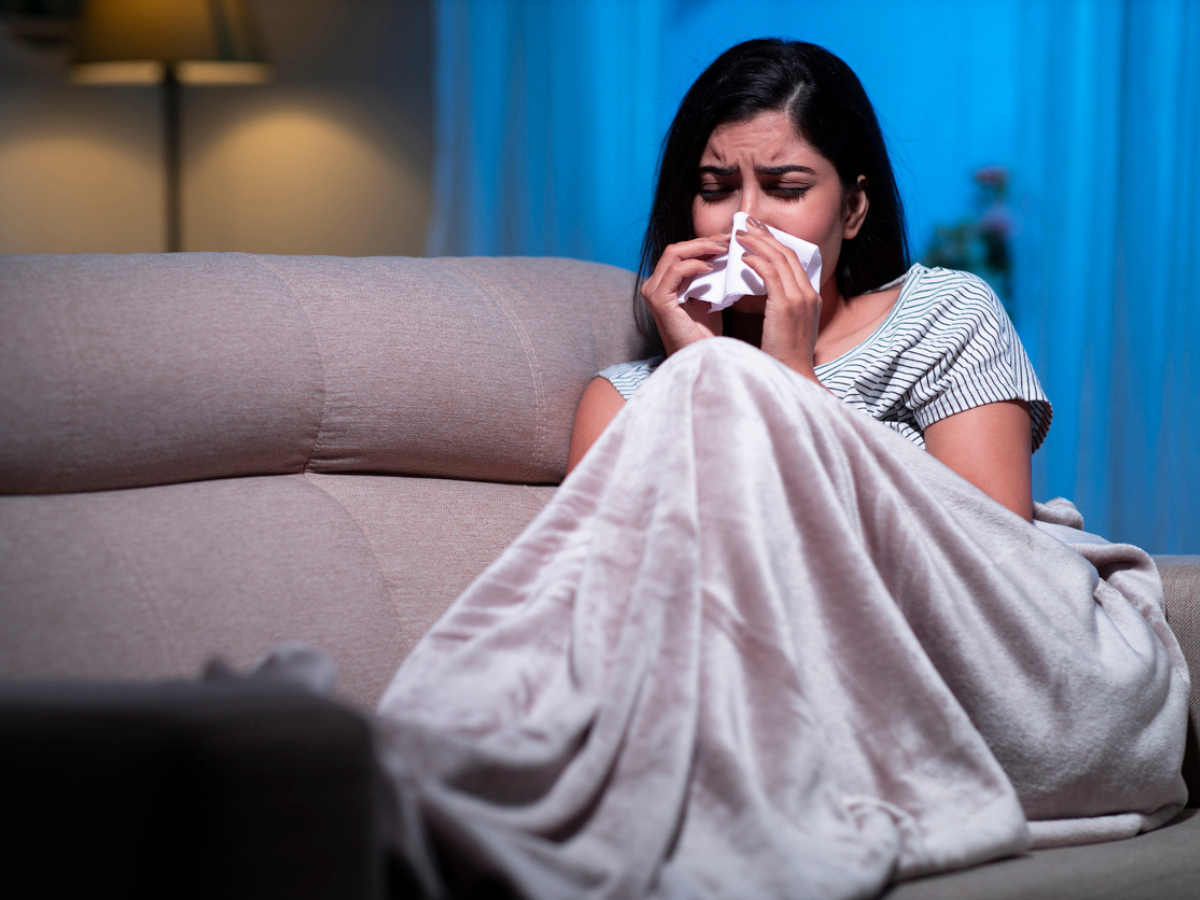
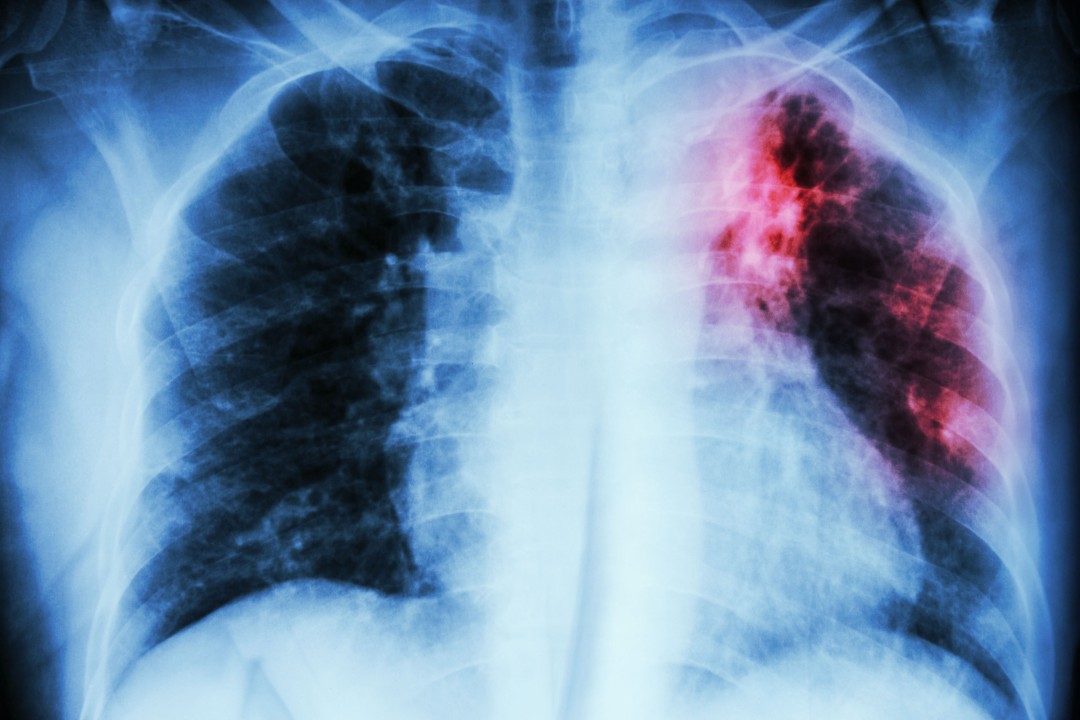
Identifying the cause of a persistent cough can be challenging, as COVID-19, flu, common cold, and TB share similar symptoms. COVID cough is dry and persistent, often without mucus, accompanied by fever, fatigue, and loss of taste or smell. Flu cough can be sudden and severe, with mucus production, fever, body aches, and headaches. Common cold cough is mild, with clear or yellow mucus, along with nasal congestion and mild fatigue. TB cough is persistent, with blood-tinged sputum, unexplained weight loss, fatigue, and chest discomfort. Good hygiene, respiratory etiquette, social distancing, and vaccination are essential preventive measures regardless of the cause of the cough.
Climate change and conflict are posing significant challenges to efforts in combating AIDS, tuberculosis (TB), and malaria, according to the Global Fund to Fight AIDS, Tuberculosis and Malaria. While international initiatives have largely recovered from the impact of the COVID-19 pandemic, the target of ending these diseases by 2030 is likely to be missed without extraordinary measures. Climate change is causing the spread of malaria to previously unaffected areas and extreme weather events are overwhelming health services. Additionally, reaching vulnerable communities in conflict-ridden countries is proving immensely challenging. Despite these obstacles, innovative prevention and diagnostic tools offer hope for progress in tackling these deadly infectious diseases.
The RATIONS trial, supported by the Indian Council of Medical Research, found that adding a 10 kg food basket to routine TB treatment and prevention significantly improved outcomes. India, which has the highest number of new TB cases globally, could benefit from addressing the nutritional component of TB treatment to reduce activation and improve patients' nutritional status.
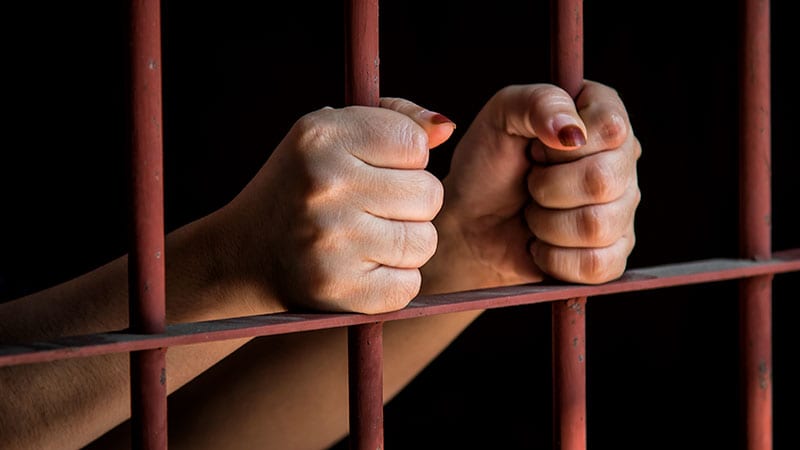
A woman in Washington state with an active case of tuberculosis (TB) was recently jailed after refusing treatment and isolation for over a year. The health department sought court-ordered quarantine and isolation, but the woman ignored multiple court orders. After 17 court orders, she was finally located and detained in a specially equipped isolation room in a county jail. This is a rare occurrence, with the health department stating that they have had to seek court orders for detainment only three times in the past 20 years. While courts are willing to order quarantines and isolation to protect the public, they are generally reluctant to order involuntary treatment. The woman has now agreed to undergo treatment and has been released under certain conditions.
A woman in Washington state with tuberculosis has been jailed after refusing to receive treatment or isolate herself for over a year. The woman, identified only as VN, was taken into custody at her home and transported to the Pierce County Jail. Health officials had been working unsuccessfully with her family to convince her to take medication. TB can be spread through the air from person to person, and a Pierce County Sheriff's Department filing said the woman had been spotted taking a city bus to a local casino even after the arrest warrant was issued.
Experts warn that tuberculosis (TB) could overtake Covid as a pandemic threat, with 1.6 million deaths in 2021 and higher figures expected in 2022. TB cases are increasing in England after a decade-long decline, with almost a third of patients who catch the growing mutant form dying. TB is developing greater resistance to antibiotics, and there is no vaccine that works in adults. The biggest ever clinical trial of its kind has been set up to tackle the spread of TB in Africa, with researchers trying to find a one-shot cure. Experts call for all arrivals to the UK to have access to healthcare and screening, and for funding for treatment to go to poor communities in informal settlements.