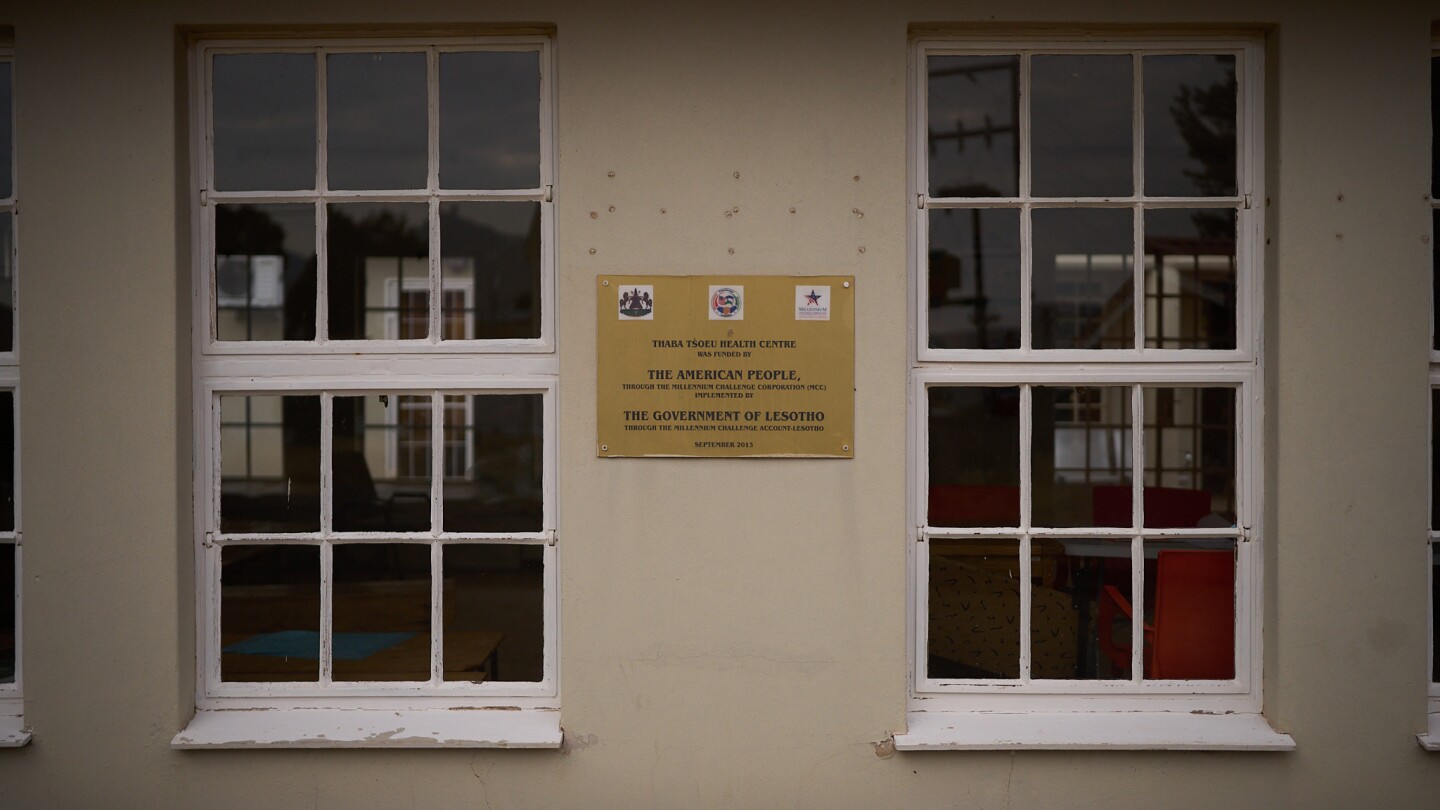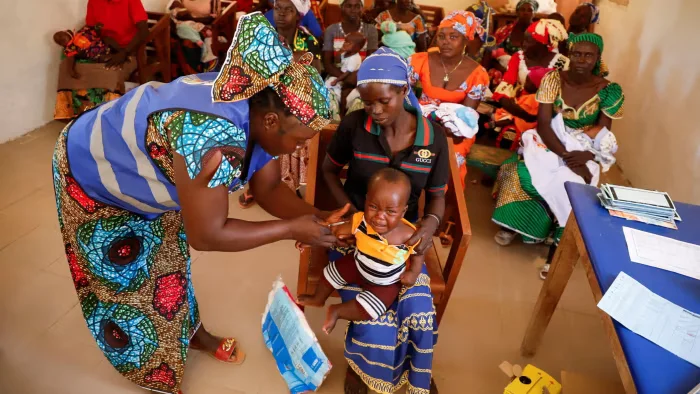
The U.S. has signed new health agreements with at least nine African countries, shifting towards a model that emphasizes mutual benefits and self-sufficiency, while reducing aid and aligning with the Trump administration's 'America First' policy. These deals replace previous aid structures, often involve faith-based and government-to-government cooperation, and are linked to broader political and immigration policies, with South Africa notably absent due to disputes.
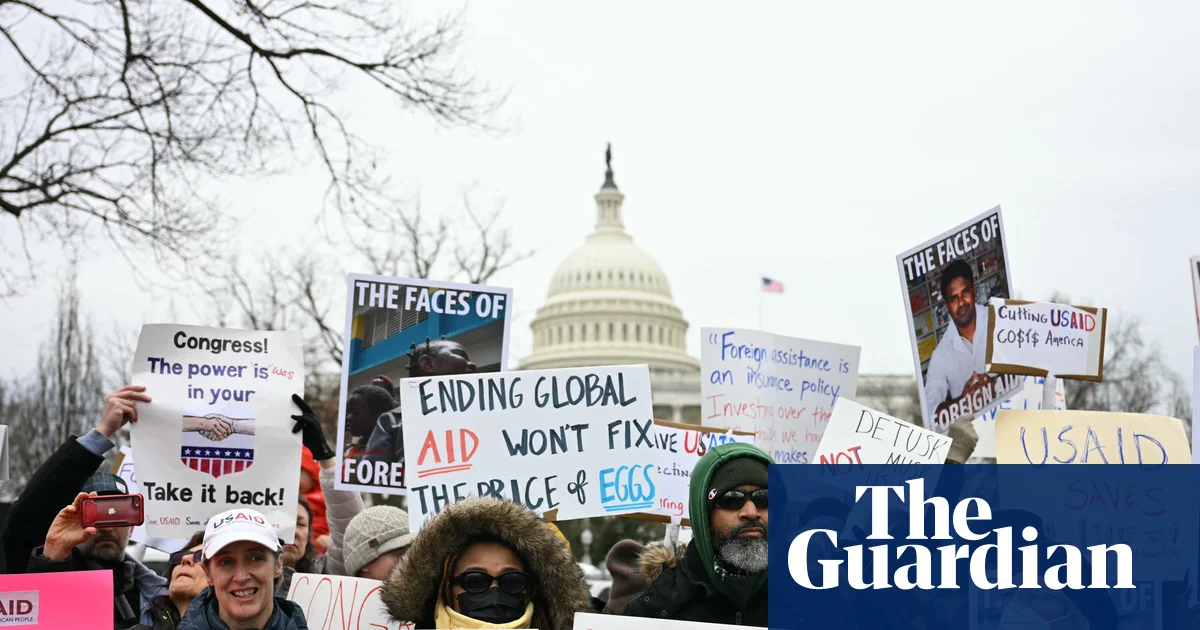
The abrupt US aid cuts through USAID have led to a power vacuum in global health, which anti-rights groups are exploiting by promoting conservative policies and alternative services that threaten reproductive rights and health, especially in developing countries. These efforts include the Geneva Consensus Declaration and the Protego project, aiming to restrict access to abortion and comprehensive sexuality education, potentially increasing maternal mortality and unsafe abortions worldwide.
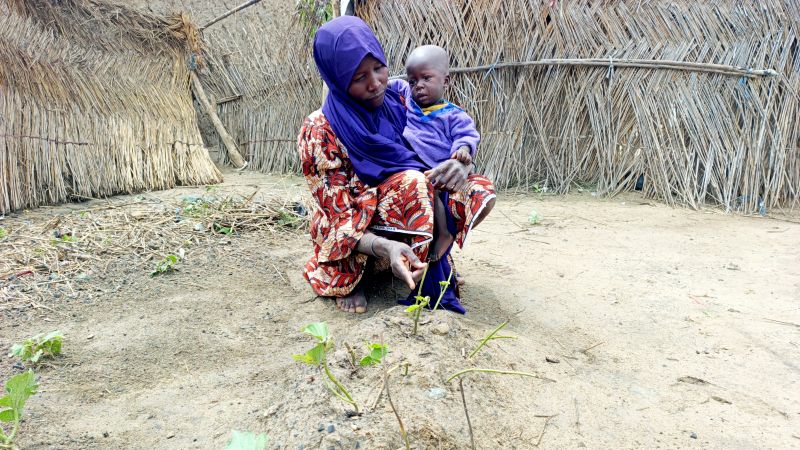
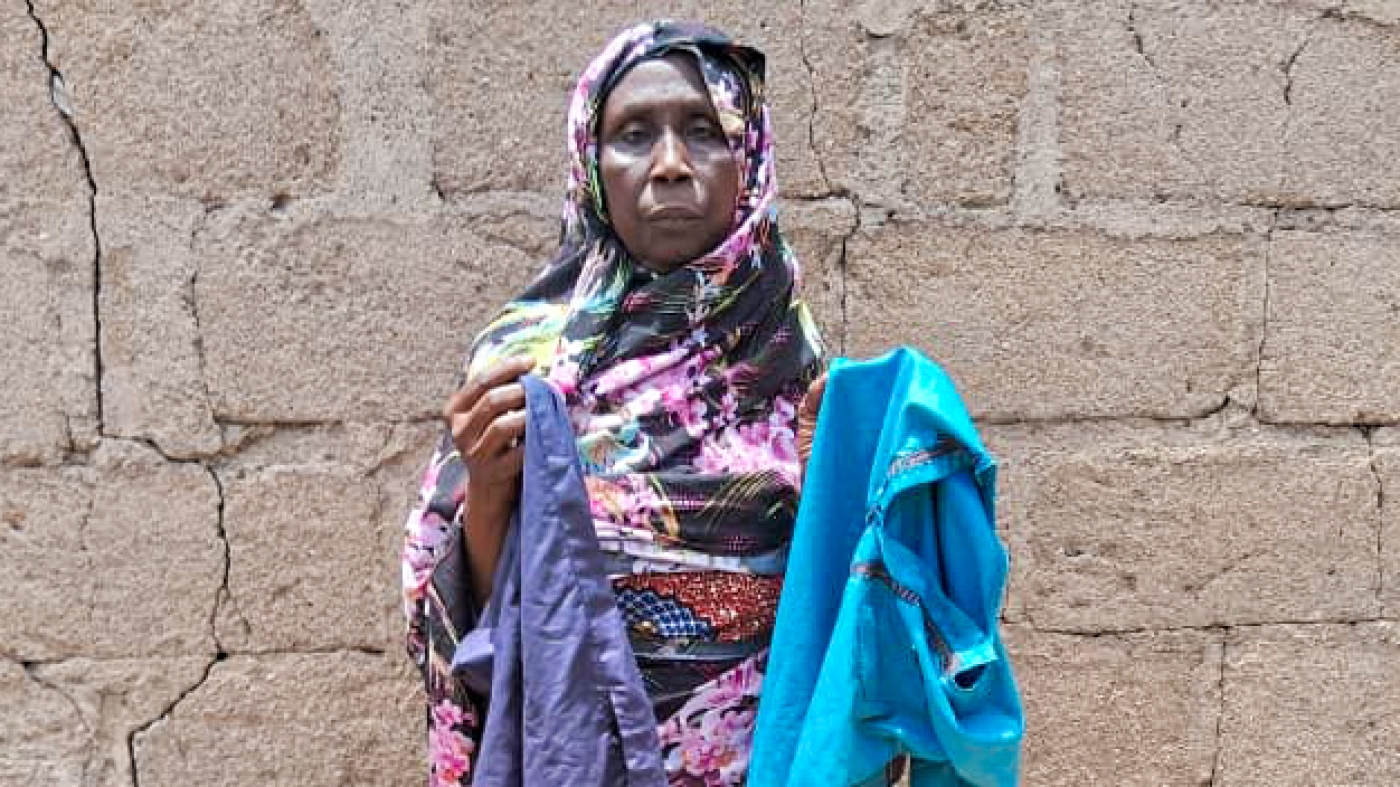
A US-funded nutrition program in Nigeria was abruptly halted due to aid cuts, leading to the death of a woman's malnourished twins and risking the lives of many other children, highlighting the devastating impact of reduced international aid on vulnerable populations.
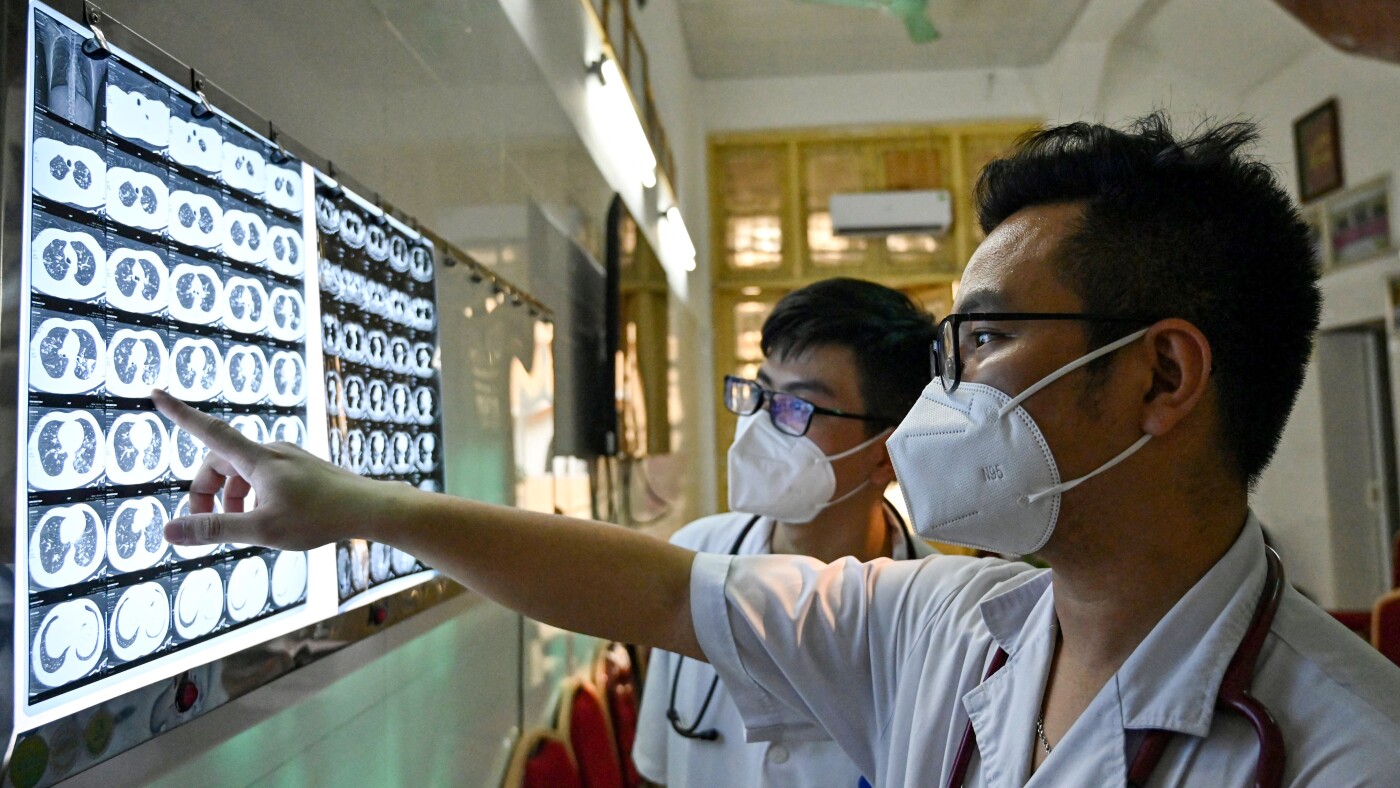
A new study warns that cuts in U.S. foreign aid could significantly increase tuberculosis cases and deaths worldwide, potentially adding millions of cases and hundreds of thousands of deaths by 2030, especially in high-burden countries, due to disrupted detection, treatment, and prevention efforts.
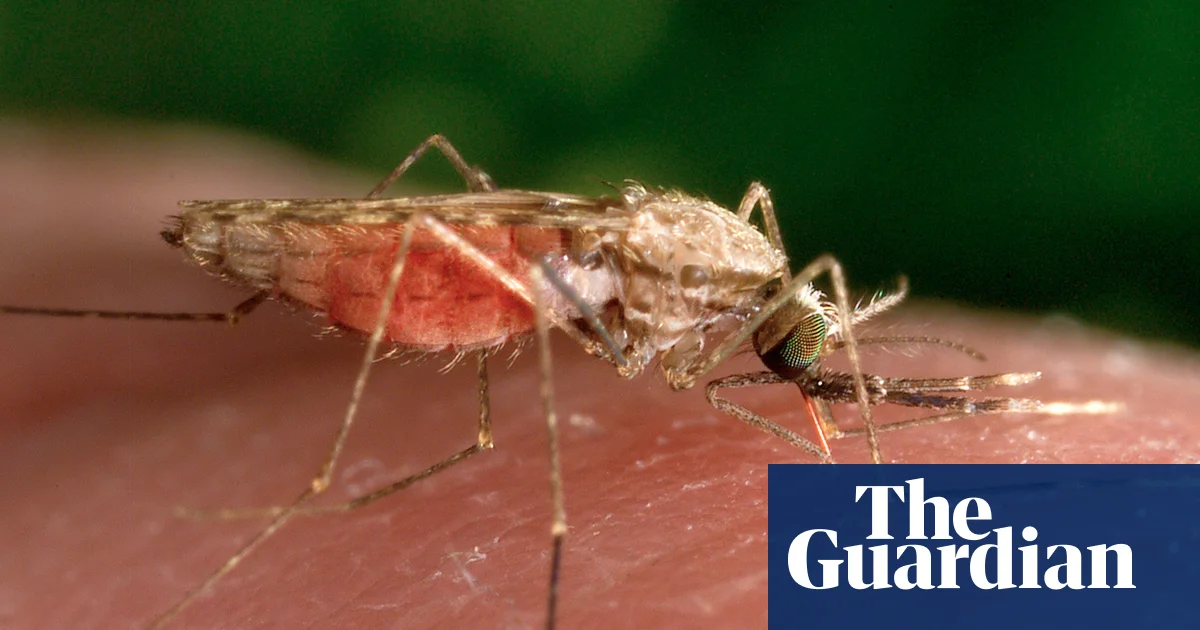
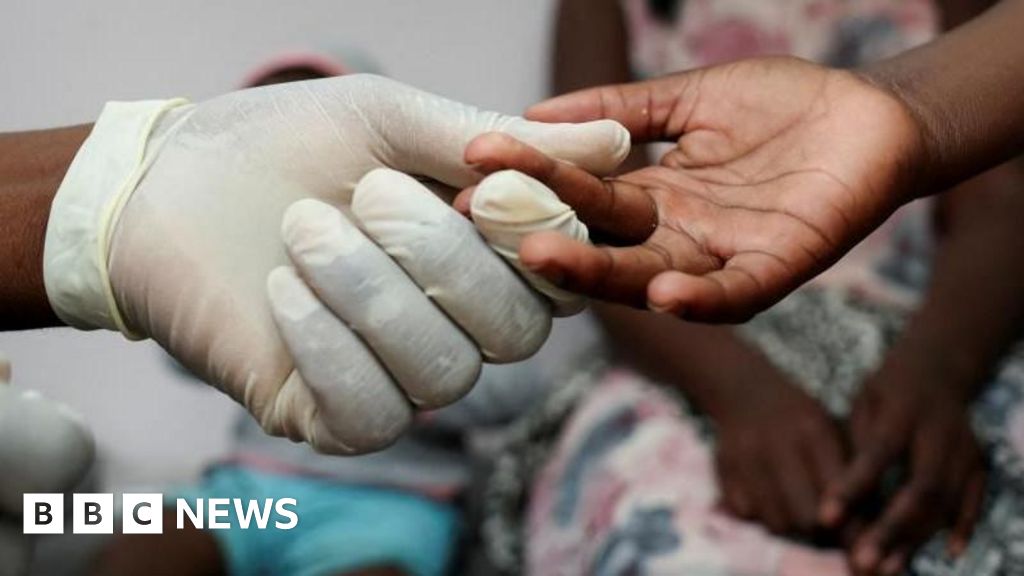
Malaria cases in Zimbabwe have surged dramatically due to U.S. aid cuts, leading to increased hospitalizations and deaths, as the country struggles to maintain prevention efforts without sufficient funding, highlighting the broader impact of climate change and international support on disease control.
Malaria cases and deaths in Zimbabwe have surged dramatically in 2025, with a 180% increase in cases and a 218% rise in deaths, largely due to US aid cuts that disrupted prevention efforts like mosquito net distribution and research programs, threatening the country's goal to eliminate malaria by 2030.
The US government, under the Trump administration's cost-cutting measures, is planning to destroy $800,000 worth of food aid meant for children in Pakistan and Afghanistan, due to agency shutdowns and expiration, risking increased global hunger and death. The aid, procured under the Biden administration, is being incinerated instead of distributed, highlighting significant waste and potential humanitarian crises.
Zackie Achmat, a veteran South African AIDS activist, has returned to advocacy amid U.S. aid cuts and government inertia threatening South Africa's HIV treatment programs, which had previously achieved significant success. Despite government assurances, activists fear a collapse of services, prompting protests and potential legal action to ensure continued access to lifesaving HIV treatment.
US aid cuts have threatened South Africa's HIV/AIDS treatment programs, risking a reversal of progress made in reducing infections and deaths. Many patients, especially vulnerable populations like sex workers, face medication shortages and increased barriers to access, while research efforts are also impacted. South Africa's leadership in HIV research and treatment is at risk due to reduced funding, which could lead to a rise in HIV infections and AIDS-related deaths.
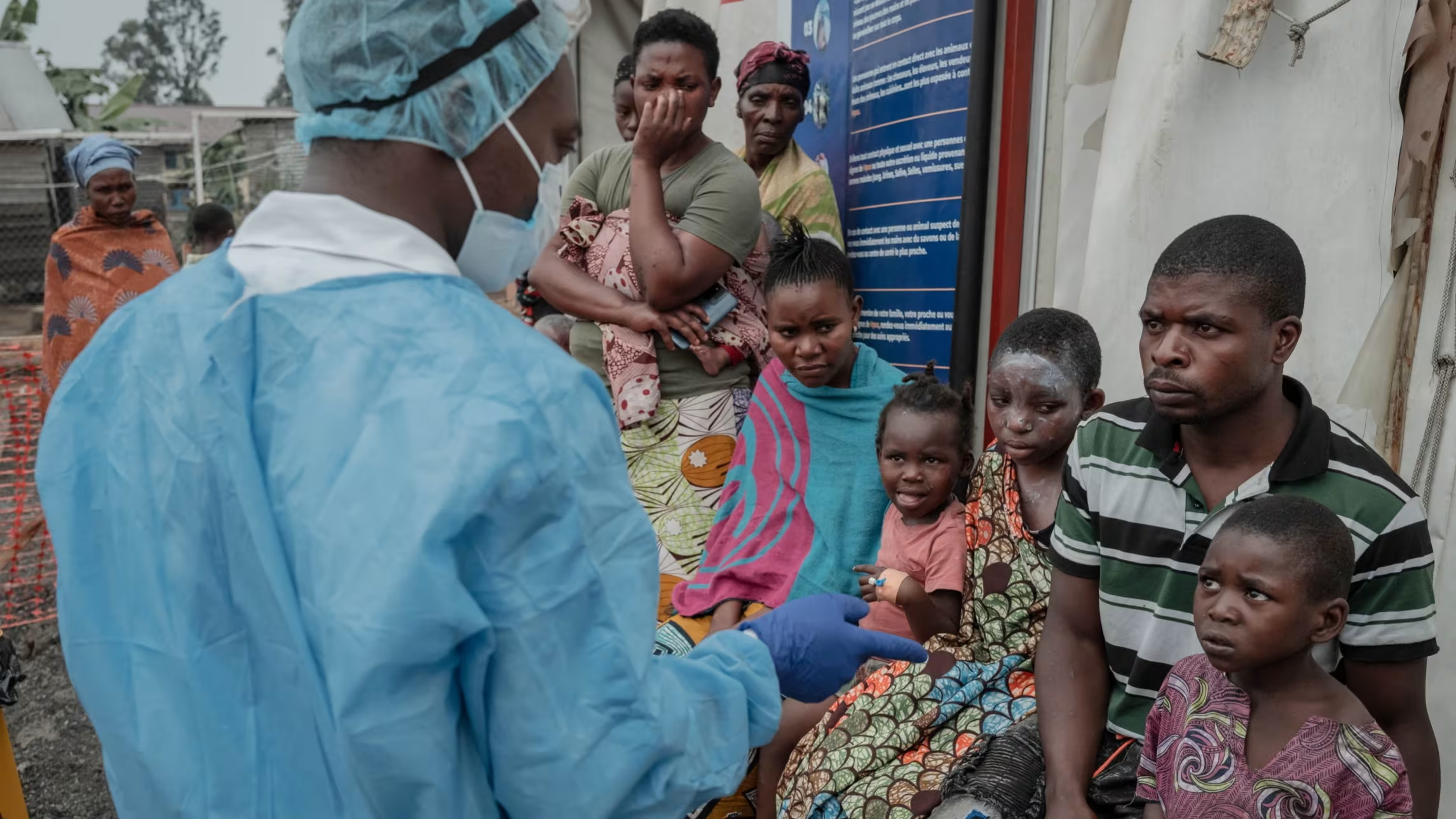
The Mpox epidemic is straining African health systems, exacerbated by reductions in US aid, highlighting challenges in managing infectious diseases in the region.
US proposed budget cuts to the President’s Malaria Initiative could lead to over 13 million additional malaria cases and thousands of deaths in Africa in 2025, threatening decades of progress in malaria control and highlighting concerns over the impact of reduced international aid on global health efforts.
Mariam Mohammed blames U.S. aid cuts for her son Babagana's death in Nigeria, highlighting the human toll of reduced foreign assistance, despite claims by officials like Marco Rubio that no lives have been lost due to these cuts. The story underscores the impact on healthcare services in vulnerable regions and estimates suggest thousands have died as a result of aid reductions.