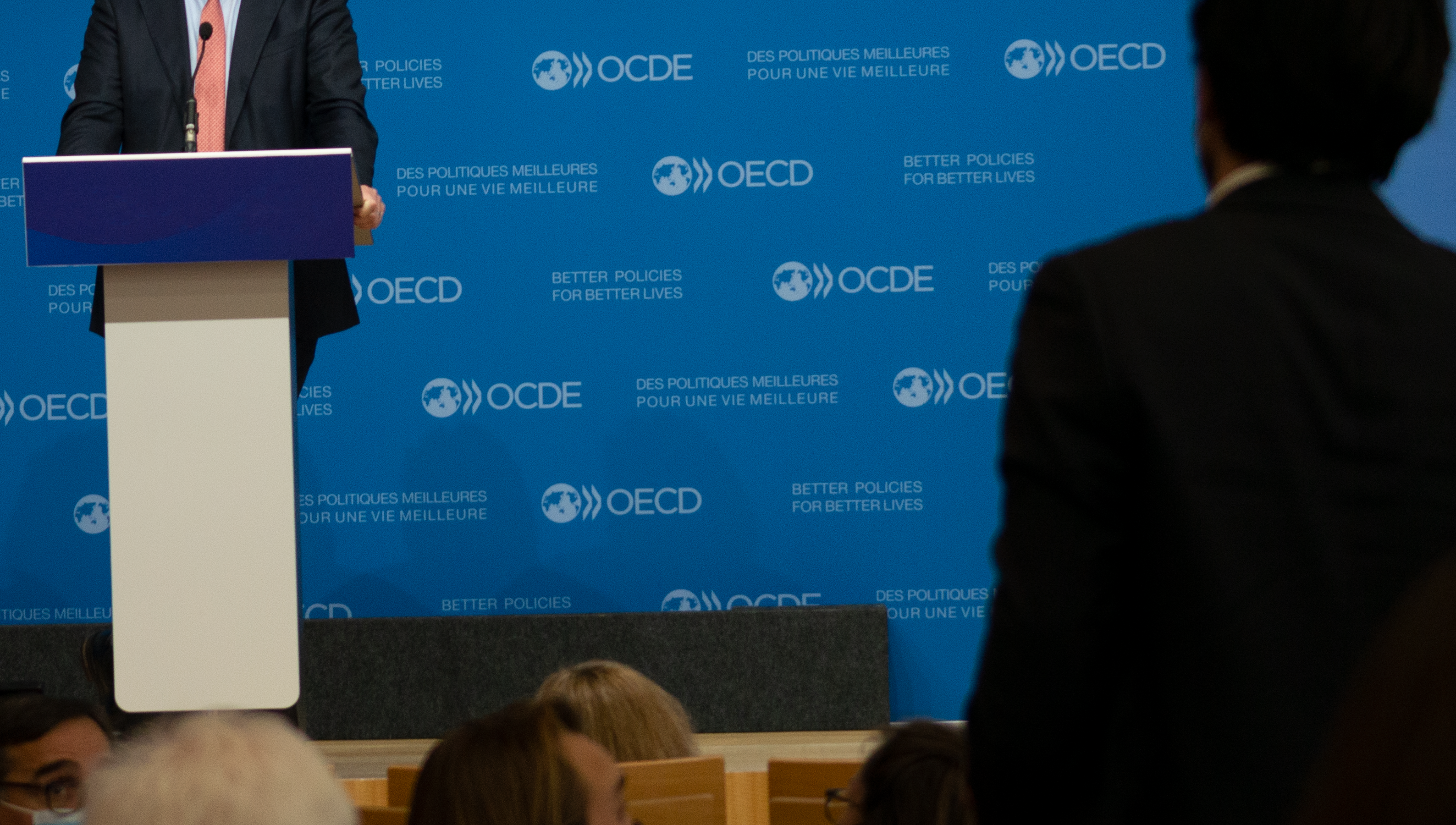
The OECD's agreement to exempt the US from its Pillar 2 tax reform is criticized for undermining global tax sovereignty and costing countries billions in lost revenue, with the Tax Justice Network highlighting the shift of profits and tax abuses by US multinationals. Meanwhile, UN-led negotiations are advancing a more equitable 'pay-where-you-play' approach, challenging the US and OECD's influence on global tax rules.
The OECD/G20 Inclusive Framework has reached a historic agreement among 147 countries on a comprehensive package to implement a global minimum tax, aiming to enhance tax certainty, reduce compliance burdens, and protect tax bases, especially in developing countries, with plans for implementation support and future simplifications.
Japan plans to raise the tax-free income threshold and expand deductions for middle-income earners as part of a tax reform deal to ease inflation pressures, benefiting about 80% of taxpayers with significant tax reductions, and including measures to boost corporate investment and fund higher defense spending.
Jack Ciattarelli advocates for supply-side economic policies in New Jersey, including full funding for special education, creation of new state agencies, and significant budget cuts to reduce the state's structural deficit, positioning himself as a reformer against perceived wasteful spending by opponents.
Greece has transformed its inefficient tax system into one of Europe's most effective through digital innovation, boosting revenue, achieving a budget surplus, and improving its credit rating, despite ongoing social challenges.
The One Big Beautiful Bill, a comprehensive tax reform legislation, is significantly boosting American businesses by increasing cash flow, encouraging investments, and fostering economic growth, with companies like AT&T, Johnson & Johnson, and Northrop Grumman reporting substantial benefits and optimistic outlooks.
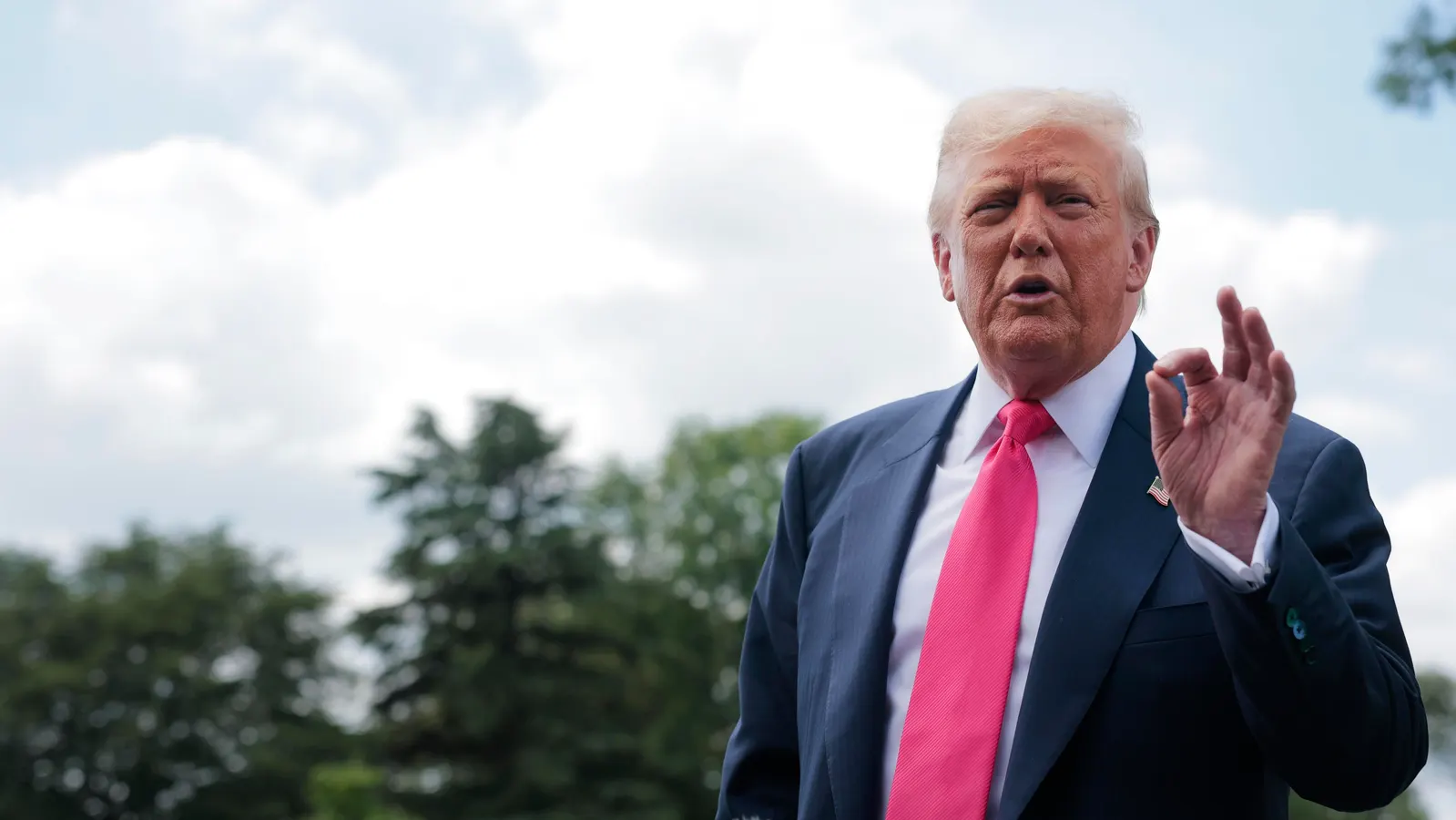
President Trump is considering removing capital-gains taxes on home sales to stimulate the sluggish housing market, aiming to increase supply and benefit buyers and sellers, with support from some Republican lawmakers and proposals like the No Tax on Home Sales Act.
President Trump has indicated support for legislation that would eliminate capital gains taxes on home sales, potentially impacting millions of homeowners by allowing them to sell their primary residence without paying taxes on profits exceeding $250,000 for singles or $500,000 for couples. This proposal comes amid ongoing debates about updating outdated tax policies and could significantly influence the housing market and affordability.
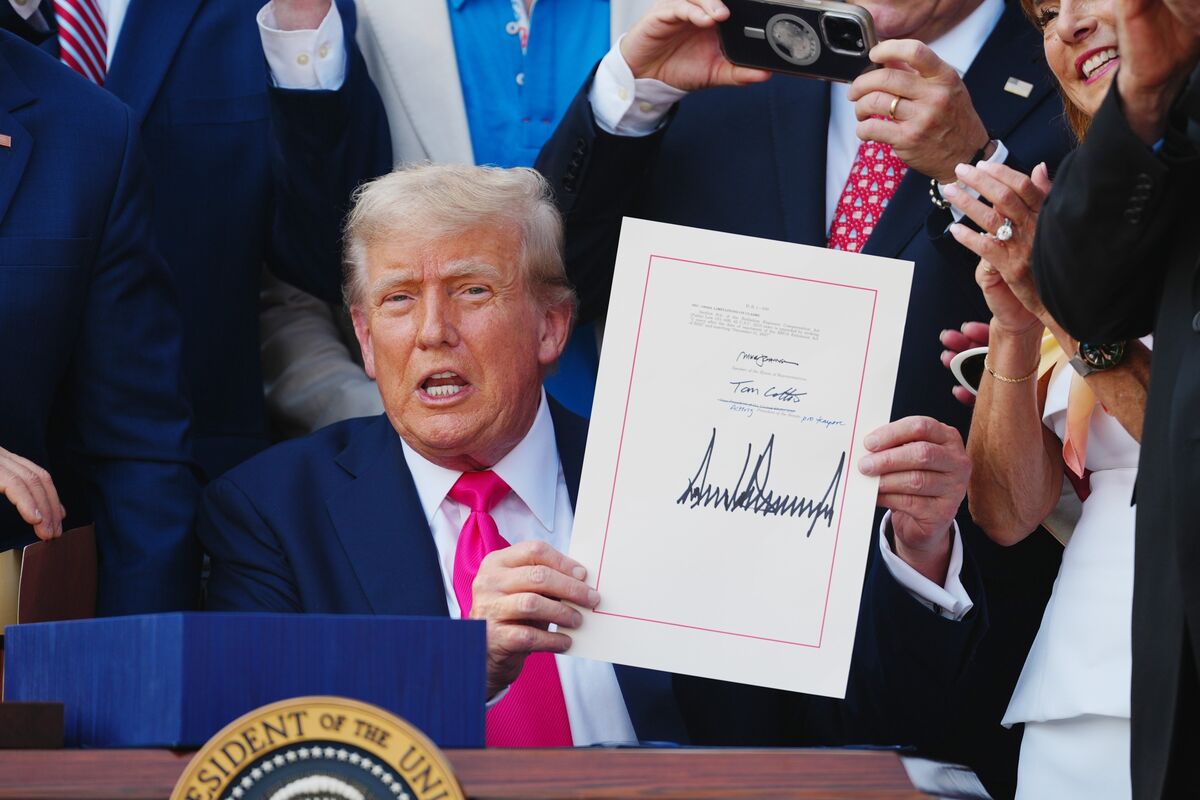
The new $3.4 trillion tax law signed by President Trump complicates the tax code by expanding benefits for certain groups like investors and high-income earners, while making effective tax rates vary widely based on earning sources and personal circumstances, moving away from the previous goal of simplification and potentially increasing inequality.
Ray Dalio criticizes the US Congress for passing the 'Big Beautiful Bill,' a costly law that extends tax cuts but significantly increases national debt, warning it could lead to economic crisis due to unsustainable spending and political gridlock.
Bitcoin has surged towards its all-time high amid anticipation of a new 'groundbreaking' crypto bill introduced by Senator Cynthia Lummis, which aims to ease crypto tax regulations and promote innovation, potentially fueling a significant price boom driven by favorable U.S. policies and increased institutional investment.
The article discusses how the Republican Party, under President Trump's influence, re-engineered the U.S. tax code by blending traditional supply-side economics with populist campaign promises, resulting in a mix of permanent corporate tax cuts, temporary populist measures, and significant cuts to social safety nets, which collectively favor the wealthy and increase economic inequality.
The Senate Republican tax package primarily benefits the wealthy while significantly cutting health, food, and social programs for low-income Americans, potentially leaving millions uninsured and worse off financially, despite claims of economic growth.
The Senate Republican tax and spending bill proposes significant changes including raising the SALT deduction cap to benefit upper-middle-income earners, increasing the child tax credit, implementing Medicaid funding cuts with stricter work requirements, and ending certain clean energy tax credits, while also introducing new savings accounts for children and limits on student loans, which could impact various income groups and social programs.
Some banks support President Trump's 'Big Beautiful Bill,' believing it could boost the U.S. economy by renewing expiring tax provisions and preventing a fiscal contraction, despite concerns over increased deficits and fiscal sustainability.