A viral social media claim that companies benefit from customer donations at checkout through tax deductions is false; individuals can claim deductions only if they donate directly or through lawful company practices, and checkout charity remains an effective way for nonprofits to raise funds. Consumers should not avoid giving based on misinformation, as small donations can make a significant impact and are often tax-deductible if properly claimed.
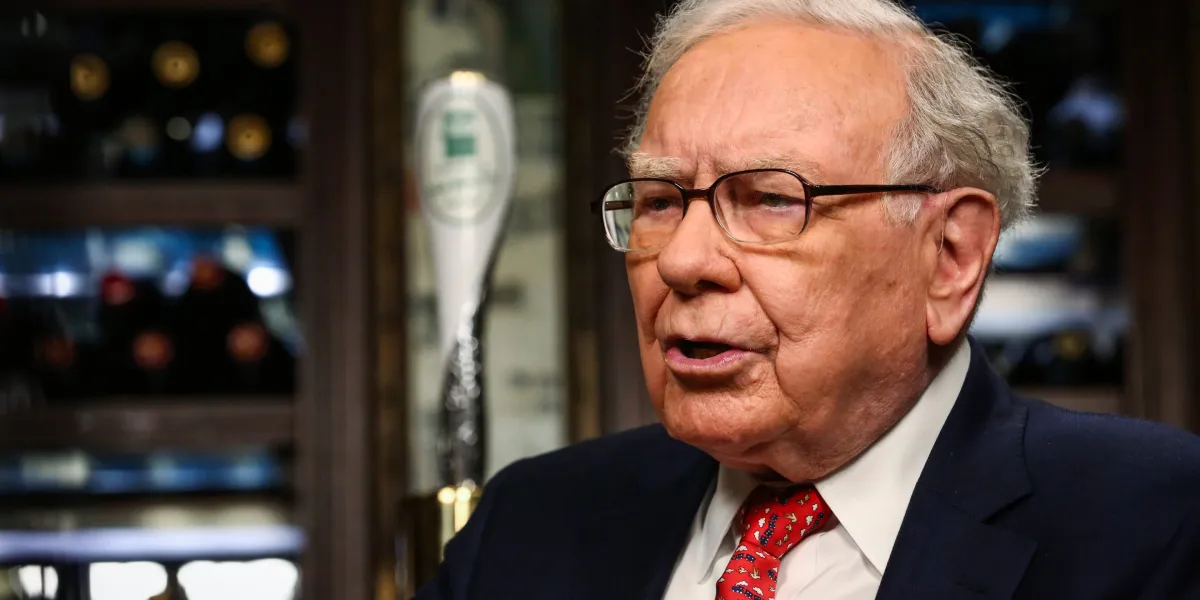
Warren Buffett, acknowledging his earlier philanthropic plans were unfeasible, is now leaving most of his $150 billion fortune to his three children’s foundations, giving away about $500 million annually, and plans to retain a significant stake in Berkshire Hathaway until his successor is settled, raising questions about the future of The Giving Pledge and billionaire philanthropy.
Warren Buffett announced he will continue his annual Thanksgiving letter to shareholders, step back from writing Berkshire's annual report, and increase his charitable donations, as he prepares to retire as CEO and pass leadership to Greg Abel. He reflected on his life, expressed gratitude, and emphasized his commitment to philanthropy and his hometown of Omaha.
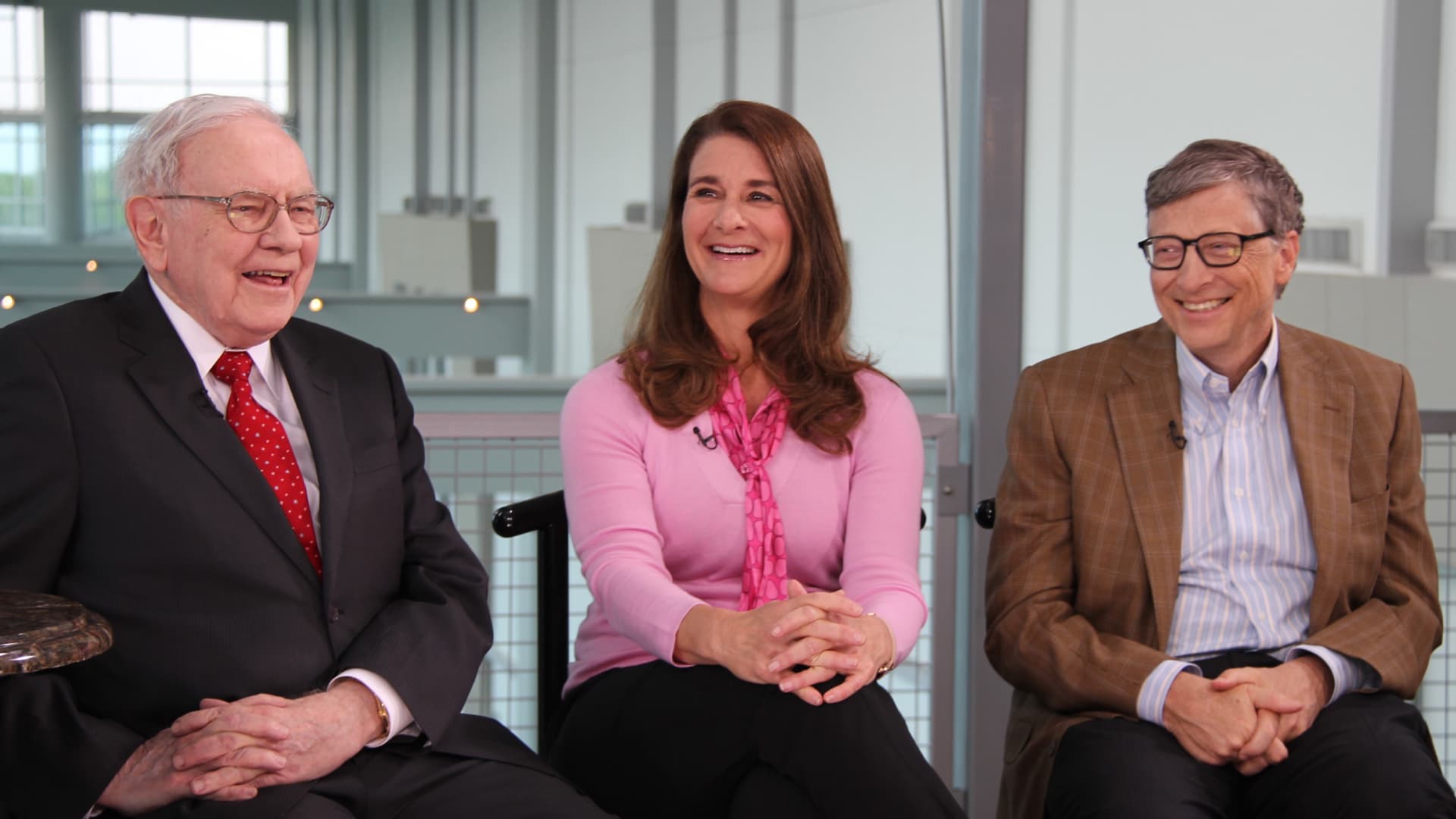
The Giving Pledge, launched in 2010 by Buffett, Gates, and French Gates to encourage billionaires to donate most of their wealth, has seen declining participation and impact over the years, despite the growing number of billionaires worldwide and alternative philanthropic approaches like impact investing. While some view it as influential in shaping wealth-related giving norms, others see it as unfulfilled, with few signatories fulfilling their commitments, though new efforts and changing attitudes among the wealthy continue to evolve the landscape of philanthropy.
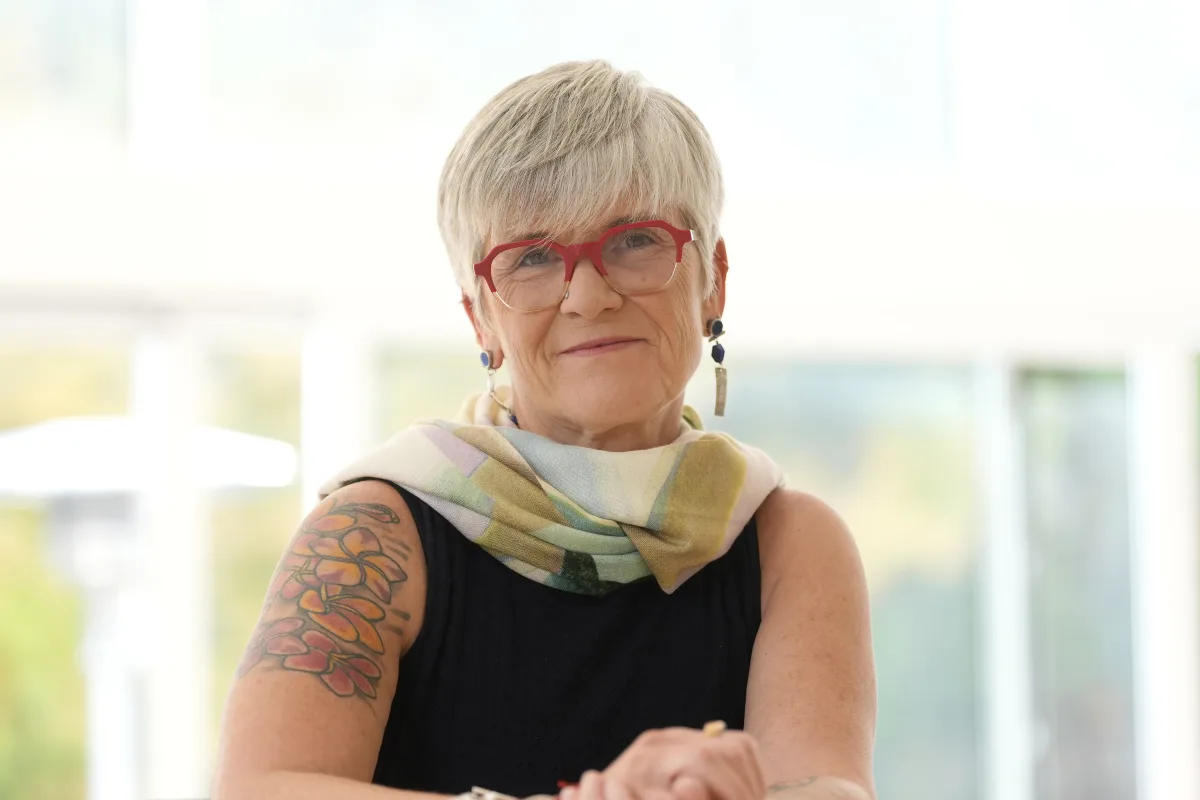
Marie Dageville, who became a billionaire after Snowflake's IPO, emphasizes the importance of starting to give away wealth, challenging the notion that it's difficult. Despite initiatives like the Giving Pledge, which encourages billionaires to donate half their fortunes, many face structural and emotional barriers. These include finding the right philanthropic vehicles and dealing with family dynamics. Experts suggest viewing philanthropy as a diversified portfolio to mitigate these challenges. Dageville trusts nonprofits to allocate funds effectively, advocating for general operating grants.
Billionaire philanthropist MacKenzie Scott has sold another 11% of her Amazon shares, worth over $8 billion, continuing her rapid pace of charitable giving. Since her 2019 divorce from Jeff Bezos, Scott has disposed of two-thirds of her Amazon shares, donating at least $17.3 billion to over 2,300 nonprofits. Her unique approach involves unrestricted cash grants to small nonprofits, often exceeding their annual budgets, and she allows recipients to decide on publicizing the gifts. Scott's net worth is now estimated at $30 billion, down from a peak of $59 billion in 2021.
The Dow Jones Industrial Average fell on Thursday due to hotter-than-expected inflation data, while Morgan Stanley appointed a head of firm-wide artificial intelligence and SpaceX's Starship rocket completed a successful test flight. Retailers are facing billions in losses due to organized refund fraud, and a report shows that a significant portion of charitable giving comes from ultra-high-net-worth individuals, impacting donation priorities.
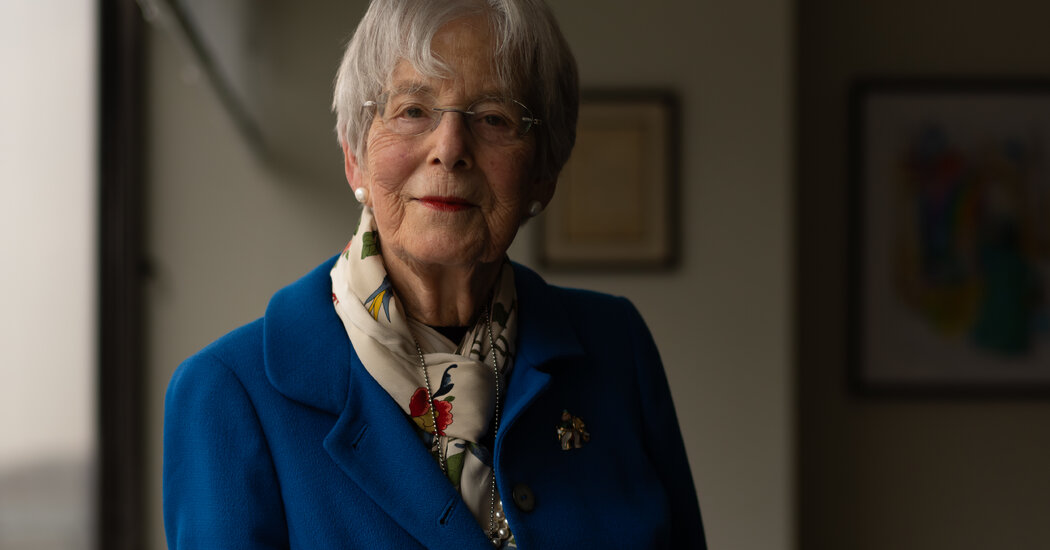
Ruth Gottesman's $1 billion gift to the Albert Einstein College of Medicine in the Bronx has garnered attention not only for its size but also for the humility of the philanthropist, who does not seek to have the school renamed in her honor. In contrast to the trend of extravagant philanthropy driven by ego and social influence, Gottesman's quiet fortune, made by her husband, stands out. The gift comes at a time when charitable giving to colleges and universities is on the rise, but the humility and lack of vanity surrounding the Gottesman donation have been particularly noteworthy in the current landscape of philanthropy.
Donations to the Salvation Army's annual Red Kettle Campaign have fallen for the fourth consecutive year, with giving steadily decreasing since 2019. The decline in donations may be attributed to factors such as inflation and a shift away from carrying cash. The charity is exploring alternative donation methods, including a mobile app and accepting cryptocurrency, to supplement the traditional red kettle collections. Despite efforts to adapt, the nonprofit sector as a whole has not seen a return to pre-pandemic levels of generosity and giving.
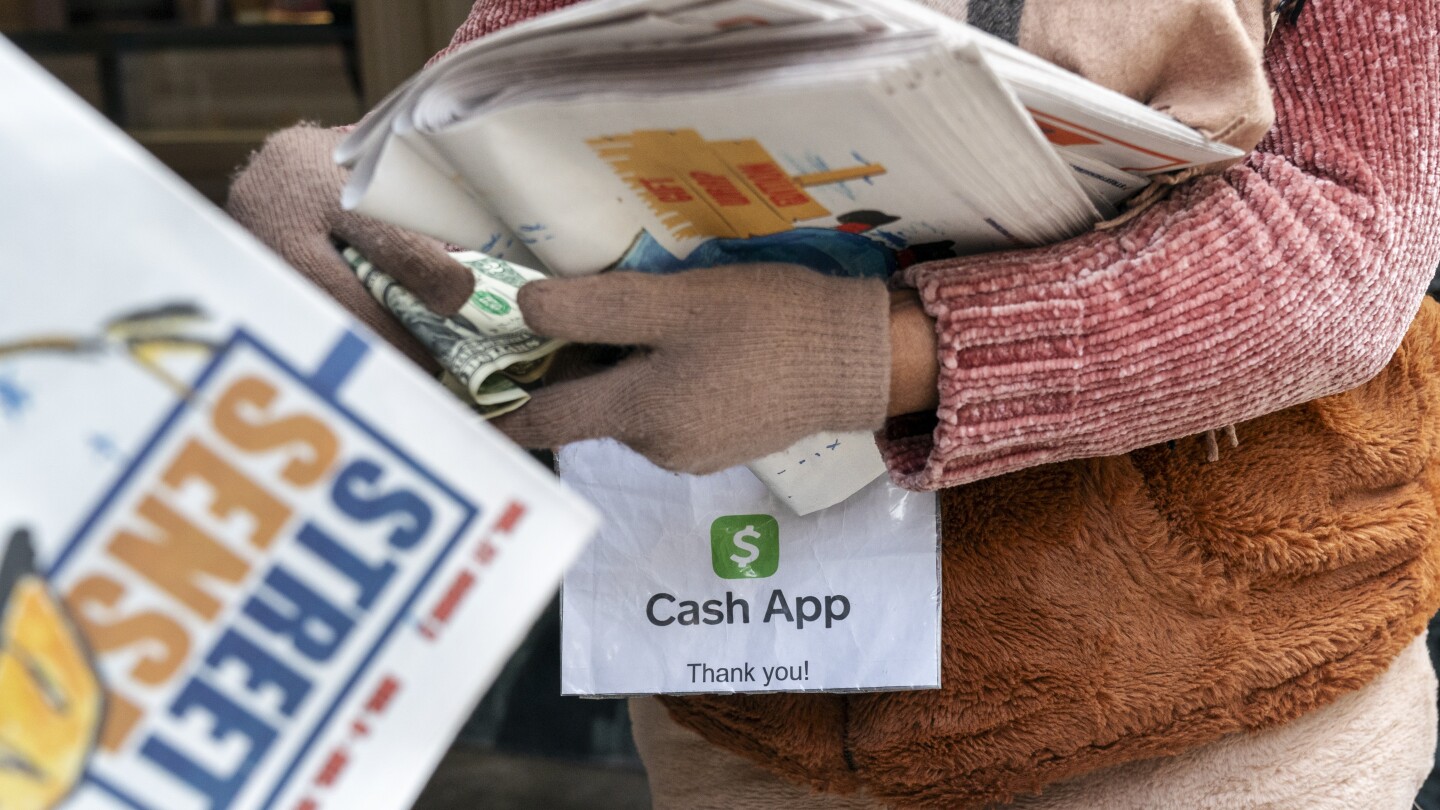
As society becomes increasingly cashless, charitable groups and advocates for the unhoused are finding ways to adapt and reach those most at risk of being left behind. Technological advances, such as a special Street Sense phone app and the Samaritan app, are helping unhoused individuals receive support and donations without the need for cash. However, challenges remain, including the lack of access to credit cards, bank accounts, identification documents, and fixed mailing addresses. Efforts to bridge the technology gap and provide support systems for the unhoused are ongoing, but many individuals still face barriers due to mental health issues and the complex nature of their challenges.
Terry Kahn, a frugal man from Indianapolis, left behind a $13 million estate to local charities after his death. Kahn, who worked for the Veterans Administration for 30 years, lived a modest life and made his millions by pinching pennies. Some charities initially thought the offer was a scam and missed out on millions, but others were overwhelmed by the kindness. Kahn's attorney, Dwayne Isaacs, had the unique job of calling local charities and offering them millions of dollars. Kahn's money will make a significant difference for a dozen nonprofits in Indianapolis.
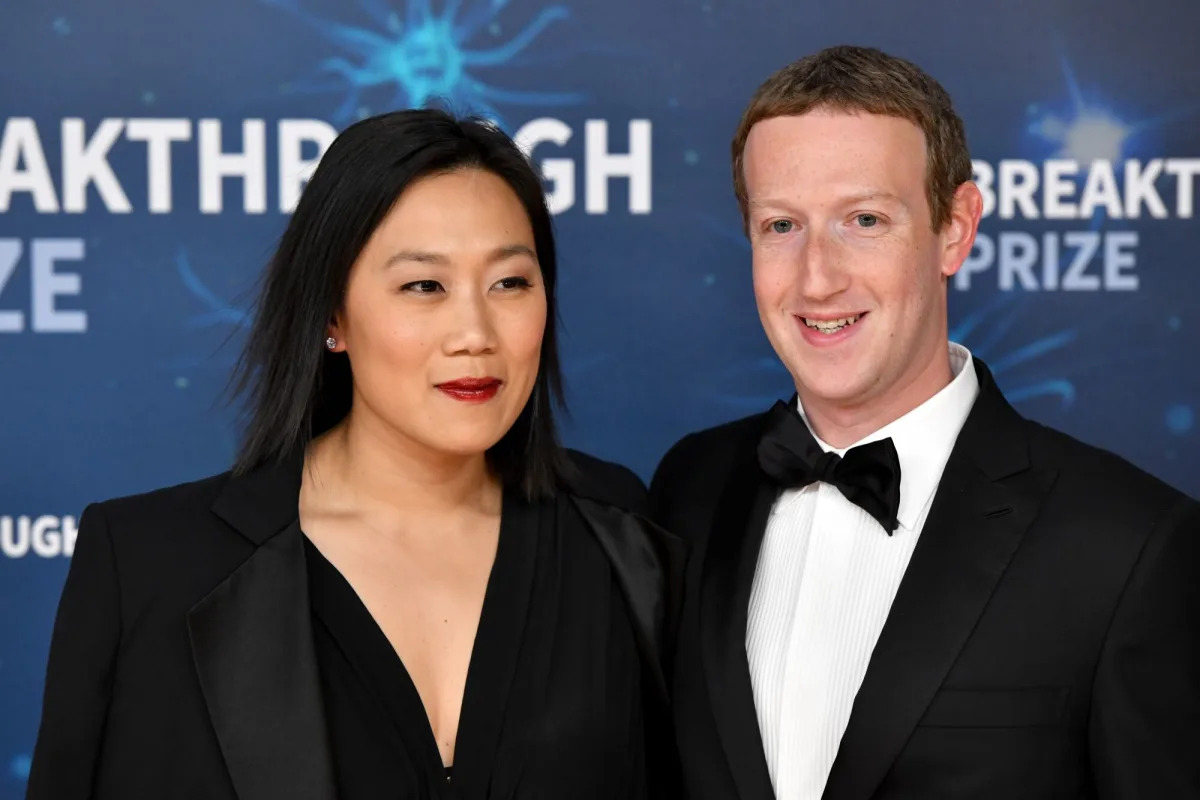
Mark Zuckerberg is selling Meta Platforms Inc. stock for the first time in two years, with his trust and entities for charitable and political giving unloading about 682,000 shares worth almost $185 million in November. This comes after Meta's stock surged 172% this year, rebounding from a tumultuous 2022. The proceeds from the stock sales will support Zuckerberg's activities outside of Meta, including venture capital, scientific research, and impact investments. Zuckerberg and his wife, Priscilla Chan, have previously pledged to allocate 99% of their wealth to philanthropic causes, and more than half of the recent stock sales came from shares controlled by their namesake foundation.
A survey conducted by WalletHub reveals that over one-third of Americans are skipping Christmas gifts this year due to inflation. Additionally, 28% of respondents plan to spend less on holiday shopping compared to last year, and almost 25% still have holiday debt from the previous year. The survey also found that nearly 20% of Americans will apply for a new credit card to help with holiday shopping, and almost half say their charitable giving is affected by inflation. The Salvation Army's Angel Tree program is highlighted as a way to assist those struggling with inflation during the holiday season.
Giving Tuesday is a global day of charitable giving that takes place on the Tuesday following Thanksgiving, aiming to shift the focus from consumerism to generosity. It was introduced in 2012 by the 92nd Street Y and the United Nations Foundation, utilizing social media and technology to promote charitable giving. The movement has grown worldwide, encouraging various forms of giving and involving businesses, corporations, and institutions. Social media plays a significant role in raising awareness and funds for charitable causes.
The late actor Matthew Perry's foundation, established to help those struggling with addiction, is structured as a donor-advised fund, offering certain advantages. Donor-advised funds allow donors to choose how much personal information is shared when making grants and how they are acknowledged. They provide immediate tax deductions for contributions and flexibility in choosing causes and amounts to donate. Many wealthy donors are opting for donor-advised funds over foundations due to fewer restrictions and administrative burdens. Donor-advised funds are not limited to the wealthy and can be opened with $0 initial contributions. They offer benefits such as easy tracking of donations, the ability to give appreciated assets to avoid capital gains tax, and the option to use a tax strategy called bunching donations. It is possible to open and fund donor-advised funds by year-end, but the timeline may vary.