The IRS provides resources and guidance on the new tax law provisions from the One, Big, Beautiful Bill, including deductions for seniors, no tax on tips, overtime, and car loan interest, along with tools for taxpayers to manage their taxes and refunds efficiently.
Social Security benefits for 2026 will increase by 2.8%, affecting over 75 million Americans, with payments starting in January. While benefits rise, higher Medicare premiums and new tax deductions will influence retirees' net income. The average benefit for retired workers will increase to $2,071, and a new $6,000 tax deduction for seniors will be available through 2028.
In 2026, significant financial changes include increased retirement contribution limits, new rules for high earners' Roth catch-up contributions, expected interest rate drops, and a new tax deduction for seniors over 65, all emphasizing the importance of strategic financial planning and awareness of evolving policies.
A viral social media claim that companies benefit from customer donations at checkout through tax deductions is false; individuals can claim deductions only if they donate directly or through lawful company practices, and checkout charity remains an effective way for nonprofits to raise funds. Consumers should not avoid giving based on misinformation, as small donations can make a significant impact and are often tax-deductible if properly claimed.
The 2026 tax refund season is expected to be larger and more favorable due to new tax laws, expanded deductions, and delayed withholding adjustments, with refunds potentially exceeding $4,000 on average, and arriving mainly in mid to late February through early March, especially benefiting middle and upper-middle-income households.
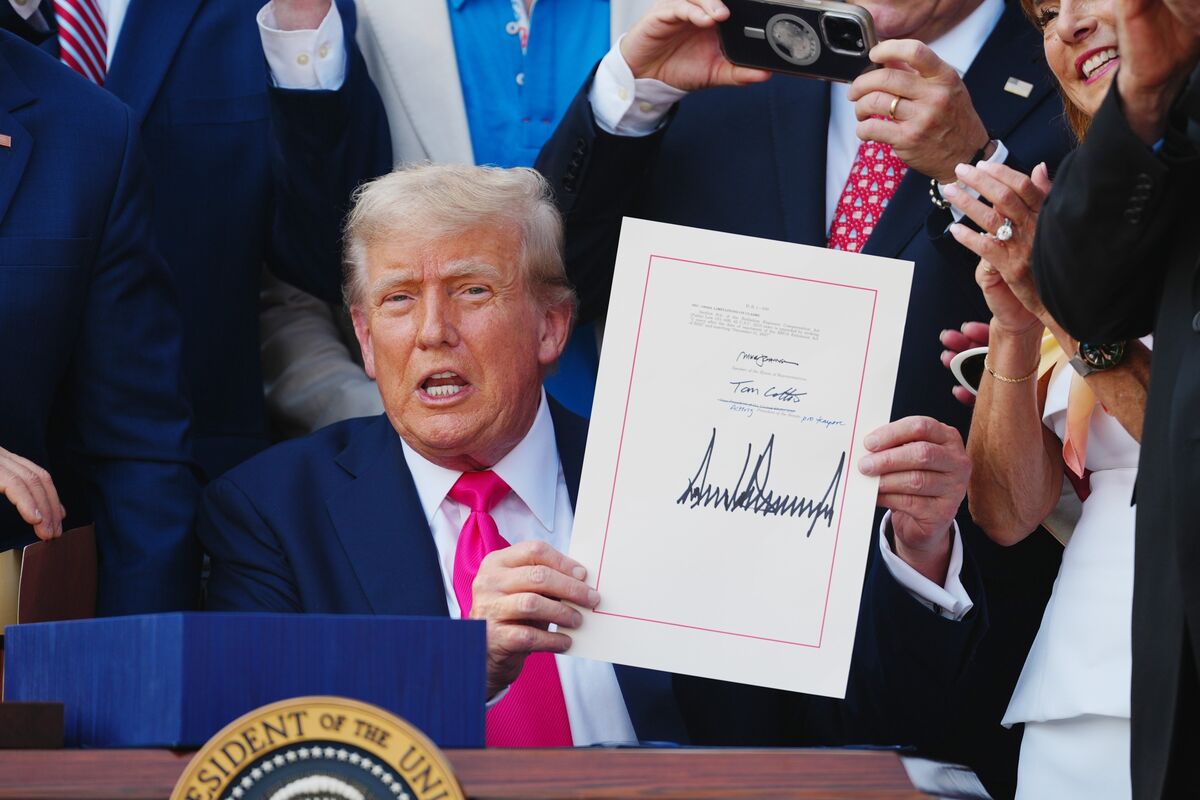
The new tax law signed by President Trump offers some benefits to the upper-middle class, such as increased standard deductions and extended QBI deductions, but also maintains limitations like the SALT deduction cap and reduced mortgage interest deductions, which may result in higher taxes for some in this income bracket.
The new $3.4 trillion tax law signed by President Trump complicates the tax code by expanding benefits for certain groups like investors and high-income earners, while making effective tax rates vary widely based on earning sources and personal circumstances, moving away from the previous goal of simplification and potentially increasing inequality.
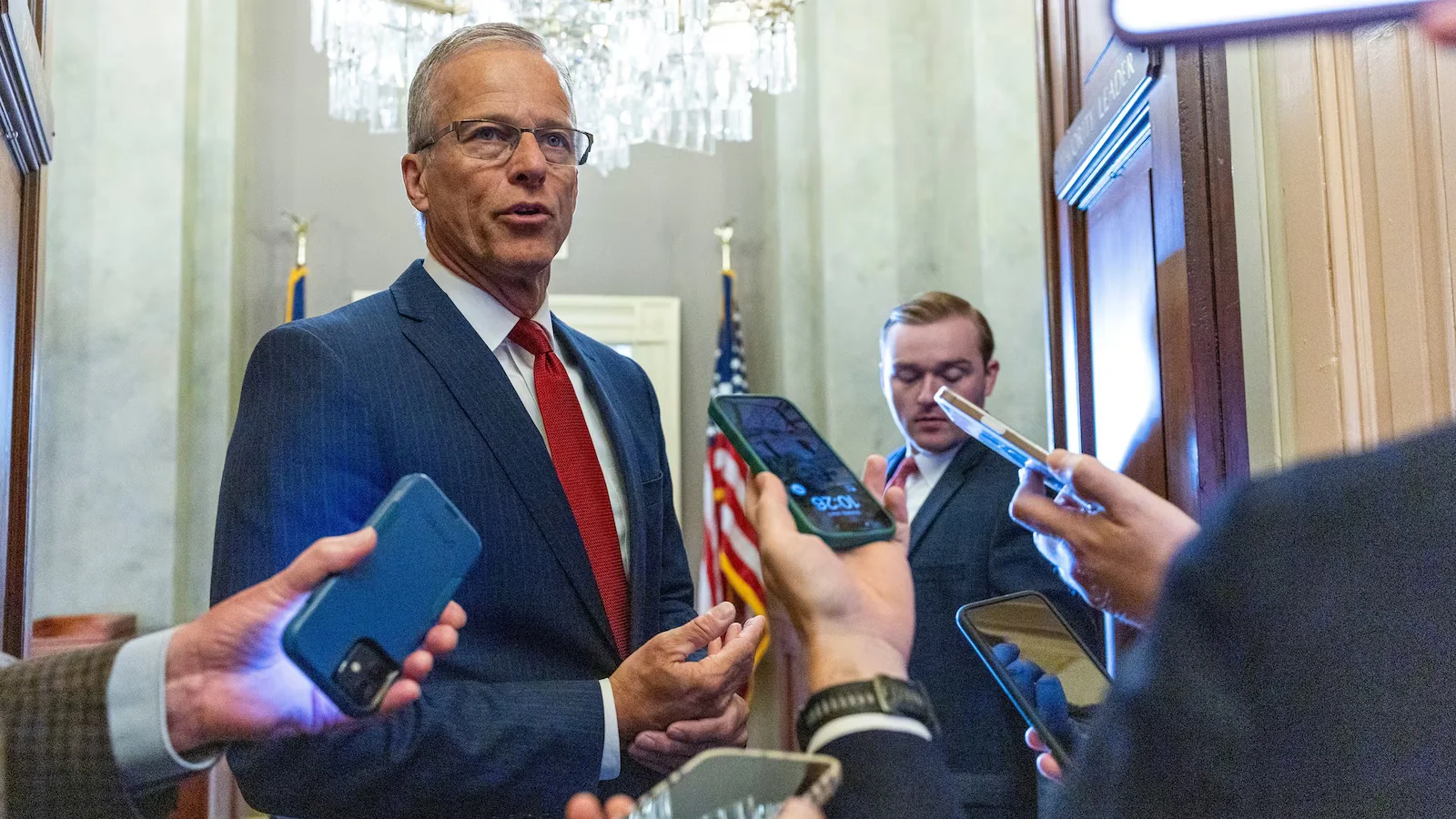
Senate Republicans are struggling to unify on a comprehensive bill amid disagreements over Medicaid cuts, clean energy funding, and SALT deductions, with President Trump urging swift passage before July 4, as party factions and key issues threaten to derail the legislation.
The Senate is preparing for a crucial vote next week on President Trump's comprehensive domestic policy bill, involving intense negotiations, technical reviews like the Byrd Bath to ensure compliance with Senate rules, and key debates over issues such as state and local tax deductions, Medicaid protections, and green energy tax credits. The outcome hinges on delicate negotiations within the Senate and potential subsequent discussions with the House.
The Senate is considering significant modifications to President Trump's 'big beautiful bill,' focusing on reducing government spending, adjusting SNAP and SALT deduction policies, and negotiating border security and Medicaid reforms, with ongoing debates about the scope and impact of these changes.
Elon Musk's charitable foundation, the Musk Foundation, has been criticized for giving away far less than required in some years and for supporting his own interests. Despite having billions of dollars at his disposal, Musk's philanthropy has been described as haphazard and largely self-serving, potentially enabling him to benefit from significant tax breaks while also promoting his businesses. The foundation's donations have often stayed close to home, with recent initiatives focusing on revitalizing downtown Brownsville, Texas, following a SpaceX rocket explosion in the area.
The IRS has allowed some unusual tax deductions over the years, including breast implants for a self-employed exotic dancer, a private jet for managing a rental property, pet-related expenses for business purposes, and swimming pools prescribed for medical reasons. Taxpayers must prove that these items were necessary or a legitimate business expense, and it's recommended to consult with a professional before pursuing off-beat deductions.
With just a month left in the year, experts suggest several tax strategies to reduce your tax bill or boost your refund. These include maximizing pretax 401(k) contributions, "bunching" donations to exceed the standard deduction, making the most of your tax bracket by considering income projections, and weighing strategies that can be implemented in the new year. Additionally, making pretax IRA contributions and contributing to a health savings account can offer further tax benefits.
The late actor Matthew Perry's foundation, established to help those struggling with addiction, is structured as a donor-advised fund, offering certain advantages. Donor-advised funds allow donors to choose how much personal information is shared when making grants and how they are acknowledged. They provide immediate tax deductions for contributions and flexibility in choosing causes and amounts to donate. Many wealthy donors are opting for donor-advised funds over foundations due to fewer restrictions and administrative burdens. Donor-advised funds are not limited to the wealthy and can be opened with $0 initial contributions. They offer benefits such as easy tracking of donations, the ability to give appreciated assets to avoid capital gains tax, and the option to use a tax strategy called bunching donations. It is possible to open and fund donor-advised funds by year-end, but the timeline may vary.
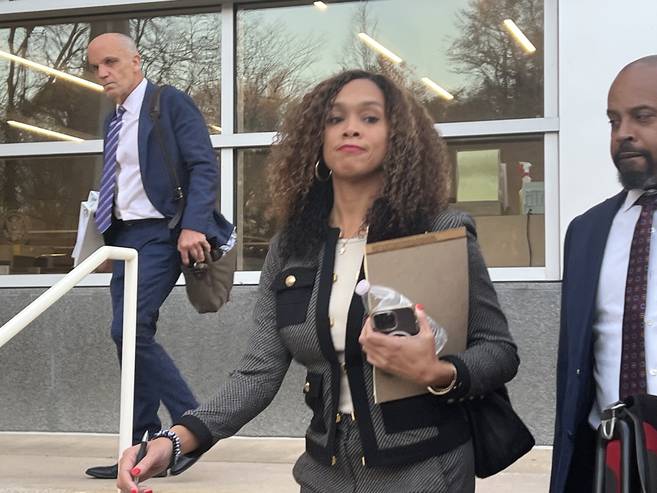
Federal prosecutors have warned Marilyn Mosby, the former top prosecutor, that they would press her on several areas if she takes the stand in her own defense in the federal perjury trial. These areas include improper tax deductions, unsubstantiated charitable donations, and a potential mortgage fraud. The trial has focused on whether Mosby lied about suffering a financial hardship due to the pandemic to gain access to $90,000 in retirement funds and purchase two Florida vacation homes. Defense attorneys argue that Mosby had plans to launch a business called Mahogany Elite Enterprises, but it failed to materialize due to the pandemic.