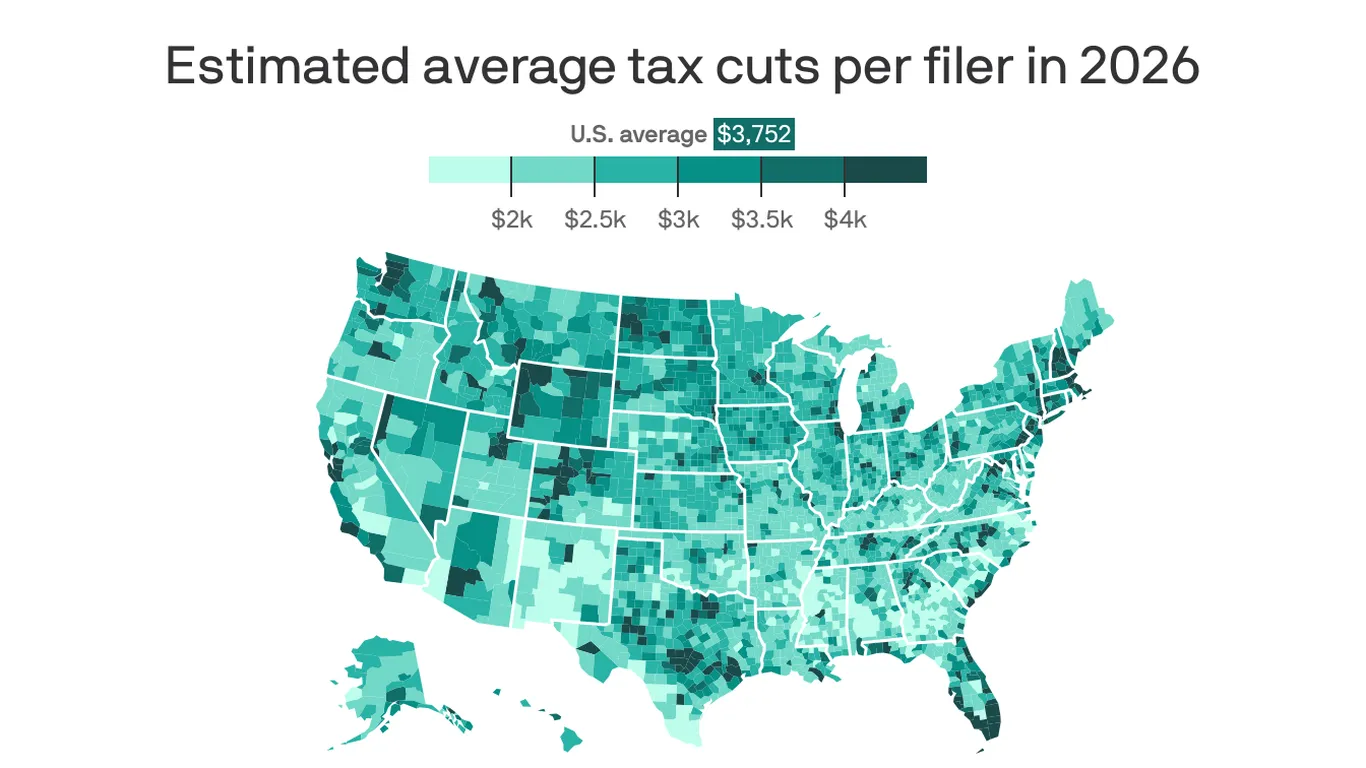
The 'big beautiful bill' makes permanent the 2017 tax cuts, adds new benefits, and results in varying tax savings across regions, with mountain resort towns and high-income areas seeing the largest cuts, while lower-income and rural areas see smaller benefits and face future social spending cuts.
The 'Big Beautiful Bill' is a branding phrase used by Trump to describe a set of policies including tax cuts, social safety net restructuring, and energy and education reforms, which could impact social programs like Social Security, Medicare, and the ACA, potentially leading to short-term benefits but long-term risks for American workers and retirees. The bill's implications include possible disruptions to healthcare, student debt relief, and the funding of social programs, with concerns about increased inequality and reduced program sustainability. AI analysis highlights the influence of wealthy donors and lobbyists in shaping these policies, emphasizing the need for transparency and accountability.
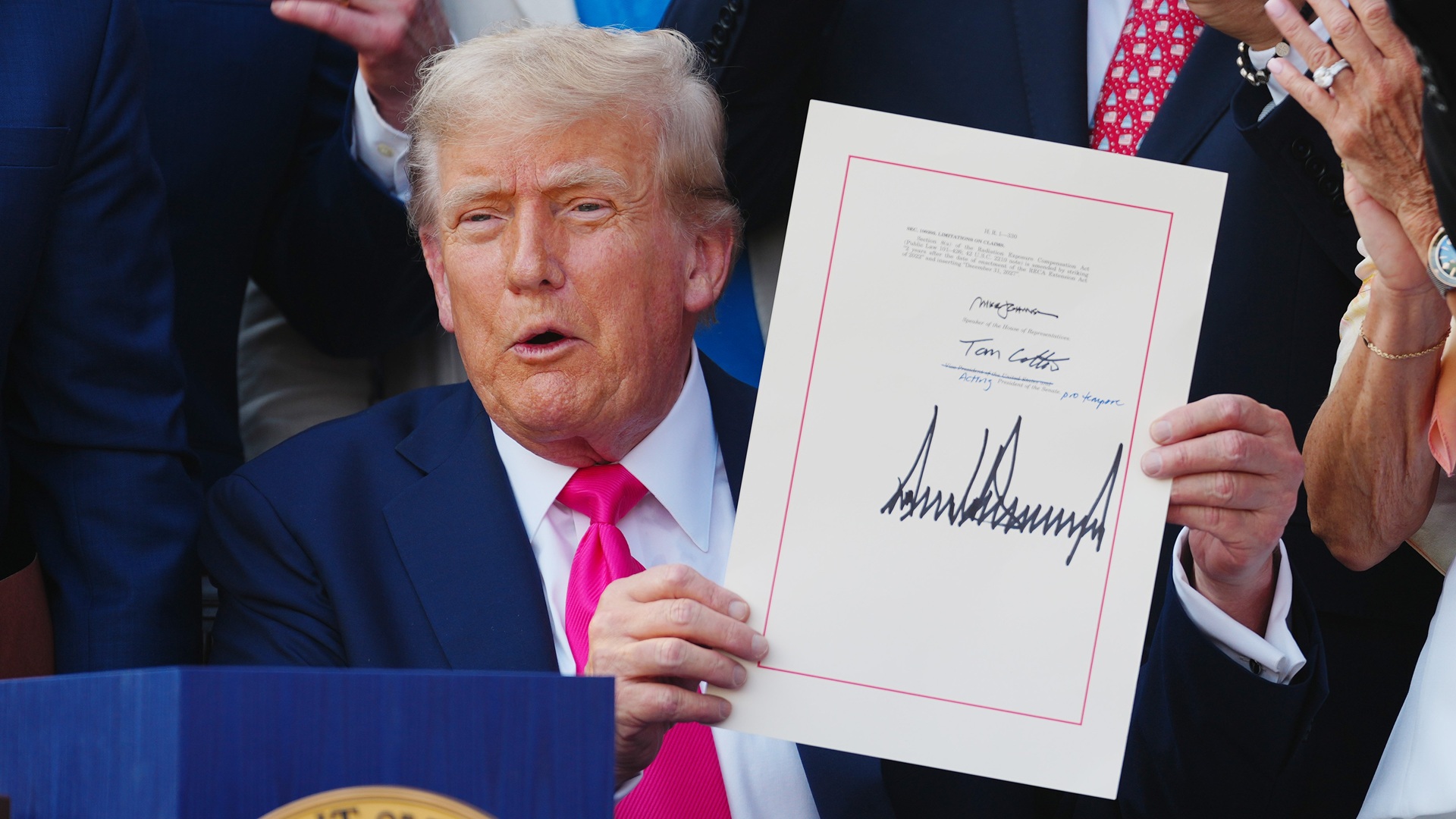
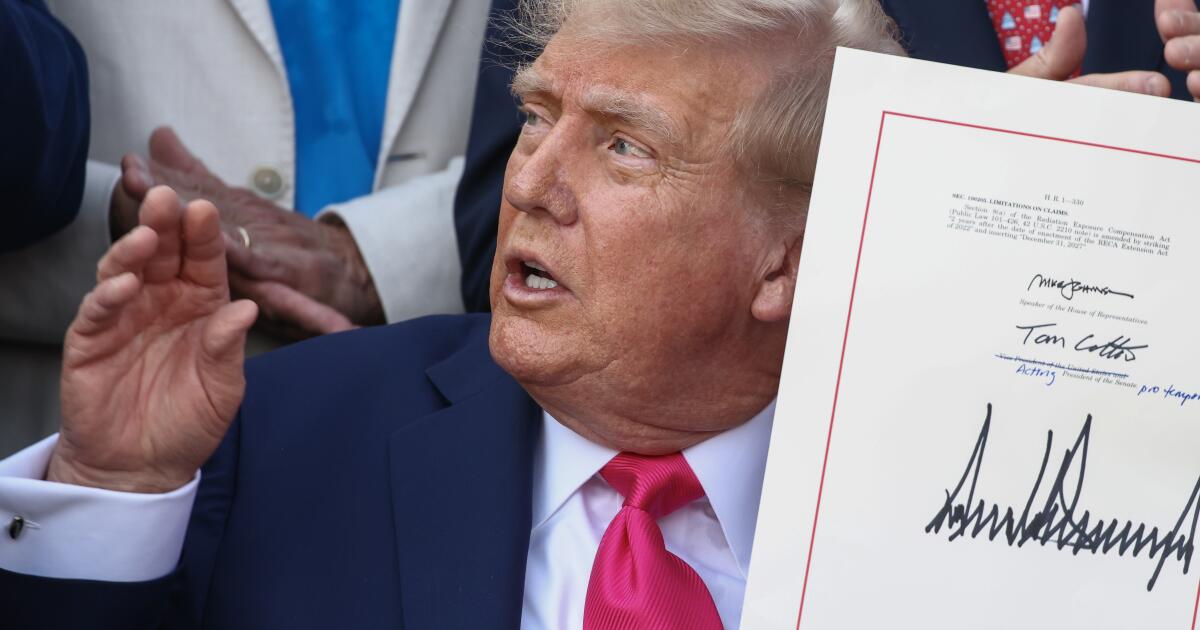
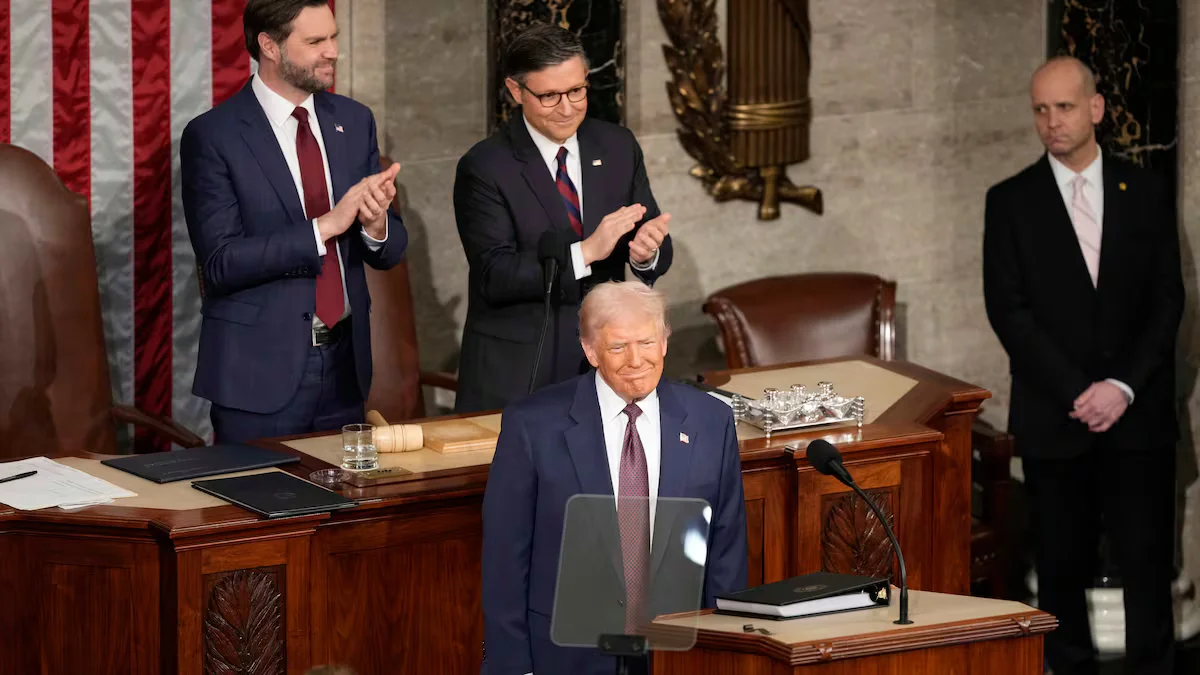
President Donald Trump signed the nearly 900-page 'Big Beautiful Bill' into law, which includes $4.5 trillion in tax cuts primarily benefiting the wealthy, increased funding for border security and immigration enforcement, and significant cuts to clean energy incentives and social programs like Medicaid and food assistance, potentially leading to millions losing coverage and increased inequality.
Ray Dalio criticizes the US Congress for passing the 'Big Beautiful Bill,' a costly law that extends tax cuts but significantly increases national debt, warning it could lead to economic crisis due to unsustainable spending and political gridlock.
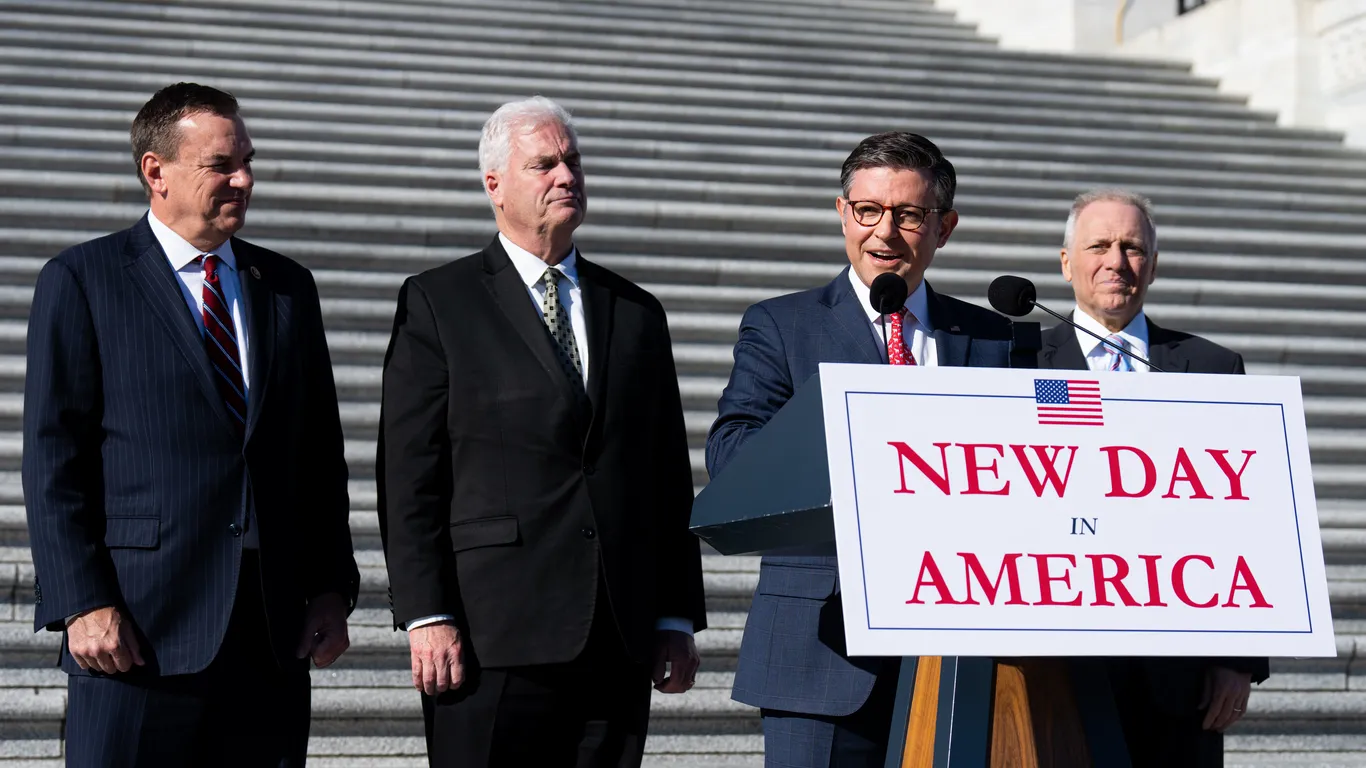
House Republicans are launching a messaging campaign to promote Trump's 'big, beautiful bill,' emphasizing its benefits like tax cuts and work requirements, while framing Democrats' opposition as harmful to working families, despite low public support and internal GOP disagreements. Both parties are gearing up to use the bill as a key issue in the 2026 midterms.
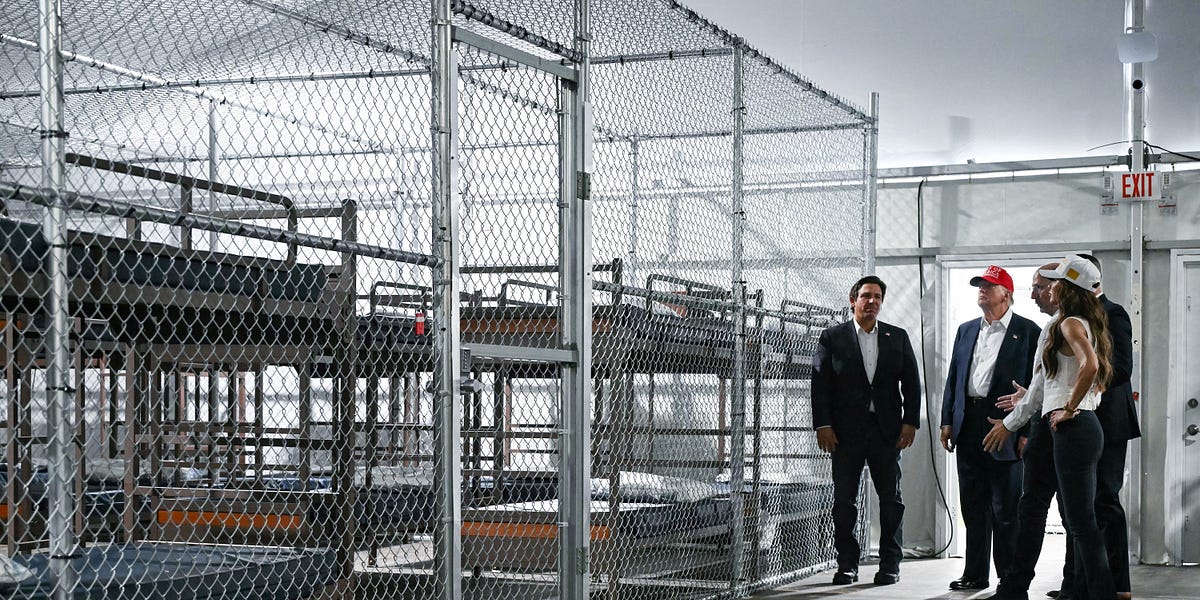
The article criticizes recent U.S. legislative and political actions, highlighting increased immigration enforcement funding, the establishment of detention facilities like 'Alligator Alcatraz,' and controversial vaccine misinformation by RFK Jr., all seen as signs of authoritarian tendencies and erosion of democratic norms.
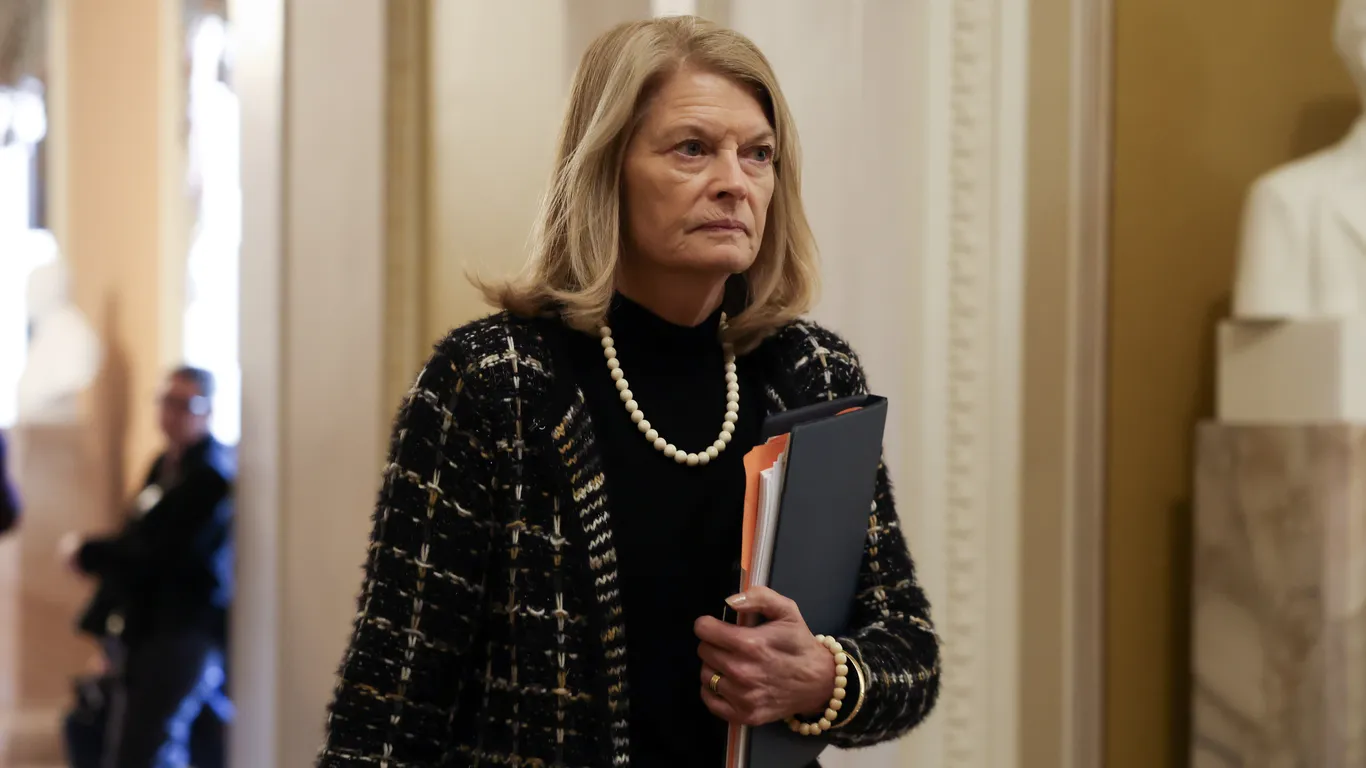
Sen. Lisa Murkowski expressed dissatisfaction with the process and content of President Trump's 'big, beautiful bill,' criticizing it as rushed and not sufficiently beneficial for the country, despite ultimately supporting it after intense negotiations.
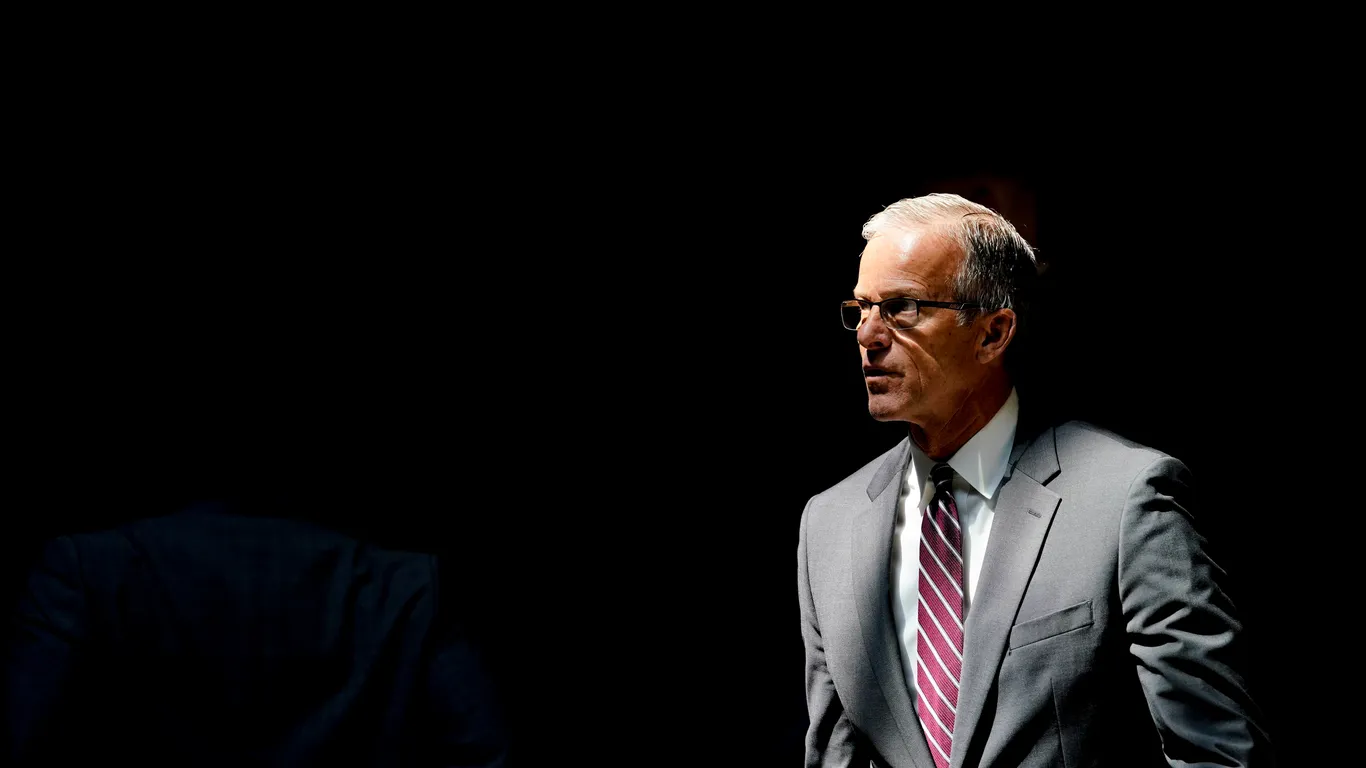
Senate Majority Leader John Thune faces increasing pressure and internal challenges to pass the 'big, beautiful bill,' with key issues including Medicaid cuts, GOP holdouts, and President Trump's involvement, as lawmakers work to finalize the legislation amid negotiations and political demands.
The passage of the Big, Beautiful Bill in the Senate is imminent, with key decisions on its policy provisions being made during a crucial weekend 'Byrd Bath' to ensure it complies with budget rules, potentially affecting its timeline and the July 4 deadline.
The Senate's version of the 'Big Beautiful Bill' proposes selling nearly 250 million acres of public lands in the West, including areas like Timothy Lake in Oregon, to private developers, sparking opposition from environmental groups and Democrats who warn it would lead to the loss of public access and environmental degradation. The legislation aims to generate revenue and increase housing supply but faces significant resistance and concerns over long-term impacts on public lands.
The proposed Big Beautiful Bill in Congress, supported by Trump and passing the House with Florida's full GOP support, could significantly impact Florida through Medicaid cuts, tax changes benefiting low-income seniors, restrictions on AI regulation, elimination of EV and solar tax credits, and increased border security spending, with potential negative effects on healthcare, social programs, and privacy.
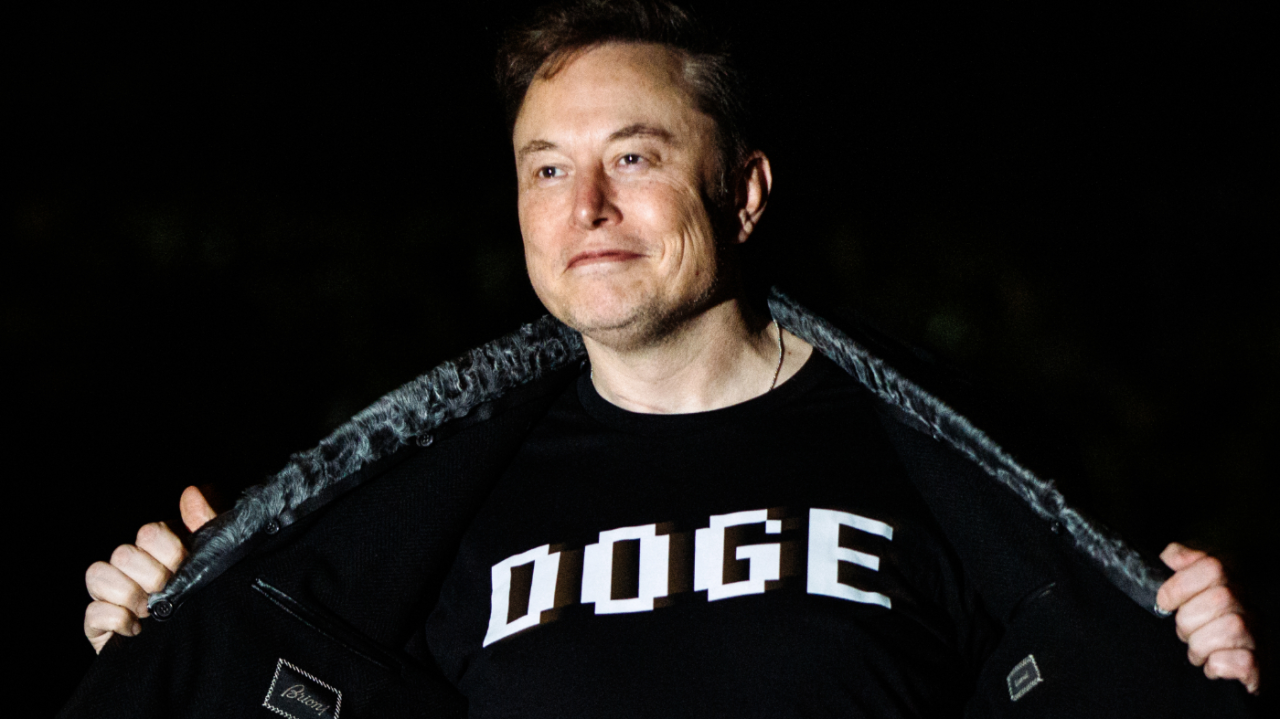
Elon Musk expressed disappointment with the 'One Big Beautiful Bill Act,' criticizing it for increasing the deficit and undermining the efforts of the Department of Government Efficiency (DOGE), despite its passage through the House. The bill, which now awaits Senate approval, includes tax cuts, increased debt limit, and cuts to green energy incentives, among other provisions.