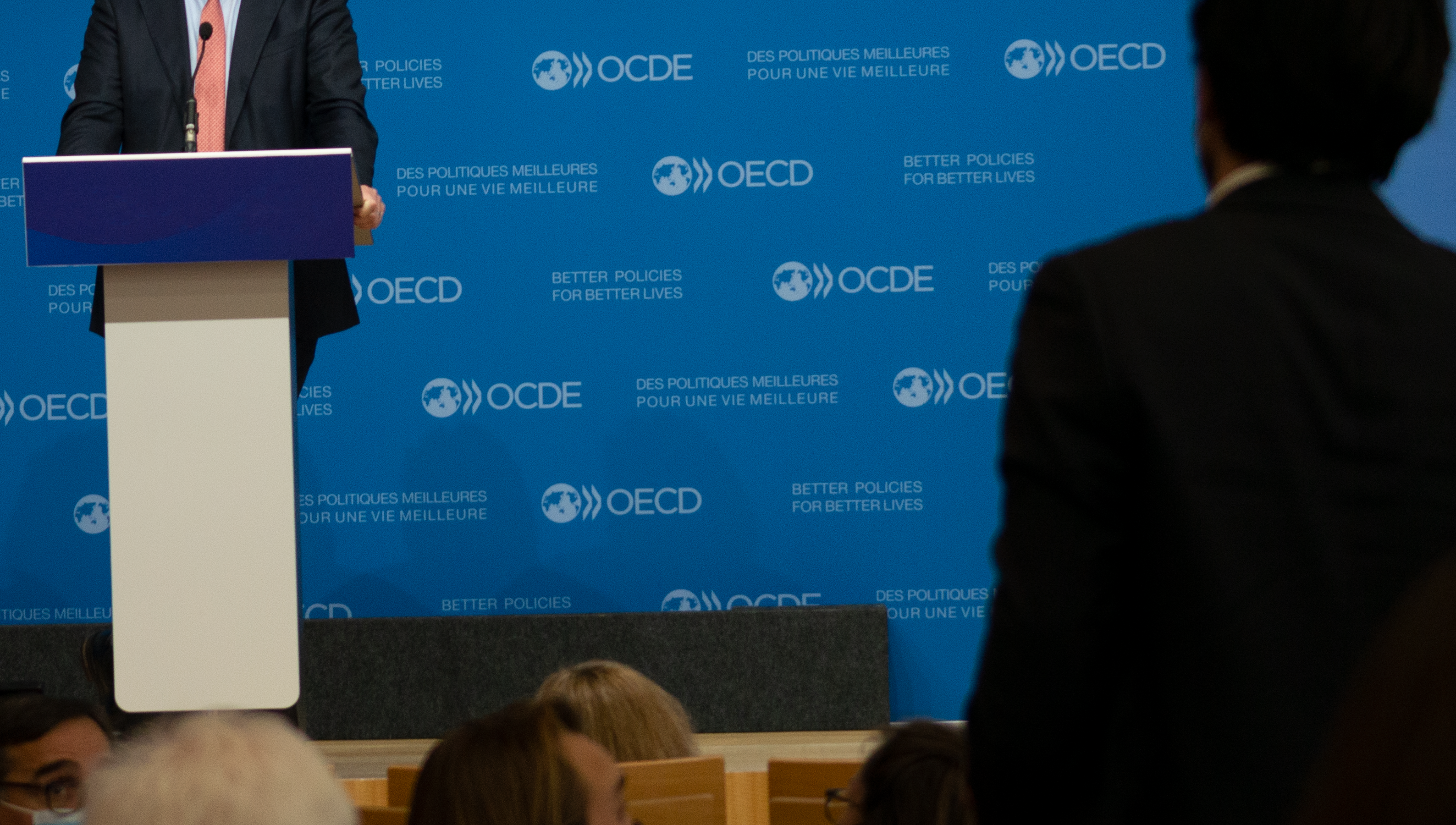
The OECD has finalized a global tax deal that exempts U.S.-based multinational corporations from paying a 15% minimum tax overseas, amid negotiations that aimed to curb profit shifting to low-tax havens, with mixed reactions from different political and advocacy groups.

The OECD has finalized a global tax deal that exempts U.S.-based multinational corporations from paying a 15% minimum tax on overseas profits, a move that has been praised by U.S. officials as protecting American sovereignty but criticized by tax transparency groups for undermining global progress on corporate taxation.
Nearly 150 countries agreed on a global tax plan to curb profit shifting by large multinationals, but the US is exempt, sparking criticism from tax transparency groups. The deal, finalized by the OECD, excludes US-based multinationals from the 15% minimum tax, which aims to prevent profit shifting to low-tax havens like Bermuda and the Cayman Islands. The US's exemption is seen as a move to preserve sovereignty and protect American companies, but critics argue it undermines efforts to combat tax avoidance and a race to the bottom in corporate taxation.
U.S.-based multinational companies are exempt from a new global tax deal finalized by the OECD, which aims to prevent profit shifting to low-tax countries, but excludes large U.S. firms from the 15% minimum tax, sparking criticism from tax transparency groups and praise from congressional Republicans.
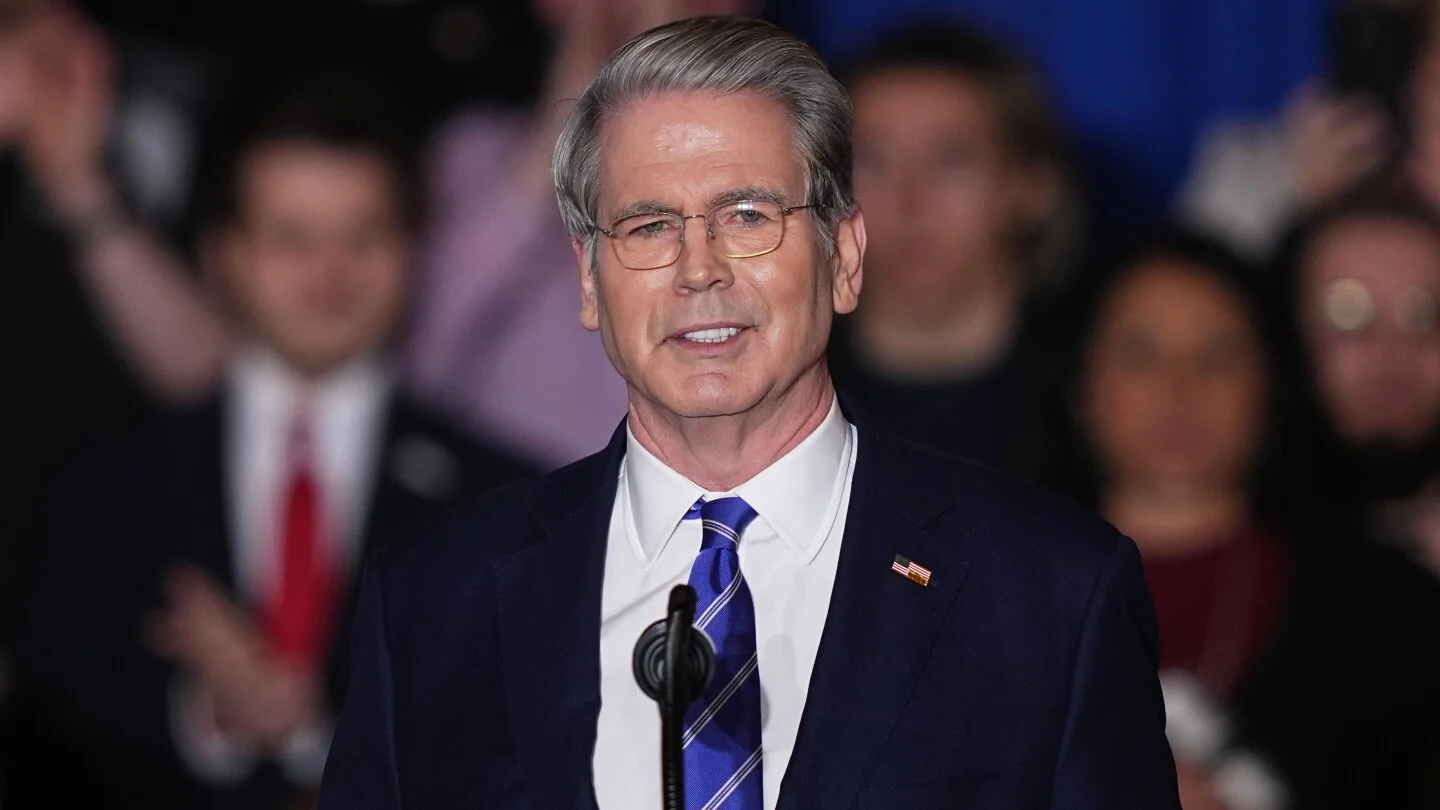
The U.S. Treasury announced an agreement with over 145 countries to exempt U.S.-based companies from the OECD Pillar Two global tax plan, affirming U.S. tax sovereignty and protecting domestic incentives and innovation, marking a significant victory for U.S. economic interests.
The OECD's agreement to exempt the US from its Pillar 2 tax reform is criticized for undermining global tax sovereignty and costing countries billions in lost revenue, with the Tax Justice Network highlighting the shift of profits and tax abuses by US multinationals. Meanwhile, UN-led negotiations are advancing a more equitable 'pay-where-you-play' approach, challenging the US and OECD's influence on global tax rules.
The OECD/G20 Inclusive Framework has reached a historic agreement among 147 countries on a comprehensive package to implement a global minimum tax, aiming to enhance tax certainty, reduce compliance burdens, and protect tax bases, especially in developing countries, with plans for implementation support and future simplifications.
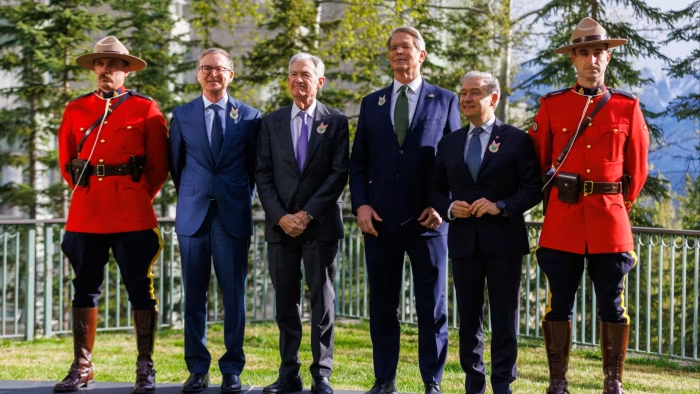
Canada's finance minister defends a G7 tax deal that grants the US a special exemption from the global minimum tax, amid objections from China and EU countries, emphasizing the importance of US participation in the agreement.
Despite US trade tensions and tariffs, the OECD expects the global economy to grow 3.2% in 2025, with the US economy expanding by 2%, and highlights resilience amid policy uncertainties and investments in AI, with China and India also showing strong growth.
The OECD warns that the AI-driven stock market bubble poses a significant downside risk to the US economy, which is expected to slow growth and face inflation increases in the coming years, with potential for market corrections if AI optimism wanes.
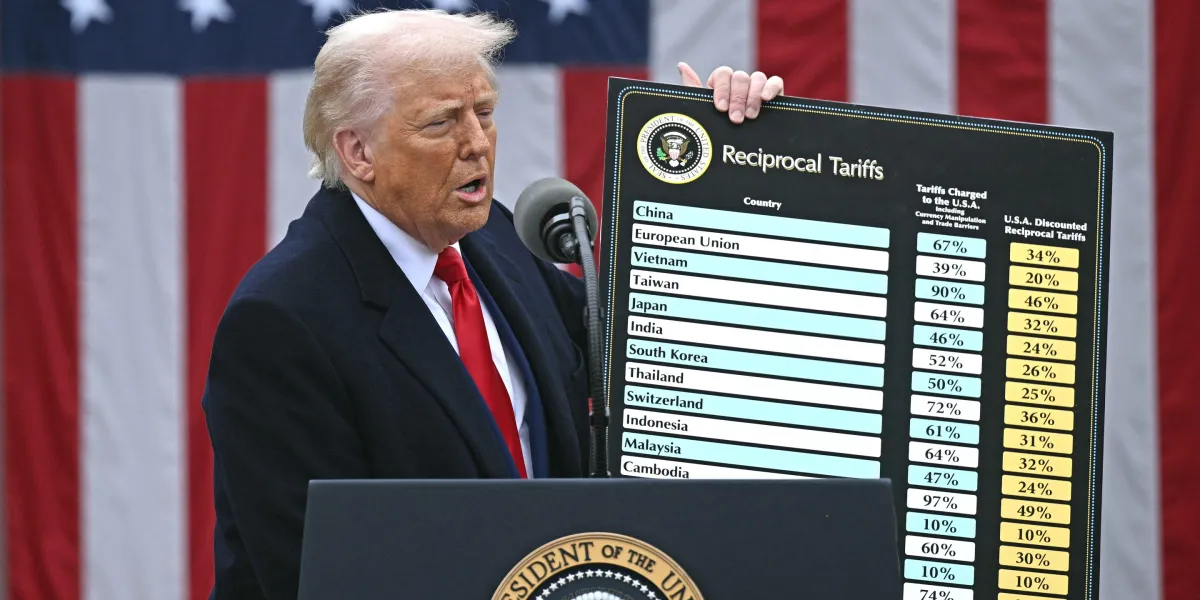
The OECD warns that President Trump's tariffs are yet to fully impact the US economy, with potential significant effects expected soon, leading to a downgraded global and US growth forecast and a grim economic outlook into 2026.
The OECD reports that while global growth remains resilient, the full impact of US tariffs, which hit 1933 highs, is still unfolding, with economic activity supported temporarily by AI investment and fiscal measures, but expected to slow in the coming years.
The OECD has upgraded its global economic growth forecast to 3.2% for 2025, citing resilience in many economies despite risks from high tariffs, policy uncertainty, and inflation. The US growth forecast was also raised to 1.8%, though it remains below 2024 levels, with concerns about the impact of tariffs and trade tensions on future growth. Inflation is expected to slightly decrease, but risks such as further tariff hikes and financial market volatility persist.
Despite a sharp decline in inflation rates since 2022, many Anglophone countries continue to experience persistent inflationary pressures, making it difficult for them to fully shake off inflation despite improvements.
The G7 countries have reached a deal that exempts US multinationals from some parts of a new global minimum tax, potentially undermining the 2021 OECD agreement aimed at curbing tax avoidance by large corporations worldwide. The deal includes provisions to exclude US companies from certain taxes due to their US tax payments, sparking mixed reactions and ongoing discussions at the OECD level.