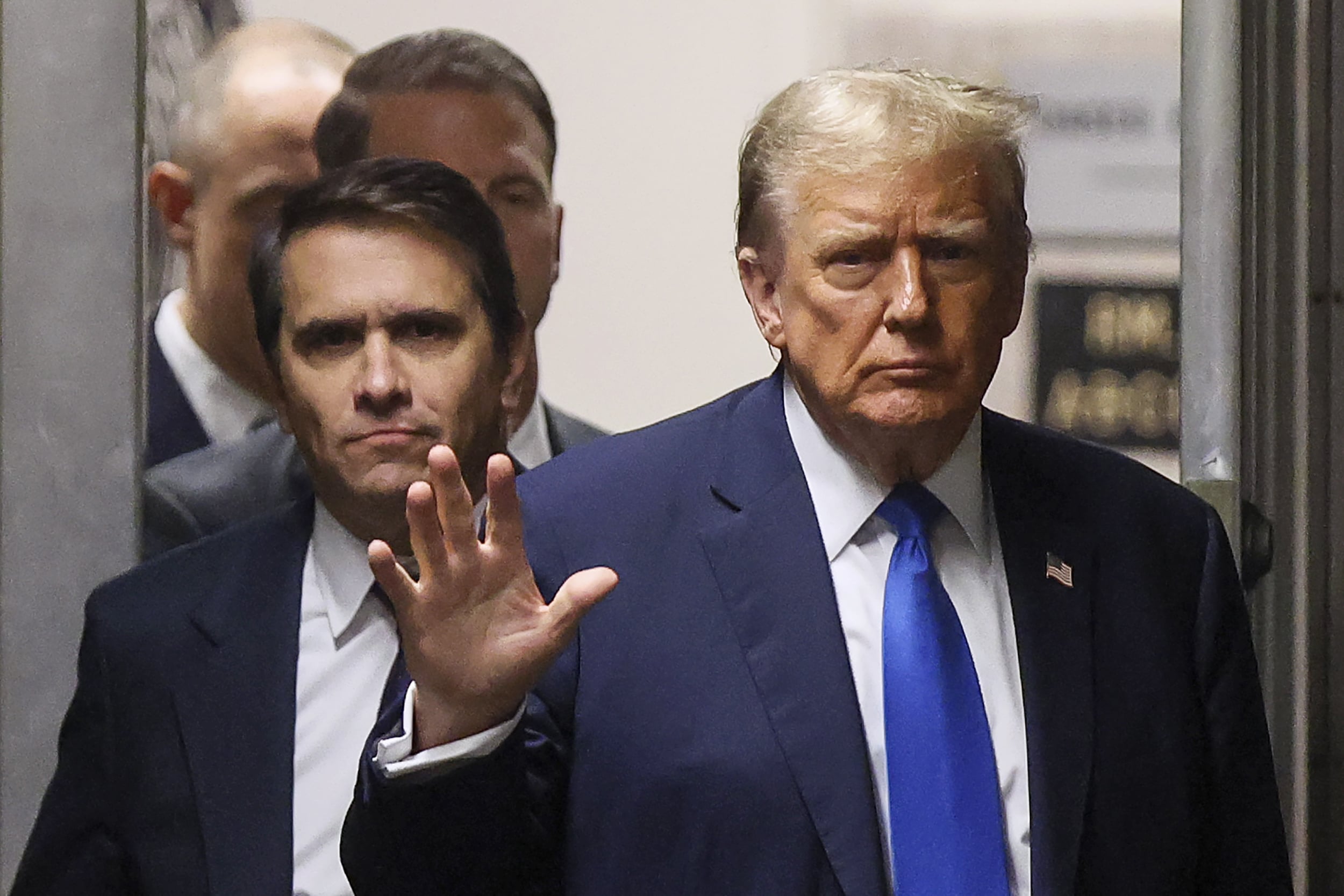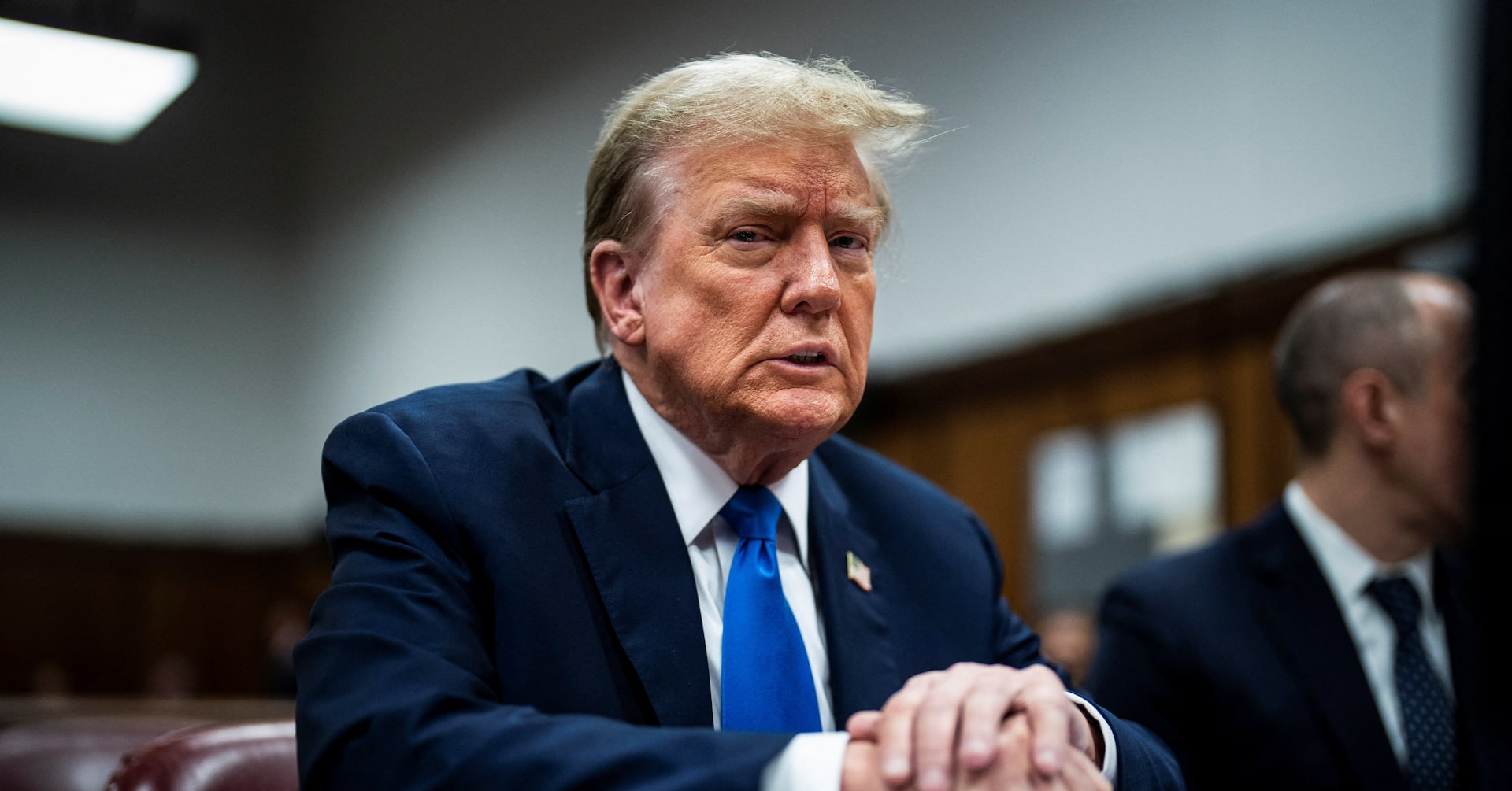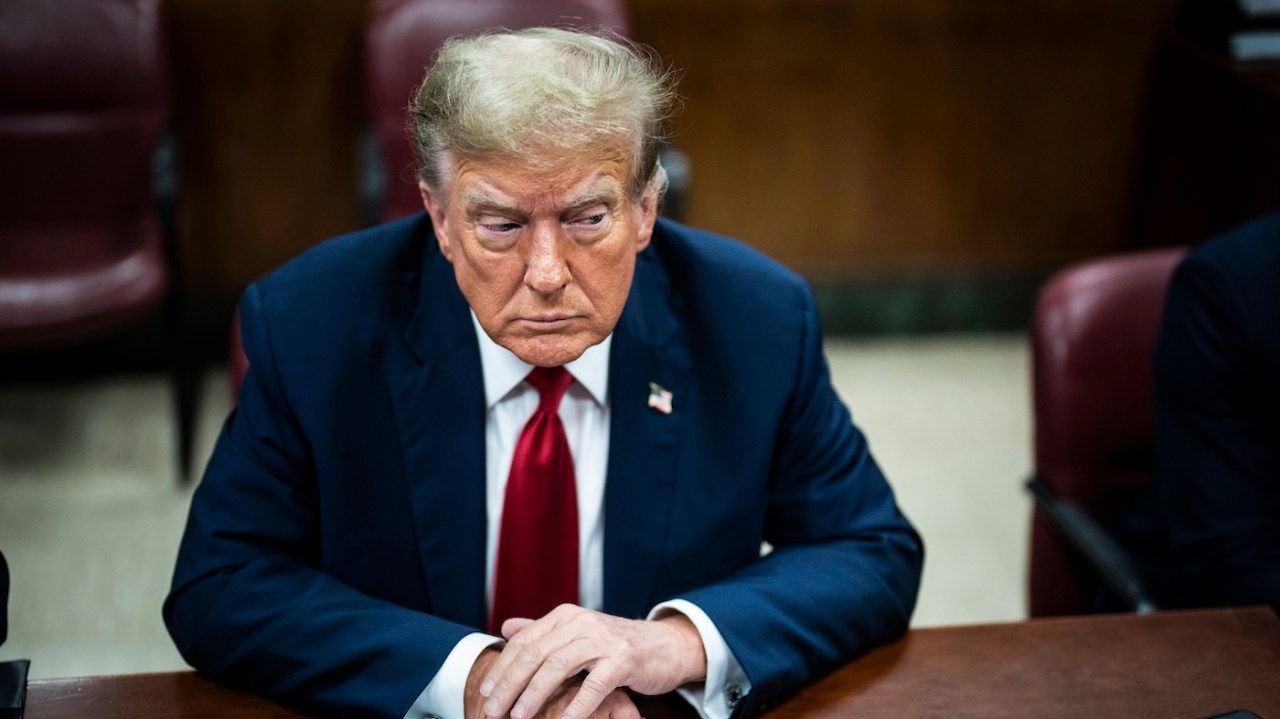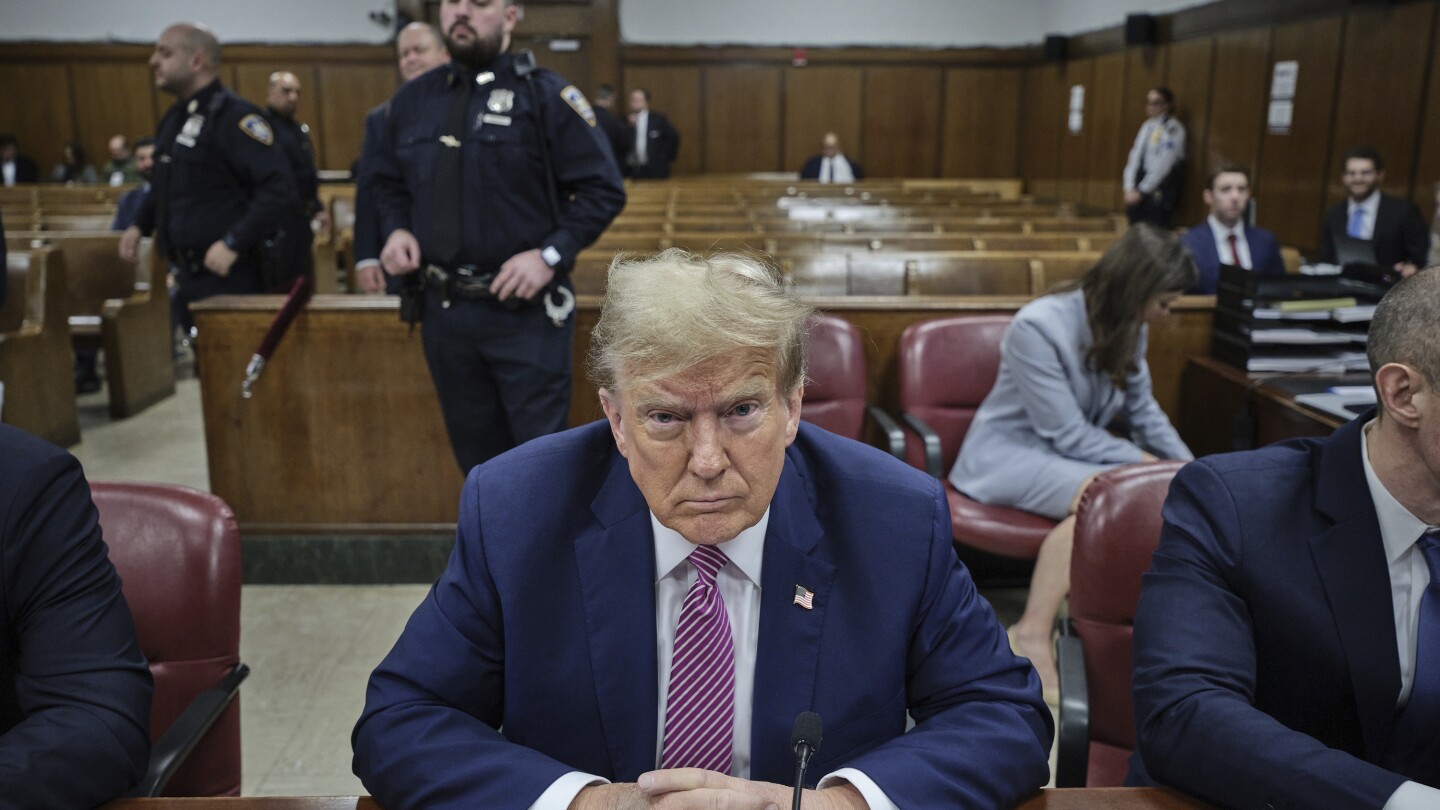
A full jury has been seated for the hush money case against former President Donald Trump, with opening statements set for Monday despite his unsuccessful bid to delay the trial. The trial, which alleges a scheme to cover up negative stories during the 2016 presidential campaign, has become a focal point in Trump's political narrative, with both sides using it to their advantage. Trump faces 34 felony counts and could potentially be sentenced to prison if convicted, but it's uncertain whether any conviction would lead to incarceration.
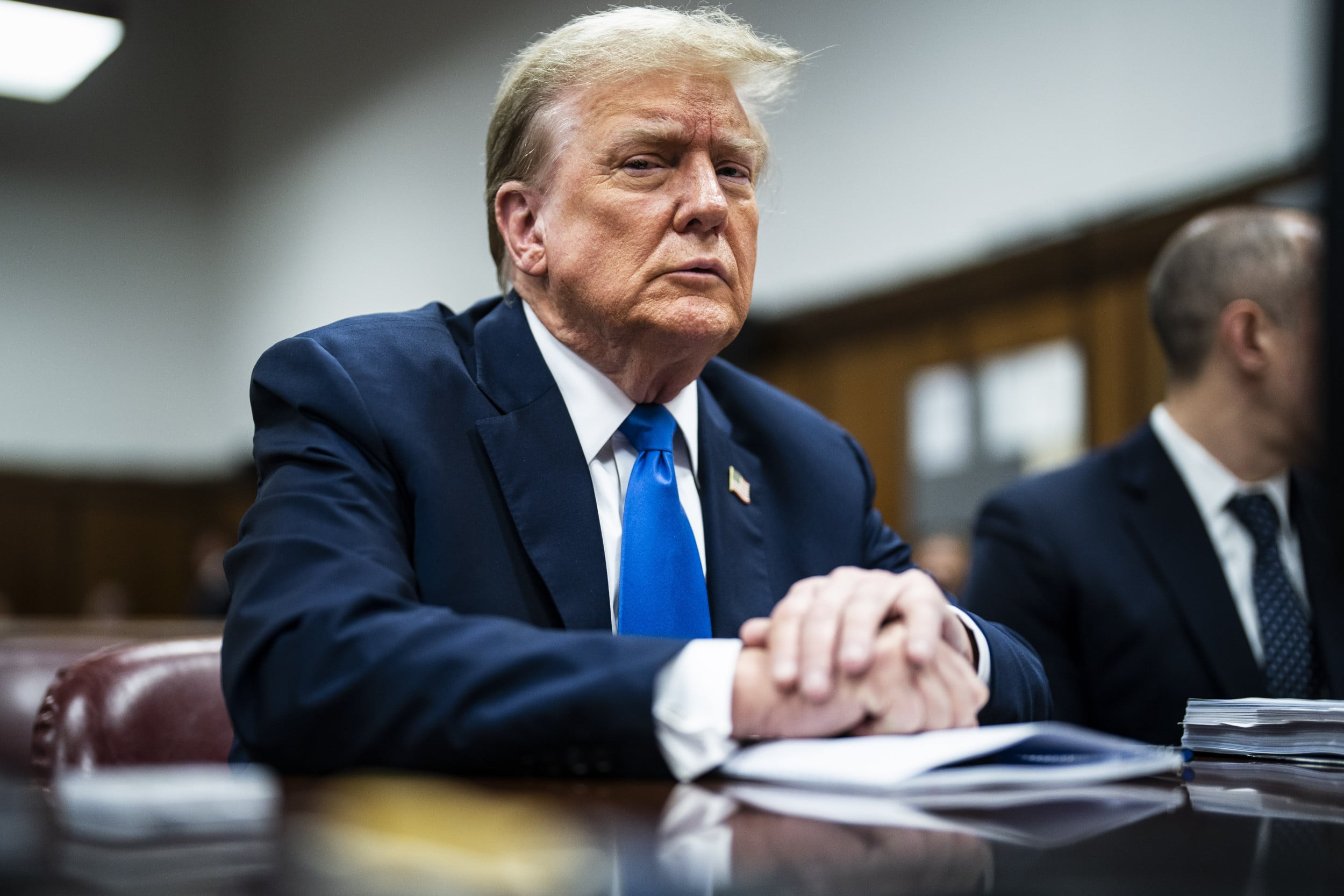
Mary Trump warns of "disturbing" interference by media outlets, particularly Fox News, in Donald Trump's hush money trial, citing instances of jury intimidation and unethical behavior. Jury selection is ongoing in the criminal case against Trump, who has been indicted on 34 counts of falsifying business records related to hush money payments made to Stormy Daniels. Mary Trump criticizes Fox News for potentially creating an atmosphere of fear among jurors and calls for the judge to take action.
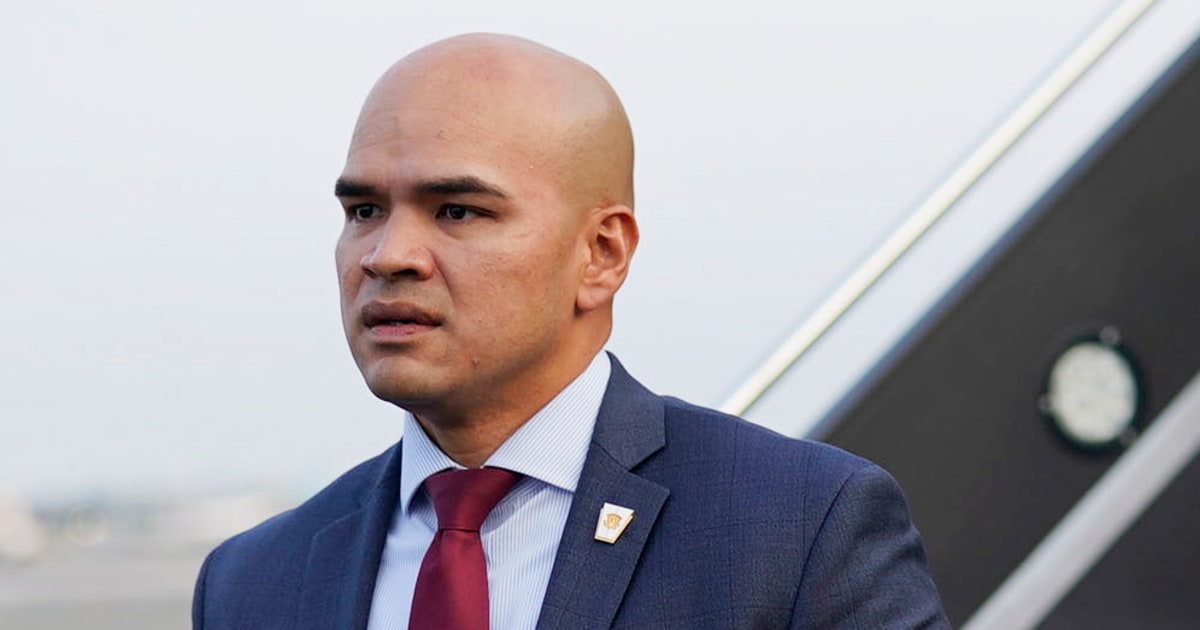
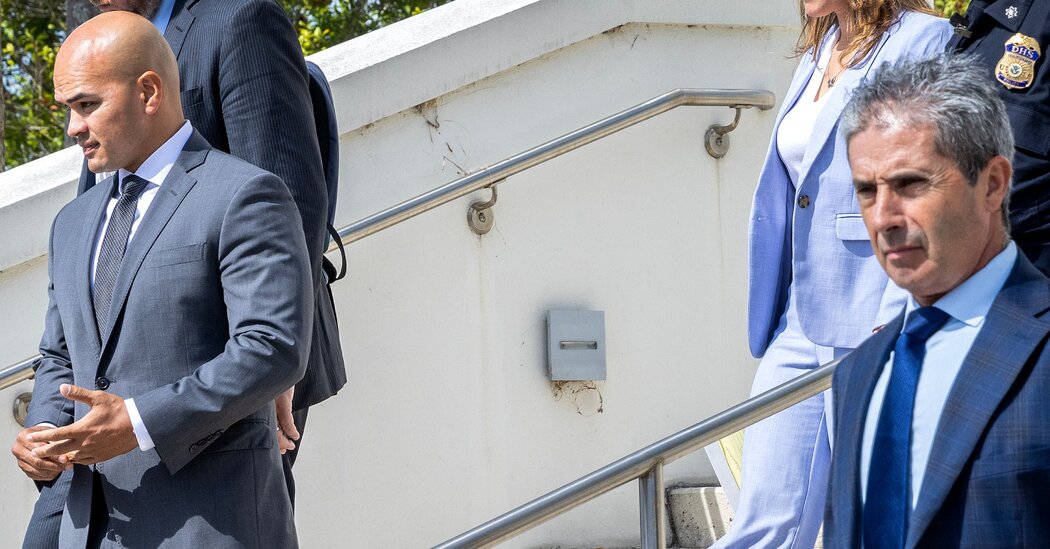
U.S. District Judge Aileen Cannon denied motions to dismiss charges against two of former President Donald Trump's co-defendants in the classified documents case, stating that the charging document satisfies the minimum pleading standards and that the indictment's allegations provide enough basis to deny the dismissal requests. The co-defendants, Trump aide Walt Nauta and Mar-a-Lago property manager Carlos De Oliveira, face charges including conspiracy to obstruct justice and making false statements, and have pleaded not guilty.
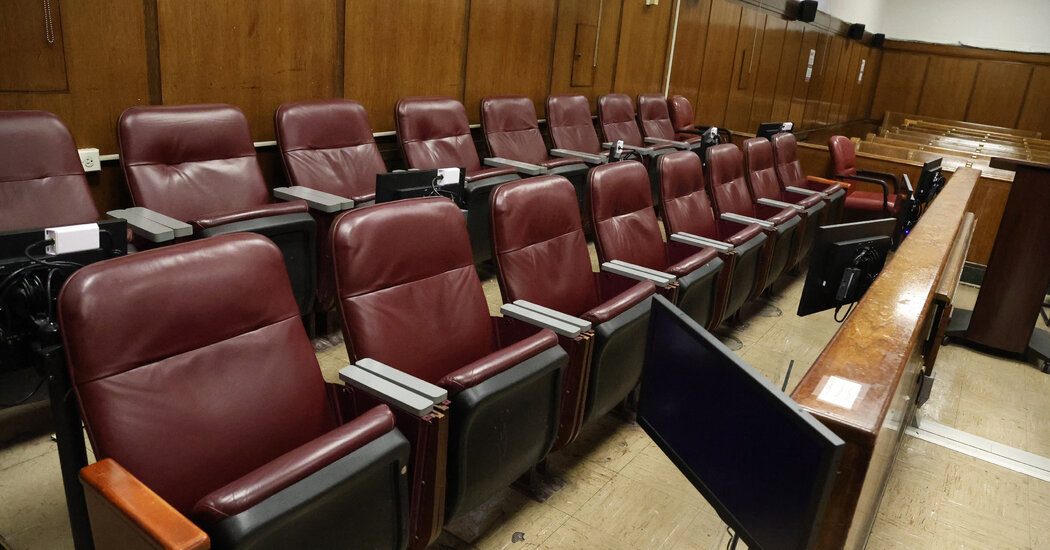
A jury of 12 citizens has been selected in a Manhattan court to judge former President Donald J. Trump, who faces accusations of falsifying records to cover up a sex scandal. If convicted, Trump could face up to four years in prison while also seeking to reclaim the White House as the presumptive Republican nominee. The jury selection marks a historic moment, as it is the first time in American history that a former president is being judged by a jury, highlighting the intersection of politics and the justice system.
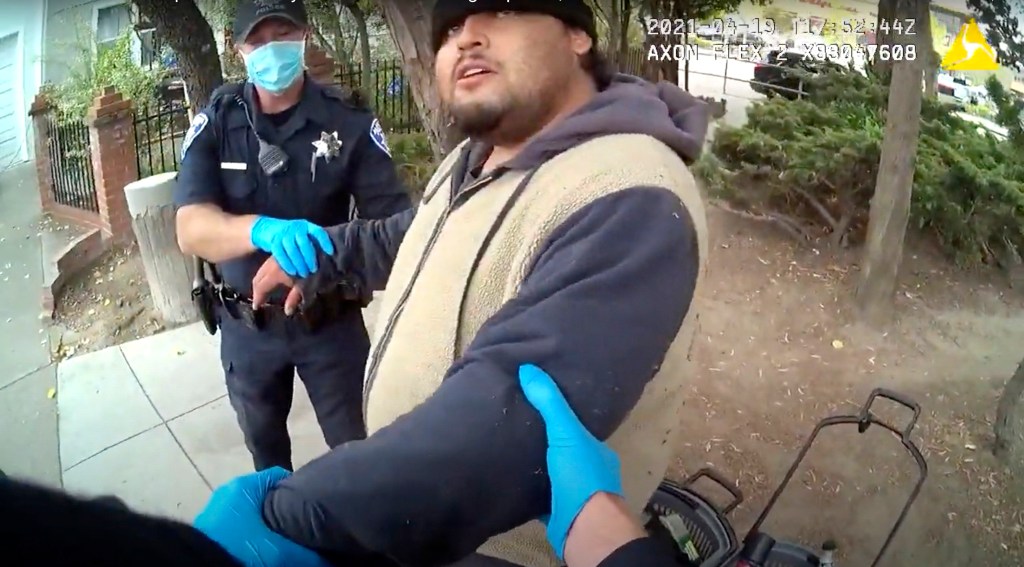
Alameda County DA Pamela Price filed involuntary manslaughter charges against three Alameda police officers involved in the death of Mario Gonzalez, who stopped breathing while being pinned to the ground. This marks a reversal from the previous finding that cleared the officers of any criminal wrongdoing. The officers were charged almost three years after Gonzalez's death, with their attorneys criticizing the timing and framing the charges as politically motivated. The decision to file criminal charges was praised by Gonzalez's family attorneys, who emphasized the importance of holding officers to the same standards as the people they police.
Judge Aileen M. Cannon denied dismissal motions by Walt Nauta and Carlos De Oliveira, co-defendants of former President Donald J. Trump, in the classified documents case. The men are accused of conspiring with Trump to hide classified materials and destroying security camera footage of the boxes being moved. Their lawyers argued that the men were unaware of the contents of the boxes and needed more evidence details, while also raising a claim that the obstruction statute was unconstitutionally vague.
Twelve Manhattan jurors have been selected for the first criminal trial of a U.S. president, with their identities kept confidential. Their backgrounds and views were revealed during three days of jury selection, with details including their professions, neighborhoods, news sources, and opinions on former President Donald J. Trump. The jurors' diverse backgrounds and perspectives will play a crucial role in deciding the outcome of the trial.
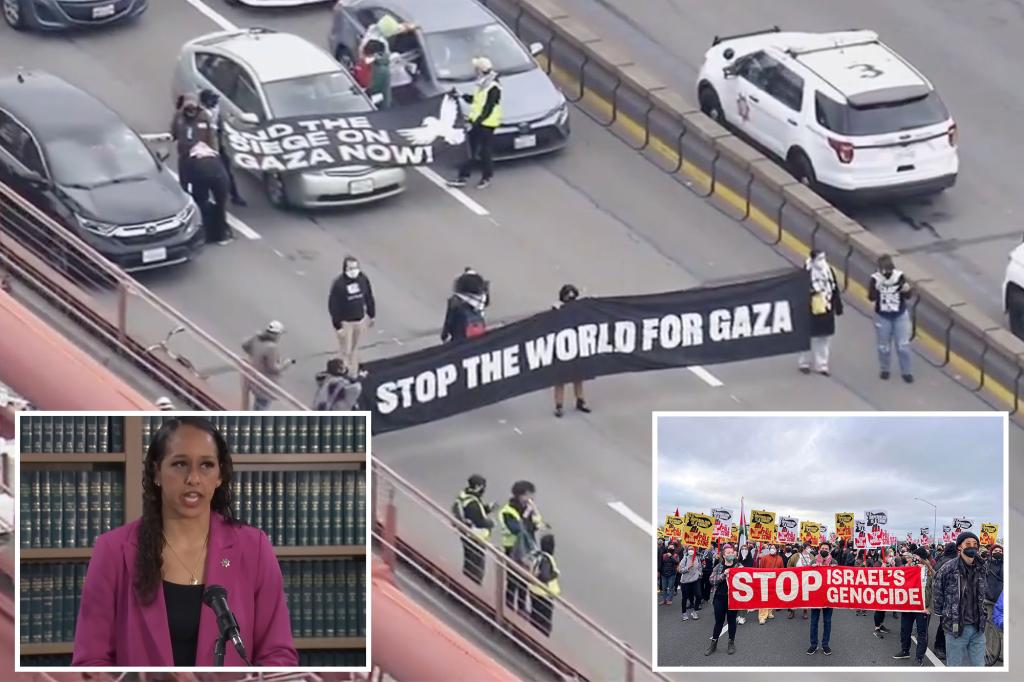
More than two dozen anti-Israel protesters who blocked traffic on the Golden Gate Bridge were released without charges due to lack of evidence, prompting the district attorney to urge affected drivers to contact the California Highway Patrol. The case has been sent back for further investigation into possible false imprisonment charges, as protesters chained themselves to cars and barrels filled with concrete. The protesters were part of a global campaign called the A15 Economic Blockade, aiming to push for a ceasefire in Gaza.
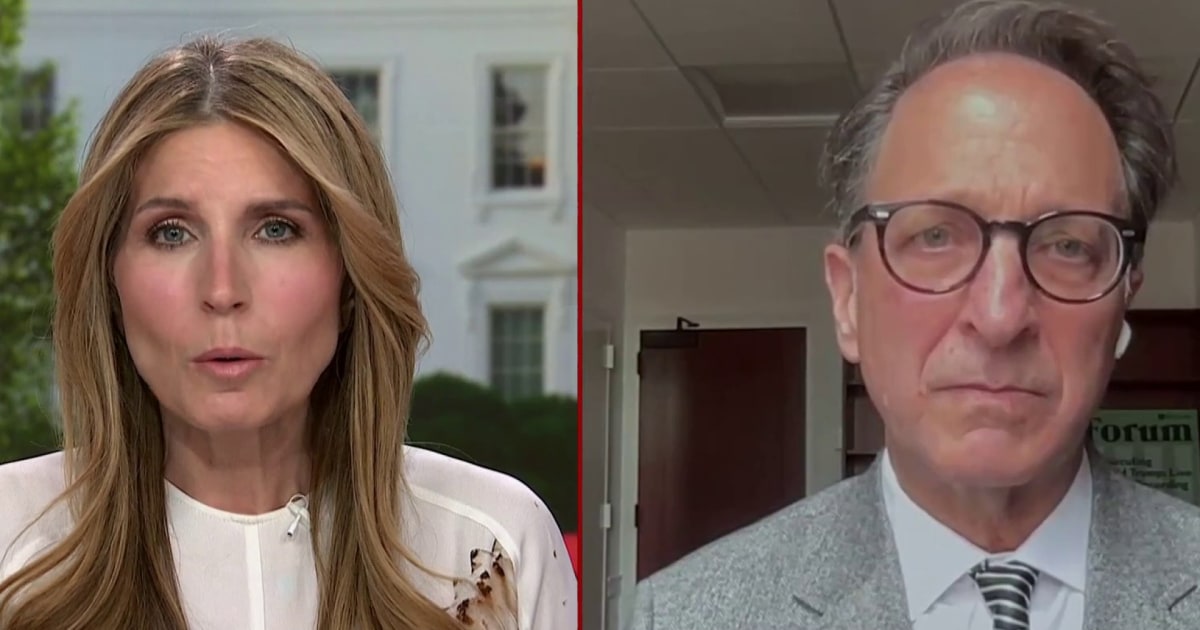
Former prosecutor Andrew Weissmann suggests that former President Trump may face jail time for violating gag orders in the Hush Money trial, as the full jury has been selected and the trial is set to expose lies Trump wanted to hide from voters. Fox News host's actions in describing jurors have been criticized for potentially creating chaos in the trial, while law enforcement testimony reveals Trump's rejection of sending help on January 6. Additionally, Judge Chutkan calls out Trump for referring to January 6 protestors as "hostages."
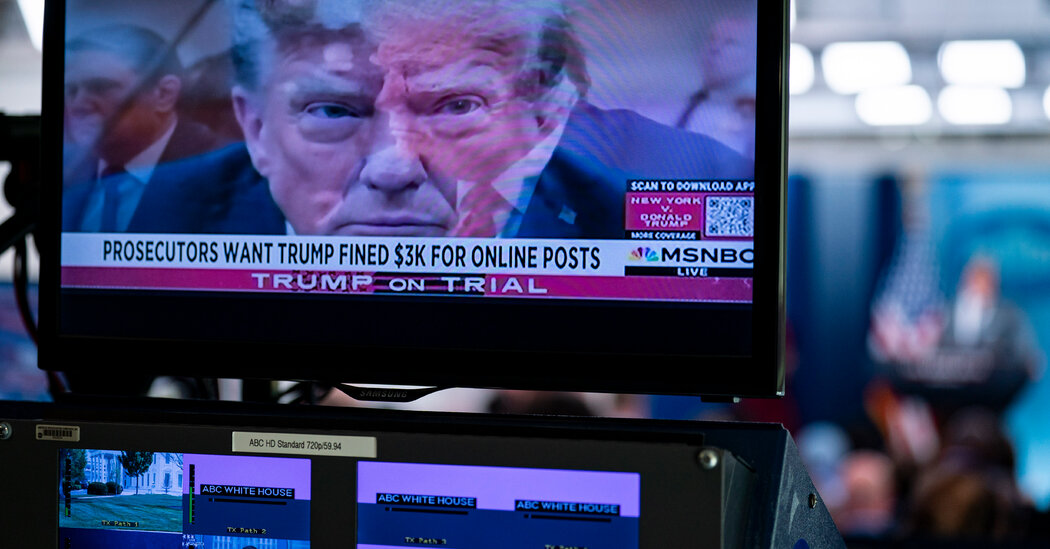
Prosecutors in Donald J. Trump's criminal trial have accused him of violating a gag order seven times by making social media posts attacking witnesses and others involved in the case. The judge will consider the matter next week, as well as previous allegations of gag order violations. Trump's lawyers argue that his comments are political speech, while prosecutors argue that his posts risk inspiring violence or harassment. Earlier this week, prosecutors asked the judge to fine Trump $3,000 for three previous violations of the gag order.
During his Manhattan criminal trial, former President Donald Trump did not stand when potential jurors were introduced, prompting a legal analyst to criticize his "unwise" move as a sign of disrespect for the jury. The jury selection process continued with two jurors being dismissed, and the trial date for a potential gag order violation by Trump is set for April 23.
A Black inmate at a Georgia jail has filed a federal civil lawsuit against three corrections officers, alleging that one of them choked him with a leg restraint and made a racist comment while the others watched. The inmate, Tremar Harris, was in solitary confinement at the Appling County Jail when the incident occurred. The former officer involved has been arrested and charged, and the lawsuit seeks damages against him and the three officers.
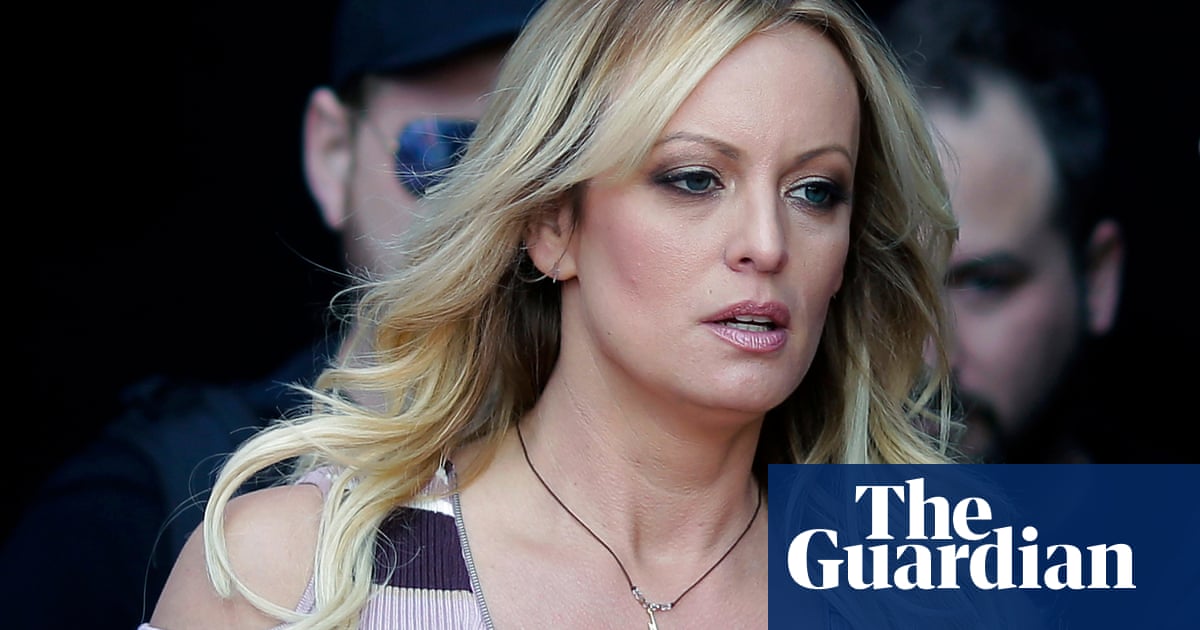
Donald Trump's legal team attempted to serve Stormy Daniels a subpoena related to a documentary about her life and involvement with Trump, but she refused to take it, leading to a legal battle. Daniels is expected to be a witness in Trump's criminal trial, where he faces charges related to a hush-money case and falsifying business records. The Manhattan district attorney's office plans to challenge Trump's credibility if he chooses to testify, citing recent legal setbacks. Trump's lawyers are opposed to this and are seeking potentially damaging information about Daniels, but the judge has blocked previous attempts, calling them a "fishing expedition".
A juror was excused from Donald Trump's hush money trial in New York after feeling intimidated due to aspects of her identity being made public, leaving six jurors remaining. The trial, which involves 34 felony counts of falsifying business records, has faced extraordinary pressures, including Trump's criticism of witnesses and court officials, leading to a partial gag order. Jury selection continues as lawyers seek fair jurors in heavily Democratic Manhattan, with the trial potentially impacting Trump's upcoming election rematch with President Joe Biden. If convicted, a Reuters/Ipsos poll suggests that a significant portion of voters may not support Trump.
Manhattan District Attorney Alvin Bragg is preparing to bring in a lineup of witnesses, including former White House aides, Trump Organization employees, and individuals allegedly paid hush money on behalf of former President Trump, in an effort to convince a New York jury that Trump criminally covered up hush money payments during his 2016 campaign. The potential trial witnesses include Michael Cohen, Stormy Daniels, Karen McDougal, David Pecker, Dylan Howard, Hope Hicks, and several Trump Organization employees and lawyers.