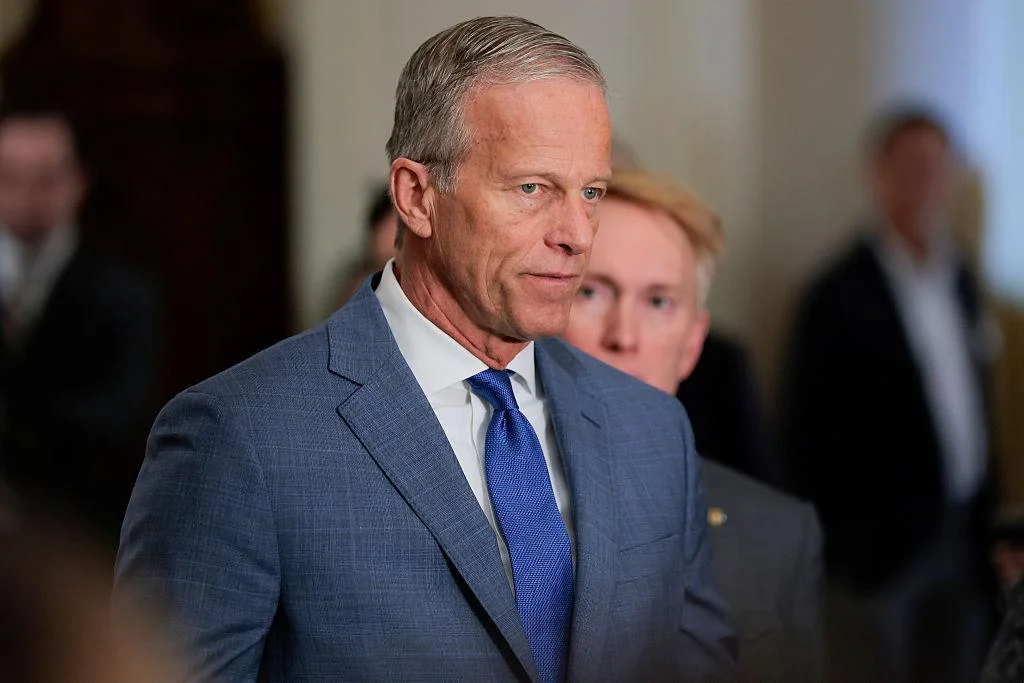
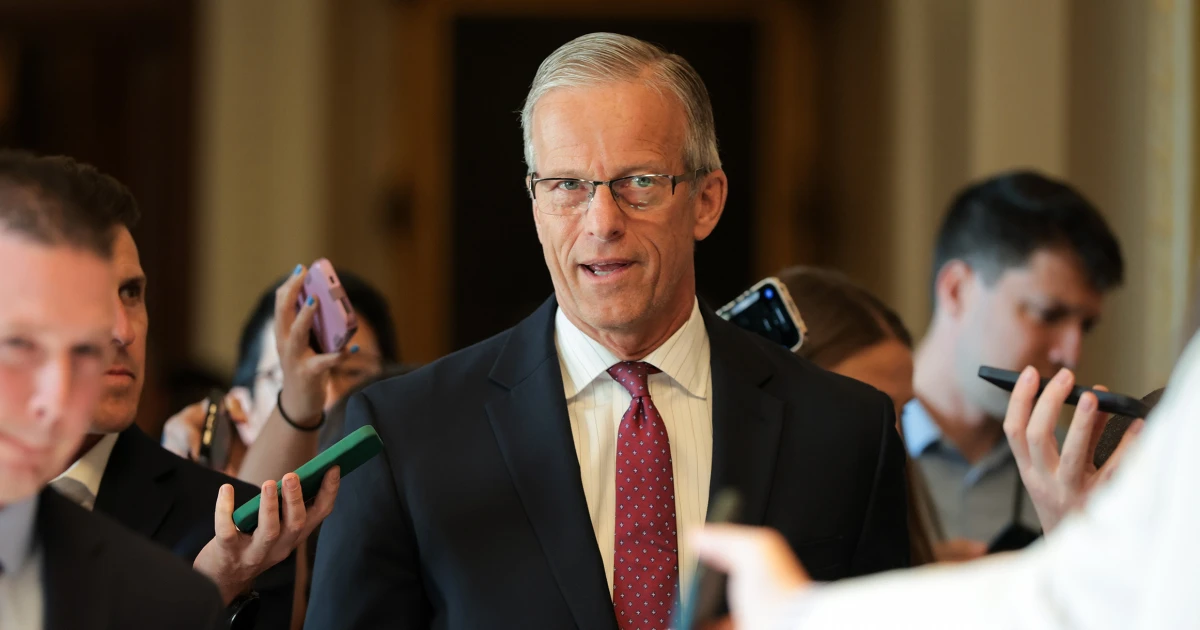
Thune publicly declares there’s no viable path to pass the SAVE America Act via a talking filibuster as GOP unity frays; with several co-sponsors opposed and pressure from MAGA influencers and Trump, the bill’s fate looks unlikely amid intra-party divisions and wary cross-party prospects.
The House voted 264-133 to reject the Senate-passed ROTOR Act, stalling a bipartisan air-safety measure and highlighting a split within Republicans over aviation policy. House leaders and key chairs opposed the ROTOR Act, pushing their own ALERT Act alternative, while victims’ families and the NTSB supported ROTOR; the Pentagon had reversed course on ROTOR due to budget and security concerns. With ROTOR defeated, a House markup of the rival ALERT Act is anticipated, and cross‑chamber talks on aviation safety and related funding and policy issues continue in a fractious political environment.
Democrats are leveraging the controversy over Jeffrey Epstein's files to attack Republicans, accusing them of protecting the wealthy and covering up misconduct, while shifting focus from their usual issues like healthcare and economic policies. This strategy aims to exploit GOP divisions and rally public support ahead of midterm elections.
House Republicans are rushing to pass President Trump's major domestic policy package amid divisions within the GOP and weather-related delays, with a crucial vote expected but facing opposition from over a dozen members and potential last-minute changes that could delay the process beyond the July 4 deadline.
Senate Republicans are struggling to unify on a comprehensive bill amid disagreements over Medicaid cuts, clean energy funding, and SALT deductions, with President Trump urging swift passage before July 4, as party factions and key issues threaten to derail the legislation.
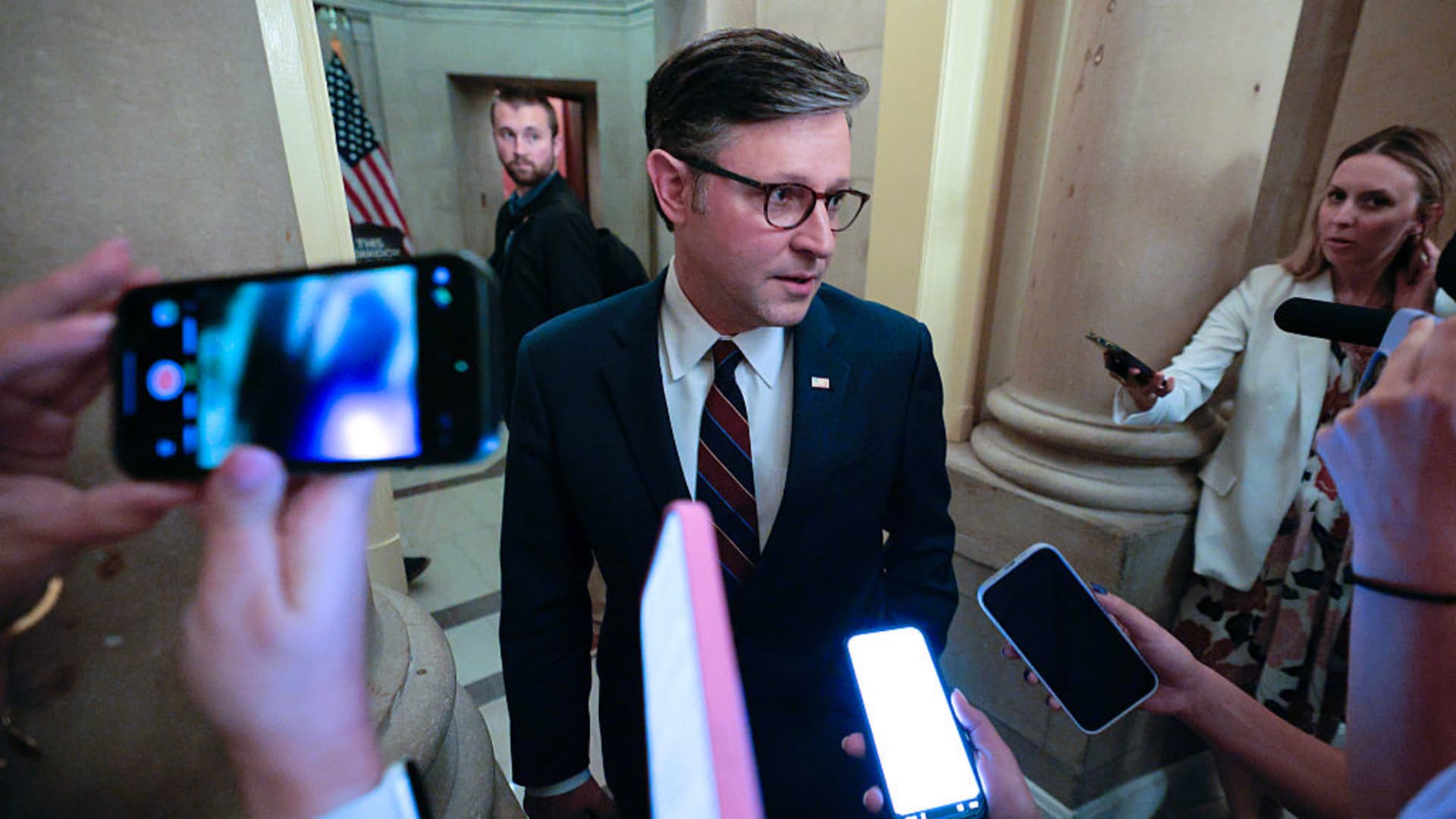
House Speaker Mike Johnson plans to introduce four separate bills to address foreign aid funding, including aid to Israel and Ukraine, following months of delay due to GOP divisions. The move comes after Iran's attack on Israel over the weekend increased pressure on Congress to act. The proposal drew early signs of support from some members, but Johnson faces the threat of a move to oust him as speaker from Rep. Marjorie Taylor Greene if he brings up a vote on aid to Ukraine alone, which she vehemently opposes.
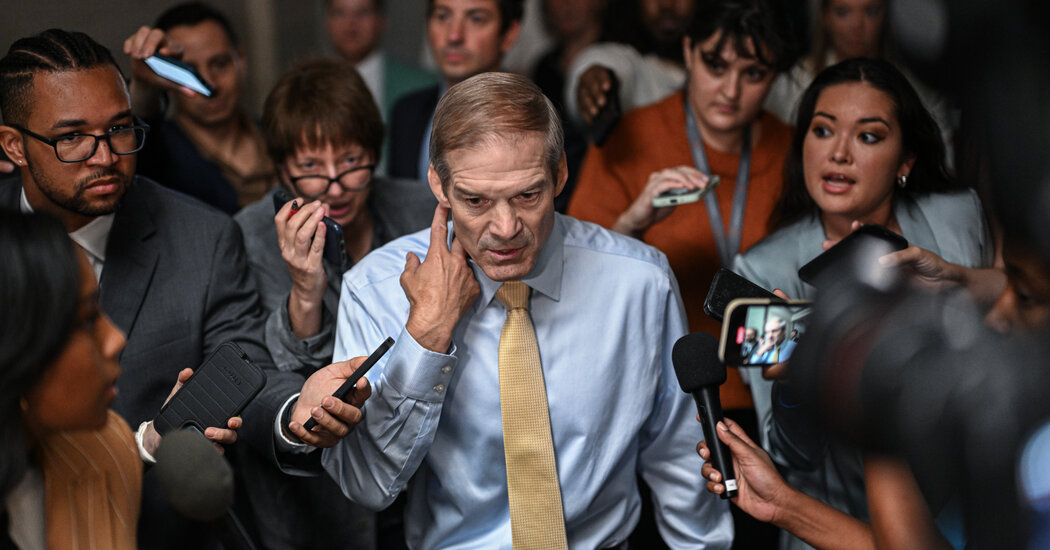
Representative Jim Jordan and his allies have launched a right-wing pressure campaign against Republicans who oppose his bid for Speaker of the House, mobilizing the party's base voters to pressure lawmakers into supporting him. Despite winning his party's nomination, Jordan is still far from the 217 votes needed to secure the position. His supporters have taken to social media and encouraged followers to flood the Capitol switchboard with calls demanding support for Jordan, threatening right-wing retribution against holdouts. This internal Republican fighting highlights the divisions within the party and the chaos it has caused in the House of Representatives.
Representative Austin Scott of Georgia, a mainstream conservative and ally of former Speaker Kevin McCarthy, has emerged as a challenger to Representative Jim Jordan of Ohio in the Republican party feud over selecting a new House speaker. Scott's unexpected entry into the race prolongs the infighting among Republicans, who have been divided since a hard-right faction forced out McCarthy and refused to back the party's chosen successor, Representative Steve Scalise. Jordan, a favorite of former President Donald Trump's, is seeking to unite the party and emerge as a consensus choice, while Scott aims to restore normal operations in Congress. The House Republicans are regrouping after Scalise's withdrawal and are expected to choose a new nominee.