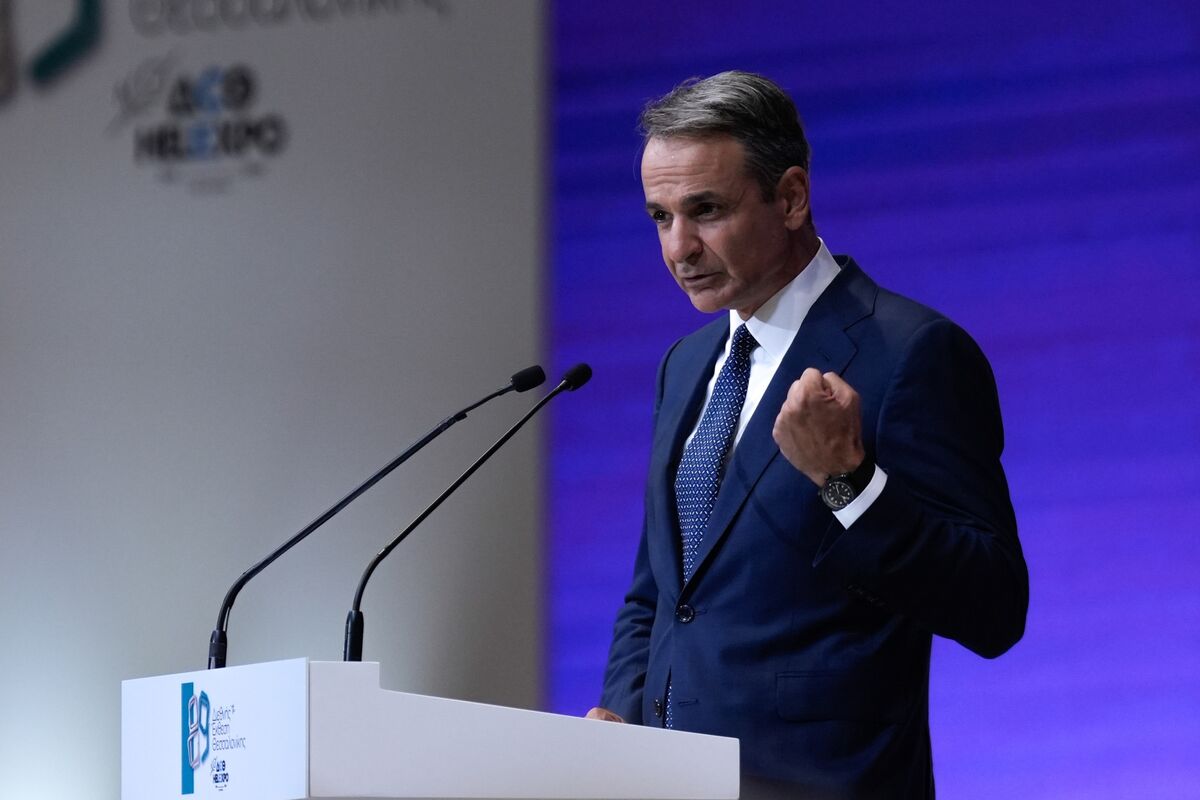
Greek Prime Minister Kyriakos Mitsotakis announced a €1.6 billion tax reform aimed at boosting the middle class, including tax cuts for families with children and benefits for pensioners, funded by Greece's strong budget performance and efforts against tax evasion.
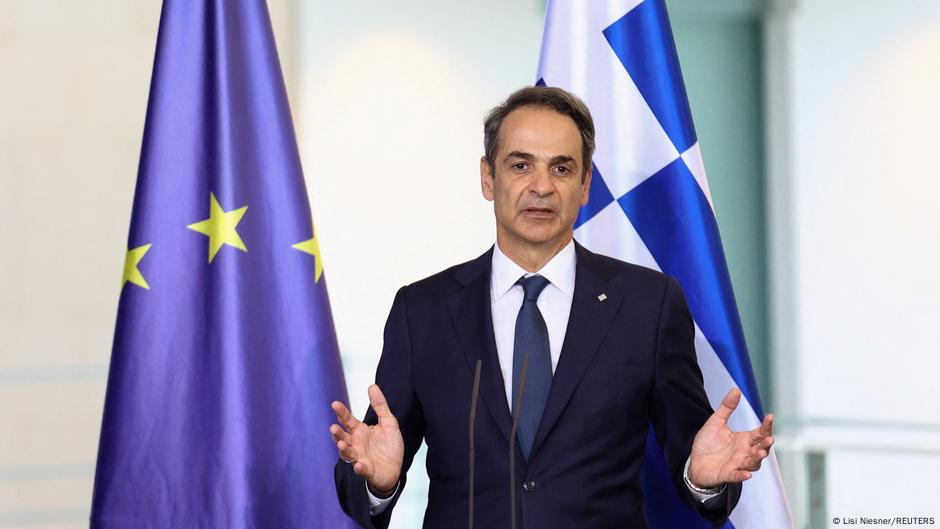
Greek Prime Minister Mitsotakis faces a political crisis over a scandal involving the misuse of EU agricultural subsidies, with investigations revealing a criminal organization linked to government officials, leading to resignations and calls for reform amid public outrage.
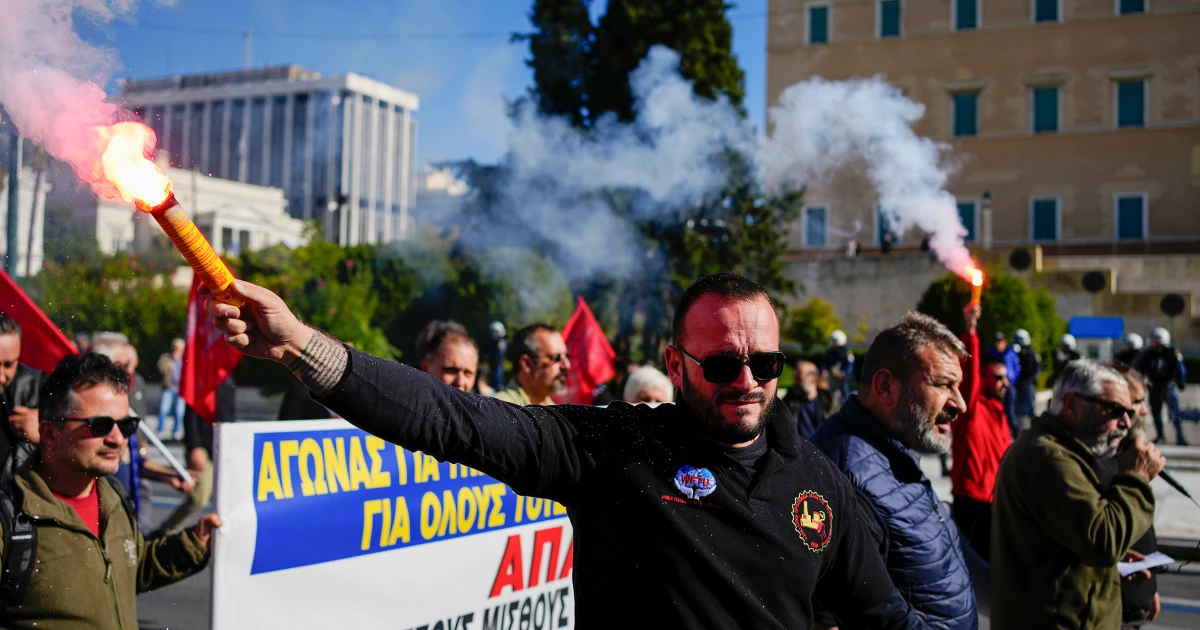
A nationwide strike in Greece disrupted transport and other services as workers demanded higher pay amid rising living costs. Despite economic recovery and wage increases under Prime Minister Kyriakos Mitsotakis, Greeks argue that salaries remain insufficient against escalating energy, food, and housing expenses. The strike, led by the GSEE union, calls for substantial pay rises and government action against oligopolies. The protest coincides with the government's submission of its 2025 budget, projecting economic growth and increased tax revenues.
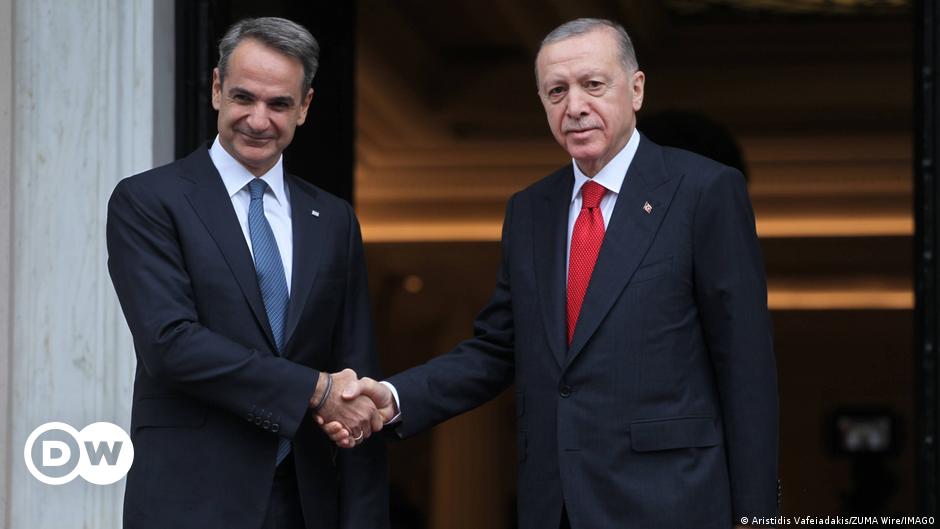
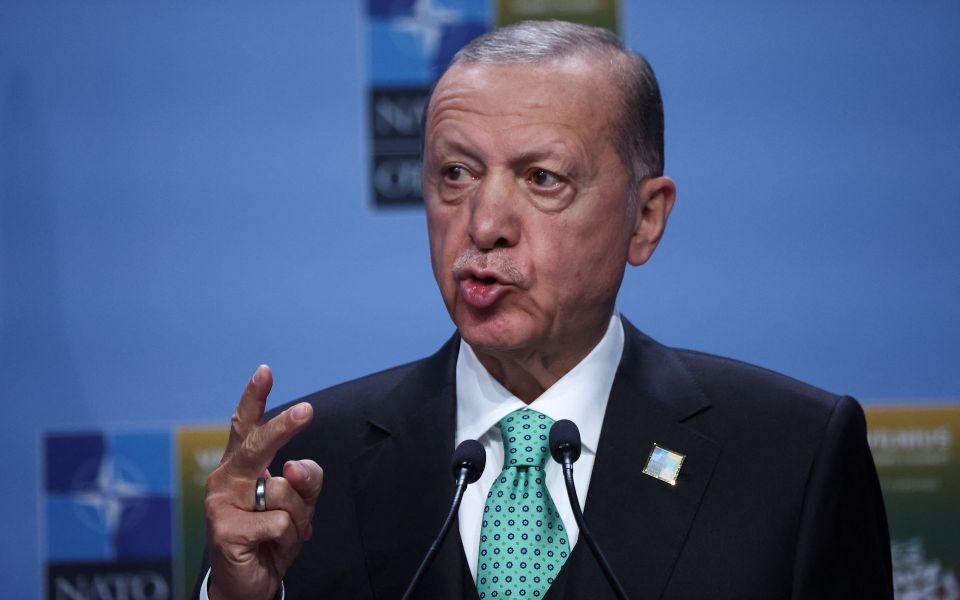
Turkish President Recep Tayyip Erdogan made his first official visit to Athens since 2017, signaling a "new era" in relations between Turkey and Greece. The leaders signed a declaration on "Friendly Relations and Good Neighbourliness" and discussed various issues, including territorial disputes, migration, and trade. They expressed a commitment to turning the Aegean into a sea of peace and signed multiple agreements on energy, education, agriculture, sports, technology, and tourism. Both leaders emphasized the importance of working together for the benefit of their peoples and the wider region.
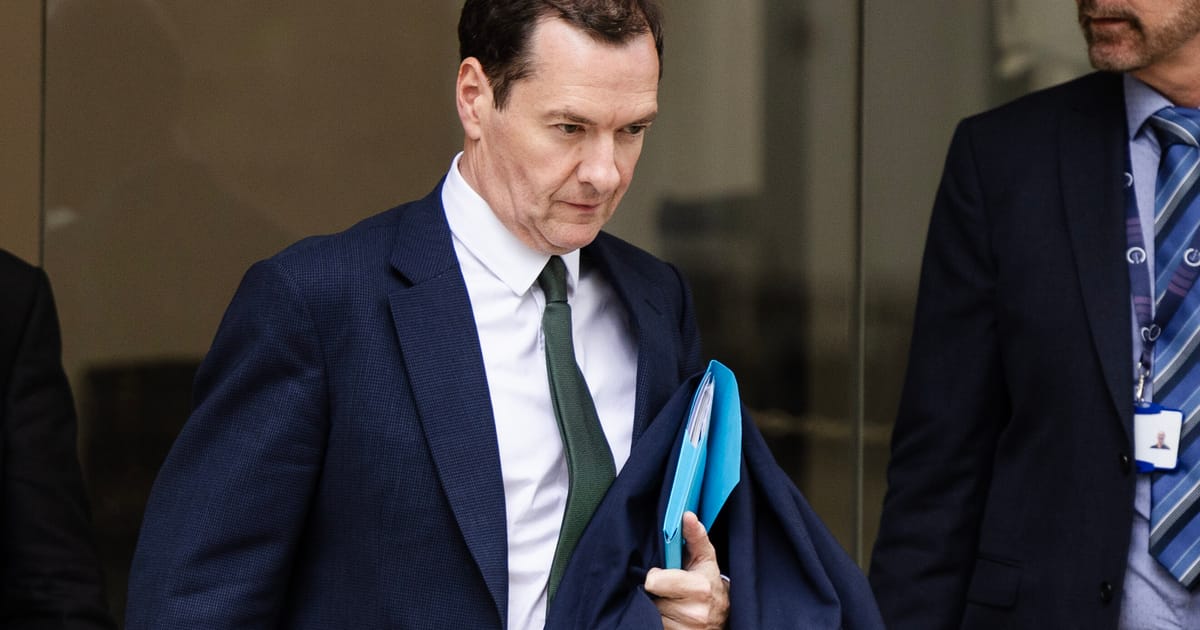
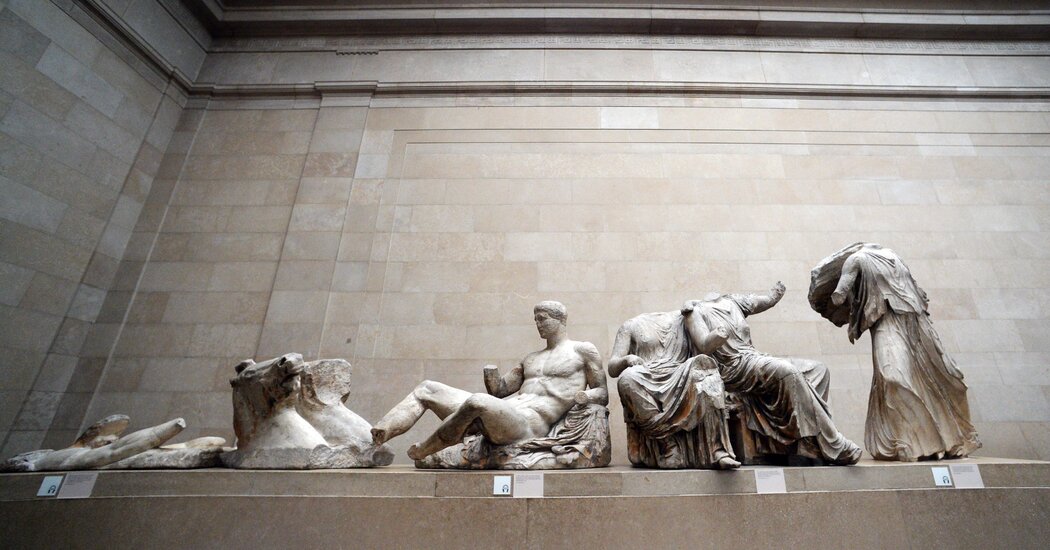
Former Conservative chancellor and current British Museum chair, George Osborne, believes that Rishi Sunak's cancellation of a meeting with Greek Prime Minister Kyriakos Mitsotakis, following a public plea for the return of the Elgin Marbles, may have been driven by the Tories' electoral prospects rather than the marbles issue itself. Osborne dismissed the impact of the diplomatic spat on the British Museum's discussions with Greece and expressed support for exploring an agreement where the marbles would spend time in both Athens and London.
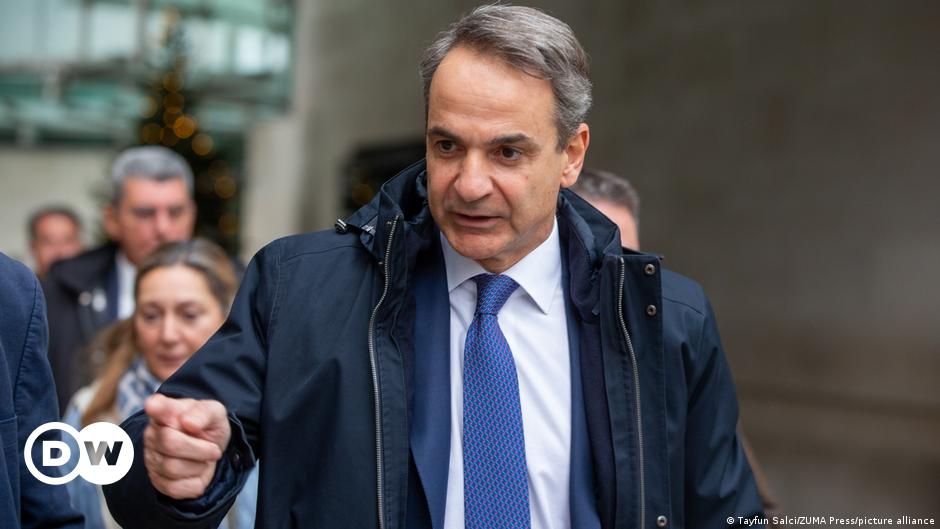
UK Prime Minister Rishi Sunak canceled a meeting with Greek Prime Minister Kyriakos Mitsotakis, leading to a diplomatic dispute between the two countries. Greece accused the UK of avoiding discussions on the contested Parthenon Marbles, which Greece has long demanded to be returned from the British Museum. Mitsotakis expressed his displeasure at the cancellation and declined an alternative meeting with British Deputy Prime Minister Oliver Dowden. The Parthenon Marbles, taken by British diplomat Lord Elgin in the 19th century, have been displayed in the British Museum for over 200 years.
British Prime Minister Rishi Sunak canceled a meeting with Greek Prime Minister Kyriakos Mitsotakis after Mitsotakis called for the return of the Parthenon marbles, also known as the Elgin Marbles, to Athens. Sunak has repeatedly stated that he would not change British law to allow the sculptures to leave the British Museum permanently. The cancellation comes at a time when Sunak is dealing with a stagnant economy and a rift in his Conservative Party over immigration policy. Greece's foreign minister called the disagreement over the sculptures' future an illegitimate reason to cancel a high-level meeting.
Turkish President Erdogan claims that the "problems of Western Thrace" were the main issue he discussed with Greek Prime Minister Mitsotakis at the NATO summit. Erdogan wants to address the appointment of muftis for the Muslim minority in Thrace, with Turkey advocating for their election by the minority community. Both leaders plan to hold meetings and take necessary steps to resolve the issue. Mitsotakis, following the meeting, announced a bold agenda to improve Greek-Turkish relations, aiming to bring the bilateral dispute over the delimitation of the continental shelf and exclusive economic zone to the International Court of Justice.
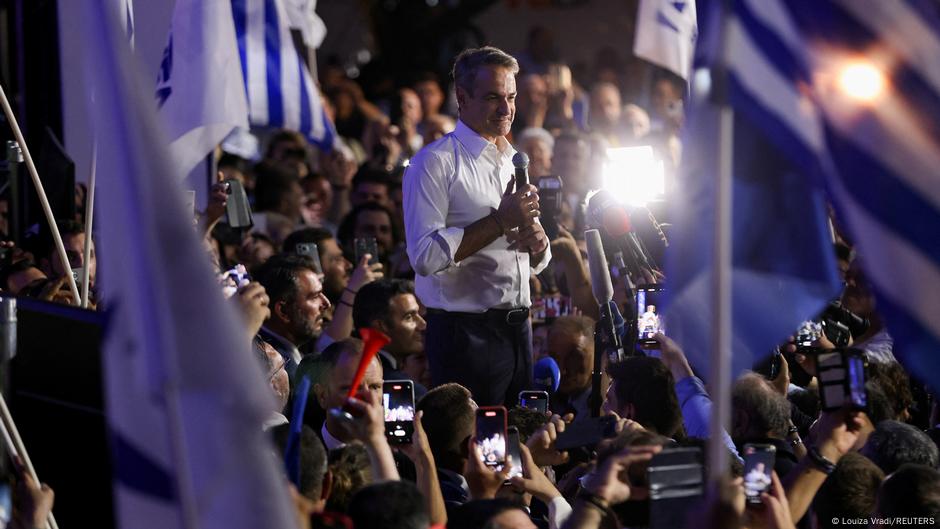
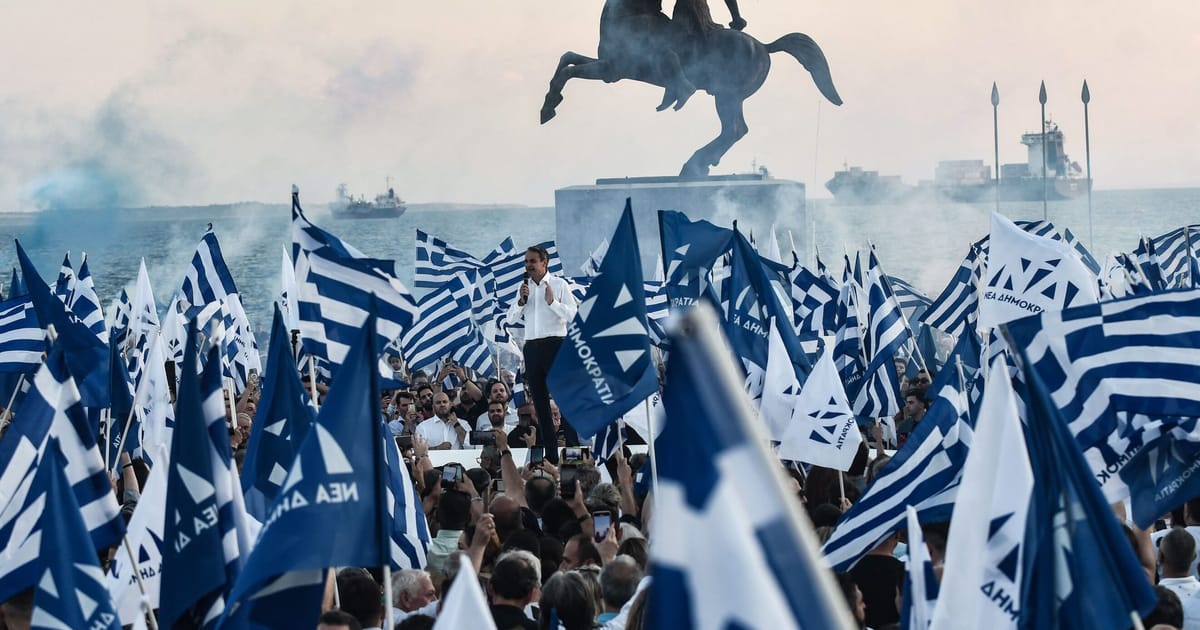
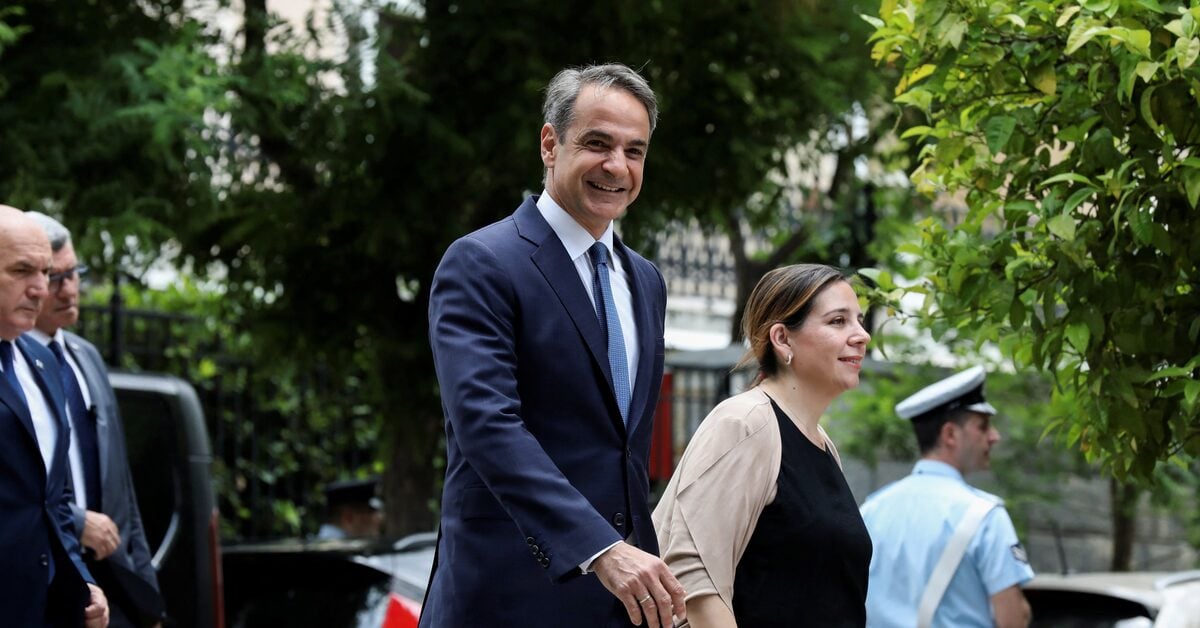
Kyriakos Mitsotakis has been sworn in as Greece's prime minister for a second term after his conservative New Democracy party won a landslide victory in the country's elections. Mitsotakis has pledged to accelerate institutional and economic reforms, including investing in the public health system and improving railway safety. However, the election also saw the return of the far-right to parliament, with three small nationalist parties gaining nearly 13% of the vote. Mitsotakis is expected to unveil his new cabinet in the coming days.
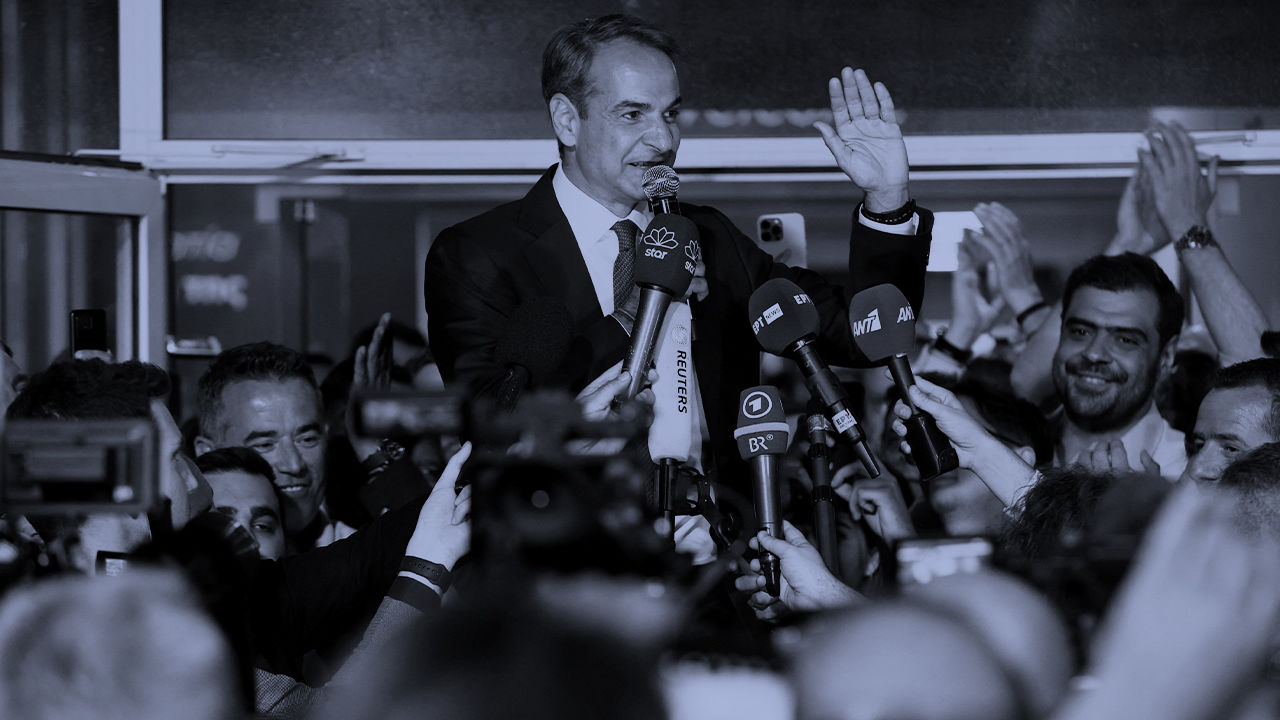
Greece's conservative New Democracy party, led by Prime Minister Kyriakos Mitsotakis, has won a resounding victory in Sunday's parliamentary election, securing around 40.5% of the vote and a safe majority of around 157 seats in parliament. The Coalition of the Radical Left (Syriza) gained around 18% of the vote, while the center-left Panhellenic Socialist Movement (PASOK) received almost 13% of the vote. The election was called to break a political deadlock caused by an election last month, and Mitsotakis' party chose to call for another vote rather than seeking to set up a coalition government.
Kyriakos Mitsotakis and his New Democracy party are set to return to power in Greece after winning a majority in the parliamentary elections. Mitsotakis campaigned on a platform of economic growth and job creation, promising to lower taxes and attract foreign investment. The election results mark a significant shift away from the previous left-wing government and could signal a new era of economic reform in Greece.
Greece's conservative party, New Democracy, is set to win Sunday's elections with a comfortable majority, strengthening leader Kyriakos Mitsotakis' power to advance investor-friendly reforms. The opposition parties on the left will be less able to hold the government to account, and the socialist Pasok party may challenge Syriza's status as the main opposition. Mitsotakis plans to slice back the bloated public sector, reform the health and education sectors, and attract investment. Greece is expected to regain investment grade status, but it still struggles with a massive bureaucracy and chronic tax evasion. Fringe parties from the far right and far left may enter parliament, posing a threat to democracy.
Greek President Katerina Sakellaropoulou appointed Judge Ioannis Sarmas as a caretaker prime minister to prepare the country for new elections after the three main party leaders rejected a mandate to form a coalition government following Sunday's inconclusive vote. Prime Minister Kyriakos Mitsotakis turned down the mandate and said he would seek a second vote on June 25 to secure an outright majority. The repeat election will happen on June 25 if there are no constitutional issues.
Although Kyriakos Mitsotakis’ party fell short of a majority in parliament, the incumbent prime minister did much better than expected in Greece's recent elections. America’s clean energy investments are spurring green lobbyists to action, and simple nets may protect Ukrainians from drones.
Greek Prime Minister Kyriakos Mitsotakis declined to seek a coalition following this weekend's inconclusive election, paving the way for a second vote in June that he hopes his conservative party will win outright. It would take place under a system of semi-proportional representation, with a sliding scale seat bonus, increasing the chances of an outright win for Mitsotakis's party. All parties are eligible to run again. Markets surged on the prospects of a New Democracy victory in the second vote.