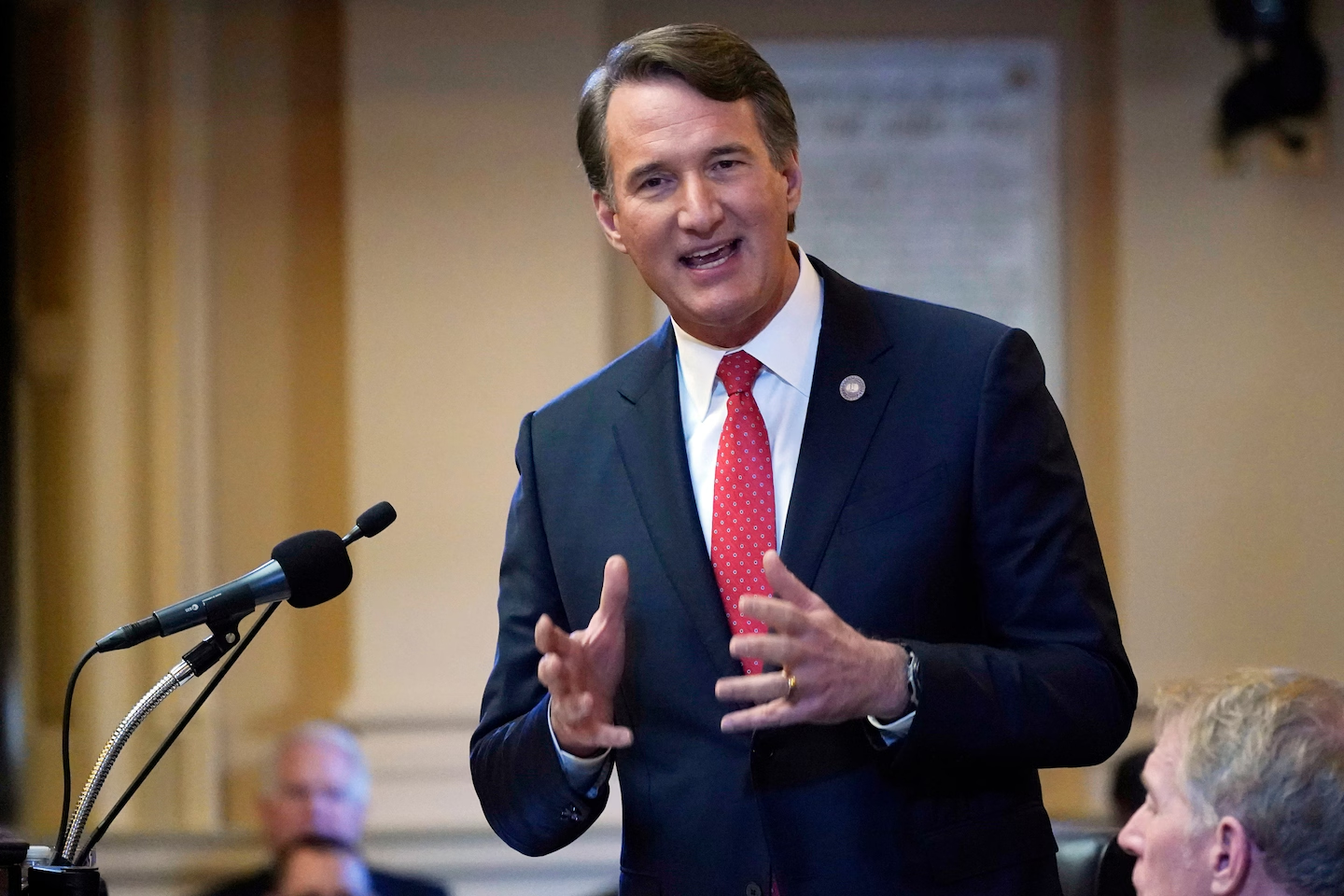
Virginia Governor Glenn Youngkin recounted how his family was rescued from severe flooding in Texas, where over 100 people died, and highlighted Virginia's support efforts, including deploying rescue teams to aid recovery.
Virginia Governor Glenn Youngkin announced that the state will abandon California's vehicle emissions standards by the end of the year, citing an opinion from Attorney General Jason Miyares. Youngkin argues that Virginians should have the freedom to choose their vehicles without government mandates. The decision has been criticized by Democrats and environmental groups, who argue that it is illegal and detrimental to public health and environmental benefits. Virginia will revert to federal standards instead.
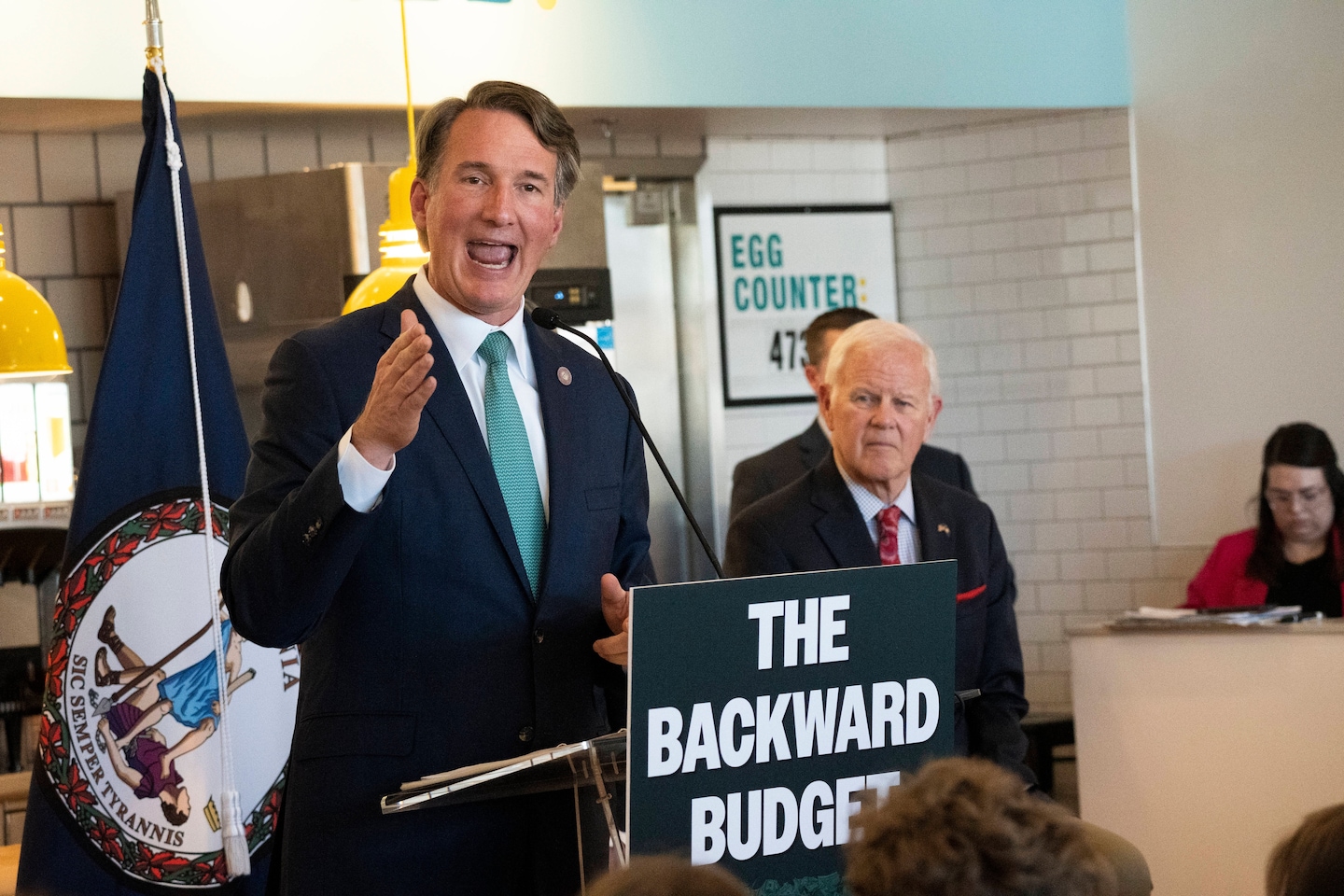
Virginia Governor Glenn Youngkin and state lawmakers have agreed to set aside the current budget plan and work towards a new budget document next month, averting a potential crisis. The bipartisan agreement aims to avoid a showdown over taxes and spending priorities, with plans to reject all of Youngkin's proposed budget amendments and then procedurally kill the underlying document. A special legislative session is expected to be held in mid-May to finalize the budget process well before the June 30 deadline.
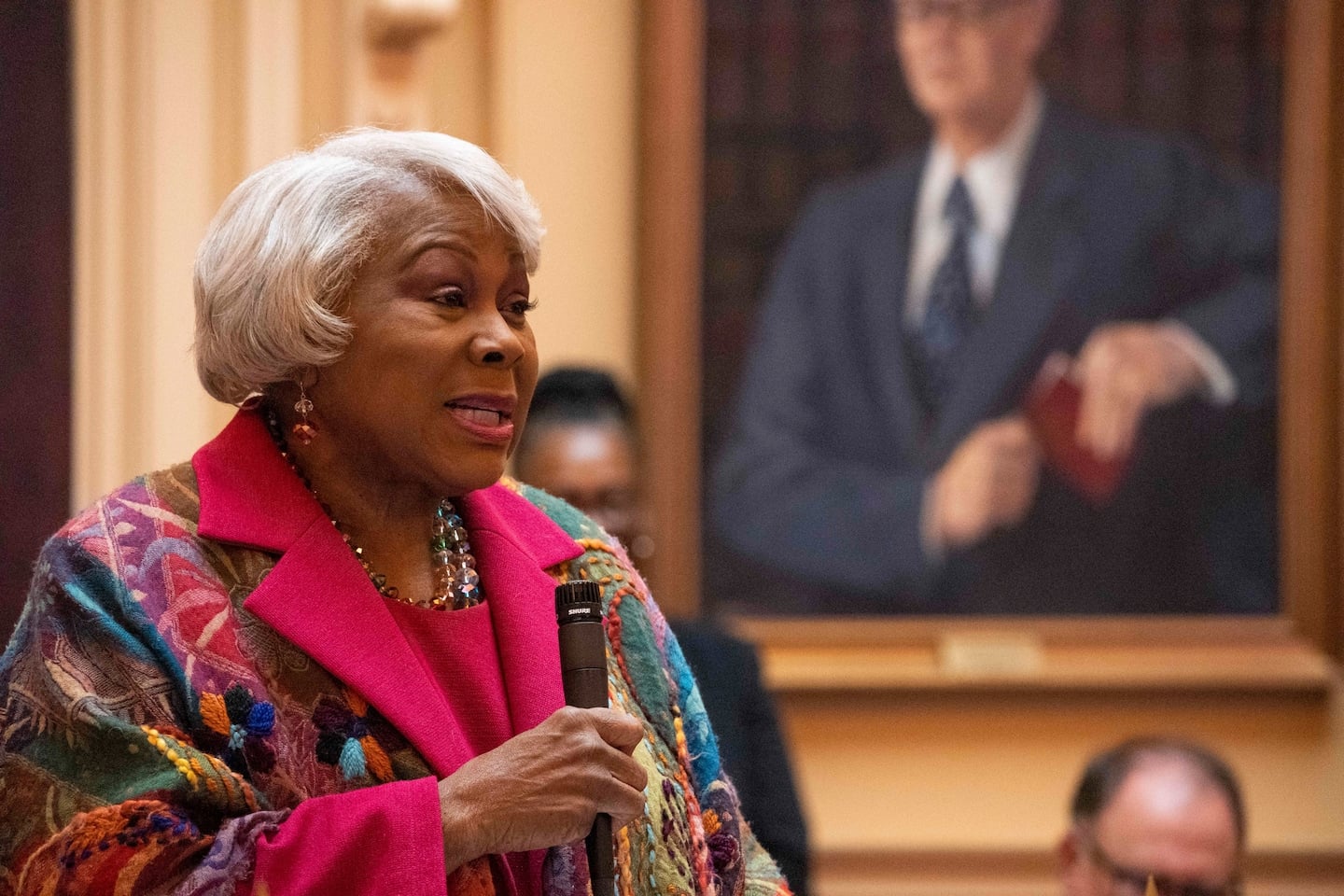
Virginia state Sen. L. Louise Lucas blames Gov. Glenn Youngkin for the failed deal to move the Washington Capitals and Wizards teams to Virginia's Alexandria area, stating that Youngkin mishandled the process and did not engage with the legislature early on. Monumental Sports CEO Ted Leonsis, who owns the teams, expressed disappointment in the deal's failure, citing political motivations. The teams have since reached a $515 million deal to stay in the District until 2050.
Virginia Governor Glenn Youngkin, a former business executive, faced a setback as his plan to bring the Washington Wizards and Capitals to Alexandria failed to gain approval from the General Assembly. Despite some bipartisan accomplishments, such as tax cuts and securing a Lego manufacturing facility, Youngkin's lack of political experience and inability to build support among lawmakers has led to criticism. The failure of the arena deal has raised questions about his political stature and ability to work with Democratic leaders, as he faces challenges in passing a state spending plan and avoiding a government shutdown.
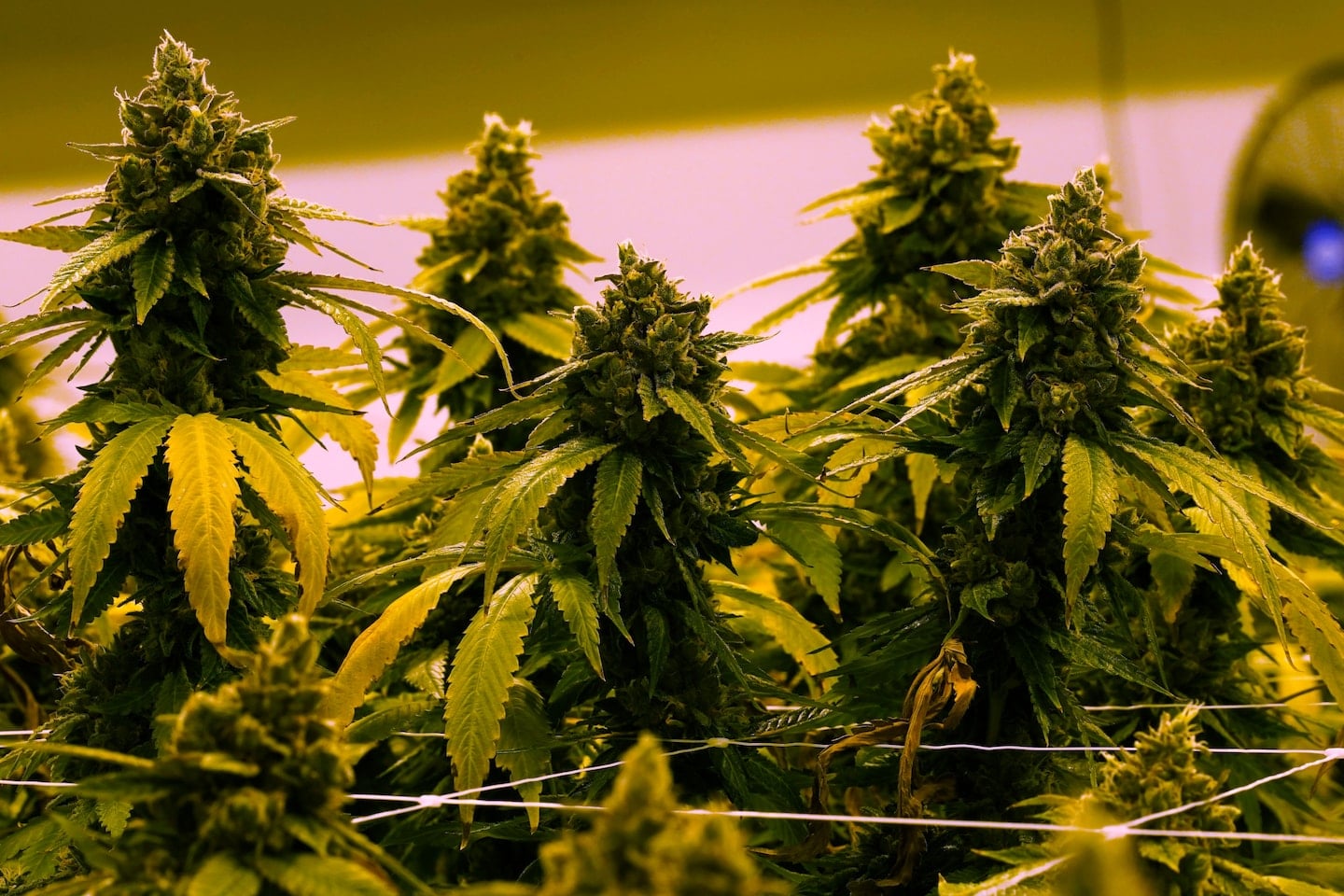
Virginia Governor Glenn Youngkin vetoed a bill that would have established a legal market for recreational marijuana, citing concerns about health and safety. The proposed law aimed to create a state-regulated marketplace for recreational marijuana, but Youngkin argued that it would not eliminate the illegal black-market sale of cannabis or guarantee product safety. This move comes after Youngkin vetoed an assault weapons ban and other gun control bills earlier in the week, emphasizing his commitment to defending the rights of law-abiding Virginians.
Virginia Governor Glenn Youngkin, a Republican, vetoed bills that would have mandated a minimum wage increase and established retail sales of marijuana, citing concerns about health, safety, and economic competitiveness. The vetoed bills were top Democratic legislative priorities, and their rejection drew criticism from Democrats who control the General Assembly. Youngkin also vetoed three other bills, including one related to workers' compensation claims. The part-time General Assembly will meet again in April to consider Youngkin's proposed amendments and potentially attempt to override the vetoes, although any override attempt is likely to fail due to the narrow Democratic control of both chambers.
Virginia Governor Glenn Youngkin, a Republican, has vetoed bills that aimed to establish a state-regulated marketplace for recreational marijuana, citing concerns about the legislation endangering Virginians' health and safety. The veto comes after the governor's opposition to the bills had been carefully avoided while talks about a $2 billion sports arena project were still underway, leading to speculation about their use as bargaining chips. The bills, passed by the Democratic-controlled General Assembly, aimed to set commercial standards and licensing requirements for cannabis retailers in the state.
Virginia Governor Glenn Youngkin has vetoed an assault weapons ban and several other gun-control bills while signing two firearm-related measures into law, including one that bans a device turning a semiautomatic firearm into a machine gun and another that allows a parent or guardian to be charged with a felony for allowing a child deemed a threat to have access to a gun. The actions have sparked mixed reactions, with gun-control advocates expressing disappointment and gun rights groups remaining relatively quiet.
Governor Glenn Youngkin and Virginia lawmakers remain at odds over the state budget and the proposed $2 billion arena in Alexandria, with Senator L. Louise Lucas firmly opposing the project. Youngkin is considering bypassing Lucas's committee to push the arena proposal, but she and Delegate Luke E. Torian believe it lacks majority support in the legislature. The budget impasse could lead to a government shutdown, as Youngkin has not ruled out vetoing the entire budget. The governor's criticism of the budget and his focus on tax cuts have strained negotiations, with Lucas warning that she won't be bullied into compromising on spending plans or other legislation.
Virginia Governor Glenn Youngkin signed a bill banning the consideration of legacy in admissions to public universities, removing the advantage previously enjoyed by applicants with family ties to institutions such as the University of Virginia and William & Mary. This move makes Virginia the second state, after Colorado, to end admission advantages through family connections, and U.S. Sen. Tim Kaine hopes it will become a national movement.
State Sen. L. Louise Lucas's opposition to the $1.5 billion public debt for the proposed Wizards and Capitals arena in Virginia has left the project hanging by a thread, dealing a blow to Gov. Glenn Youngkin's economic development plans. Lucas, chairwoman of the Senate Finance and Appropriations Committee, views the project as a risk to the state's finances and a test of the newly ascendant Black lawmakers' leadership. Despite Youngkin's efforts, the arena is not included in the approved budget, and its failure so far reflects a struggle between the governor's office and legislative leaders.
Virginia Governor Glenn Youngkin vetoed eight bills and made amendments to 12 others as the General Assembly prepared to wrap up its session without including his plan for a $2 billion sports arena. The vetoed bills covered topics such as firearms, book banning, marijuana, voter rolls, surrogacy, railroad safety, and cybersecurity. The General Assembly will have a chance to override the vetoes and amendments when it reconvenes for its “veto session” on April 17.
Virginia lawmakers have completed work on a compromise budget legislation that does not include language enabling the proposed relocation of the NBA’s Washington Wizards and NHL’s Washington Capitals to Alexandria, dealing a blow to Governor Glenn Youngkin’s plan. The governor defended the proposal, emphasizing its job and revenue creation potential, while top lawmakers confirmed that the arena-related provisions had been removed from the legislation. The bill, which lawmakers are expected to take up Saturday, contains raises for teachers and other public employees and important investments in core government services.
Sen. L. Louise Lucas, a top Democratic Virginia lawmaker, has vowed to keep language enabling the proposed relocation of the NBA’s Washington Wizards and NHL’s Washington Capitals to Alexandria out of the state budget, dealing a blow to Republican Gov. Glenn Youngkin’s plan. The $2 billion development district featuring a new arena has faced opposition, with Lucas expressing skepticism about the project's financing. The budget bills are currently in the hands of a conference committee, and the full details of the compromise plan will likely be rolled out soon. If the arena is excluded from the budget, Youngkin has the option to seek amendments to legislation or call a special session.