Tag

Tax Code

All articles tagged with #tax code

politicseconomy1 year ago

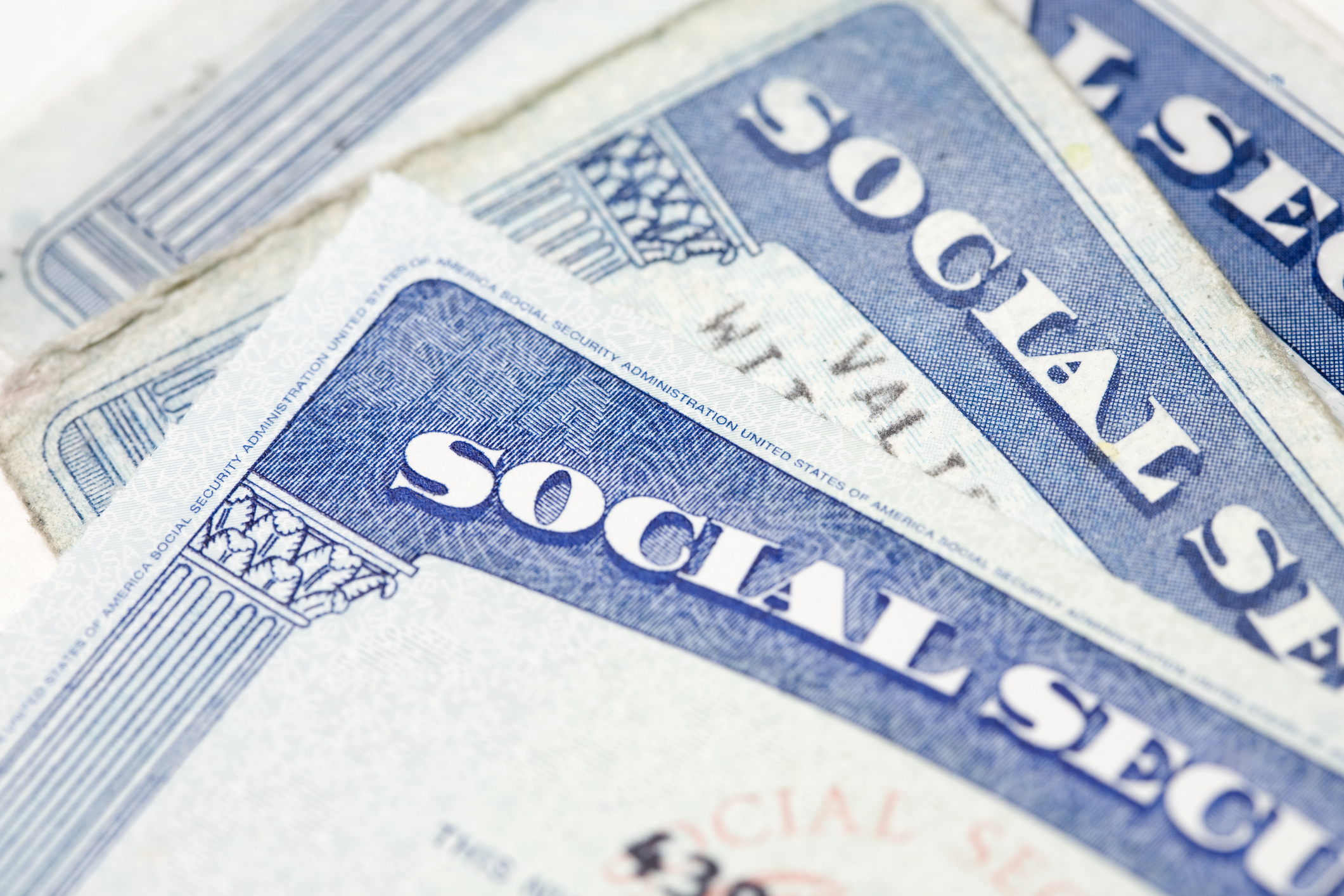
"Biden's Plan to Secure Social Security: What It Means for Your Retirement"

President Joe Biden is committed to strengthening Social Security without cutting benefits or privatizing the program, proposing higher taxes on the wealthy. However, this solution may require significant tax code changes. An alternative proposal, raising the full retirement age (FRA), could help avoid benefit cuts but may force many workers to delay retirement, impacting their financial plans.

politics1 year ago

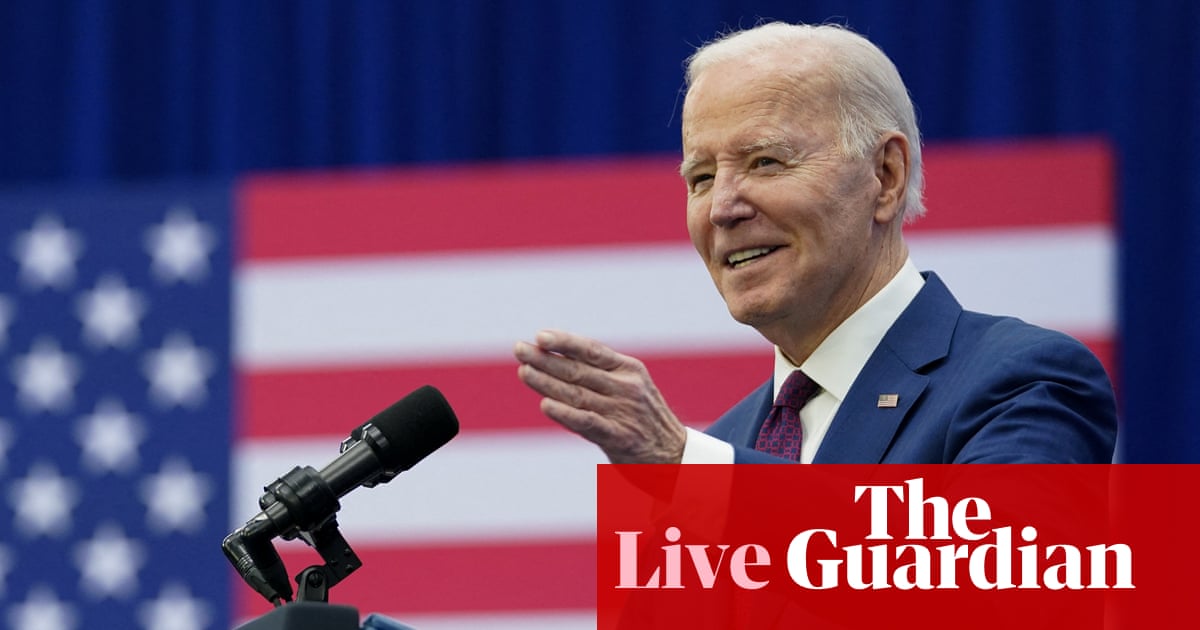
"Biden Pushes for Fair Tax Code and Budget Plan in New Hampshire Visit"

President Joe Biden unveiled a $7.3tn budget proposal, emphasizing tax breaks for families, lower healthcare costs, and higher taxes on the wealthy and corporations. He criticized his predecessor, Donald Trump, for tax cuts and expanding the federal deficit. Meanwhile, Housing and Urban Development Secretary Marcia Fudge announced her resignation, and Donald Trump's lawyers requested a delay in his New York criminal trial. Additionally, Kansas Republicans faced criticism for an event where attendees beat and kicked a martial arts dummy wearing a Joe Biden mask, and E Jean Carroll may sue Trump again over new attacks.

business1 year ago

IRS Intensifies Crackdown on Abusive Corporate Jet Tax Deductions

The Internal Revenue Service (IRS) is set to crack down on corporate jet owners who abuse the tax code by claiming millions of dollars in deductions on airplanes used for personal travel, using new data analytics tools developed with funds from the Inflation Reduction Act of 2022. This initiative comes as the agency faces pressure to demonstrate effective use of its $80 billion in funds and aims to address the estimated $700 billion per year tax gap through increased audits of companies and wealthy individuals.

finance2 years ago

"Why Your Paycheck Could Increase in 2024"

The IRS has announced inflation adjustments to the tax code, resulting in potential increases in paychecks for many Americans in 2024. The adjustments include changes to the standard deduction and individual income brackets, with earning thresholds about 5.4 percent higher. This means that individuals falling into lower tax brackets may see a higher take-home pay. However, getting a raise may also lead to increased taxes due to the progressive nature of the U.S. income tax system.

taxation2 years ago

"California Controller Calls for Tax Code Equity Amid Shohei Ohtani's Contract Controversy"

California Controller Malia M. Cohen is urging Congress to cap deferred payments in high-earning contracts, specifically targeting Shohei Ohtani's $700 million, 10-year deal with the Los Angeles Dodgers. The proposed change aims to prevent Ohtani from potentially avoiding California state income taxes on the deferred amount by living outside the state when he receives the payments. Cohen argues that unlimited deferrals for the wealthiest individuals exacerbate income inequality and hinder fair tax distribution, and she believes introducing limits on deductions and exemptions for high-income earners promotes social responsibility and a more equitable tax system.

sports2 years ago

"California Controller Pushes for Congressional Action on Shohei Ohtani's Deferred Payments"

California Controller Malia M. Cohen is urging Congress to cap deferred payments in the tax code following Shohei Ohtani's record $700 million, 10-year contract with the Los Angeles Dodgers, which includes $680 million in deferred payments due from 2034-43. The change aims to ensure the state receives more tax revenue, as Ohtani could potentially avoid California's high income and payroll taxes if he is not living in the state when he receives the deferred money.

taxation2 years ago

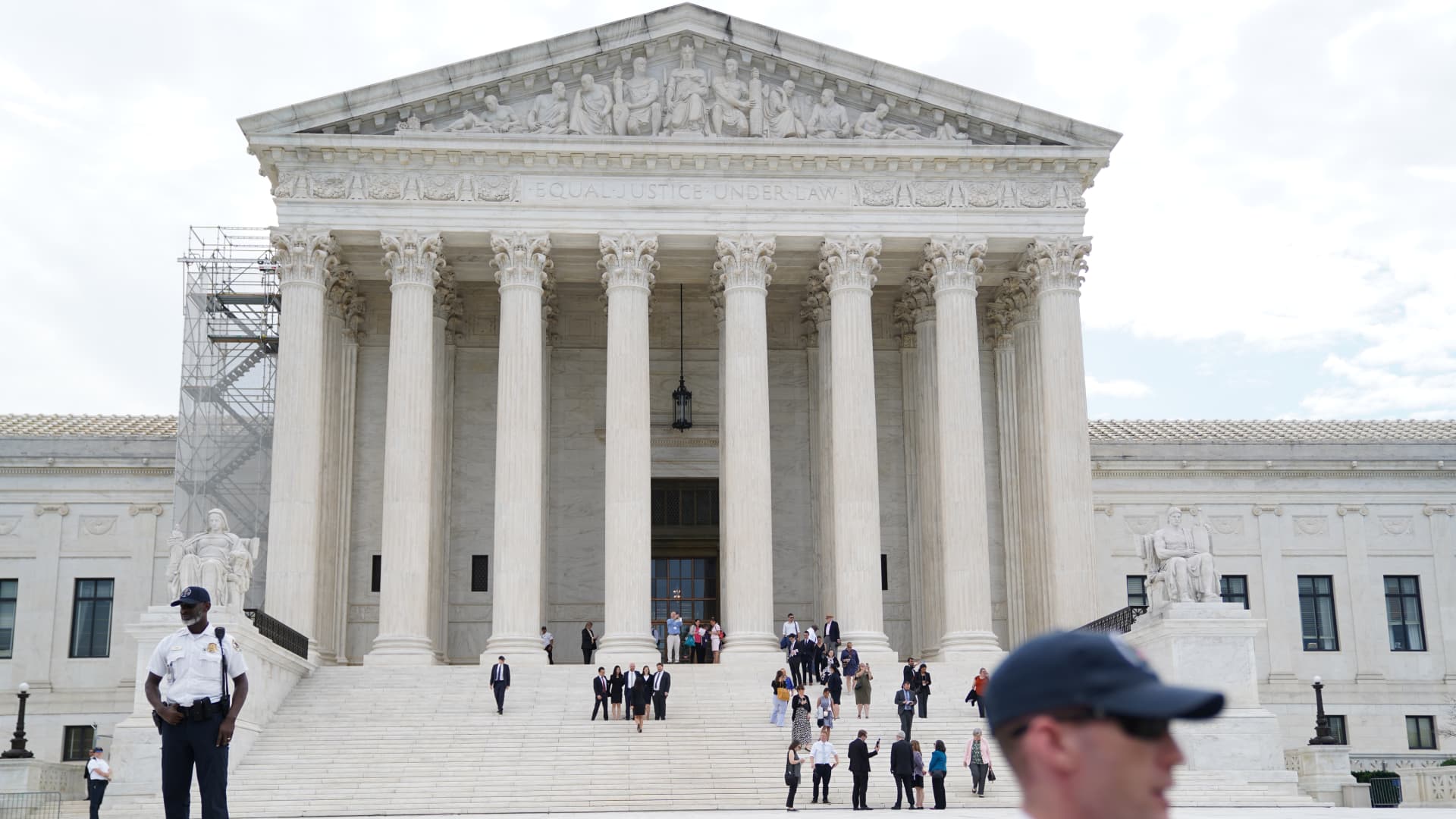
"Supreme Court's Tax Case: Unveiling Fiscal Policy Effects and Surprising News for Billionaires"

The Supreme Court is hearing a case, Moore v. United States, that could have significant implications for the U.S. tax code and federal revenue. The case challenges the definition of income and questions whether individuals must "realize" or receive profits before incurring taxes. If the court rules in favor of the plaintiffs, it could impact the future taxation of pass-through entities and potentially reduce federal revenue by $346 billion over the next decade. The decision is not expected until 2024, leaving uncertainty about the case's scope and implications.

politics2 years ago

Supreme Court's Potential Impact on Taxation and Controversial Cases

The Supreme Court is set to hear a case that could have significant implications for the taxation of the wealthy and potentially hinder President Biden's plans for wealth taxes. The case, Moore vs the United States, challenges a provision in the Tax Cuts and Jobs Act that imposes a one-time transition tax on shareholders of certain foreign corporations. If the court rules in favor of the plaintiffs, it could open the door for challenges to other provisions that tax unrealized or undistributed income, potentially costing the federal government billions in revenue. The outcome of the case could impact the viability of proposed wealth taxes and other tax measures aimed at the wealthy.

politics2 years ago

Supreme Court's Landmark Case Threatens "Wealth Tax" and Tax Code Overhaul

The Supreme Court is set to hear a case that could have significant implications for the U.S. tax system and potentially impact proposals for a wealth tax. The case, Moore v. United States, involves a couple who invested in an India-based company and were later required to pay taxes on their share of the company's reinvested earnings under the mandatory repatriation tax. The couple argues that the tax is a violation of the 16th Amendment as it taxes unrealized gains and not income. The Supreme Court's decision could determine the extent of Congress' power to tax certain types of unrealized gains and potentially disrupt the tax system.

wealth-and-inequality2 years ago

Wealthy heirs surpass self-made entrepreneurs in riches

According to a report by UBS, this year's new billionaires gained more wealth from inheritance than entrepreneurship, marking the first time this discrepancy has been observed in nine years. The study found that 53 new billionaires inherited a total of $150.8 billion, surpassing the $140.7 billion generated by 84 new self-made billionaires. The trend highlights the beginning of the Great Wealth Transfer, with over 1,000 billionaires expected to pass $5.2 trillion to heirs in the next few decades. The slowdown in initial public offerings (IPOs) has limited some entrepreneurs from cashing in on their businesses' value. The US tax code allows the wealthy to preserve their wealth for generations, with tools such as long-lasting trusts and offshore life insurance policies. The report also suggests that heirs prioritize wealth preservation over philanthropy, while first-generation billionaires show a higher inclination towards charitable giving.

legaltaxation2 years ago

Supreme Court Dispute: $15,000 IRS Bill Targets Never-Enacted Billionaire Tax

The Supreme Court is set to hear a case brought by Charles and Kathleen Moore, who argue that a $15,000 tax bill they received is unconstitutional. The case challenges a provision in the 2017 tax bill that imposes a one-time tax on American-owned companies doing business abroad. The Moores, backed by business and conservative interests, claim the provision violates the 16th Amendment. However, public records suggest inconsistencies in their story, including their involvement with the company and undisclosed investments. Experts suspect the case may be aimed at challenging a potential wealth tax on billionaires. The outcome could have broader implications for the tax code and other business formations.

finance2 years ago

Supreme Court Dispute: $15,000 IRS Bill Targets Never-Enacted Billionaire Tax

A Supreme Court case involving a $15,000 tax bill is raising questions about a never-enacted tax on billionaires. Charles and Kathleen Moore claim they had to pay the money due to their investment in an Indian company, but public records suggest inconsistencies in their story. The case, backed by business and conservative interests, challenges a provision of the 2017 tax bill and could have broader implications for the U.S. tax code. Experts suspect the case was manufactured to target the proposed wealth tax on billionaires. The outcome could impact other tax provisions and potentially affect the finances of some Supreme Court justices.

politics2 years ago

IRS Admits Higher Audit Rates for Black Taxpayers

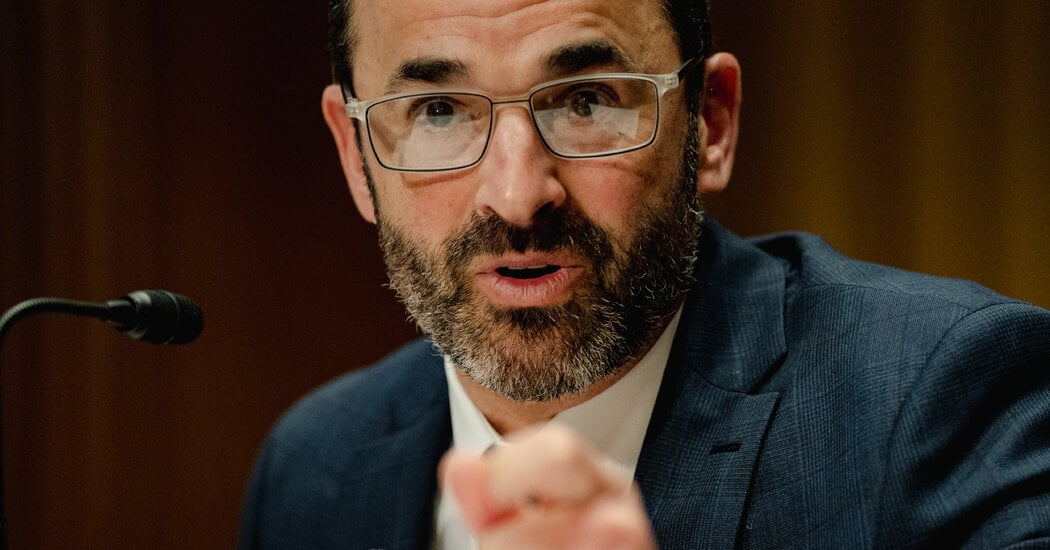
The Internal Revenue Service (I.R.S.) has acknowledged that Black taxpayers have been disproportionately audited and is considering changes to its case selection process to address discrimination in how the tax code is enforced. The I.R.S. commissioner, Daniel Werfel, said the agency was working to correct unfairness in the enforcement of the tax code and would use some of the $80 billion that has been dedicated to modernizing the I.R.S. to improving outreach to underserved communities and helping those taxpayers claim credits that are available to them. The research found that Black taxpayers were three to five times more likely than taxpayers who are not Black to be audited.

politics2 years ago

California faces $32 billion budget deficit, Newsom proposes cuts to transit funding.

California's budget deficit has increased to almost $32 billion, which is $10 billion more than what Governor Gavin Newsom predicted in January. The deficit is due to high inflation and a decision to let most people delay filing their taxes because of winter storms. California is one of the only states to have a shortfall this year, mostly because its progressive tax code relies on wealthy taxpayers whose income is closely tied to the performance of the stock market. Newsom's proposal includes roughly $10.6 billion in spending cuts and shifting expenses, taking some money from the state's safety next reserve and borrowing.

politics2 years ago

California's Budget Deficit Soars to $32 Billion, Gov. Newsom Unveils Revised Budget

California Governor Gavin Newsom announced a budget deficit of nearly $32 billion, $10 billion more than predicted in January, due to high federal inflation rates and delayed tax filings after winter storms. Newsom proposed $1.1 billion in spending cuts and up to $3.9 billion more if revenues don't improve, along with shifting expenses, taking money from the state's safety net reserve, and borrowing. California's progressive tax code relies on wealthy taxpayers whose income is closely tied to the stock market, making the state vulnerable to big swings. The challenge for Newsom will be persuading lawmakers to agree on spending cuts.