Tag

T Coronae Borealis

All articles tagged with #t coronae borealis

science1 year ago

The Mystery Behind the Missing 'New Star' in the Night Sky

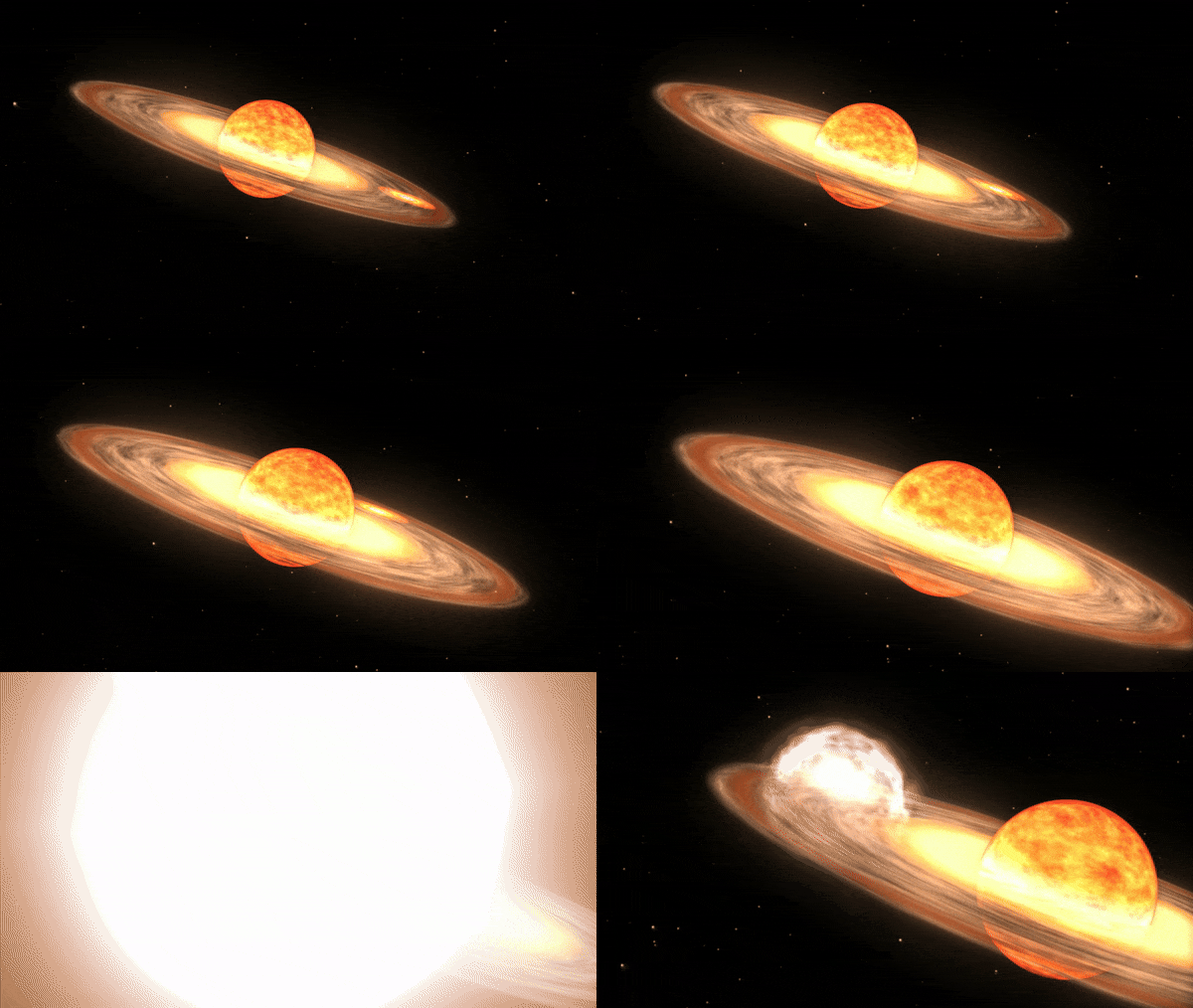
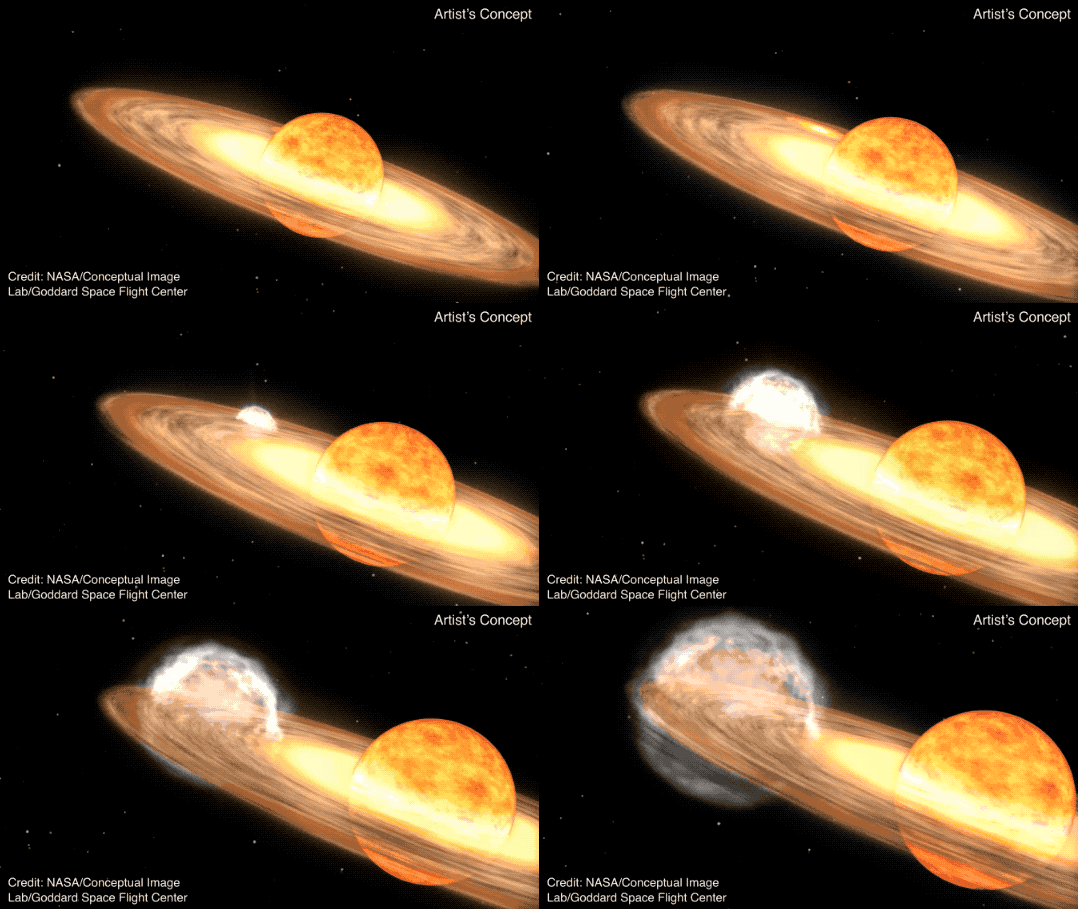
Astronomers are eagerly awaiting the anticipated nova event of T Coronae Borealis, a white dwarf star in the Corona Borealis constellation, which is expected to explode in a bright outburst. Despite predictions for a 2023 event, the nova has not yet occurred, with astronomers now considering a possible 2024 or later timeline. The unpredictability is due to limited historical data and complex accretion processes. Current observations using advanced telescopes aim to gather unprecedented data to better understand and predict such stellar events.

science1 year ago

The Mystery of the Missing Blaze Star: T Coronae Borealis' Delayed Return

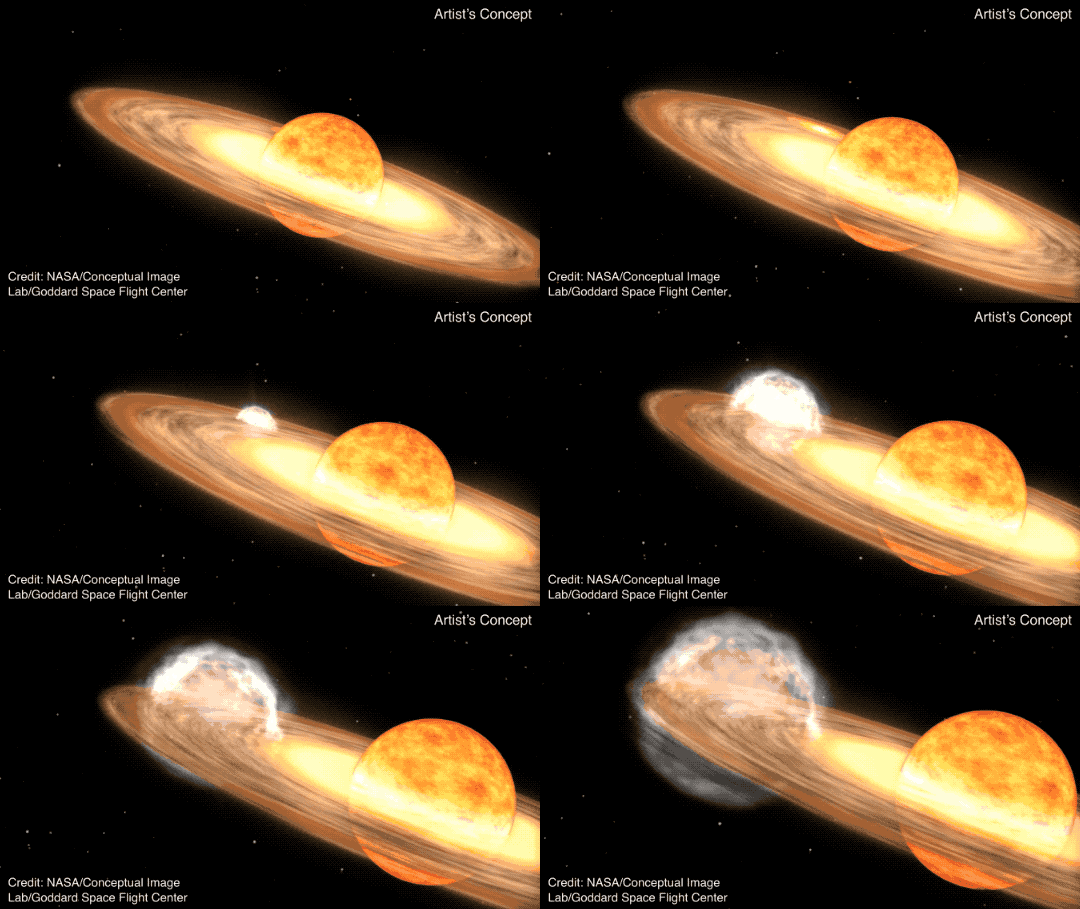
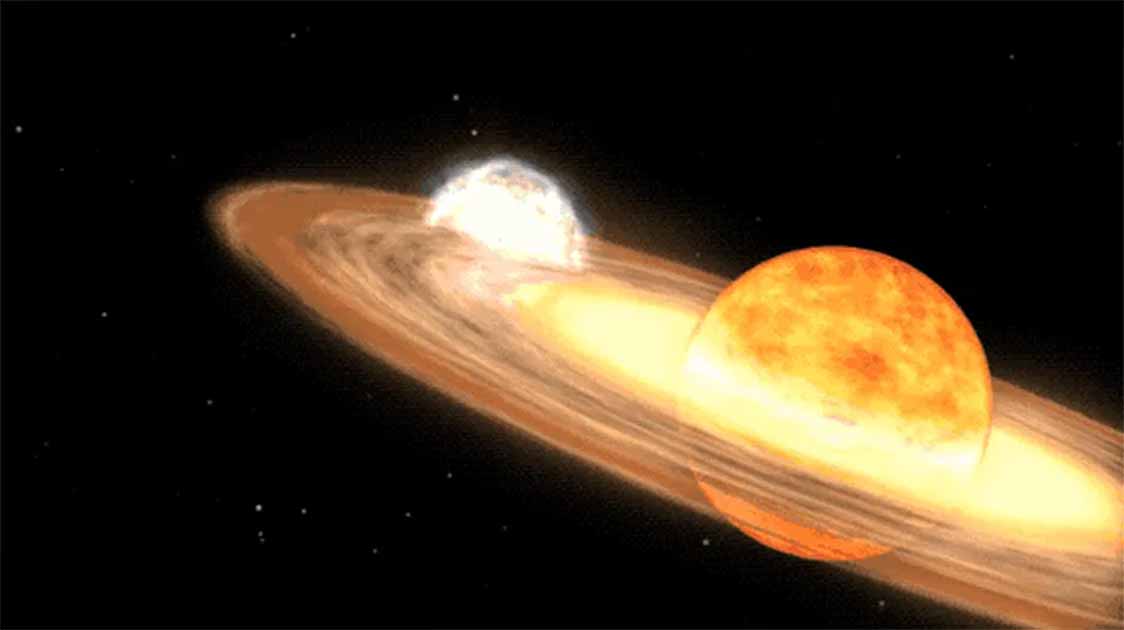
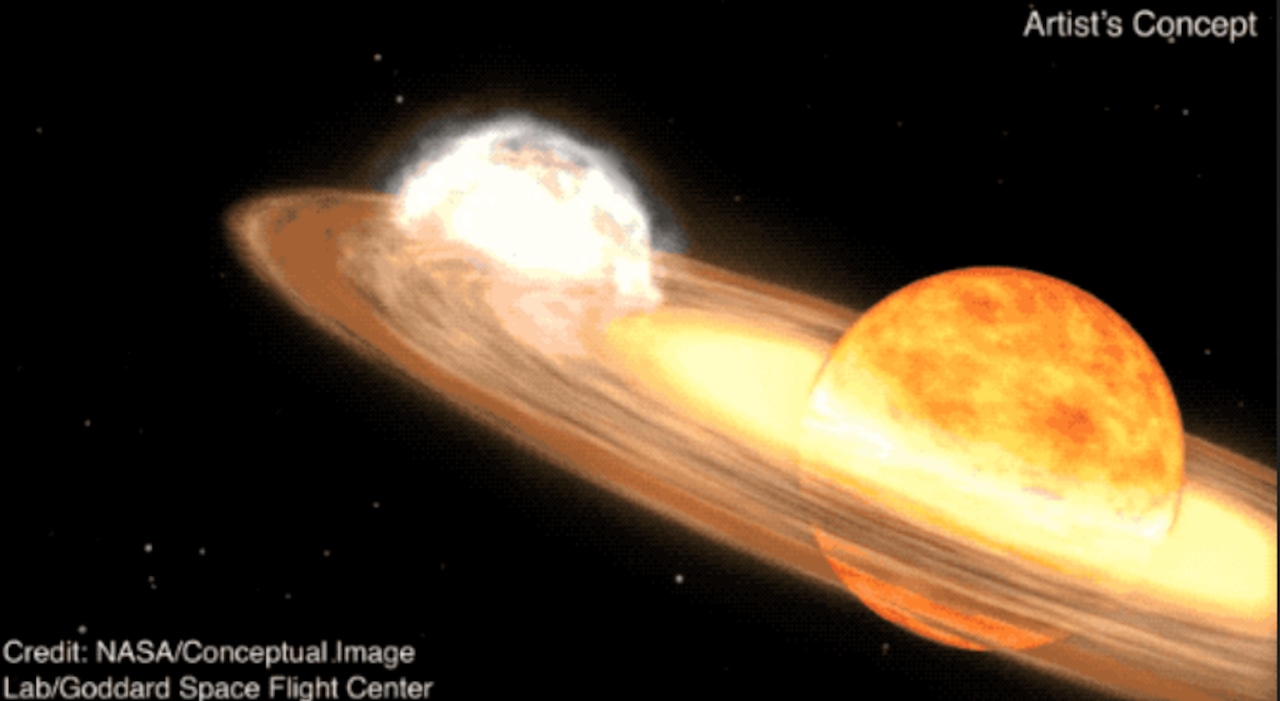
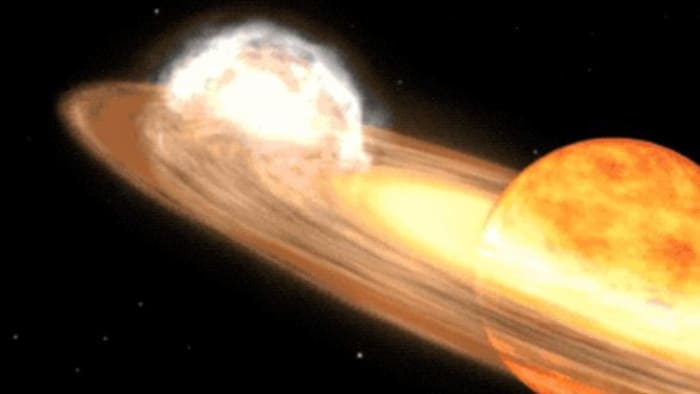
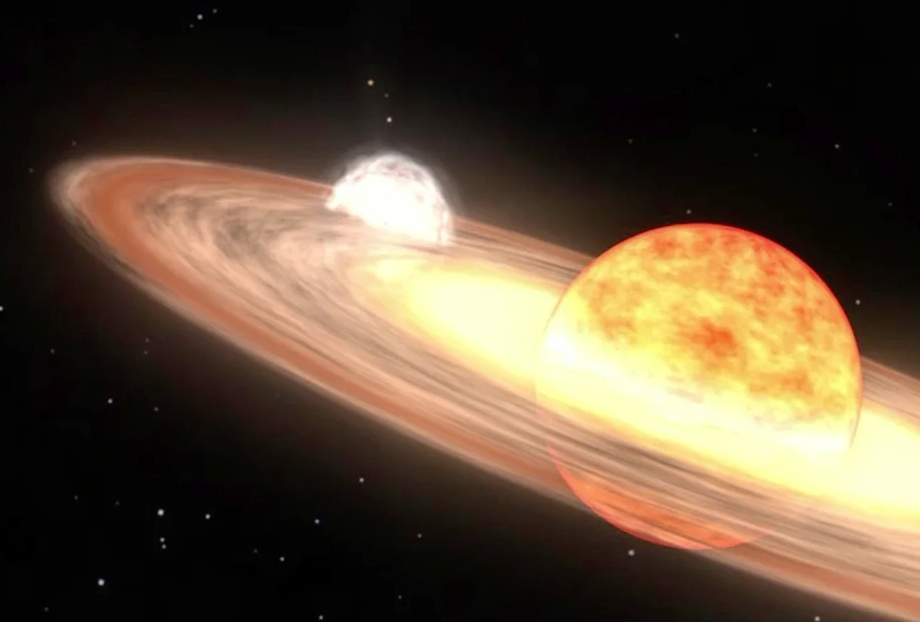
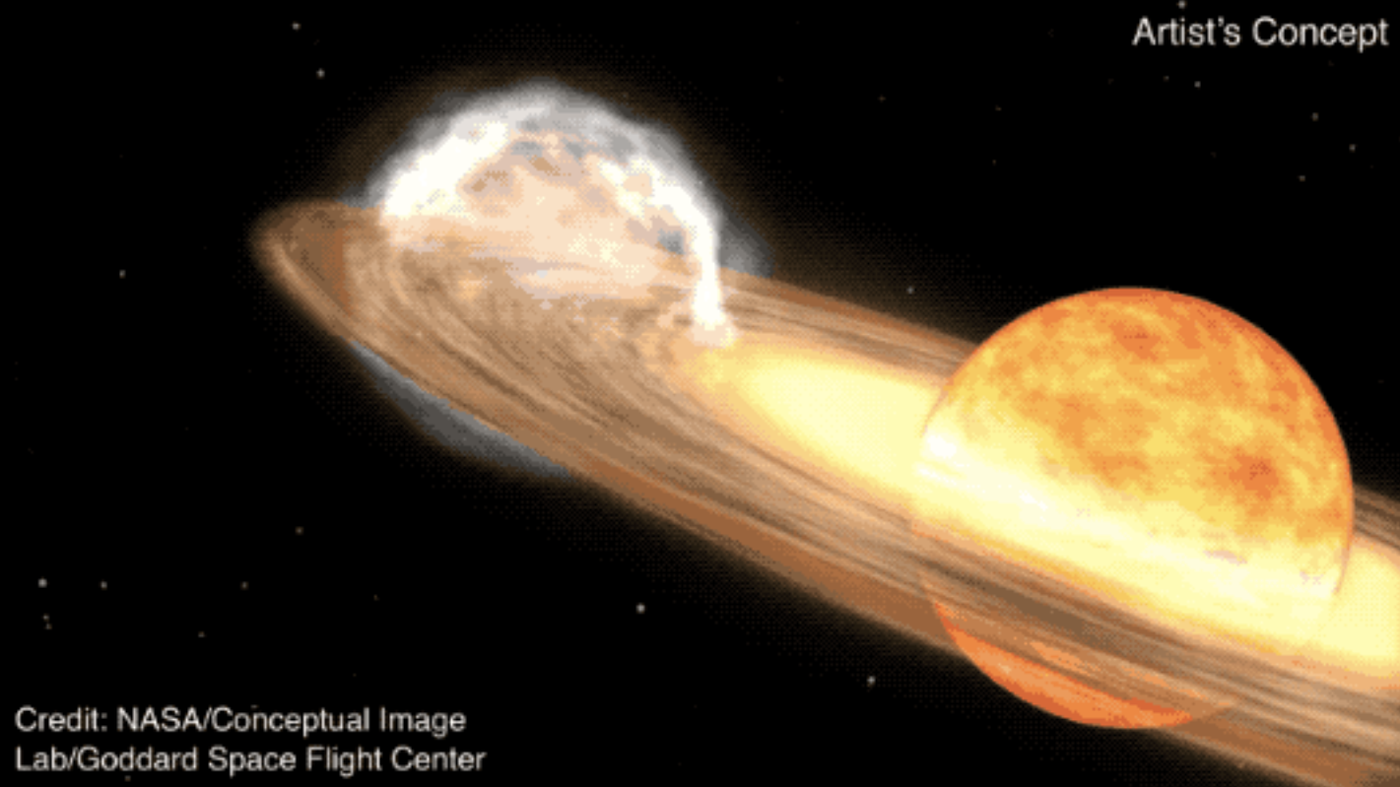
Astronomers are eagerly awaiting the anticipated outburst of T Coronae Borealis, a white dwarf star in the Corona Borealis constellation, which is expected to shine brightly in the night sky. This event, occurring roughly every 80 years, involves the white dwarf accumulating enough mass from its red giant companion to trigger a nuclear explosion. Although predictions suggested the outburst might occur by September 2023, it has yet to happen, with astronomers now considering a possible delay until 2024 or later. The unpredictability is due to limited historical data and fluctuating accretion rates. Meanwhile, telescopes like NASA's Fermi gamma-ray space telescope are closely monitoring the system to gather valuable data for future predictions.

science-and-space1 year ago

"Once-in-a-Lifetime Star Explosion to Illuminate Skies Worldwide"

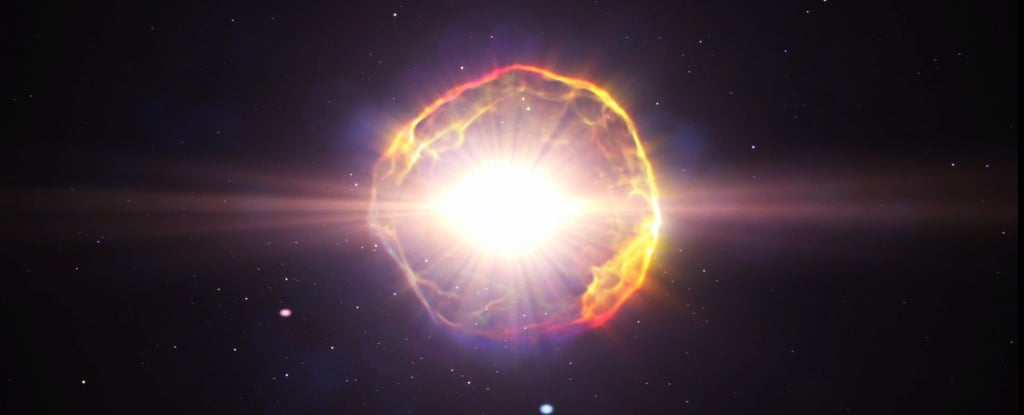
Southern Canada may witness a rare astronomical event this summer as the star T Coronae Borealis is expected to explode, becoming visible to the naked eye. This "once-in-a-lifetime" nova event occurs roughly every 80 years, with the last explosion in 1946. While Betelgeuse, a much larger and closer star, could also go supernova, its timeline remains uncertain.

science-and-astronomy1 year ago

"Rare Star Explosion to Illuminate Skies Worldwide"

The star T Coronae Borealis, located in the constellation of the northern crown, is expected to erupt in a rare nova event, becoming visible in the night sky for a brief period. This recurrent nova, which erupts approximately every 80 years, will shine 1,500 times brighter than usual before quickly fading. Astronomers have predicted this event based on historical patterns and recent observations, making it a unique opportunity for stargazers.

science-and-astronomy1 year ago

"How to Witness the 'Once in a Lifetime' Blaze Star Nova"

The Blaze Star, or T Coronae Borealis, a recurrent nova located 3,000 light-years away, is expected to brighten significantly and become visible to the naked eye between now and September 2024. This binary star system, consisting of a red giant and a white dwarf, follows an 80-year cycle of explosions, with the last visible outburst occurring in 1946. The star can be found in the Corona Borealis constellation, and its brightness will peak for several days, making it observable without telescopes.

science1 year ago

"Medieval Nova Set to Dazzle Sky in Rare Celestial Event"

The double star system T Coronae Borealis, first recorded in 1217, is set to flare up and become visible in Earth's night sky between now and September. This rare nova event, occurring roughly every 80 years, will make the star as bright as Polaris for about a week. The phenomenon results from a violent interaction between a white dwarf and a red giant, causing a thermonuclear reaction. The last such event was observed in 1946, and the upcoming flare is expected to reach a magnitude of +2.

space-and-astronomy1 year ago

"Upcoming Stellar Event Mirrors Medieval Manuscript Record"

A nova explosion of the binary star system T Coronae Borealis, first potentially recorded in 1217, is expected to occur soon. This rare event, caused by a thermonuclear reaction on a white dwarf star, happens approximately every 80 years. Historical observations in 1866 and 1946, along with a recent pre-eruption dip, suggest the next eruption could happen between now and September 2024.

astronomy1 year ago

"Get Ready to Witness a Rare Nova Explosion: A Once-in-a-Lifetime Opportunity"

A star system located 3,000 light-years away is expected to become visible to the naked eye due to a nova outburst, a rare event that occurs approximately every 80 years. Known as T Coronae Borealis, or T CrB, the star last exploded in 1946 and is predicted to do so again between February and September 2024. NASA experts describe this as a "once-in-a-lifetime" event, with the star system becoming as bright as the North Star during the outburst, visible for several days and longer with binoculars.

astronomy1 year ago

"Get Ready to Witness a Once-in-a-Lifetime Exploding Star Event in Florida"

A nova outburst from the T Coronae Borealis star system is expected to be visible in the night sky over Florida sometime between now and September 2024, providing a rare opportunity for skywatchers. This recurring event, which occurs roughly every 80 years, is caused by a binary system consisting of a red giant and a white dwarf. While the exact timing is uncertain, the burst is expected to make the star system as bright as the North Star and remain visible to the naked eye for several days. Astronomers recommend looking for the "new" star within the Corona Borealis constellation and staying updated through NASA Universe for the event.

astronomy1 year ago

"2023's Spectacular Celestial Events: A Year of Rare Cosmic Phenomena"

Astronomers are eagerly awaiting the appearance of T Coronae Borealis, a recurrent nova that erupts every 80 years, causing a brief but intense brightening in the Northern night sky. The eruption, which could occur anytime between now and September, will be visible to the naked eye for only a week. This rare celestial event is the result of a white dwarf star consuming material from its red giant companion, triggering powerful nuclear fusion reactions. Amateur astronomers are closely monitoring the star, and the eruption will be observed using both professional and backyard telescopes.

astronomy1 year ago

"2024's Rare Nova: Your Guide to Witnessing the Spectacular Exploding Star"

A massive star explosion, known as a nova, is expected to occur in the Milky Way, visible to the naked eye, as T Coronae Borealis is set to explode at some point before September 2024. This event, which happens every 80 years, is dubbed a "once-in-a-lifetime thing" by a NASA astronomer. To catch a glimpse, observers should look towards the constellation Corona Borealis, with the explosion likely reaching the brightness of the North Star. No specific date has been given, but updates can be found on NASA's social media, and the spectacle will be visible for a few days with the naked eye and over a week with binoculars.

astronomy1 year ago

"Rare Opportunity: Witness a Nova Explosion and 'New' Star This Year"

Astronomers predict that this year, people will have the rare opportunity to witness the explosion of the T Coronae Borealis star system in the Milky Way galaxy, as it is expected to undergo a nova event, brightening significantly for a short period. This occurrence, which happens approximately once every 80 years, is caused by a white dwarf in the binary star system accumulating matter from a red giant until a thermonuclear reaction occurs, resulting in a dramatic increase in brightness. The nova is anticipated to be visible in the constellation Corona Borealis and may reach a brightness level similar to the North Star, remaining observable for several days before dimming.