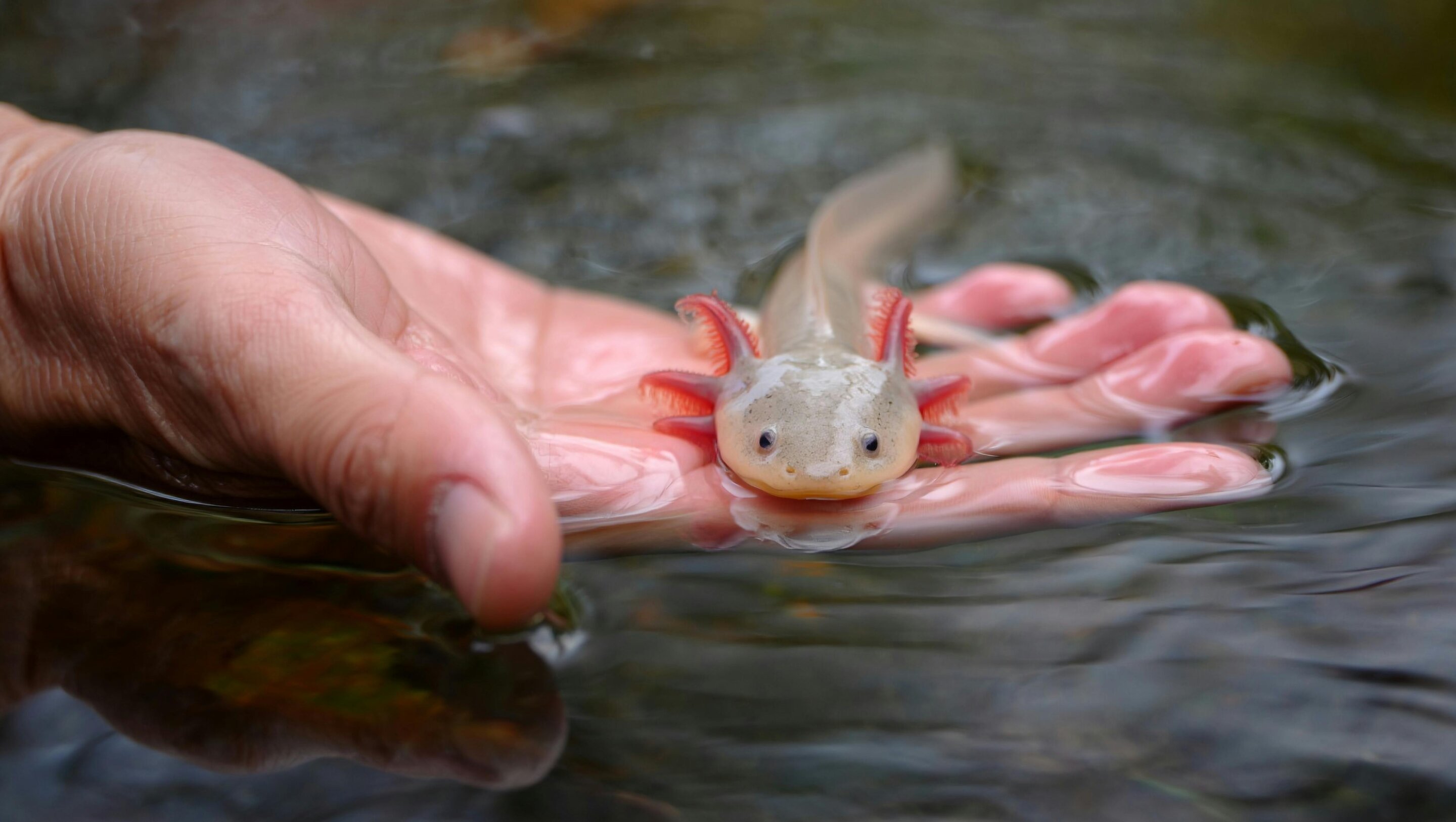
Harvard researchers discovered that axolotls use their 'fight or flight' sympathetic nervous system, particularly adrenaline signaling, to activate stem cells body-wide for limb regeneration, a process that could inform future human regenerative medicine.
Researchers at Caltech have discovered two types of neurons in the abdomens of mice that control different aspects of digestion, highlighting the role of specialized neurons in the gut-brain connection. This study, published in Nature, suggests that these neurons, part of the sympathetic nervous system, can send specific messages to internal organs, affecting functions like enzyme production and gut motility. The findings could lead to targeted drug therapies for conditions like high blood pressure and irritable bowel syndrome, with fewer side effects.
Researchers have discovered specific neurons in the abdomen that control digestion, highlighting the gut-brain connection. These neurons, part of the sympathetic nervous system, have distinct roles similar to brain neurons, affecting functions like bile production and gut motility. This finding, published in Nature, suggests that specialized neurons outside the brain can act as extensions of the brain, potentially leading to targeted treatments for conditions like high blood pressure and irritable bowel syndrome.
Caffeine can trigger anxiety by stimulating the sympathetic nervous system, leading to symptoms like increased heart rate and sweating. This response can be misinterpreted as anxiety, especially when experienced in calm settings. Understanding this connection can help manage caffeine-related anxiety.
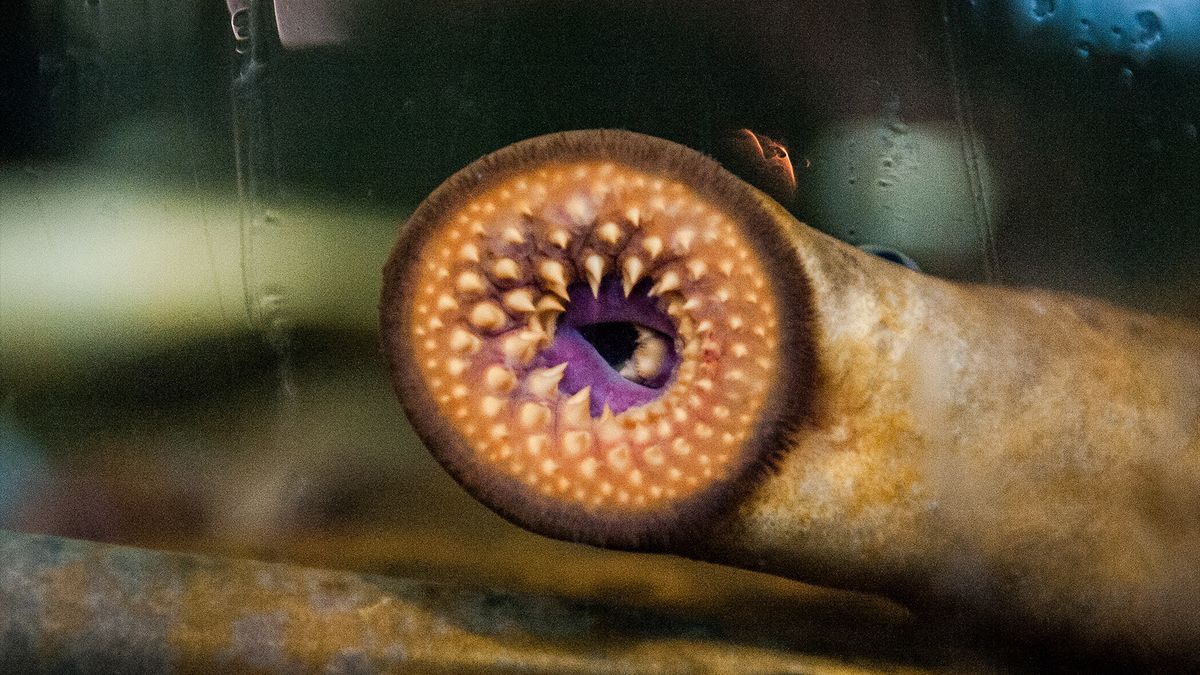
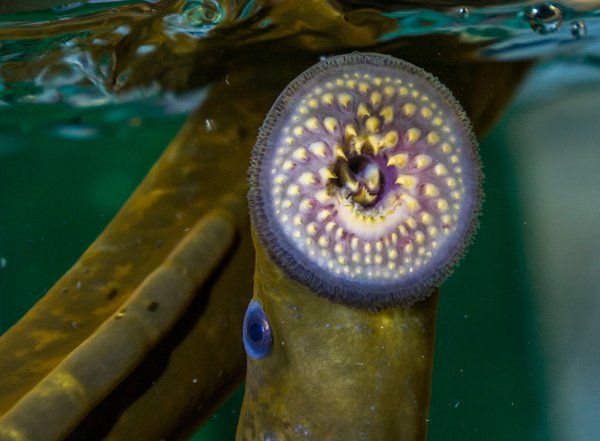
Lampreys, ancient jawless fish, were previously thought to lack a "fight or flight" response due to the absence of a structure called the neural crest. However, a new study published in Nature reveals that lampreys do have sympathetic nerve cells, suggesting that the vertebrate flight-or-flight response is more ancient than previously believed. This discovery sheds light on the evolution of this system and challenges previous assumptions about these primitive vertebrates.
Researchers have debunked a long-held belief that lamprey, a type of jawless fish, lack sympathetic neurons, which are part of the peripheral nervous system. New research led by Marianne Bronner's lab at Caltech has found that sympathetic neurons do exist in lamprey but arise much later in development than previously thought, revising the timeline of sympathetic nervous system evolution. This discovery suggests that the developmental program governing the formation of sympathetic neurons is evolutionarily conserved across all vertebrates, from lamprey to mammals.
Noise sensitivity can lead to chronic inflammation and other health issues, especially as the auditory system over-recruits at different frequencies. Various tools like earplugs, noise-canceling headphones, and environmental modifications can help manage noise sensitivity. Additionally, self-care practices such as getting enough sleep and taking breaks can also make stressful sounds more manageable.
A study in Germany found that men who performed 3 minutes of physically demanding exercise had more intense reactions to pictures with sexual content compared to a control group. The sympathetic nervous system, which regulates our “fight-or-flight” responses, is activated in times of stress, threat, or arousal. The study provides evidence for enhancement of sexual processing by acute stress exposure in men and suggests differential involvement of parasympathetic versus sympathetic mechanisms. However, the study has limitations, and results in more naturalistic situations and on different age groups might not be the same.