European central banks, including Switzerland, have cut interest rates to zero or below to combat low inflation and economic sluggishness, influenced by global trade tensions and currency fluctuations, with some considering further rate cuts amid economic uncertainties.
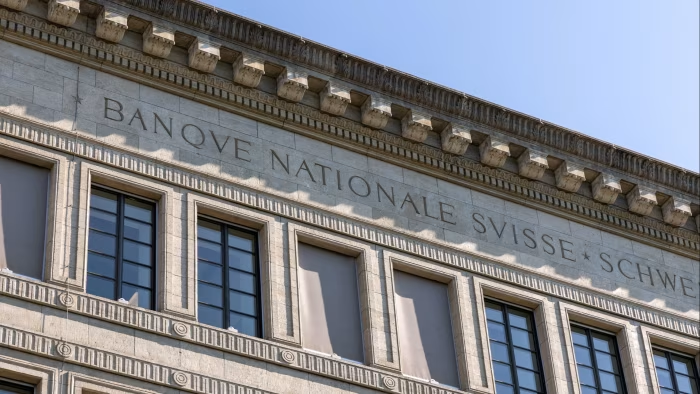
The Swiss National Bank has lowered interest rates to zero to combat a surging Swiss franc and low inflation, marking the first time the country has set rates at zero since experimenting with negative rates, amid global trade tensions and a strong safe-haven currency.
European markets saw slight declines as investors awaited the European Central Bank's (ECB) final monetary policy decision of the year, with expectations of a 25-basis-point rate cut. The Swiss National Bank surprised with a 50-basis-point cut amid inflation challenges and a strong franc. Meanwhile, U.S. inflation data aligned with forecasts, and traders anticipate a Federal Reserve rate cut next week. Brunello Cucinelli shares rose despite a retail sector slump, while Inditex shares fell following disappointing results.
The Swiss National Bank (SNB) has cut its key interest rate by 50 basis points to 0.5%, exceeding expectations of a smaller reduction, in response to subdued inflation and a strong Swiss franc. This marks the fourth rate cut this year as the SNB aims to manage currency appreciation and declining consumer prices. The bank's new inflation forecast predicts low inflation rates through 2026, with further rate cuts anticipated. The franc's strength continues to challenge Swiss exports amid weak global demand.
The Swiss National Bank (SNB) has cut its benchmark interest rate by twenty-five basis points, diverging from other central banks committed to maintaining elevated rates. This move, driven by inflation below 2%, could signal positive prospects for crypto markets, historically influenced by global macroeconomic policies. While the U.S. Federal Reserve kept its rates unchanged, the SNB's unexpected decision led to decreased Swiss government bond yields and a weakened Swiss Franc. Analysts debate the impact of rate cuts on Bitcoin's price, with some emphasizing other macroeconomic factors as more influential.
The Swiss National Bank surprised markets by cutting its main interest rate by 25 basis points to 1.50%, making it the first major central bank to ease monetary policy aimed at tackling inflation. This move, the first rate cut in nine years, comes as Swiss inflation dipped to 1.2% in February, within the SNB's 0-2% target range. The decision sent the Swiss franc to an eight-month low against the euro, with analysts expecting more cuts ahead and the central bank dialing down its inflation forecasts.
The Swiss National Bank surprised the market by cutting its main policy rate to 1.5%, citing expectations of persistently low inflation. The bank also reduced its annual inflation forecasts and expects modest economic growth in the coming quarters. Analysts anticipate two more rate cuts this year, with the September meeting likely to be the last under the current chairman. Switzerland's move makes it the first major economy to cut interest rates amid global economic uncertainties, while the Bank of England is expected to maintain its current policy and Norway's central bank held rates steady at 4.5%.
The Swiss National Bank has surprised the market by cutting its key interest rate by 25 basis points to 1.5%, making it the first such reduction for one of the world’s 10 most-traded currencies since the pandemic. This move comes ahead of global peers and aims to prevent gains in the franc, with only a small minority of economists anticipating this decision.
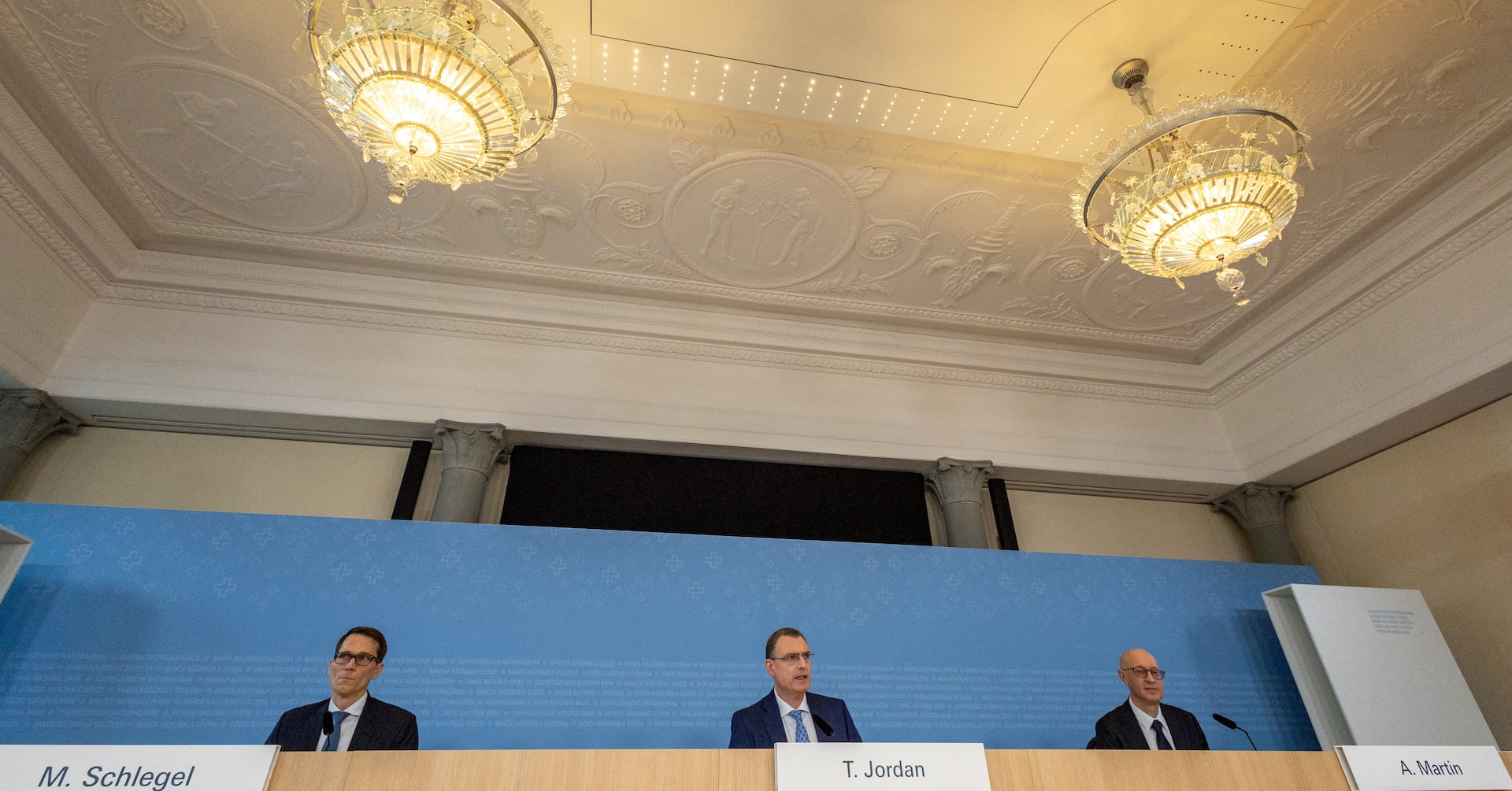
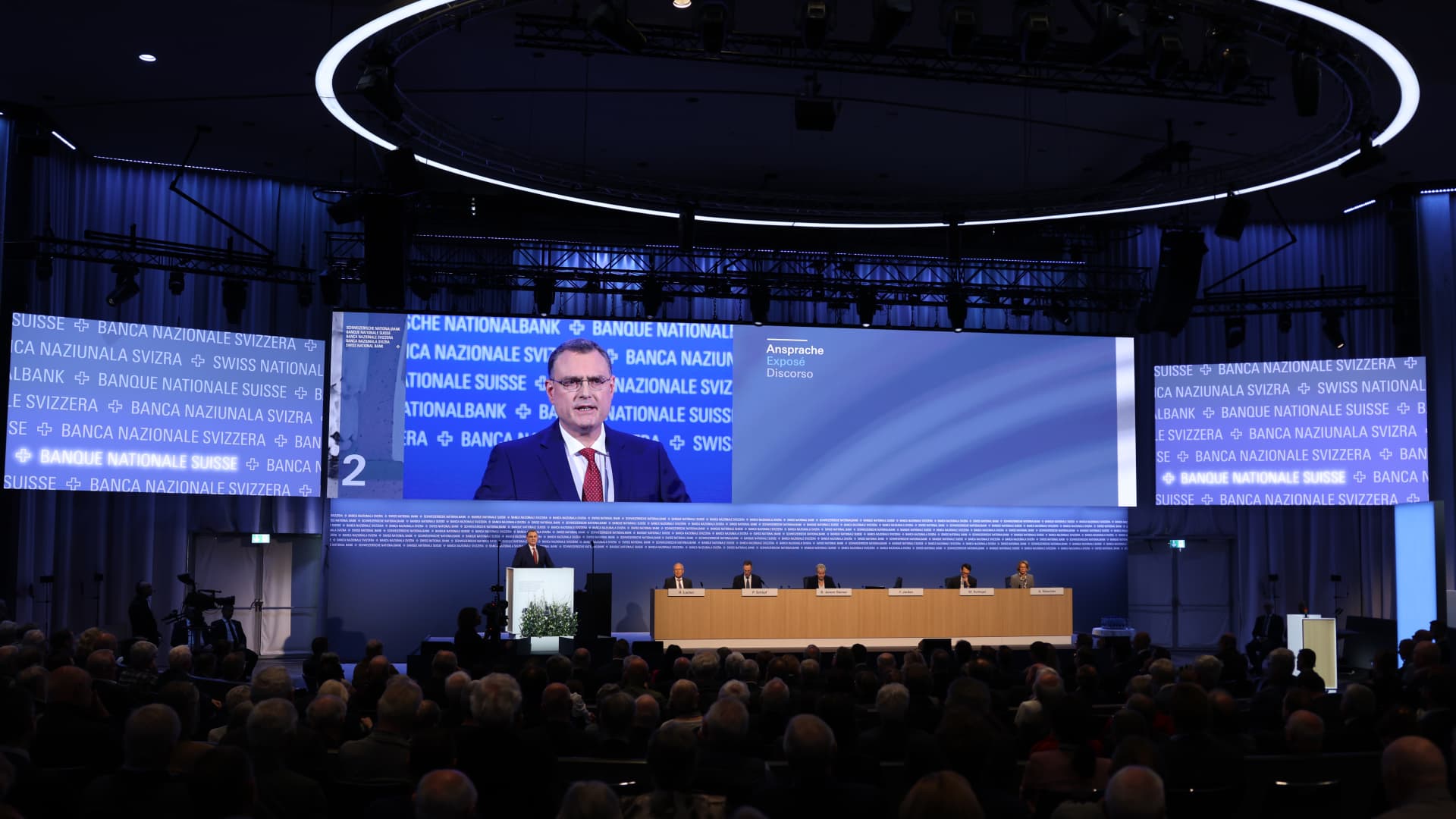
Thomas Jordan, the long-standing chief of the Swiss National Bank, has announced his resignation. Jordan, who has been at the helm of the central bank for nearly a decade, will step down in June 2022. His departure comes at a time of significant change in the global financial landscape and will likely prompt speculation about his successor and the future direction of Switzerland's monetary policy.
The chairman of the Swiss National Bank, Thomas Jordan, stated that the intervention to provide an emergency loan to Credit Suisse prevented a financial crisis and protected systemic stability. Jordan and FINMA CEO Urban Angehrn both emphasized the potential negative impact on the Swiss economy if the bank had gone bankrupt. However, Jordan acknowledged the need to learn from the situation, particularly in terms of liquidity regulations and safeguarding against significant outflows of customer deposits. The handling of the forced takeover has faced criticism and legal challenges, particularly regarding the lack of shareholder input and the write-down of Credit Suisse's additional tier-one bonds.
The Swiss National Bank (SNB) has decided to keep interest rates unchanged at its quarterly monetary policy meeting, ending its streak of five consecutive rate hikes. The SNB had been gradually lifting rates out of negative territory since June 2022 but cited the significant tightening of monetary policy and subdued growth outlook as reasons for maintaining the current rate of 1.75%. Inflation in Switzerland remains below the central bank's 2% target, and the Swiss franc has been performing strongly. The SNB indicated that further tightening may be necessary in the future to ensure price stability. The main risk to the Swiss economy is a potential global economic slowdown, and the SNB expects the economy to grow by around 1% this year.
UBS has announced that it will no longer require the 9 billion francs ($10.3 billion) of state guarantees provided by the Swiss government for the rescue of Credit Suisse, freeing taxpayers from any further risks. UBS also stated that it no longer needs a public liquidity backstop or a liquidity assistance loan from the Swiss National Bank, removing taxpayer-backed funding. This move is expected to calm the political debate surrounding Swiss taxpayers' exposure to UBS. UBS shares rose by 5% following the announcement.
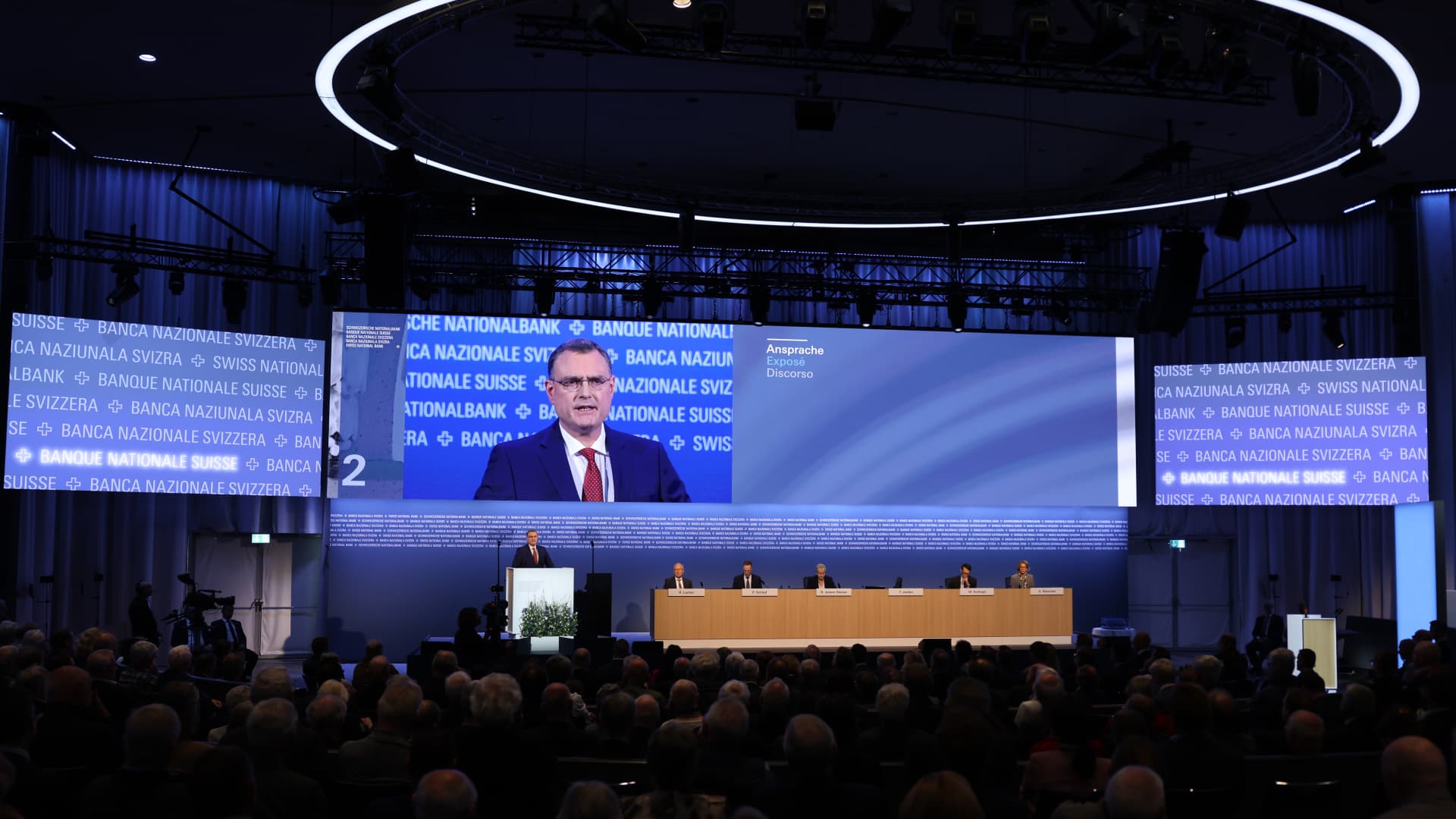
The Swiss National Bank (SNB) has promised to review banking regulations following the collapse of Credit Suisse. The central bank played a key role in brokering the rescue of Credit Suisse over the course of a chaotic weekend in March, as a flight of deposits and plummeting share price took the 167-year-old institution to the brink of collapse. The SNB faced questions and grievances from shareholders about the Credit Suisse situation on Friday, but the country's network of climate activists also sought to use the central bank's unwanted spotlight to challenge its investment policies.
Sight deposits held by the Swiss National Bank (SNB) increased to 567 billion Swiss francs ($619 billion) from 515 billion francs a week earlier, indicating that both Credit Suisse and UBS may have used some of the 200 billion francs in extra liquidity offered by the SNB as part of a state-sponsored rescue of Credit Suisse. UBS agreed to buy Credit Suisse for 3 billion Swiss francs in stock in a merger engineered to avoid more market-shaking turmoil in global banking.
Credit Suisse accessed a large multi-billion amount from the Swiss National Bank last weekend to secure its liquidity due to customers withdrawing money and counterparties demanding guarantees when doing business with the bank. The exact figure is unknown, but it is assumed to be above 50 billion Swiss francs. The situation has since stabilized.