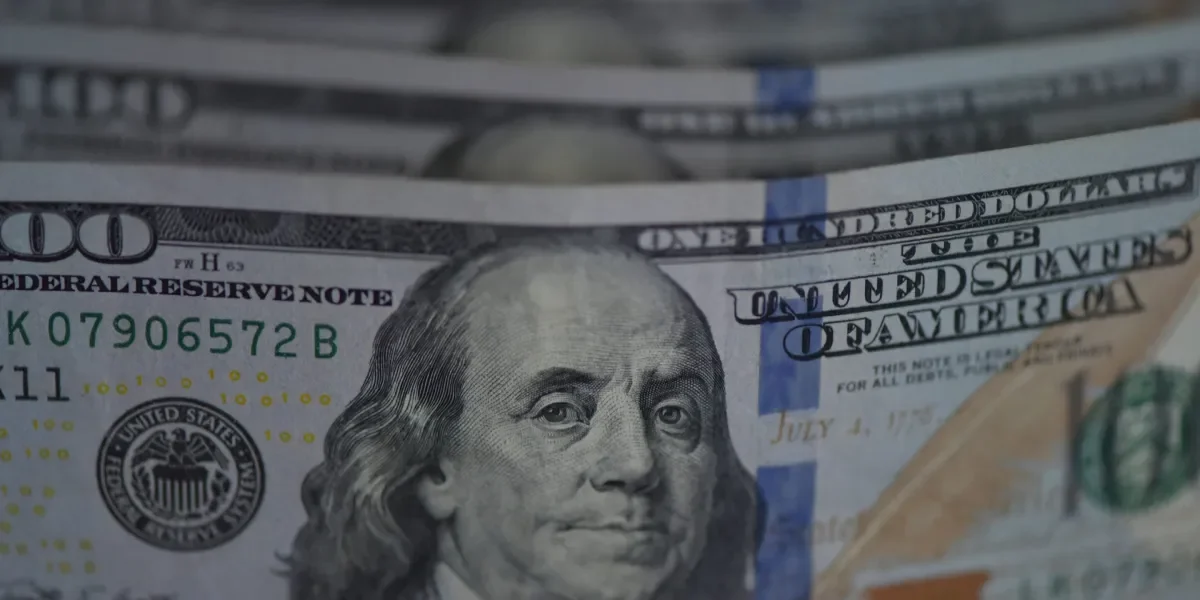
Venezuela's Economy in Crisis Amid US Blockade
The Venezuelan currency has sharply declined due to the country's economic struggles exacerbated by US sanctions, leading to a severe financial crisis.
All articles tagged with #currency

The Venezuelan currency has sharply declined due to the country's economic struggles exacerbated by US sanctions, leading to a severe financial crisis.

Emerging-market stocks reached a near five-year high at the start of 2026, driven by optimism around AI developments in Asia and strong performances in technology shares, with regional currencies showing mixed movements amid global economic expectations.

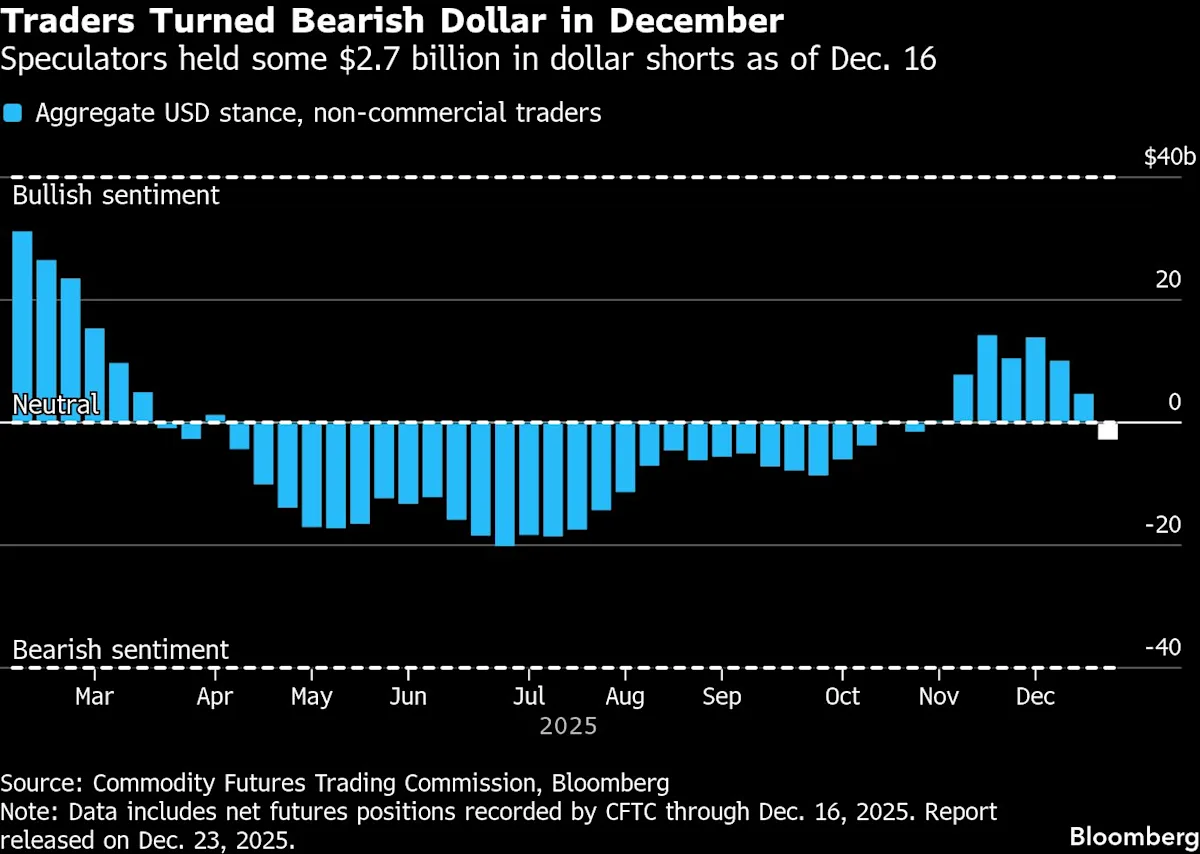
The US dollar is on track for its worst year since 2017, declining about 8% due to Fed policy uncertainty and potential interest rate cuts, with investor sentiment heavily influenced by the upcoming Fed chair appointment and global rate differentials.

Bulgaria will adopt the euro as its official currency on January 1, 2026, becoming the 21st EU country to do so, leaving only six countries still using their own currencies within the EU.

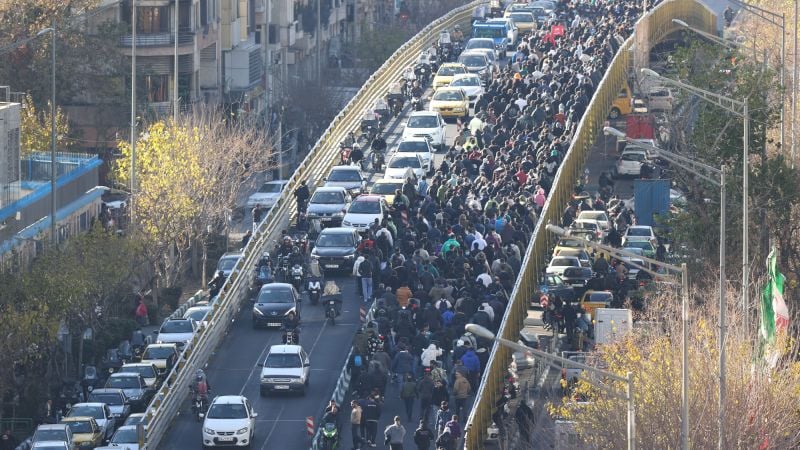
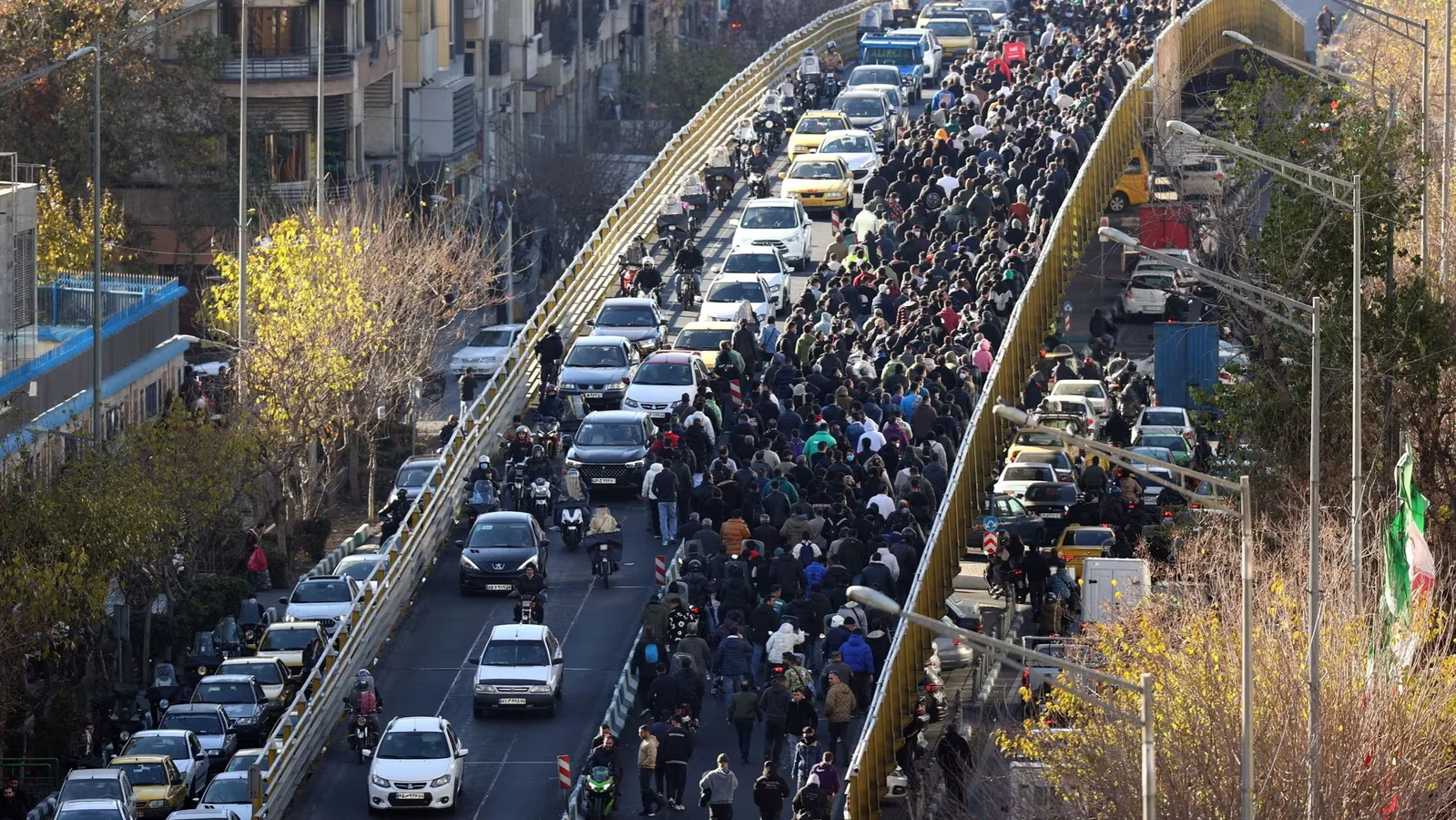
Protests erupted across Iran after the country's currency hit a record low against the US dollar, leading to the resignation of the Central Bank head and widespread economic distress, including soaring inflation and rising prices, amid political and regional tensions.

Syria has introduced new banknotes following the end of Assad's regime, marking a significant step in its post-conflict economic reforms.

Iran's currency is rapidly deteriorating, leading to a severe economic crisis characterized by inflation and financial instability.
The head of Iran's Central Bank resigned amid protests in Tehran and other cities following the rial hitting a record low against the dollar, with traders and citizens rallying over economic instability, soaring inflation, and fears of hyperinflation, exacerbated by political tensions and international sanctions.

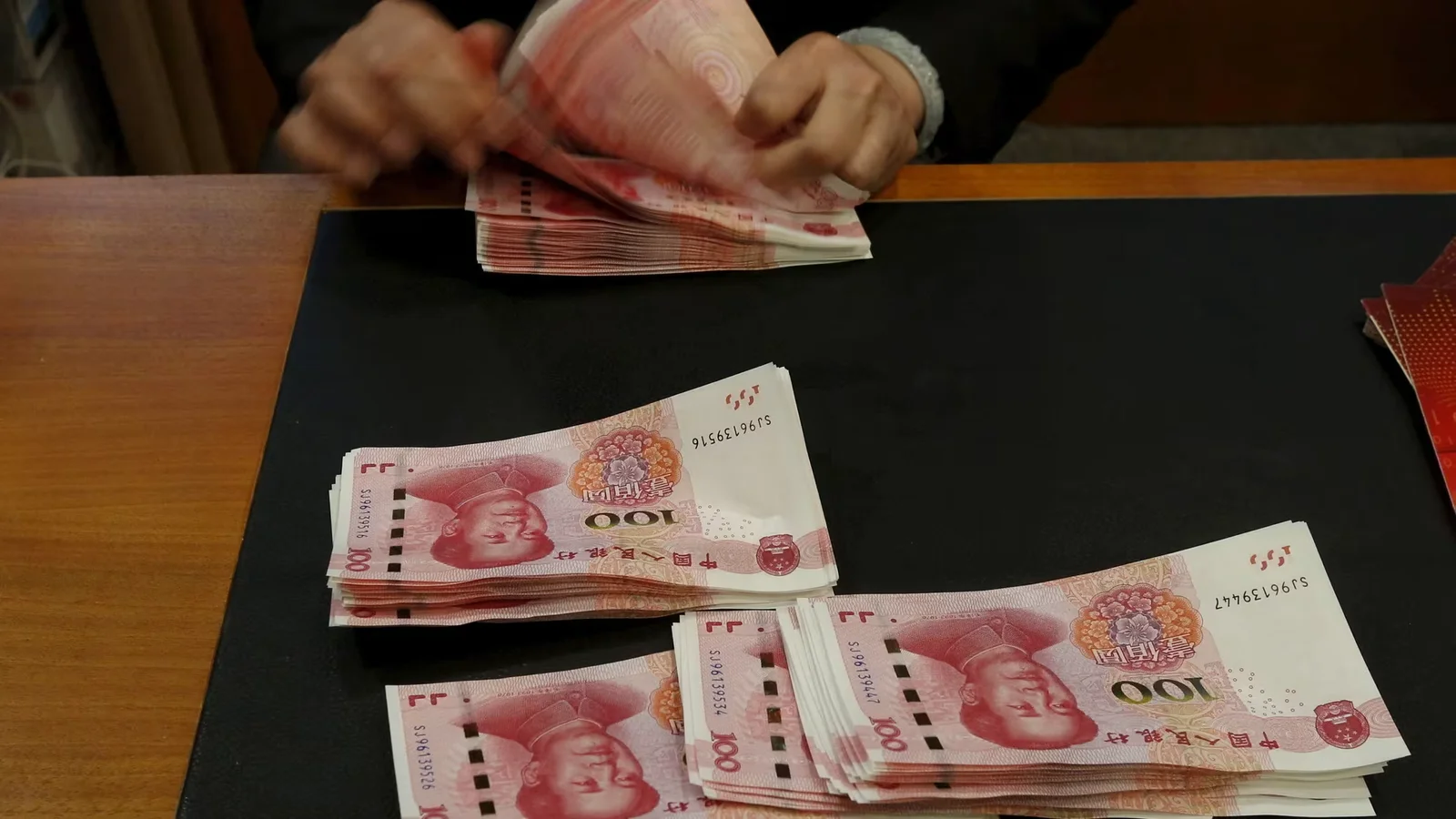
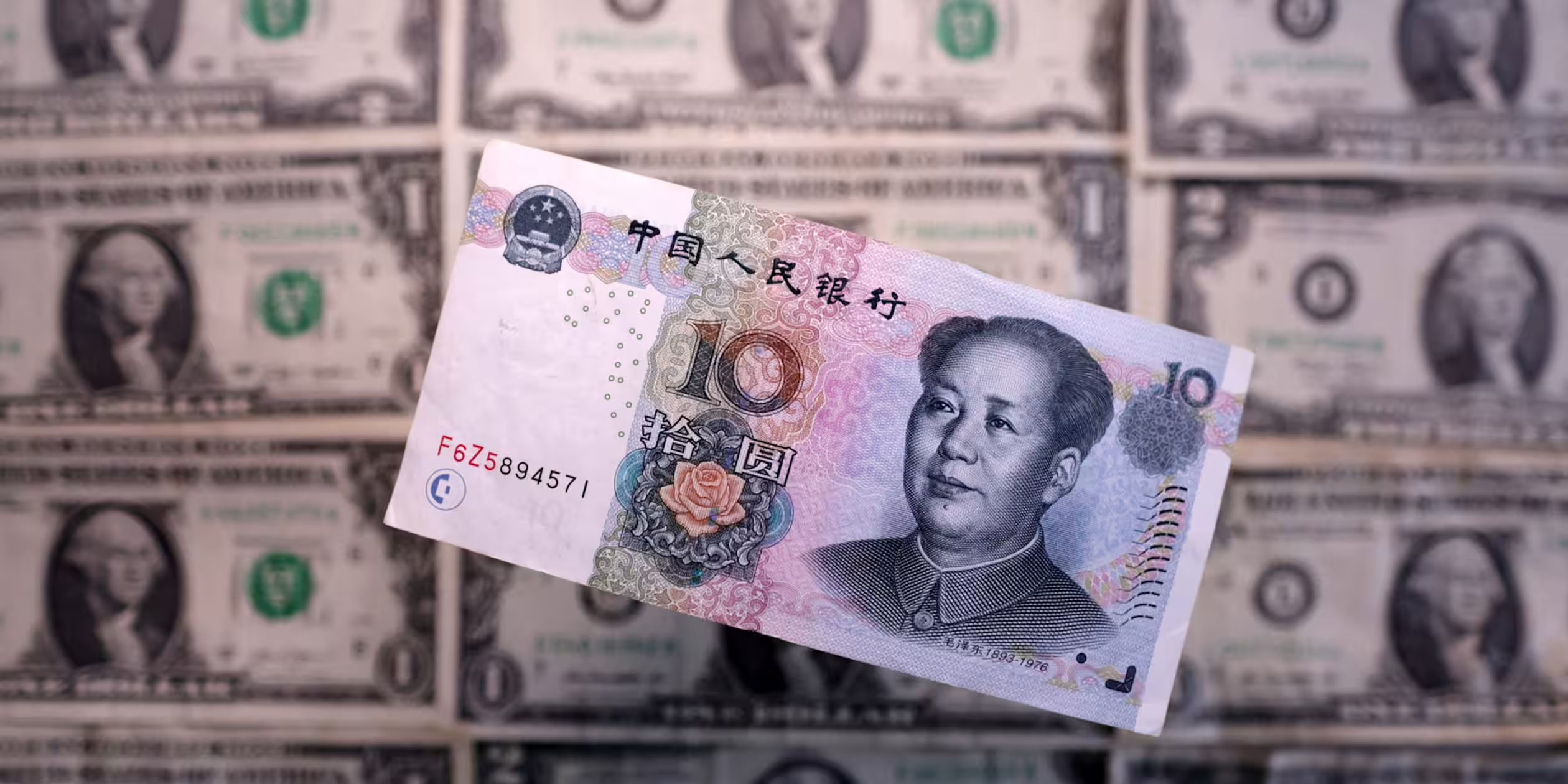
China has signaled a more tolerant stance towards a stronger renminbi, indicating potential shifts in its economic policy and impacting financial markets.

China has fixed its yuan at the strongest rate against the dollar in over a year, indicating a potential shift in currency policy or economic conditions.

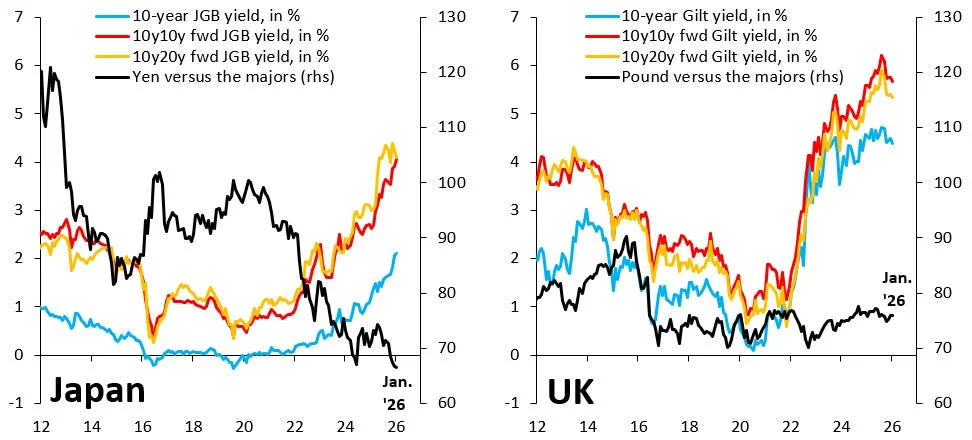
A Japanese official has issued a warning about the yen's sudden decline in value, highlighting concerns over its impact on the economy and currency stability.

The Bank of Japan raised interest rates as expected but provided little guidance on future policy, leading to a broad weakening of the yen, which hit a record low against the euro. Ueda's vague comments and dissenting board members' views contributed to market uncertainty, while other major central banks like the ECB and BoE took different stances on monetary policy. The euro and sterling experienced modest movements amid mixed signals from global monetary authorities.

The US has officially stopped minting pennies after a production that began in 1793, citing cost inefficiencies as pennies cost more to produce than their face value. While still legal tender, pennies will no longer be produced, and transactions may be rounded to the nearest five cents. Other countries have also phased out low-denomination coins, citing similar reasons.

Investors are betting on the devaluation of the Argentine peso following weekend elections, reflecting concerns about the country's economic stability and currency outlook.

The US dollar weakened after President Trump softened his tone on trade tensions with China, easing fears of escalation, while markets reacted to political developments in France and Japan, with gold reaching record highs and cryptocurrencies fluctuating.