OPEC+ has agreed in principle to increase oil production by 548,000 barrels per day in September, reversing previous cuts and shifting from price defense to market share expansion, which could lead to a global supply surplus and impact oil prices.
OPEC+ plans to accelerate oil supply increases in August to regain market share, despite concerns over potential oversupply and falling oil prices, with the group aiming to unwind its recent output cuts earlier than scheduled amid a shift from price defense to market share strategy.
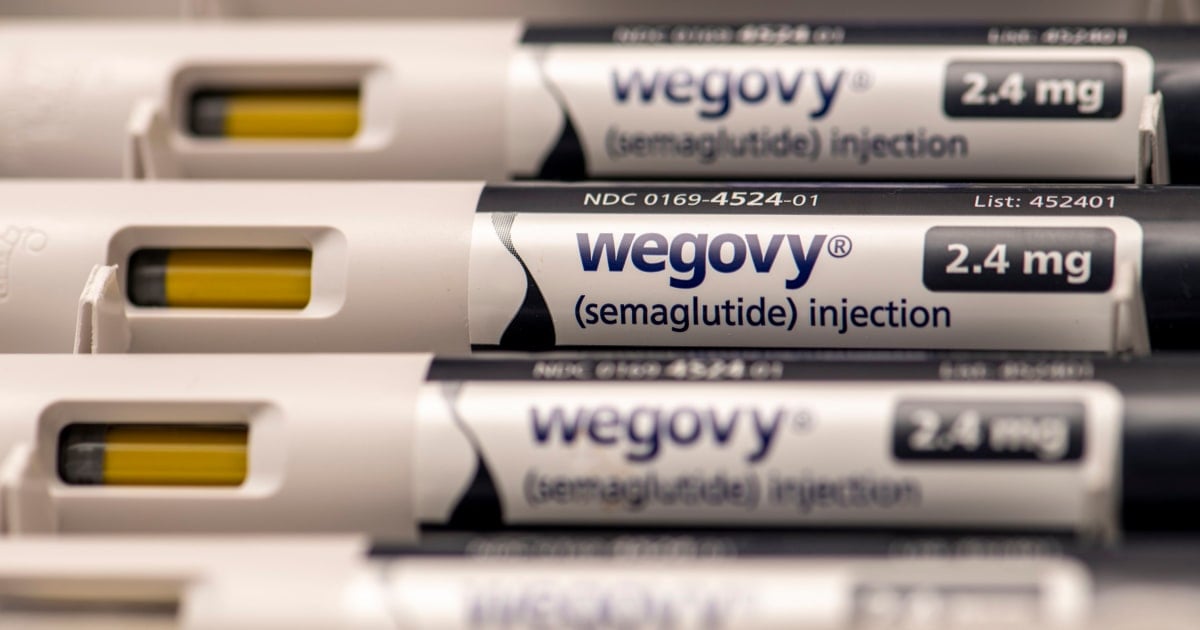
Novo Nordisk has boosted the supply of its weight loss drug Wegovy, allowing more patients in the U.S. to start taking the medication. The increased supply of the lowest dose aims to address previous restrictions that prevented new patients from beginning treatment. The company's efforts to maintain supply for existing users led to supply shortages for new patients, prompting some to be prescribed off-label alternatives. Novo Nordisk also noted improvements in insurance coverage for Wegovy, potentially benefiting around 50 million people in the U.S. with obesity.
Oil prices fell as profit-taking and expectations of supply increases by Russia and Saudi Arabia outweighed forecasts of positive demand from China during its Golden Week holiday. Brent November futures were down 21 cents to $95.17 per barrel, while U.S. West Texas Intermediate crude (WTI) fell 8 cents to $91.63 per barrel. The market is currently tight with the combined cuts of 1.3 million barrels per day to the end of the year by Saudi Arabia and Russia, part of OPEC+. Russia recently eased its separate ban on fuel exports, and analysts do not expect restrictions to stay for long. Recent macroeconomic data and China's Golden Week holiday were supportive for global oil demand.