Drugmaker slashes US price of weight-loss therapy
Novo Nordisk has halved the US price of its weight‑loss drug, a move aimed at broadening access amid strong demand and competition in the GLP‑1 market.

All articles tagged with #weight loss drug
Novo Nordisk has halved the US price of its weight‑loss drug, a move aimed at broadening access amid strong demand and competition in the GLP‑1 market.
Novo Nordisk’s next‑gen weight‑loss drug CagriSema failed to meet its primary endpoint in a late‑stage trial, delivering 23% average weight loss over 84 weeks versus 25.5% for Eli Lilly’s tirzepatide, prompting a sharp stock drop and renewed investor skepticism. The company plans a higher‑dose study and continues pursuing approval based on earlier data, while analysts noted the result as a setback for its obesity‑drug ambitions.
Eli Lilly has reduced the cash prices of its Zepbound weight loss drug vials on its direct-to-consumer platform, making the medication more accessible amid industry price cuts and government efforts to lower drug costs. Starting at $299 per month for the initial dose, the prices are now more affordable compared to the previous $349, aiming to improve access for patients facing high list prices and limited insurance coverage.
Eli Lilly and Walmart have partnered to offer Zepbound, a weight loss drug, at discounted prices through retail locations and home delivery, expanding access and competing with rivals like Novo Nordisk amid regulatory and market pressures.
Pfizer's new weight-loss drug is struggling to gain a foothold in the highly competitive market, limiting its impact and highlighting the challenges faced by pharmaceutical companies in this crowded sector.

Viking Therapeutics' oral weight loss drug VK2735 showed promising weight reduction in a Phase 2 trial, but high rates of gastrointestinal side effects and discontinuation have disappointed investors.

Viking Therapeutics' stock plummeted 40% after a Phase 2 trial showed its oral weight-loss drug, VK2735, was effective but had high discontinuation rates and side effects, raising concerns among investors about its tolerability and efficacy compared to competitors like Eli Lilly.
Eli Lilly raised its full-year profit and sales forecasts driven by strong demand for its weight-loss drug Zepbound, although its new oral drug orforglipron underperformed expectations, leading to a stock decline. The company is competing with Novo Nordisk in the lucrative GLP-1 agonist market, with Lilly's market share increasing and sales surpassing analyst estimates, prompting optimistic revenue and profit outlooks for 2025.
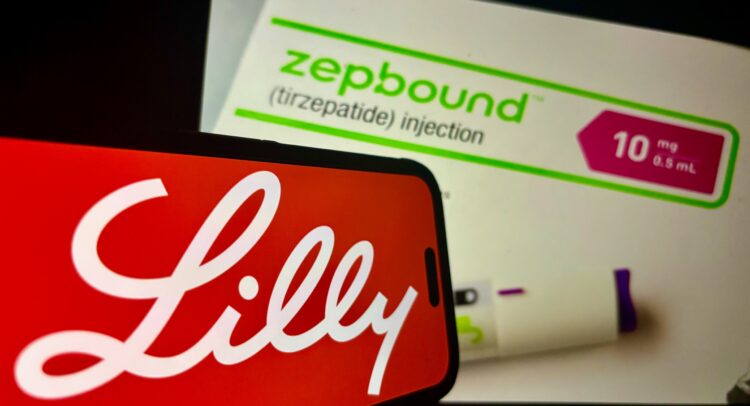
Eli Lilly has reduced the price of its weight-loss drug Zepbound to around $500 per month, but access remains limited for many due to inconsistent insurance coverage, especially among Medicaid and Medicare recipients. Despite high demand and strong sales, insurance issues hinder broader affordability, though Eli Lilly's stock is rated a strong buy with a significant upside potential.
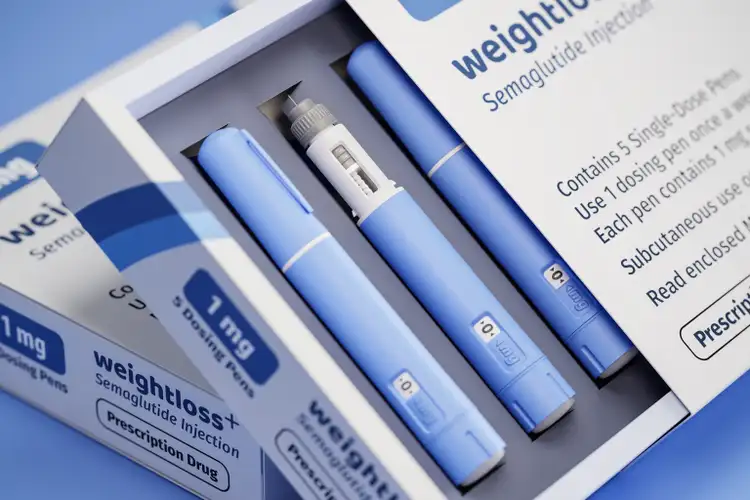
Hims & Hers Health plans to continue making cheaper, compounded versions of Novo Nordisk's weight-loss drug Wegovy despite Novo ending their partnership and accusing the company of legal violations. The CEO emphasized their commitment to patient choice and independence from pharmaceutical pressure, even as legal and regulatory challenges persist.

Amgen's shares dropped after disappointing trial results for its weight-loss drug MariTide, which showed high discontinuation rates due to gastrointestinal side effects, especially at higher doses, despite promising efficacy in weight loss; the company plans to adjust its Phase 3 trial strategy to mitigate these issues.
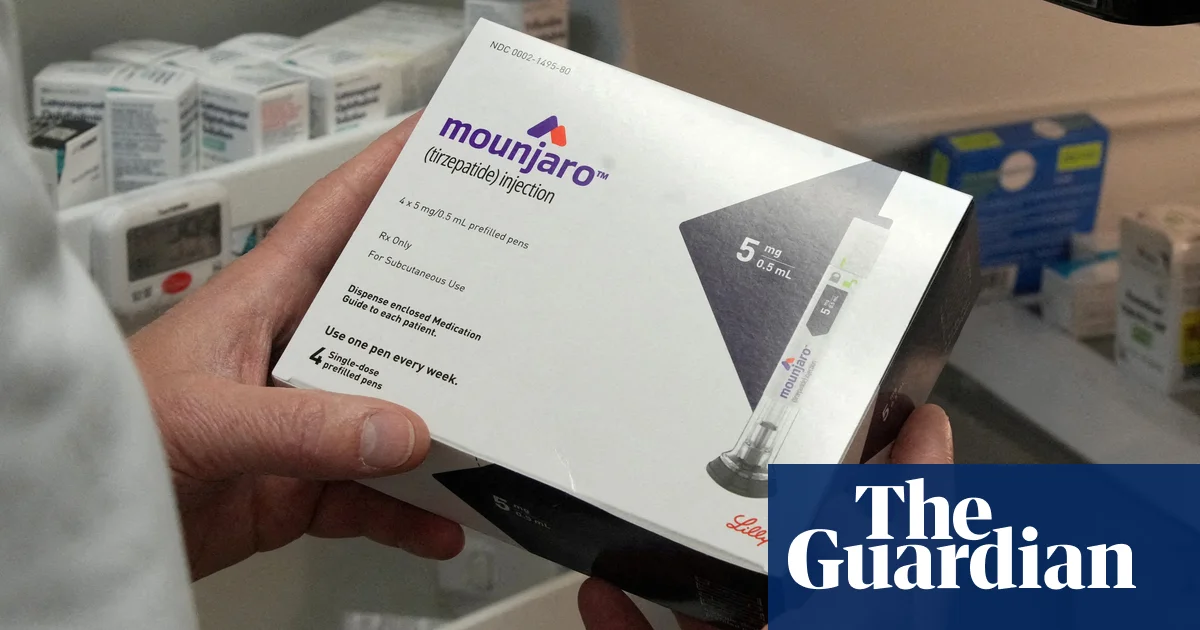
A UK nurse's death has been linked to the weight-loss drug tirzepatide, marketed as Mounjaro, which she obtained online and used before experiencing severe health issues. Her death certificate cites multiple organ failure and pancreatitis, with the drug noted as a contributing factor. The drug, approved in the UK in 2023, is under scrutiny, though authorities maintain its benefits outweigh risks. The incident raises concerns as the UK plans a trial to use tirzepatide to aid unemployed individuals in returning to work.
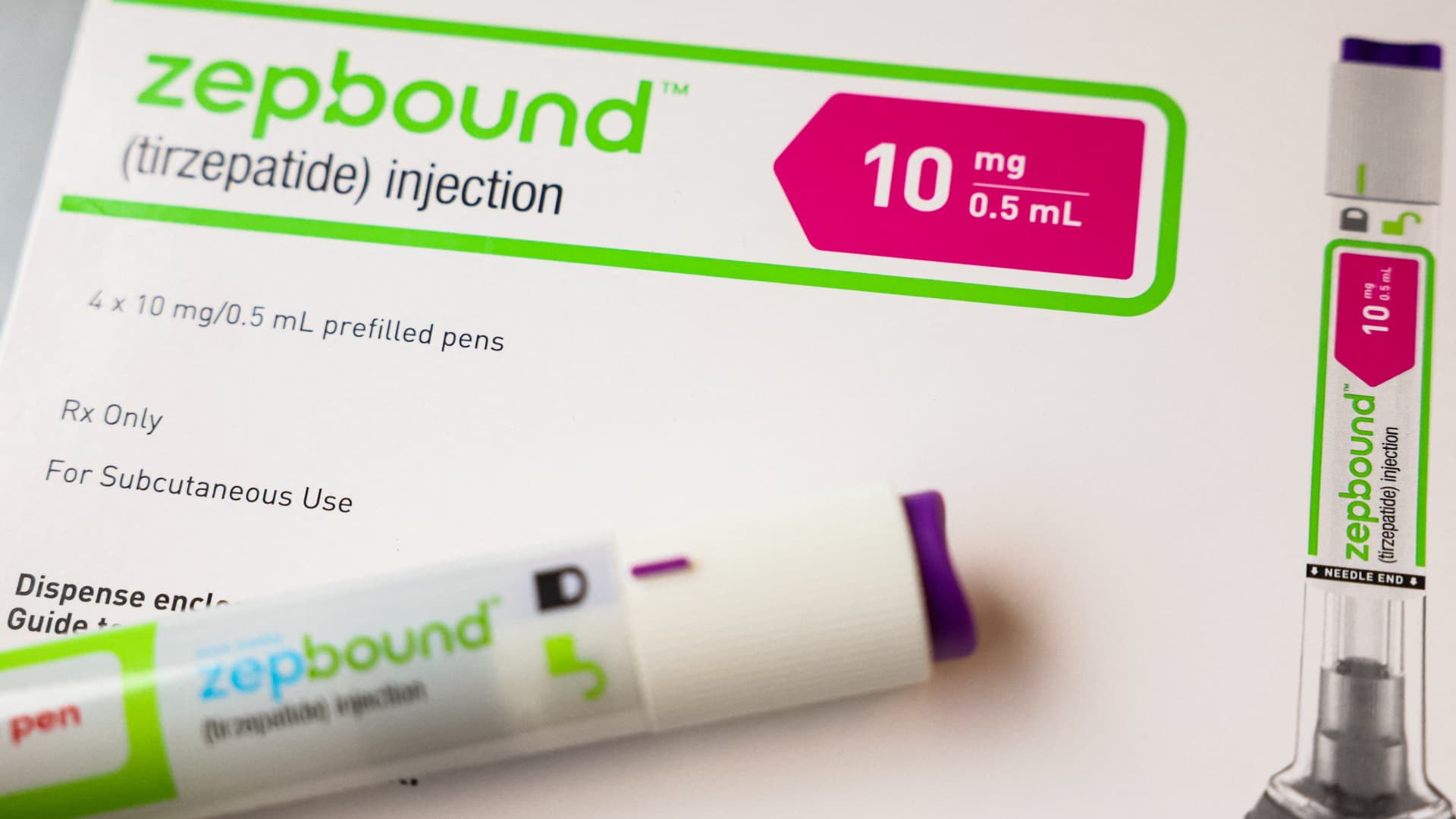
Eli Lilly has applied for FDA approval of its weight loss drug Zepbound for treating obstructive sleep apnea (OSA) and expects a decision by the end of the year. If approved, the drug could launch in early 2025. Recent trials show Zepbound significantly reduces OSA severity, potentially offering an alternative to current treatments like PAP machines.
Zealand Pharma's shares surged 18% after positive early-stage trial results for its weight loss drug petrelintide, which showed an average body weight reduction of 8.6% compared to 1.7% with a placebo. The drug was deemed safe and well-tolerated, positioning it as a potential alternative to GLP-1 receptor agonist-based therapies like Novo Nordisk's Ozempic. The company plans to proceed with a phase 2 clinical trial.
Eli Lilly is investing $5.3 billion in the US to tap into the lucrative $100 billion weight loss drug market.