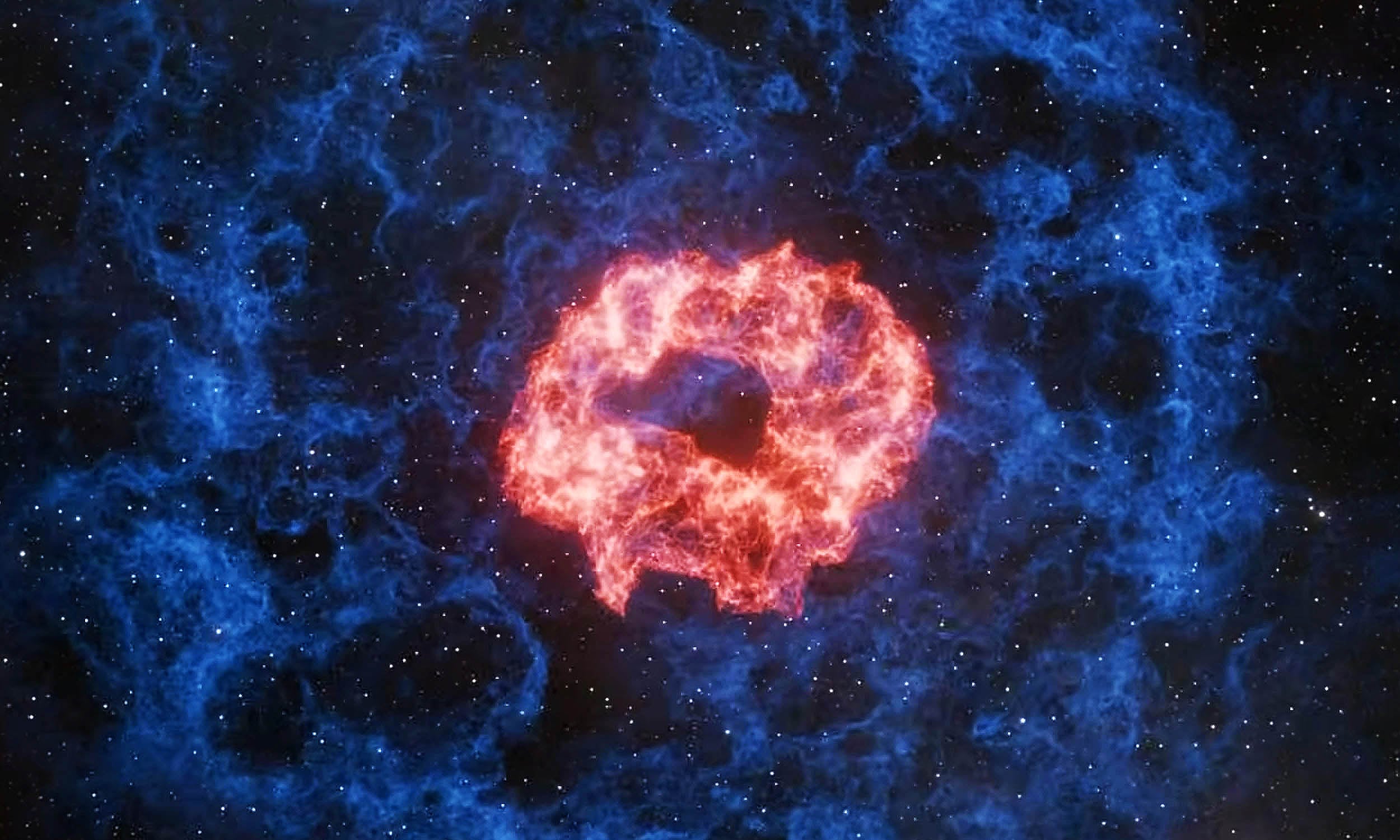
Astronomers may have observed the first superkilonova, a hybrid explosion involving both a supernova and a kilonova, suggesting new insights into star death and heavy element formation, though confirmation is pending.
Astronomers may have observed a new type of astrophysical event called a superkilonova, where a star splits in half, leading to a double explosion involving neutron stars, based on observations of the event AT2025ulz, which showed signs of both supernova and kilonova phenomena.
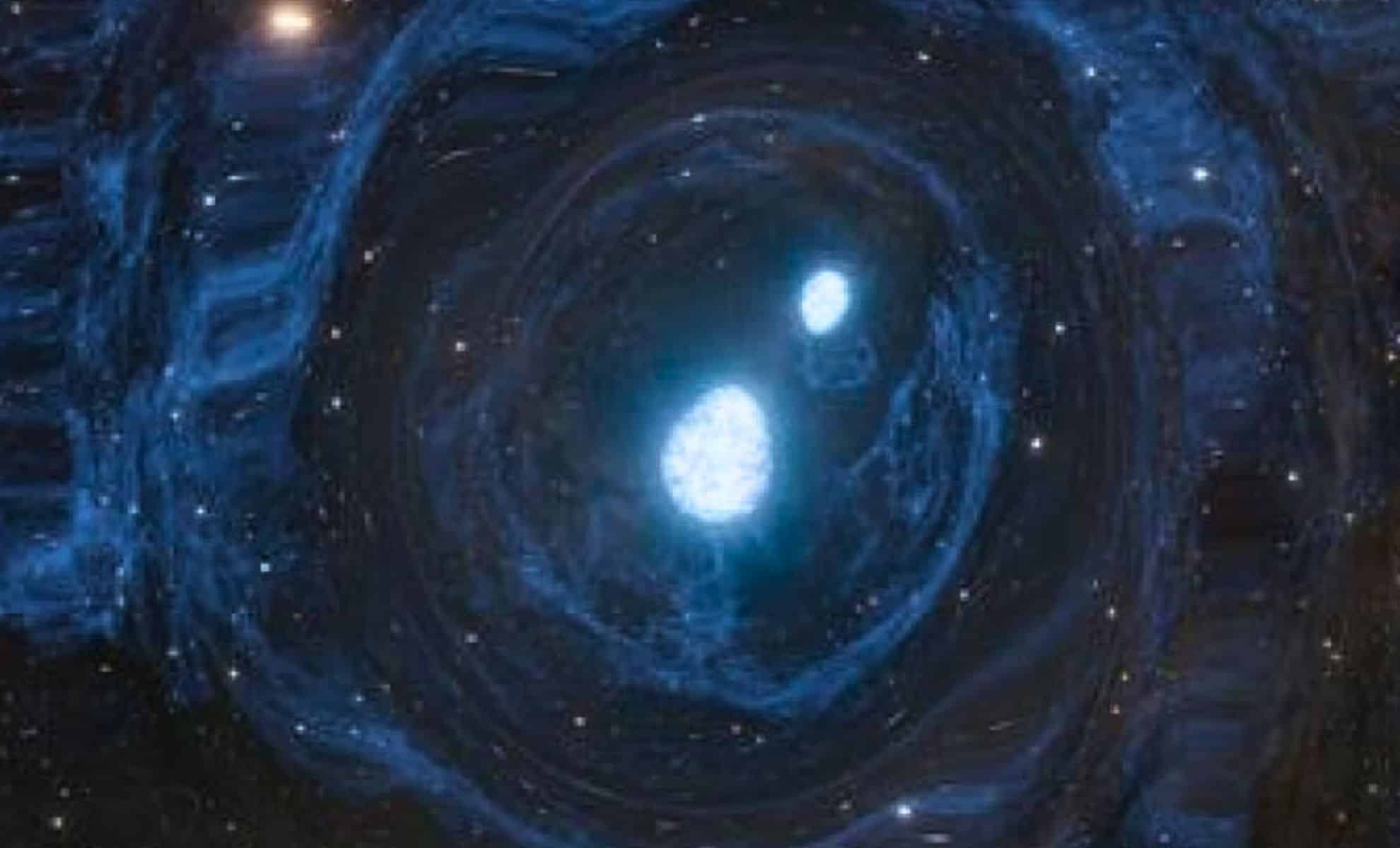
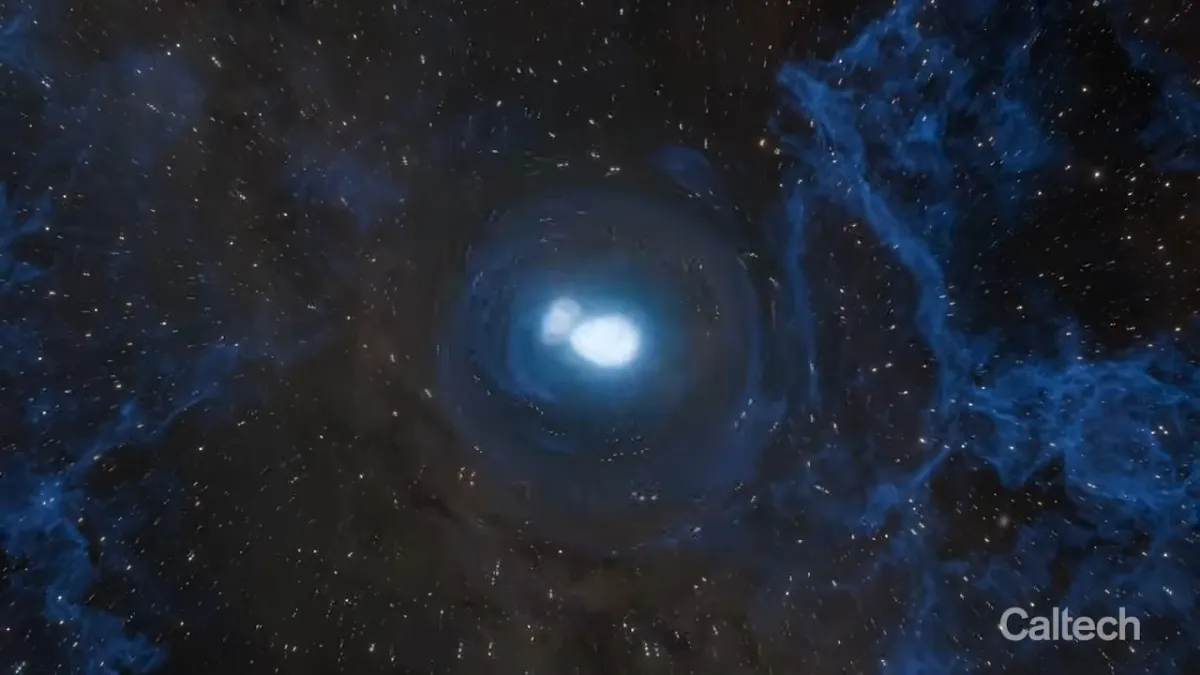
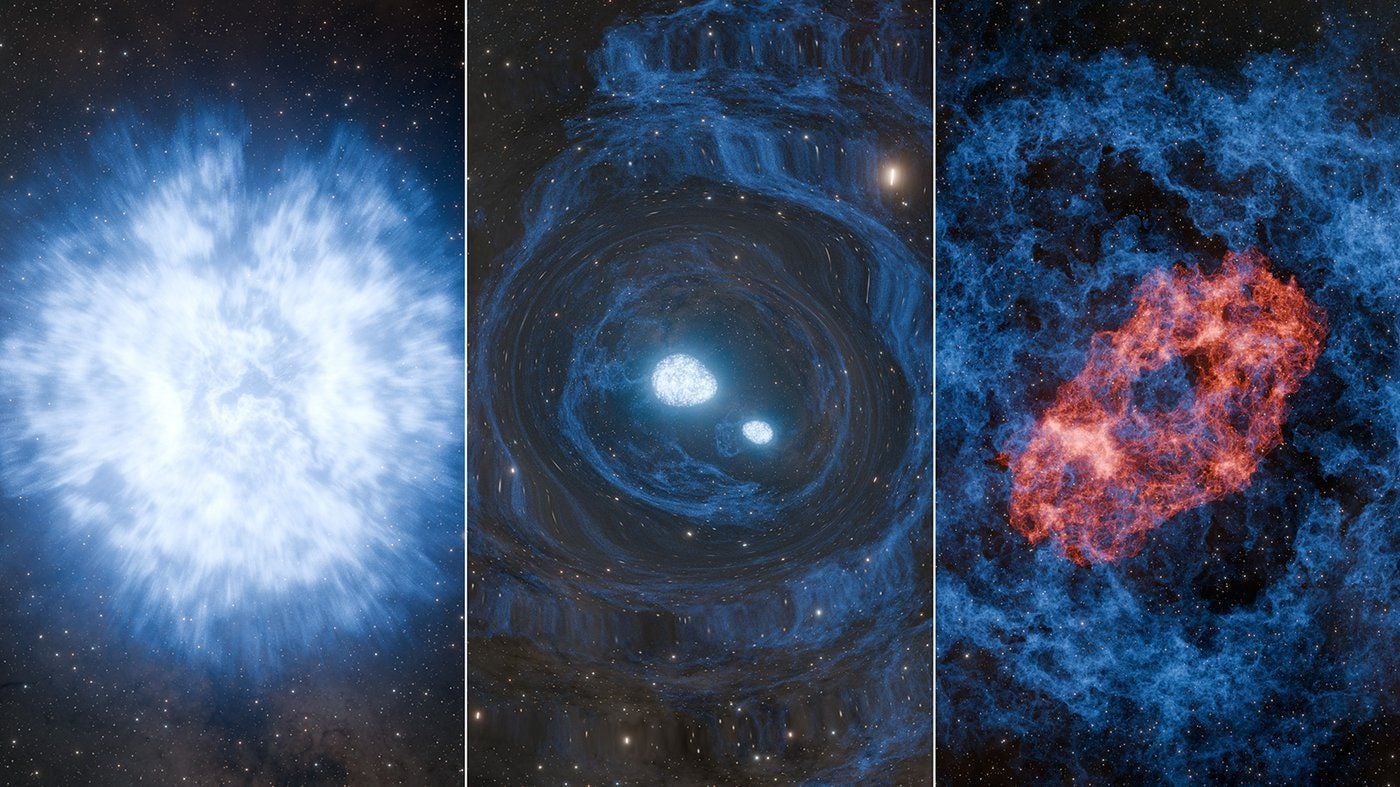
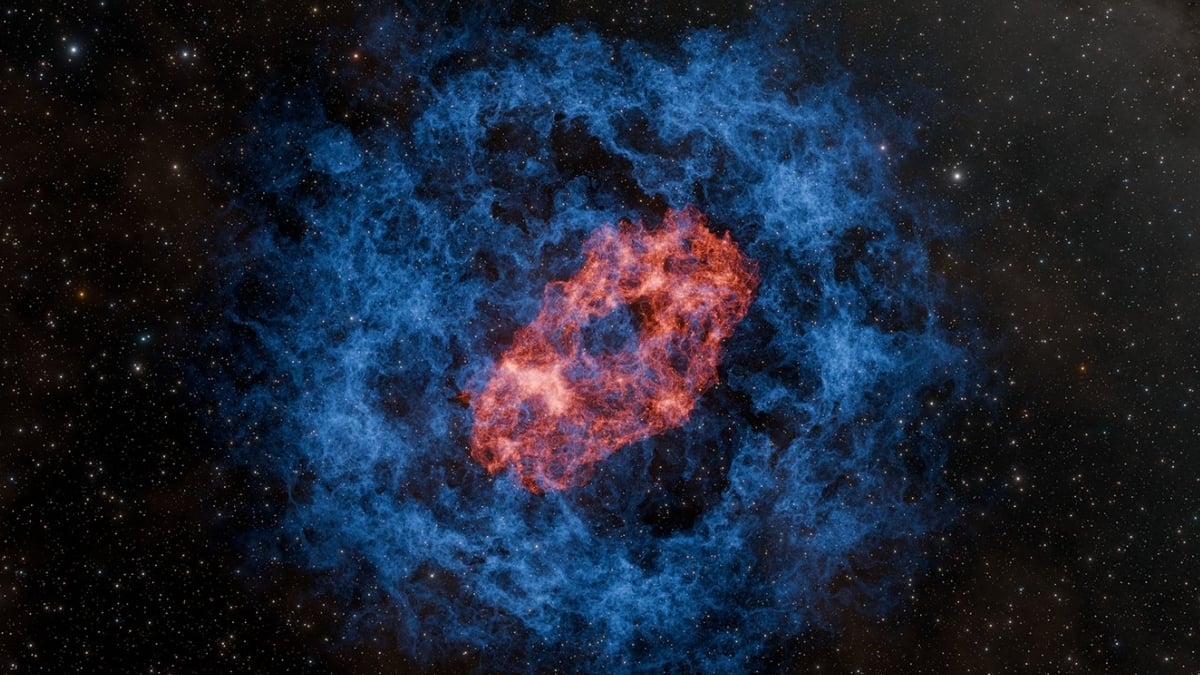
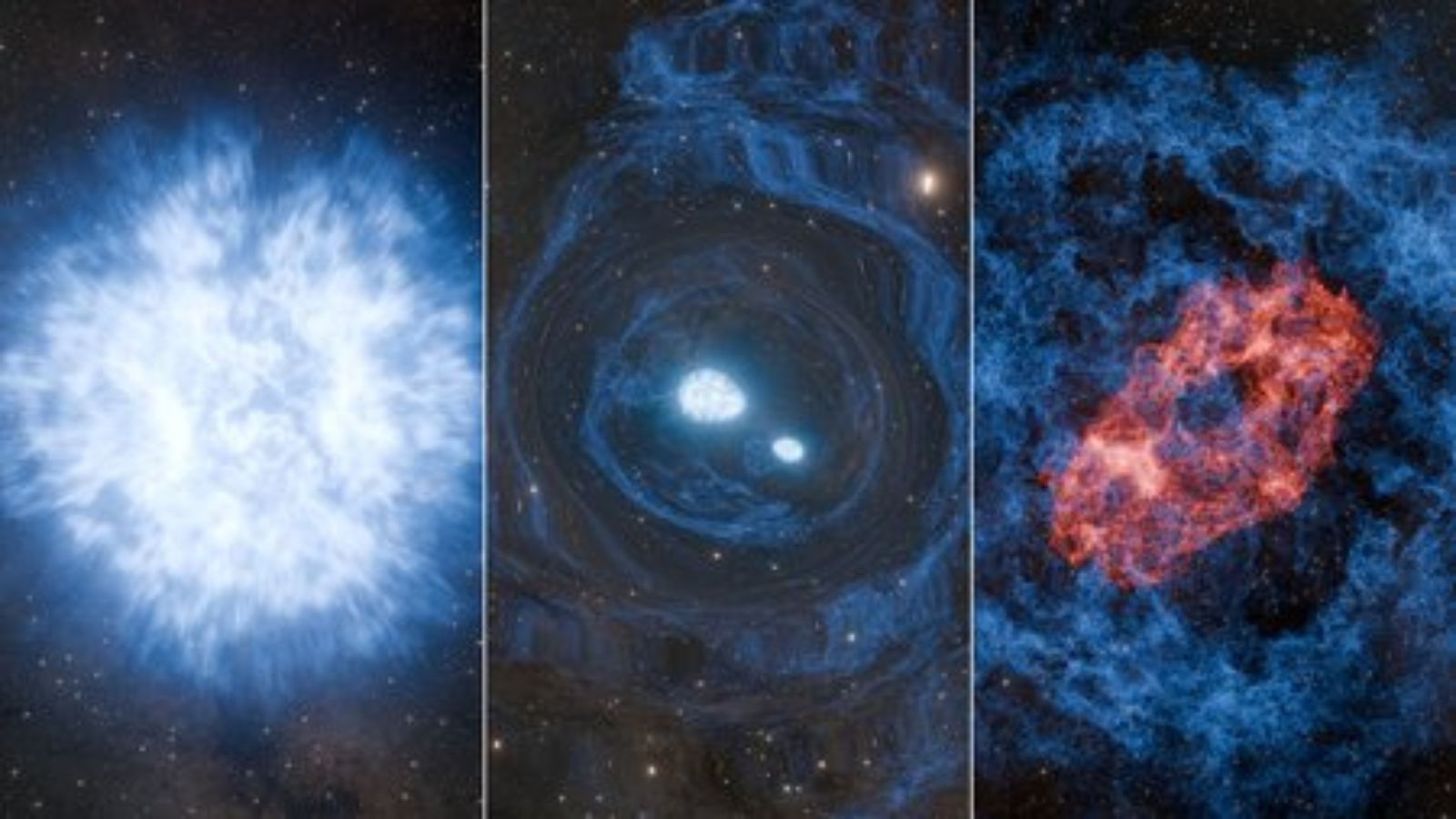
Scientists observed a unique cosmic event where a massive star first exploded as a supernova, then its core split into two neutron stars that collided, creating a hybrid 'superkilonova' explosion, challenging existing stellar physics and offering new insights into heavy element formation.
Caltech researchers may have discovered the first superkilonova, a rare event where a star explodes twice in different ways, involving the formation of low-mass neutron stars within a supernova, followed by their merger producing a kilonova, challenging previous understanding of stellar explosions.
Astronomers may have observed the first confirmed 'superkilonova,' a rare cosmic explosion that combines features of supernovae and kilonovae, involving a potential merger of neutron stars following a supernova, indicated by the unusual event AT2025ulz detected in 2025.
Astronomers may have detected the first superkilonova, a rare cosmic event involving the merger of two neutron stars, evidenced by a gravitational wave signal and unusual electromagnetic observations, suggesting a complex explosion that could involve sub-solar mass neutron stars. More data is needed to confirm this groundbreaking discovery.