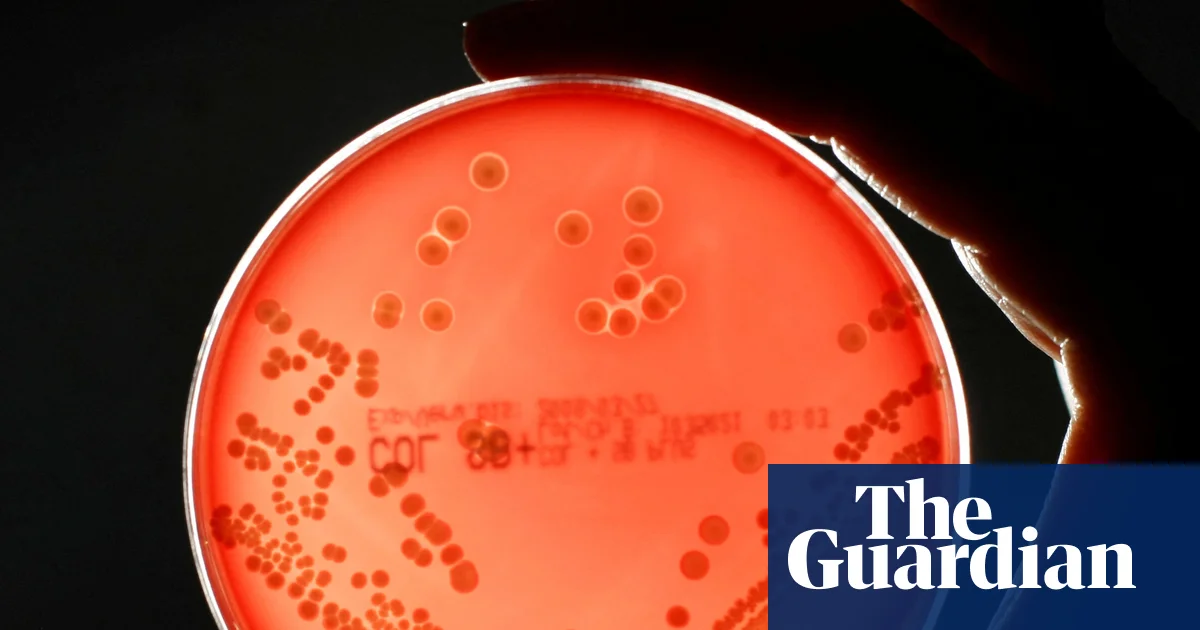
Scientists discovered a potent antibiotic compound, premethylenomycin C lactone, produced by soil bacteria that is 100 times more effective than the final product, offering a promising new approach to combat drug-resistant infections.
The WHO warns that antibiotic-resistant bacterial infections are surging globally, with one in six cases showing resistance in 2023, driven by overuse of antibiotics and inadequate surveillance, posing a serious threat to modern medicine and public health.
A study across Southeast Asia reveals a concerning rise of antibiotic-resistant superbugs in newborns, with high rates of resistance to standard treatments, especially among Gram-negative bacteria, highlighting the urgent need for updated guidelines and new antibiotics to combat neonatal infections.
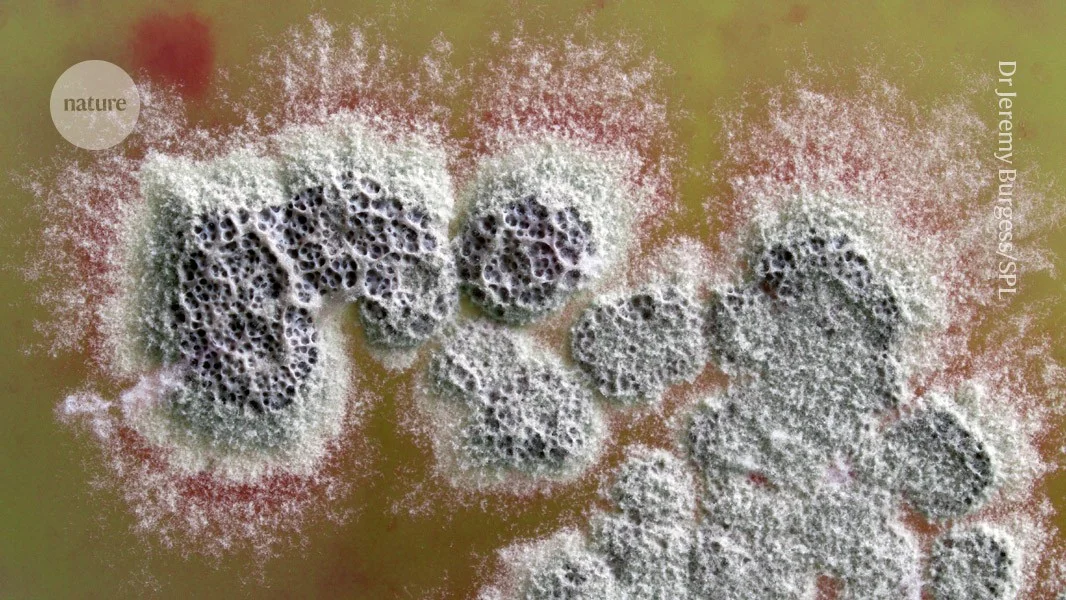
In California, cases of drug-resistant bacteria and fungi, including 'nightmare bacteria' and the deadly fungus C. auris, are rising sharply, reflecting a nationwide increase in antibiotic-resistant infections, driven partly by overuse of antibiotics during the COVID-19 pandemic.
European researchers have enhanced vinegar's bacteria-killing ability by adding quantum dot nanoparticles, creating a potentially powerful and safe tool against superbugs, especially when used with antibiotics, though further testing in humans is needed.
Scientists at MIT have used AI to design two new antibiotics effective against superbugs like MRSA, showing promise for a new era in antibiotic development, though further testing and clinical trials are needed before they can be used in humans.
AI has designed two new potential antibiotics targeting drug-resistant gonorrhoea and MRSA, showing promise in laboratory and animal tests, but they still require years of refinement and clinical trials before potential use in humans. The research highlights AI's role in revolutionizing antibiotic discovery amidst rising antibiotic resistance, though challenges remain in drug manufacturing and economic viability.
A 21-year-old woman from Northern Ireland developed a severe, antibiotic-resistant infection (MRSA) after a hip abscess, leading to long-term damage and the need for a hip replacement. Her case highlights the global threat of antimicrobial resistance (AMR), which makes infections harder to treat and endangers medical procedures, emphasizing the importance of responsible antibiotic use and the urgent need for new treatments.
Models predict that if antimicrobial resistance (AMR) continues to rise without intervention, superbugs could cause millions of deaths and nearly $2 trillion in annual economic losses by 2050, with the US, UK, and EU among the hardest hit. The study highlights the importance of investing in new antibiotics and treatment programs, as current aid cuts may worsen the problem, leading to increased healthcare costs and workforce reductions worldwide.
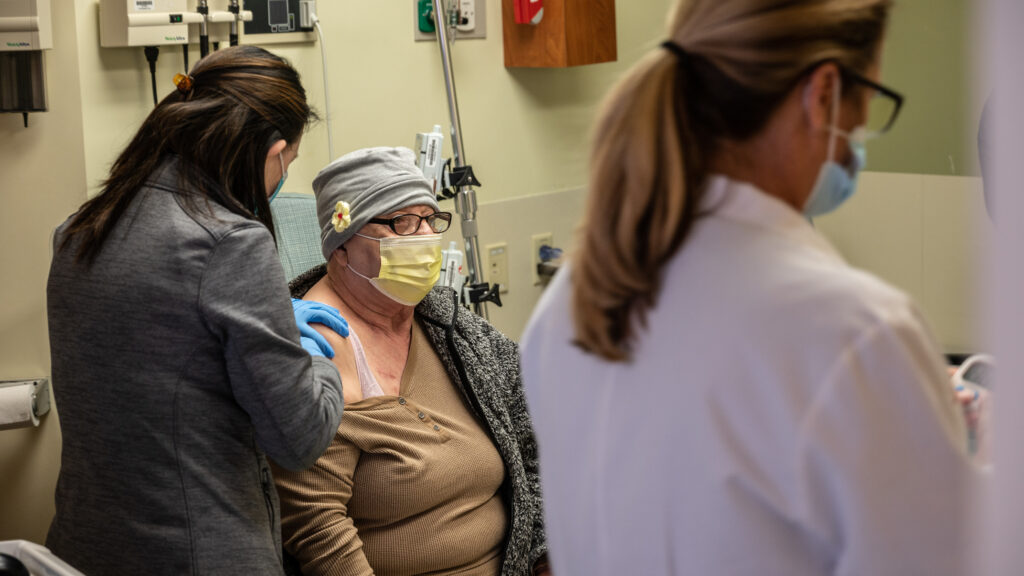
Oncologists are urged to recognize antimicrobial resistance as a critical crisis impacting cancer treatment, with studies showing cancer patients are at higher risk of resistant infections, which threaten to undermine advances in cancer therapies. The article emphasizes the need for integrated efforts across disciplines to improve infection control, develop new antibiotics, and update treatment guidelines to address this emerging threat.
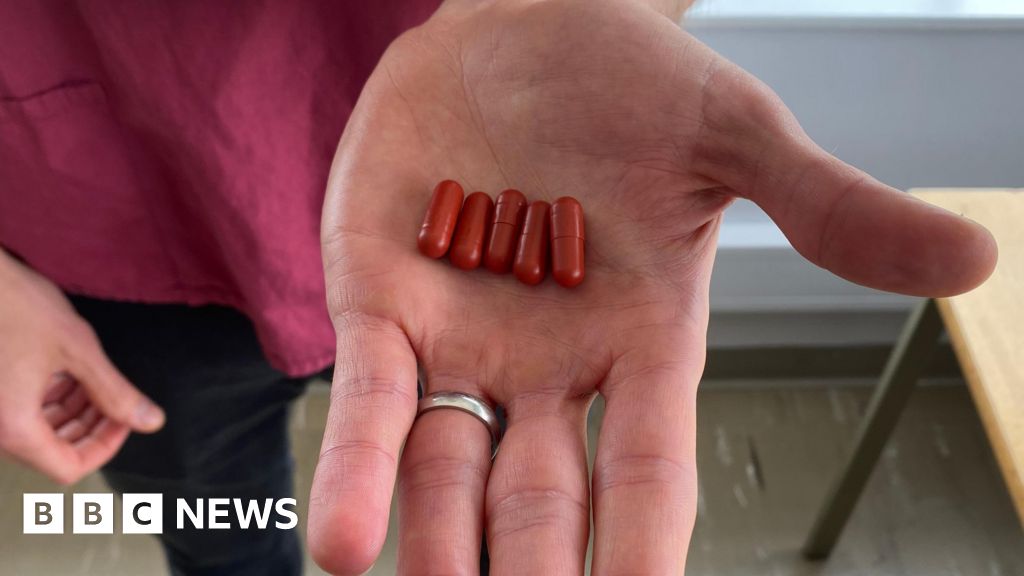
Doctors are exploring the use of 'poo pills' containing freeze-dried healthy bacteria to combat antibiotic-resistant superbugs in the gut, showing promising early results in reducing dangerous infections and increasing gut bacterial diversity, which could revolutionize infection treatment and prevention.
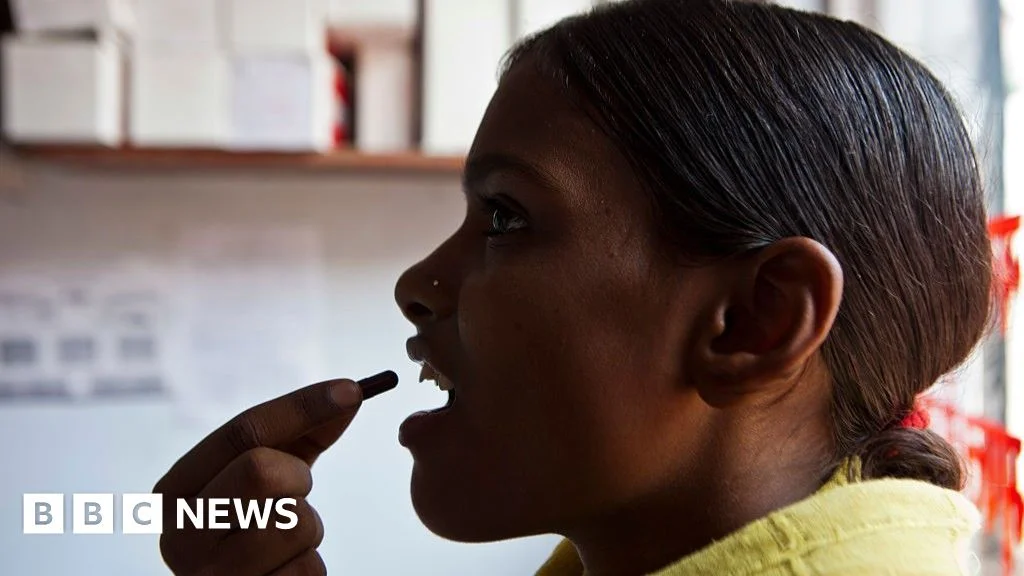
India faces a dual crisis of rising superbugs due to overuse of antibiotics and a lack of access to essential drugs for those who need them, driven by weak health systems, high costs, and regulatory gaps, highlighting the urgent need for better policies, affordable treatments, and innovation in antibiotic development.
Phage therapy, which uses bacteriophages to target bacterial infections, is gaining renewed interest as an alternative to antibiotics, which are becoming less effective due to overuse and bacterial resistance. Scientists like Biswajit Biswas and Carl Merril are exploring how phages can persist in the body and potentially evolve to avoid being filtered out by the immune system, offering hope against antibiotic-resistant superbugs. This approach, once overshadowed by antibiotics, is being revisited as a promising solution to combat rising bacterial resistance.
Researchers at Dalhousie University in Nova Scotia, led by Christopher McMaster, have developed a new family of 30 antibiotics to combat superbugs, which are bacteria resistant to current medications. This breakthrough comes after a decade of research involving over 700 variations. The new antibiotics can be administered in various forms and are effective against drug-resistant bacteria, including those causing diabetic foot infections. The team is now seeking funding for safety and toxicity trials, with the World Health Organization highlighting superbugs as a significant global health threat.
Modern warfare is contributing to the rise of deadly superbugs due to the increased use of antibiotics in military settings, which accelerates the development of antibiotic-resistant bacteria. This poses significant health risks as these superbugs can spread beyond conflict zones, challenging global health systems.