Researchers discovered a potent new antibiotic, pre-methylenomycin C lactone, in a bacteria species studied for decades, which shows promise against resistant bacteria like MRSA and VRE, and remains effective after prolonged exposure, highlighting a new approach to antibiotic discovery by exploring biosynthetic intermediates.
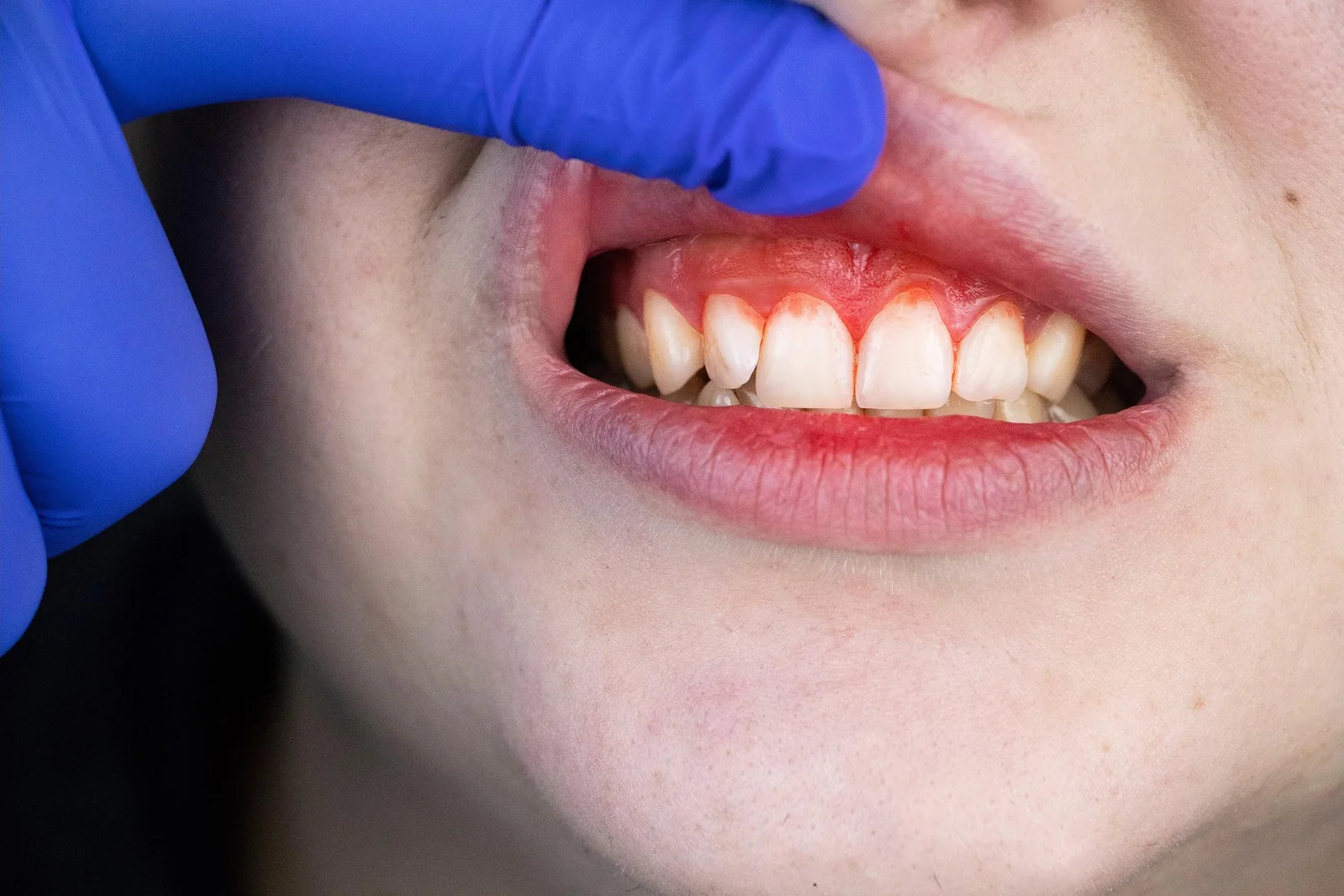
Researchers in Brazil have developed a powdered form of the natural compound morin, found in fruits and nuts, which shows promise as a non-antibiotic treatment for gum disease. Encapsulated in a controlled-release system, this powder could help treat periodontal bacteria, especially for individuals with reduced motor skills, and offers a potential alternative to traditional treatments with fewer side effects.
European researchers have enhanced vinegar's bacteria-killing ability by adding quantum dot nanoparticles, creating a potentially powerful and safe tool against superbugs, especially when used with antibiotics, though further testing in humans is needed.
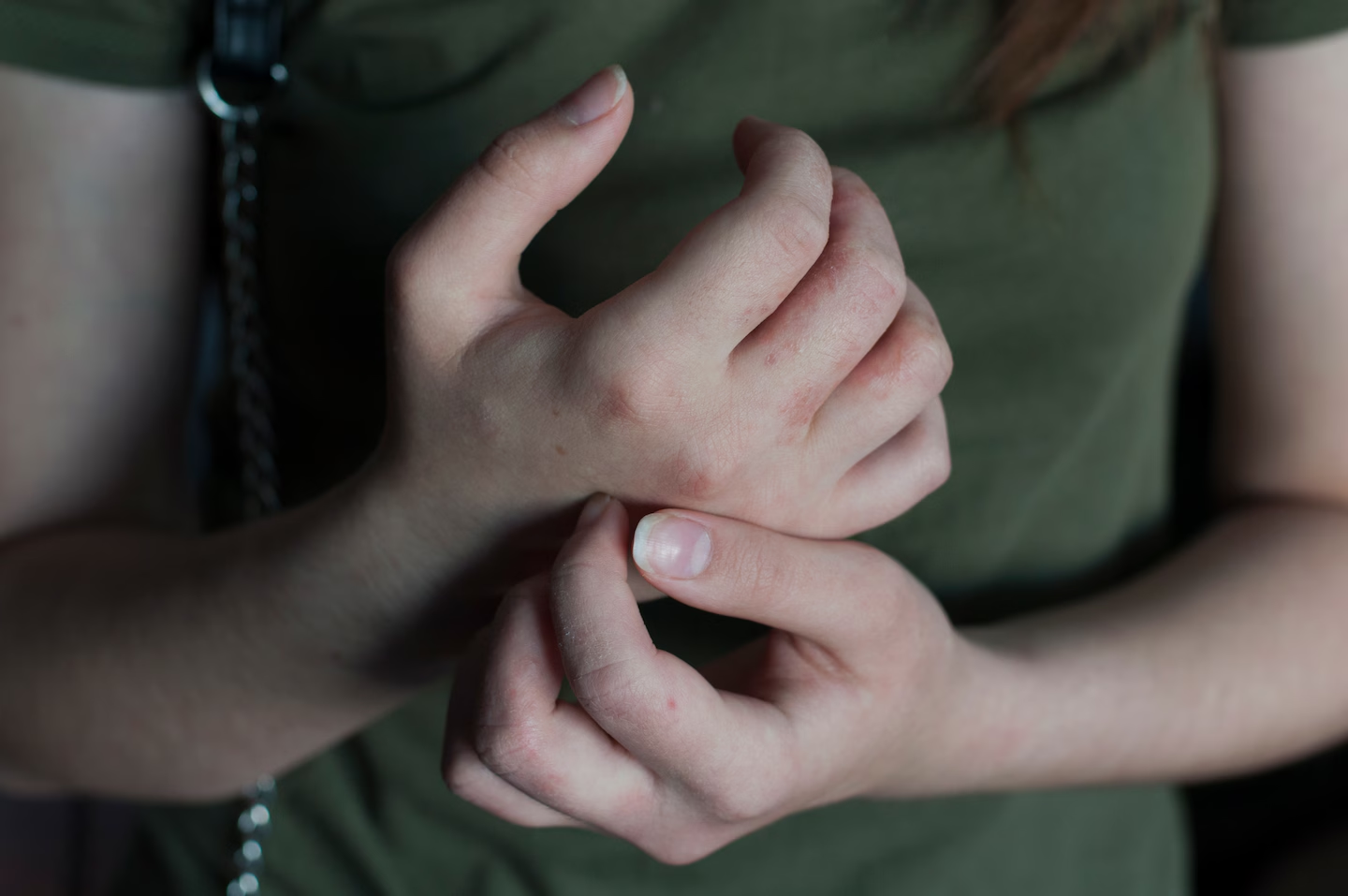
Research shows children with higher levels of triclosan in their urine are 23% more likely to develop eczema symptoms, highlighting concerns over its presence in various personal care products despite regulatory restrictions.
Glasgow-based design company POTR Pots has created the LetterBox Vase, inspired by a centuries-old technique of using copper to keep flowers fresh. By dropping a pre-1992 1 or 2 pence coin from The Royal Mint or a pre-1982 penny from the U.S. Treasury into the vase, the copper acts as a natural antimicrobial, killing bacteria and extending the life of the flowers. The vase features a copper stem, a self-cleansing design made from recycled materials, and a flat-pack design to reduce carbon footprint. The initiative aims to reduce premature flower wastage and is available in three pastel colors.
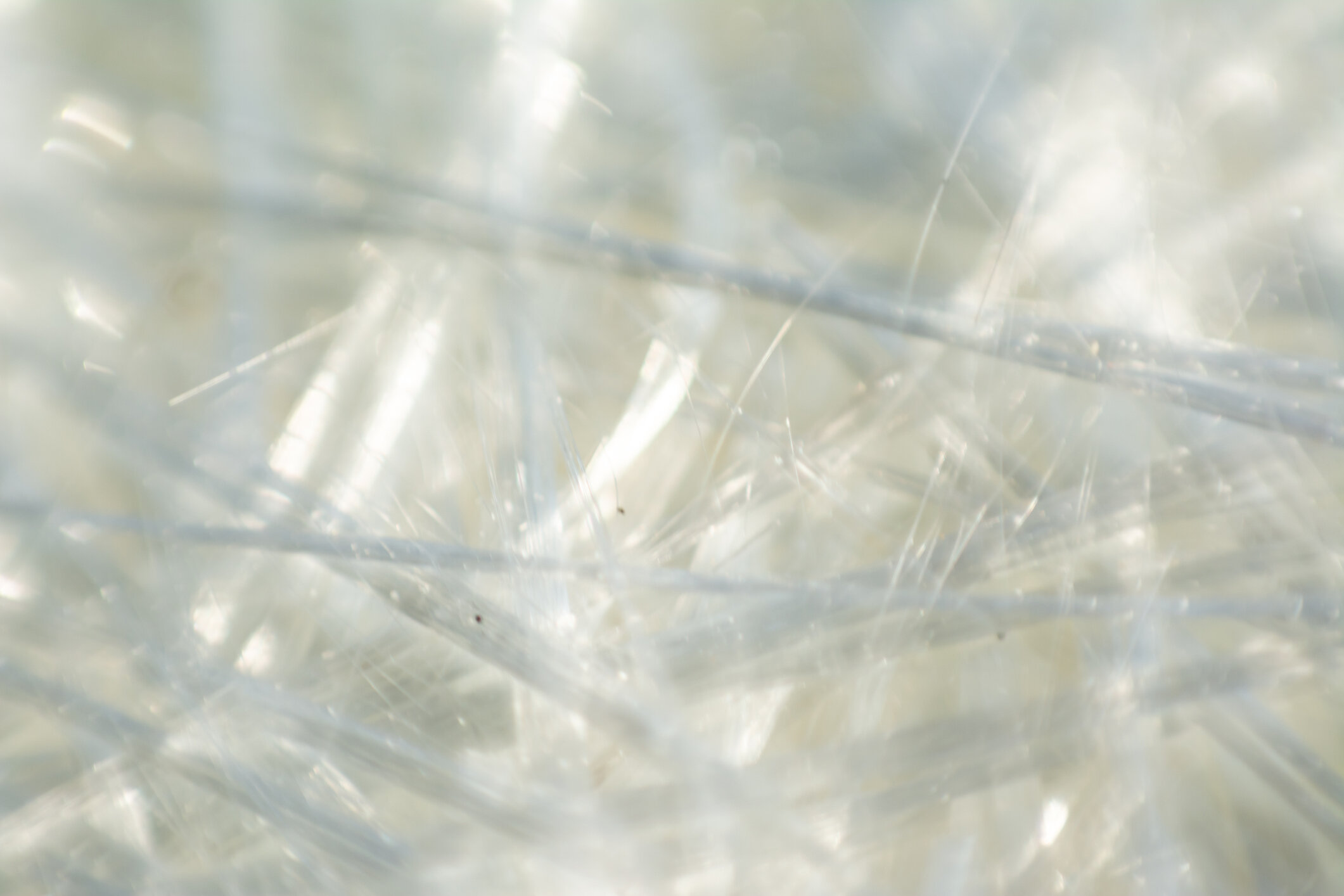
Researchers at the University of Birmingham have demonstrated that bioactive glass doped with silver can provide long-lasting antimicrobial wound protection. The study showed that specific preparation, storage, and application techniques can minimize the transformation of silver ions to silver chloride and retain antimicrobial activity. Bioactive glass has been used for years in bone grafting, and the researchers are now exploring its potential for dental surgery and wound care. The team is looking to collaborate with companies to develop their promising new biomaterials.