Tag

Sugar Alternatives

All articles tagged with #sugar alternatives

health18 days ago

Healthy-Sounding Foods May Hide Hidden Sugars

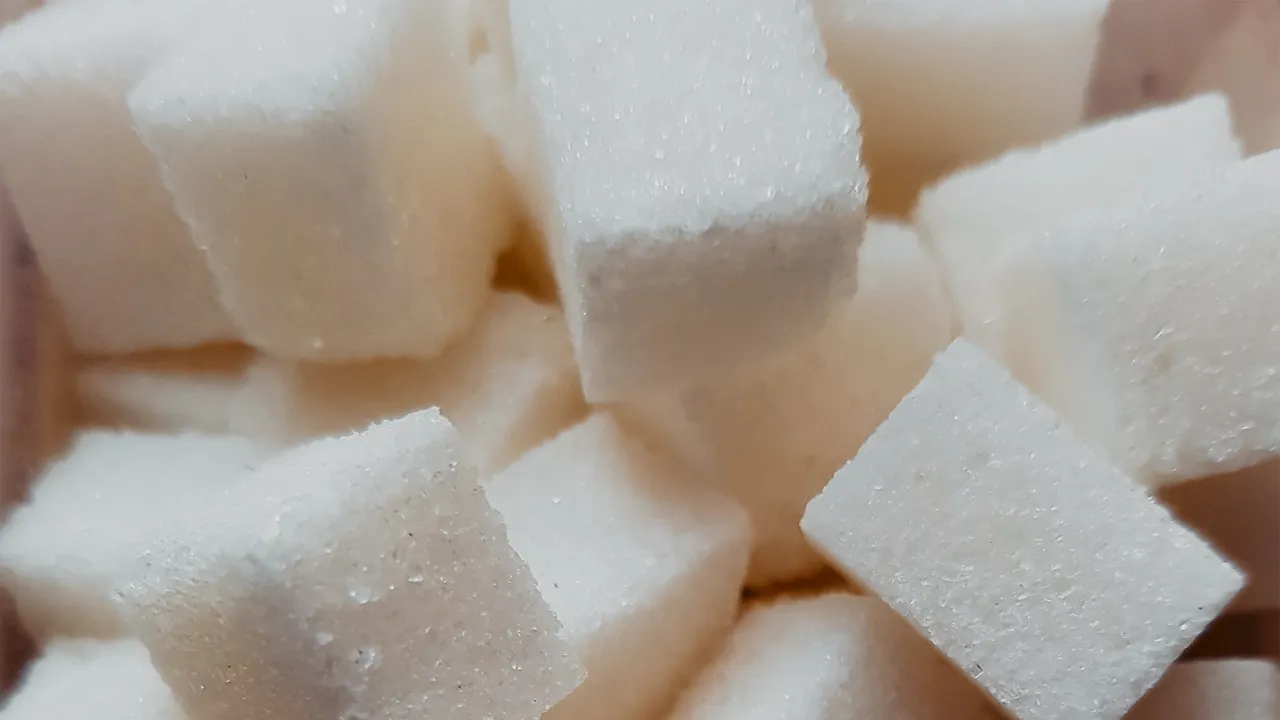
Many products marketed as healthy, such as granola, yogurt, and plant-based milks, contain hidden added sugars, which can contribute to health issues like heart disease and obesity. Consumers should scrutinize nutrition labels, be aware of clever marketing tactics, and consider reducing overall sugar intake by choosing plain options and adding natural sweeteners themselves. Artificial sweeteners may not be a better alternative, and moderation is key to maintaining health.
health18 days ago

Healthy-Sounding Foods May Conceal Hidden Sugars

Many processed foods and 'healthy' products contain hidden added sugars that can be disguised through clever marketing and alternative sweeteners. Consumers should carefully read nutrition labels, especially the added sugar content, and be cautious of seemingly healthy options like organic or plant-based products, which can still contain significant amounts of sugar. Reducing intake to less than 5-10% of daily calories is advisable, and choosing plain foods to add natural sweeteners is a healthier strategy.

health-and-wellness2 years ago

"Discover the Best Natural Sweeteners for a Healthier Lifestyle"

Excessive sugar intake can lead to health issues, so turning to natural sweeteners can be a healthier alternative. Some natural sweeteners, like fruits, monk fruit extract, raw honey, pure maple syrup, coconut sugar, and blackstrap molasses, offer a sweet taste while providing important nutrients. These sweeteners are low in calories and fructose, and some even have antioxidant properties. However, it's important to be mindful of certain natural sweeteners, such as agave nectar, sugar alcohols, and high-fructose corn syrup, which may have adverse effects on health. Reducing sugar intake can be achieved by avoiding added sugar, swapping soda for water, reducing sugar in baking, using spices for flavor, and comparing nutrition labels for lower sugar options. Consulting a healthcare provider, like a registered dietitian, can provide further guidance on sugar alternatives and maintaining a healthy diet.

health-and-nutrition2 years ago

"Nutritionists Reveal 3 Sugar-Free Snacks to Avoid for Effective Weight Loss"

Not all sugar-free snacks are created equal, and some can actually hinder weight loss efforts. Nutritionists warn against consuming sugar-free cookies with high fat content, sugar-free candies with sugar alcohols, and sugar-free granola bars with high carbohydrate content. These snacks may lack important nutrients like fiber and protein, leading to overeating and weight gain. Sugar alcohols in candies can trigger cravings and disrupt gut bacteria, while high carbohydrate content in granola bars can cause blood sugar spikes and crashes, leading to increased hunger and potential overeating.

health2 years ago

The Potential Dangers of Diet Coke: Increased Risk of Silent Killer and Type 2 Diabetes

A new study published in the Diabetes Journal has found that consuming artificial sweeteners, including those found in Diet Coke, could increase the risk of developing type 2 diabetes. The research adds to concerns raised in June when the World Health Organization classified aspartame, an artificial sweetener, as "possibly carcinogenic to humans." The French scientists who conducted the study recommend avoiding "diet" alternatives and instead opting for unsweetened foods and drinks with naturally occurring sugars. While existing daily limits on aspartame are considered safe, experts caution against consuming excessive amounts due to potential health problems.

health2 years ago

WHO advises against non-sugar sweeteners for weight loss and health.

The World Health Organization has recommended against the use of sugar-free sweeteners to control body weight, citing evidence that they do not benefit adults or children who are trying to reduce body fat and may have potential undesirable effects from long-term use, such as an increased risk of Type 2 diabetes. The WHO acknowledged that policy decisions based on this recommendation may require substantive discussion in specific country contexts, and urged people to consider other ways to reduce free sugars intake, such as consuming food with naturally occurring sugars, like fruit, or unsweetened food and beverages.