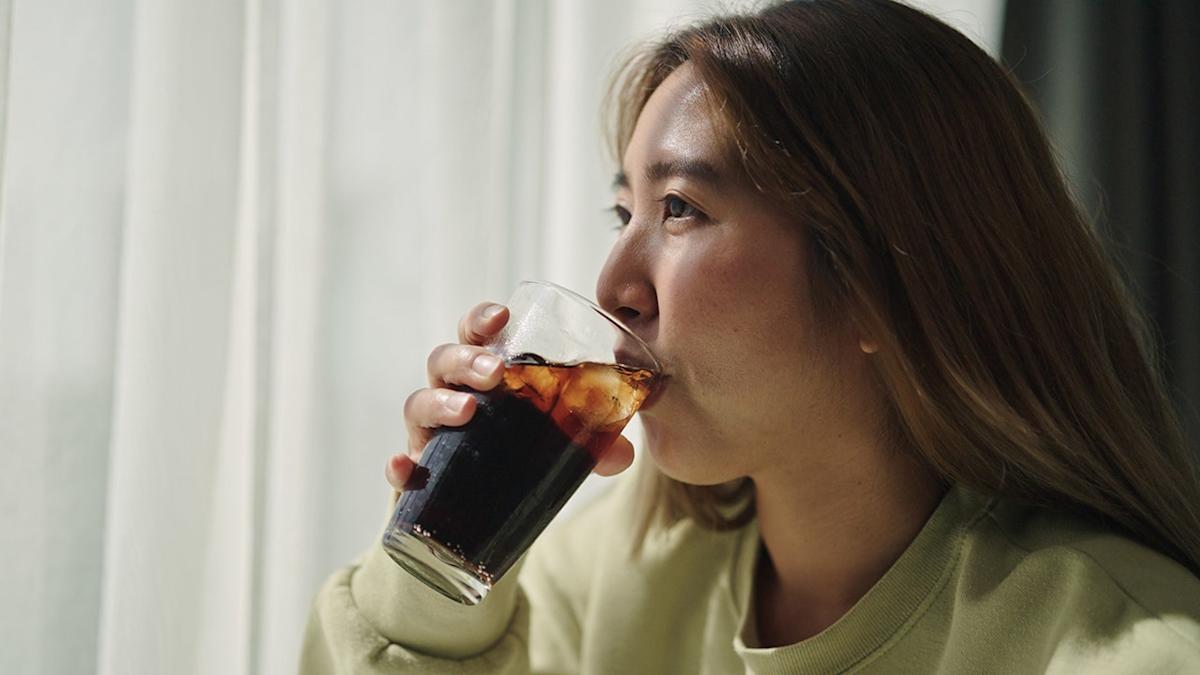
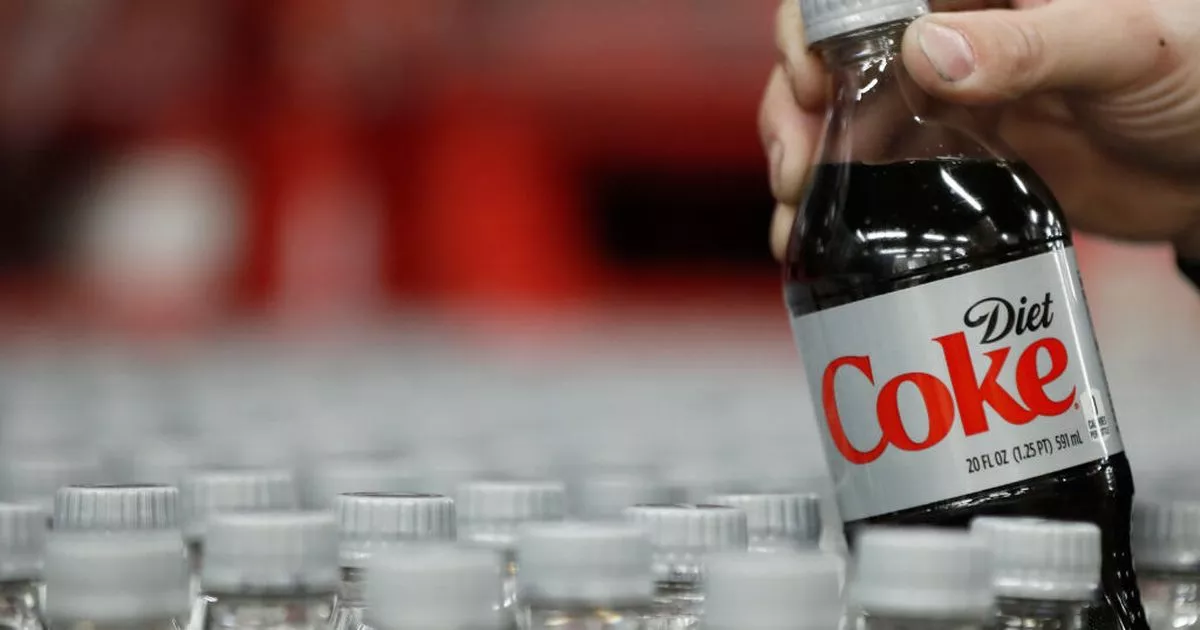
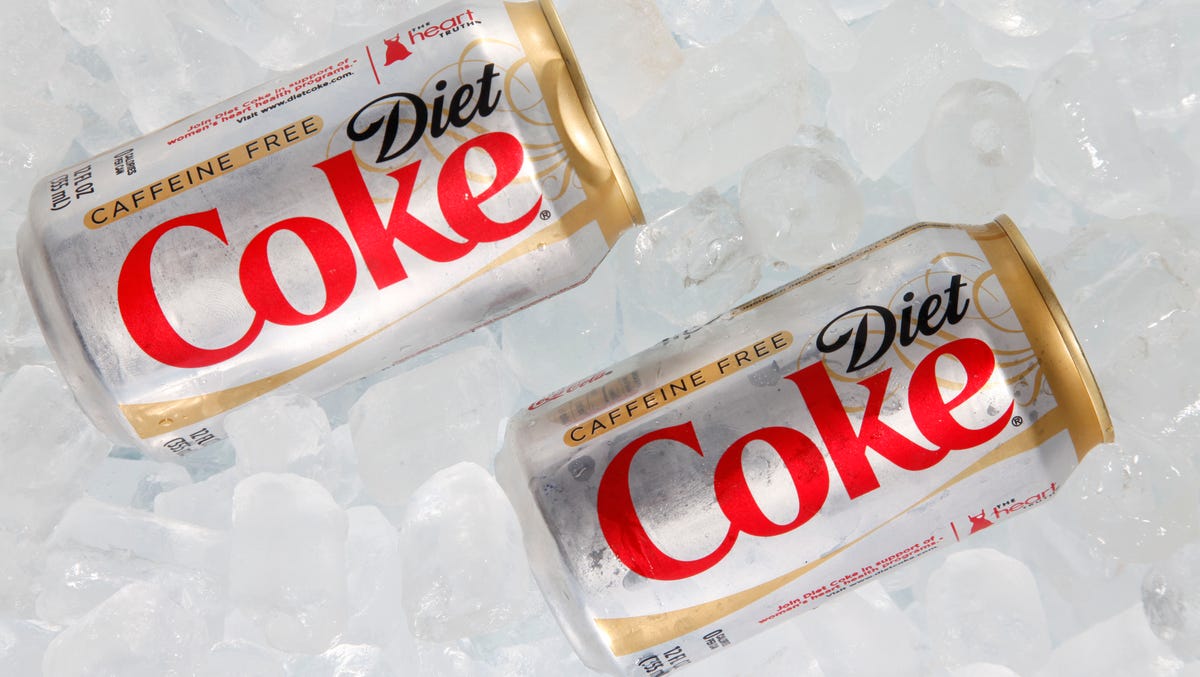
A TikTok trend has popularized 'fridge cigarettes,' where Gen Z individuals replace traditional cigarettes with chilled Diet Coke as a comforting ritual, raising health concerns from experts about dependency, artificial sweeteners, and dopamine depletion.
Gen Z has popularized a TikTok trend called 'fridge cigarette,' where enjoying a cold Diet Coke serves as a calming ritual similar to a smoke break, but health experts warn about potential long-term health risks from artificial sweeteners and reliance on soda for stress relief.
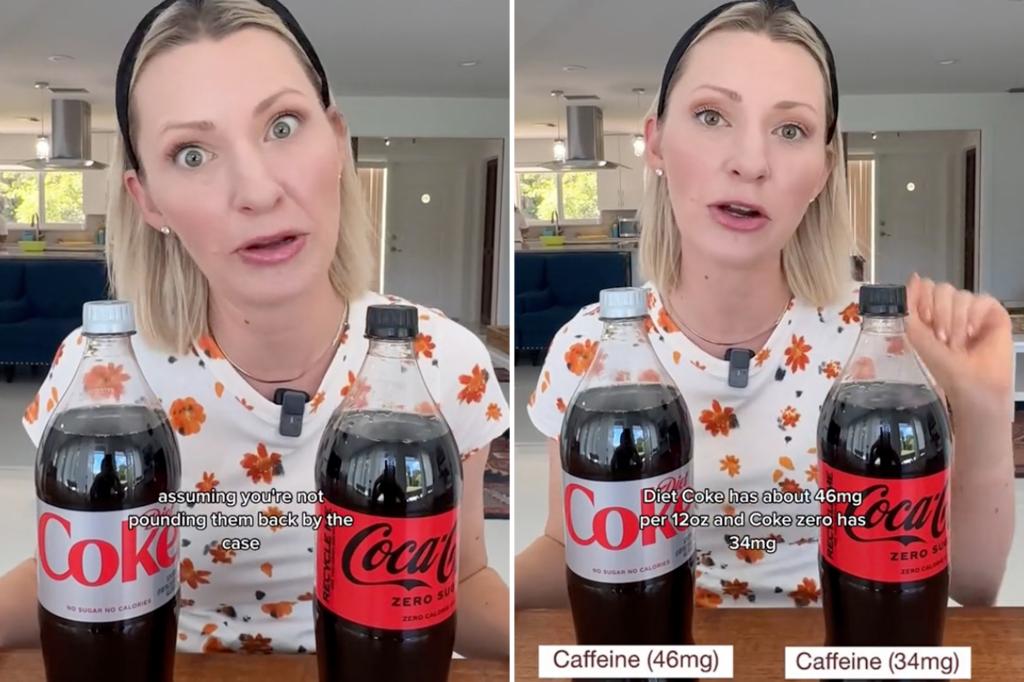
A Toronto-based registered dietitian compared the healthfulness of Diet Coke and Coke Zero, noting that both contain aspartame and caffeine, but Coke Zero also includes acesulfame potassium. While both sweeteners are FDA-approved, concerns have been raised about their potential health risks. The dietitian advised moderation and emphasized that diet sodas should be treated no differently than regular soda, cautioning that artificial sweeteners may trigger cravings for sweets and increase insulin levels over time.
Drinking a Diet Coke every day isn't the healthiest choice, but for those with a sweet tooth trying to limit sugar intake, it can be a satisfying alternative. The artificial sweetener aspartame in Diet Coke has sparked health concerns, with organizations like the IARC classifying it as "possibly carcinogenic to humans." Other ingredients like phosphoric acid and caffeine also raise potential health issues. While moderate consumption may not have detrimental effects for generally healthy individuals, exploring alternatives like seltzer is recommended.
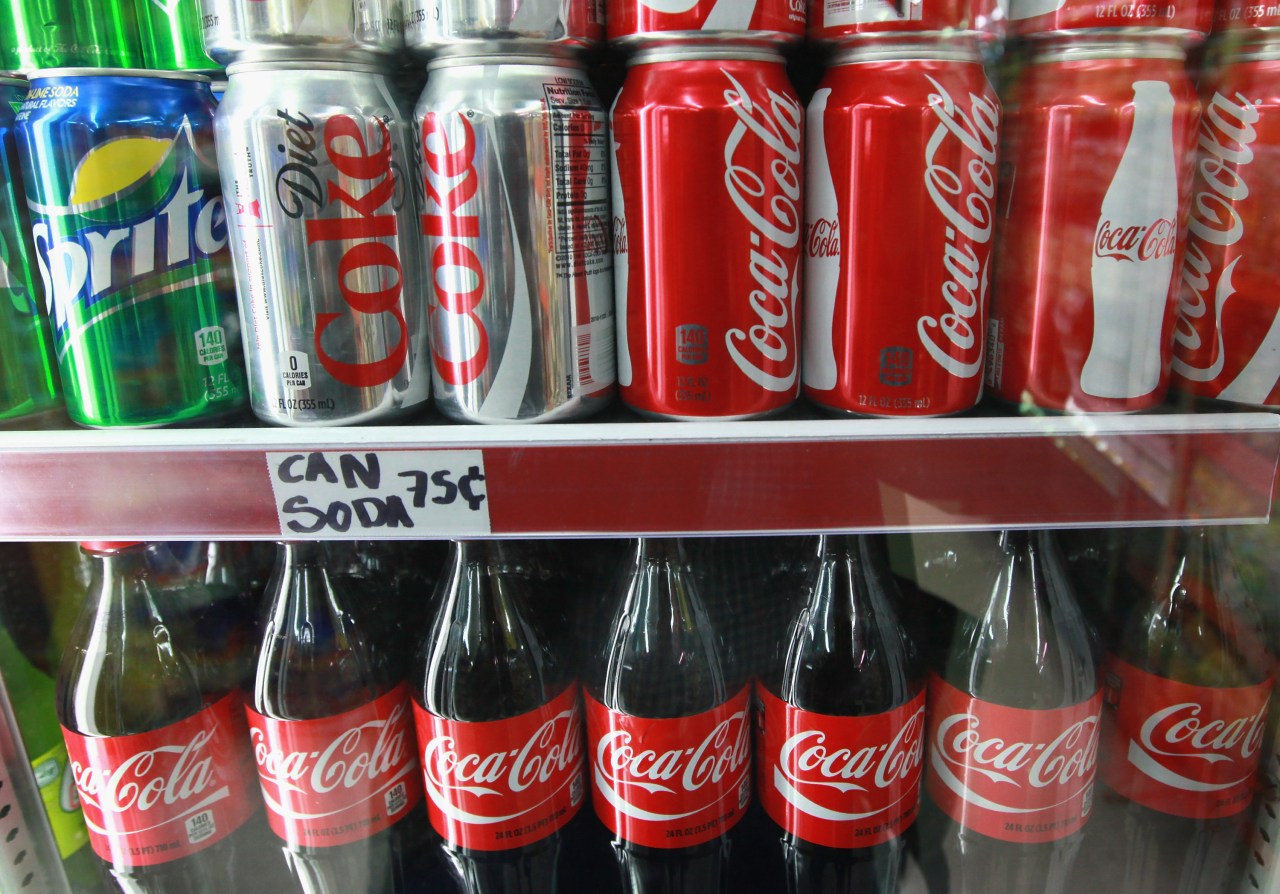
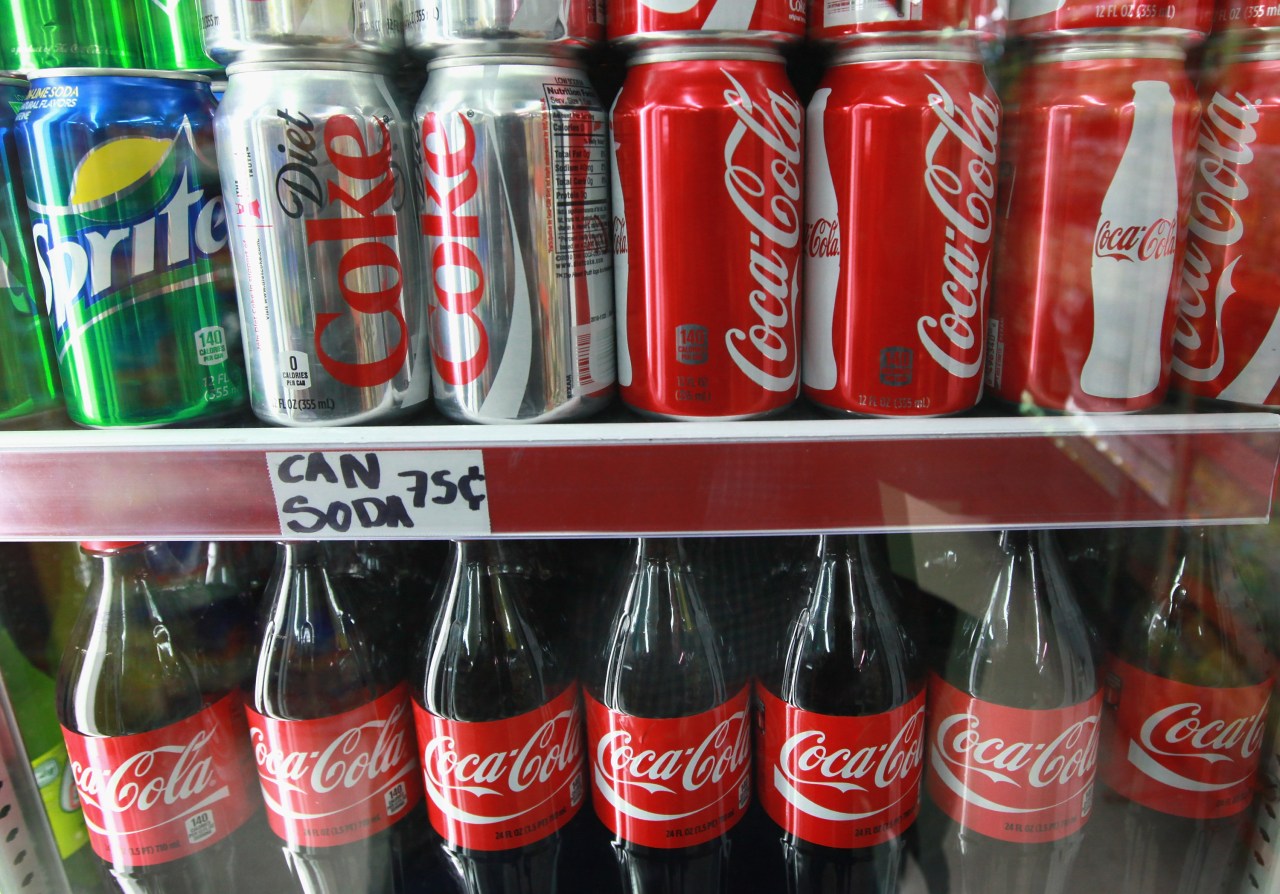
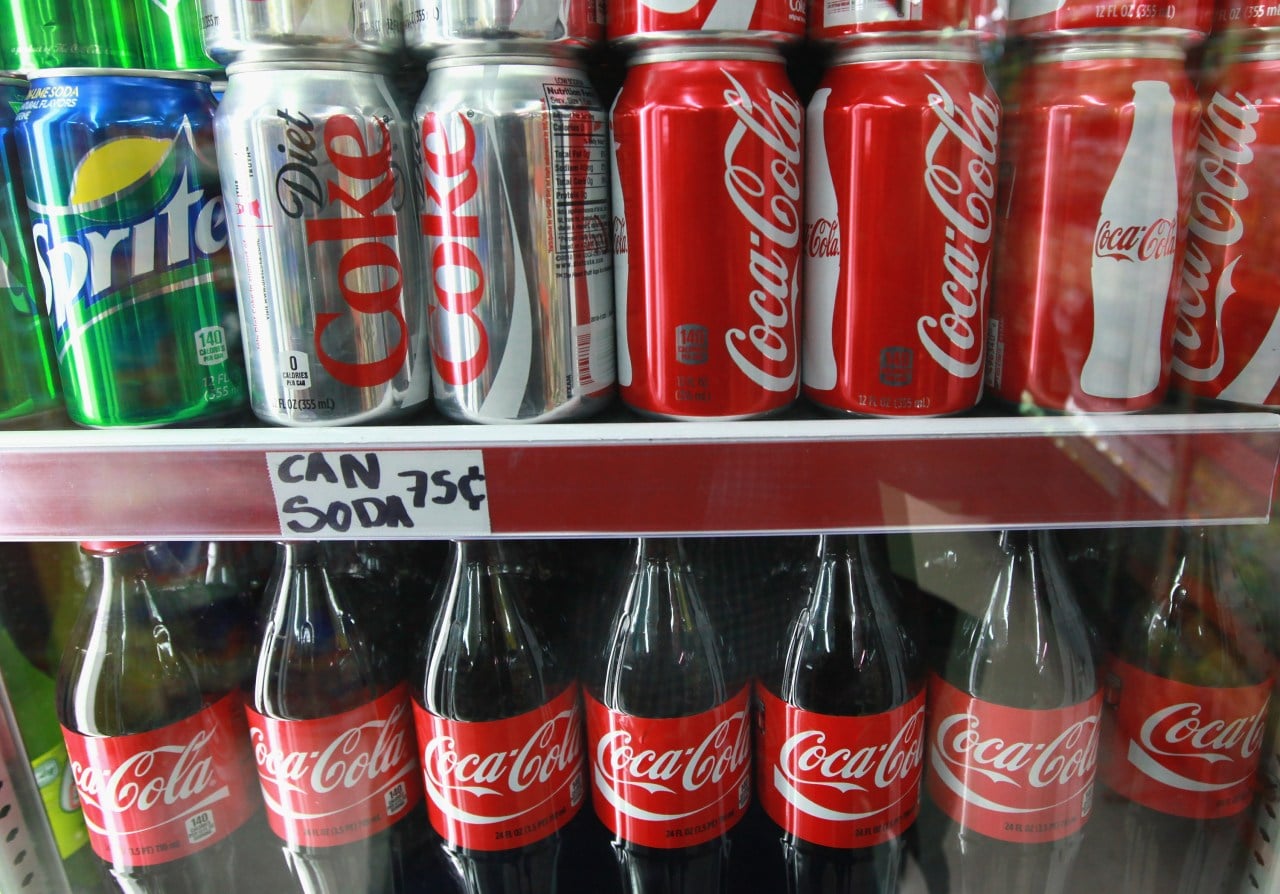
Coca-Cola is recalling 2,000 cases of Diet Coke, Sprite, and Fanta Orange soda cans due to the potential presence of "foreign material." The recall affects 12-packs of 12-ounce cans distributed in Alabama, Mississippi, and Florida. The specific risks to consumers are unknown at this time, and the FDA has not provided further comment.
Coca-Cola has issued a recall of 2,000 cases of Diet Coke, Sprite, and Fanta Orange in Alabama, Mississippi, and Florida due to potential contamination with "foreign material" in the cans. The recall was initiated by United Packers, LLC and includes specific UPC numbers and best-by dates. Coca-Cola has stated that the recall is complete and there are no more affected cans on the market.
Nearly 2,000 cases of Diet Coke, Sprite, and Fanta Orange soda cans have been recalled due to possible foreign material in the product. The recall includes 12-pack fridge cases of these beverages, and although they have been removed from stores in Florida, Alabama, and Mississippi, consumers may still have them at home. The company that packaged the sodas, United Packers LLC., has not provided instructions for consumers with the recalled product.
Kristen Bell jokingly questions her husband, Dax Shepard, about the presence of 700 cans of Diet Coke in their living room, asking if he has a mistress. The humorous video, shared on social media, garnered laughs from fans. Dax Shepard playfully responded, stating that his mistress is Diet Coke.
A daughter on TikTok has showcased her mother's obsession with Diet Coke, sharing various home decor items and paraphernalia dedicated to the popular diet drink. The TikTok video features door decor, soap dispenser, wall art, ornaments, shelves filled with bottles and cans, mini-fridges, and even a coaster dedicated to the mother's can of Diet Coke. The video has gained over 270,000 views and highlights the recent obsession with Diet Coke on TikTok, where the hashtag has over 1.1 billion views.
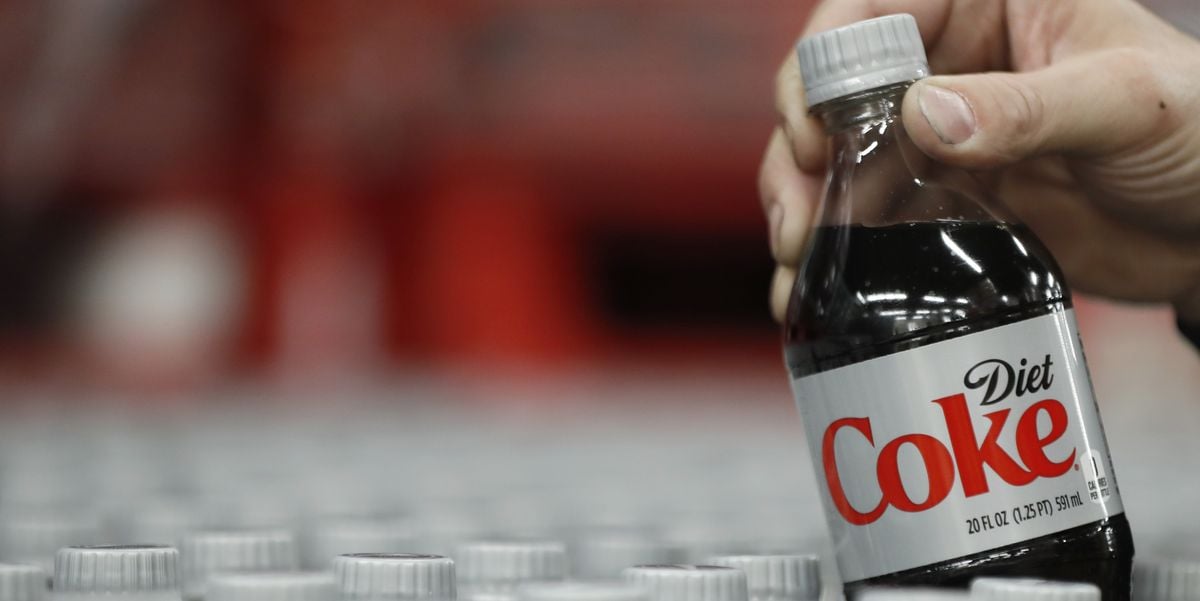
Coke Zero and Diet Coke, both zero-calorie sodas from Coca-Cola, have distinct differences. Diet Coke, introduced in 1982, was aimed at health-conscious Baby Boomers and has undergone rebranding efforts over the years. Coke Zero, introduced in 2005, targeted millennials with its promise of a sugar-free Coca-Cola experience. Both sodas use different sweeteners, resulting in distinct flavor profiles. Diet Coke generally contains slightly more sodium, while both have similar caffeine levels. The choice between the two depends on personal preferences. Regional variations exist, influenced by local tastes, cultural preferences, and regulatory guidelines.
Bill Gates booked an entire Michelin-star restaurant for two days but only ordered a Diet Coke and left without trying any of the extravagant dishes on the $313 tasting menu. The renowned chef expressed his surprise at Gates's choice, suggesting that people with money often value things less. Gates is known for his love of simplicity in his diet, particularly cheeseburgers and Diet Coke.
Coke Zero and Diet Coke are both zero-calorie sodas from Coca-Cola that offer the classic Coke taste without the sugar. Diet Coke, introduced in 1982, was aimed at health-conscious Baby Boomers and has undergone rebranding efforts over the years. Coke Zero, introduced in 2005, was formulated to mimic the taste of original Coca-Cola and targeted millennials. Both sodas use different sweeteners and have subtle differences in nutritional profiles. The choice between Coke Zero and Diet Coke depends on personal preferences, and regional variations exist in their formulations influenced by local tastes and regulatory guidelines.
Coke Zero and Diet Coke are both zero-calorie sodas from Coca-Cola that offer the classic Coke taste without the sugar. Diet Coke, introduced in 1982, was aimed at health-conscious Baby Boomers and has undergone rebranding efforts over the years. Coke Zero, introduced in 2005, was formulated to mimic the taste of original Coca-Cola and targeted millennials. Both sodas use different sweeteners and have subtle differences in nutritional profiles. The choice between Coke Zero and Diet Coke depends on personal preferences, and regional variations exist in their formulations influenced by local tastes and regulatory guidelines.
A new study published in the Diabetes Journal has found that consuming artificial sweeteners, including those found in Diet Coke, could increase the risk of developing type 2 diabetes. The research adds to concerns raised in June when the World Health Organization classified aspartame, an artificial sweetener, as "possibly carcinogenic to humans." The French scientists who conducted the study recommend avoiding "diet" alternatives and instead opting for unsweetened foods and drinks with naturally occurring sugars. While existing daily limits on aspartame are considered safe, experts caution against consuming excessive amounts due to potential health problems.
The health effects of Diet Coke and other diet sodas are still being debated, but there is evidence suggesting that artificial sweeteners used in these drinks may have adverse effects on health, including an increased risk of developing Type 2 diabetes, cardiovascular diseases, and weight gain. The World Health Organization (WHO) recommends avoiding artificial sweeteners, and nutritionists advise staying away from them as well. Regular soda, on the other hand, contains high amounts of sugar, which can also lead to health issues. Healthier alternatives to soda include sparkling mineral waters, kombucha, and flavored sparkling waters with added fruit infusions.